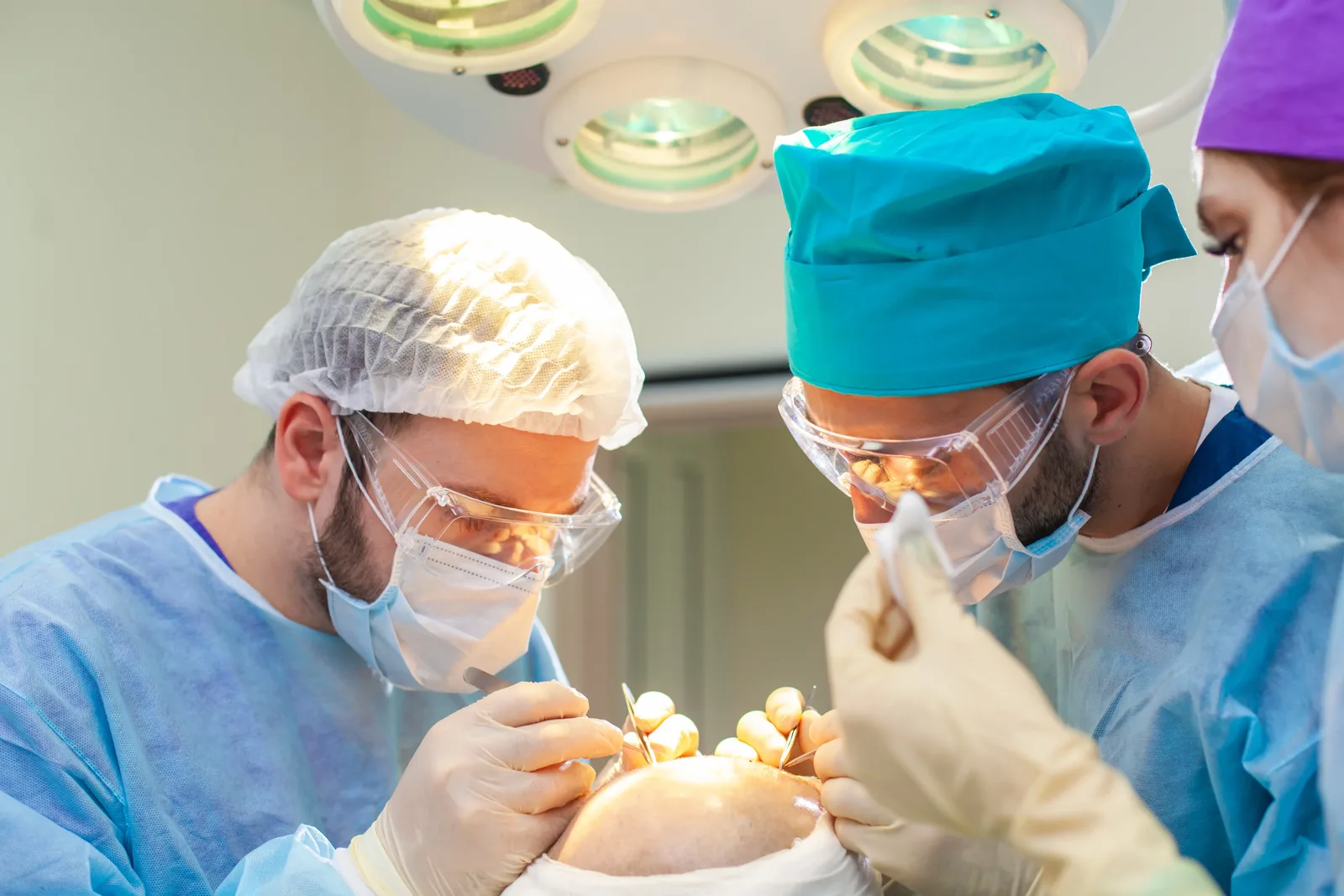
How does the hair transplant process in Turkey work? Discover a detailed guide about hair transplant in Istanbul, recovery, clinic selection, and the premium patient experience.
Learn More
Overharvesting refers to the excessive extraction of hair follicles during a hair transplant procedure, which can lead to undesirable aesthetic outcomes. Adem Demiral, a hair transplant specialist based in Atasehir, Istanbul, emphasizes the importance of addressing this issue to ensure the best possible results for patients.
Hair transplantation is a delicate procedure that requires precision and a thorough understanding of the patient's unique hair characteristics. Overharvesting occurs when too many hair follicles are removed from the donor area, which can compromise the natural appearance of the hair and lead to thinning or bald patches. As a specialist, Adem Demiral aims to educate patients about the risks associated with overharvesting and the methods to prevent it.
Understanding the biology of hair follicles is crucial in recognizing the implications of overharvesting. Each hair follicle is a complex structure that not only produces hair but is also connected to a network of blood vessels and nerves. When follicles are removed in excess, the natural balance of the scalp can be disrupted. This disruption can lead to a decrease in blood flow to the remaining follicles, which can compromise their health and growth potential. Adem Demiral emphasizes the need for a careful assessment of the donor area to avoid this detrimental impact.
Furthermore, the aesthetic outcome of hair transplantation is not solely dependent on the quantity of hair follicles transplanted but also on their quality and distribution. A well-planned hair transplant takes into account the natural growth patterns and density of the patient's existing hair. When overharvesting occurs, it can result in an unnatural appearance, where the transplanted hair does not blend seamlessly with the surrounding hair. This understanding is vital for both the surgeon and the patient to ensure that the results are not only satisfactory but also sustainable in the long term.
The thinning of the donor area is one of the most immediate and visible consequences of overharvesting. A dense and healthy donor area is essential for achieving a natural-looking result post-transplant. When too many follicles are extracted, the remaining hair can appear sparse, leading to an unnatural look. This is particularly concerning for patients who may require future transplants, as a depleted donor area can limit their options for additional procedures.
Scarring is another significant risk associated with overharvesting. Depending on the extraction technique used, excessive follicle removal can result in linear scars or larger, more noticeable scars in the donor area. These scars can be permanent and may require additional procedures to correct, adding to the overall cost and complexity of the hair restoration process. Adem Demiral stresses the importance of using techniques that minimize scarring, thereby preserving the aesthetic integrity of the donor area.
Uneven hair growth is another potential outcome of overharvesting. When follicles are extracted without a careful plan, the remaining hair can grow unevenly, leading to patches of hair that are significantly shorter or thinner than others. This unevenness not only affects the overall appearance but can also impact the patient's confidence and satisfaction with the results. Long-term damage to hair follicles can also occur, leading to conditions such as shock loss or even permanent hair loss in the donor area, which is a significant concern for patients seeking hair restoration.
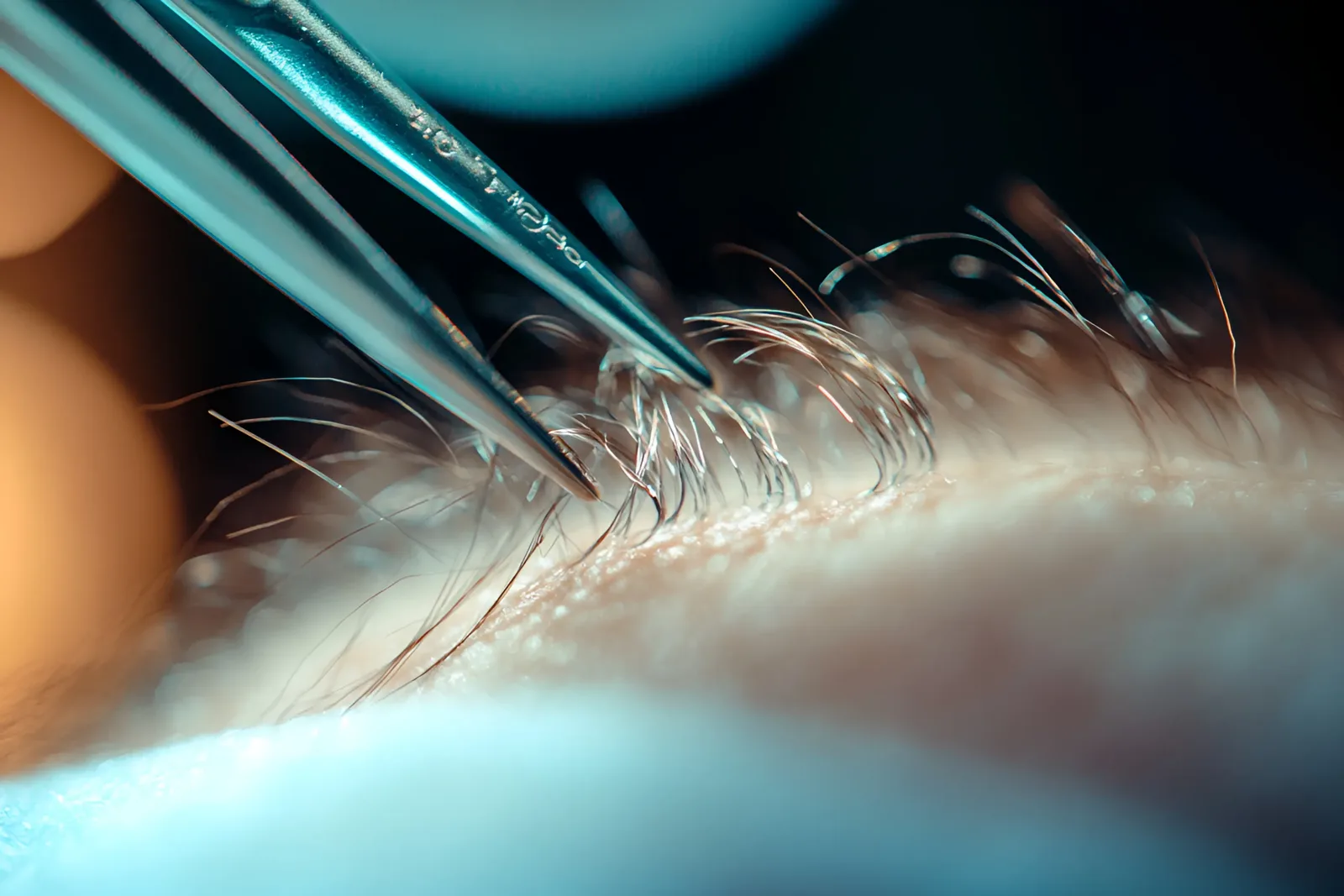
To mitigate the risks associated with overharvesting, Adem Demiral employs several strategies during hair transplant procedures:
A thorough pre-evaluation is the cornerstone of a successful hair transplant. This evaluation includes assessing the patient's hair density, scalp condition, and overall health. By understanding these factors, Adem Demiral can make informed decisions about how many follicles to extract and from which areas. This careful assessment helps to ensure that the donor area remains healthy and that the results are both natural and aesthetically pleasing.
Advanced techniques such as Diamond FUE, DHI Pro, and Sapphire FUE represent the forefront of hair transplant technology. These methods are designed to minimize trauma to the scalp, allowing for a more precise extraction of hair follicles. For instance, the Diamond FUE technique uses a diamond-tipped punch to extract follicles, which reduces the risk of damaging surrounding tissues. This precision not only preserves the health of the donor area but also enhances the overall aesthetic outcome of the procedure.
Careful planning is essential for achieving the desired results in hair transplantation. This involves creating a customized strategy that considers the patient's unique hair characteristics and aesthetic goals. By carefully mapping out the extraction and implantation process, Adem Demiral can help ensure that the transplanted hair grows in a way that mimics natural growth patterns. Ongoing monitoring after the procedure is equally important, as it allows for adjustments to be made if necessary, ensuring that the patient achieves the best possible outcome.
With advancements in technology, hair transplant specialists like Adem Demiral are better equipped to prevent overharvesting. Techniques such as unshaven transplants allow for discreet procedures while ensuring optimal follicle extraction. Additionally, the use of PRP and stem-cell supported care can enhance healing and hair growth, further reducing the risks associated with overharvesting.
Unshaven hair transplants represent a significant breakthrough in the field of hair restoration. This technique allows patients to undergo the procedure without shaving their donor area, making it a more appealing option for those who are concerned about the visibility of the procedure. By utilizing advanced extraction methods, specialists can perform the transplant while preserving the existing hair, which helps to camouflage any potential thinning in the donor area. This not only enhances patient satisfaction but also minimizes the psychological impact of undergoing such a visible procedure.
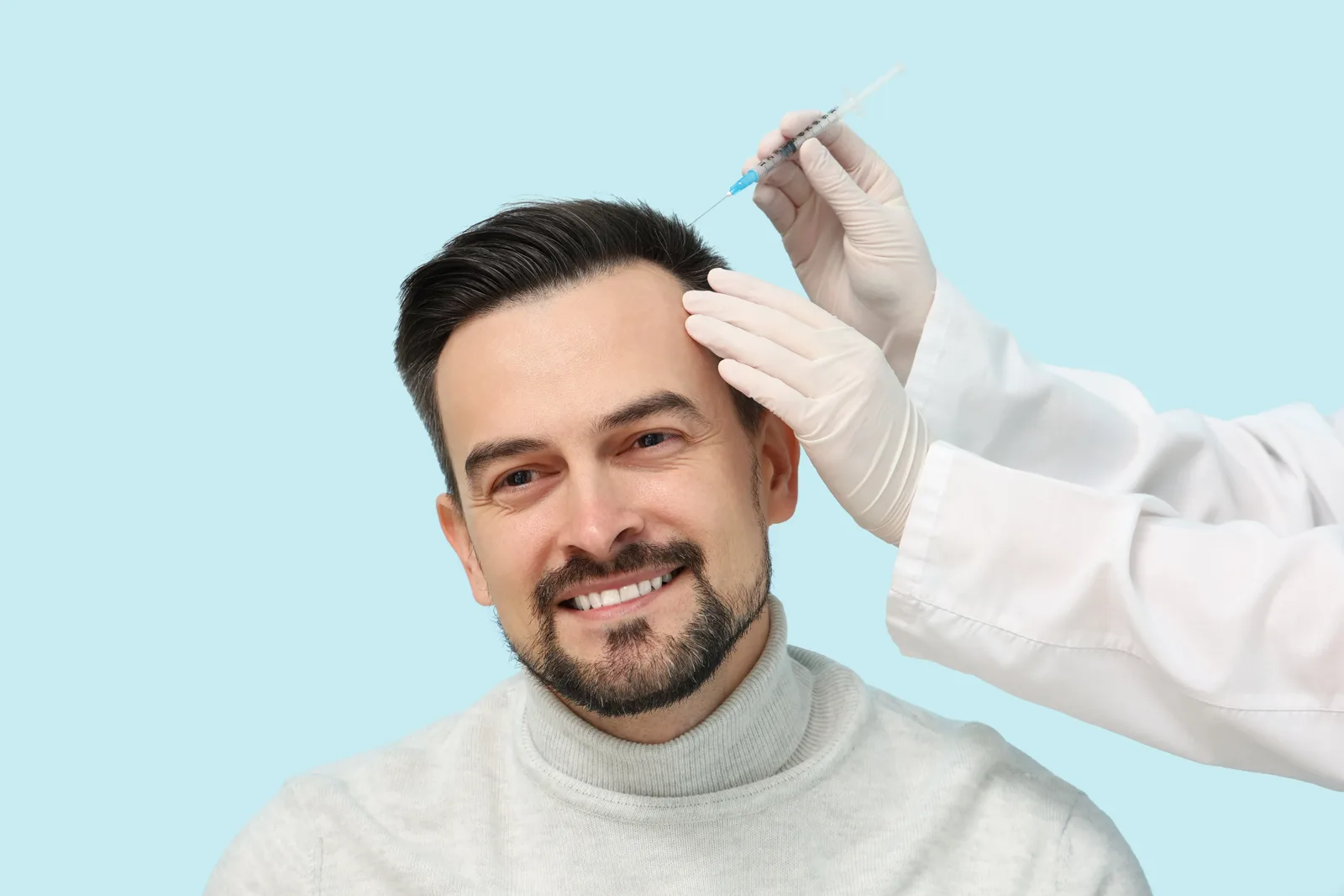
The integration of PRP (Platelet-Rich Plasma) therapy and stem-cell treatments in hair restoration has revolutionized the post-operative care process. PRP therapy utilizes the patient's own blood components to stimulate hair growth and enhance healing. By injecting PRP into the scalp, it can promote the regeneration of hair follicles and improve the overall health of the scalp. Stem-cell treatments, on the other hand, focus on harnessing the regenerative capabilities of stem cells to promote hair growth. These technologies not only enhance the results of the hair transplant but also play a crucial role in preventing overharvesting by ensuring that the remaining hair follicles are healthy and capable of supporting new growth.
Educating patients about the potential risks of overharvesting is a fundamental aspect of Adem Demiral's practice. By providing clear information and setting realistic expectations, patients can make informed decisions regarding their hair restoration journey. Understanding the importance of a balanced approach to follicle extraction can significantly impact the overall success of the procedure.
Patient education begins with a thorough consultation, where Adem Demiral discusses the intricacies of the hair transplant process. This includes explaining the significance of the donor area, the potential risks of overharvesting, and the various techniques available. By fostering an open dialogue, patients can express their concerns and expectations, allowing the specialist to tailor the procedure to their individual needs. This proactive approach not only empowers patients but also helps to build trust and rapport between the patient and the specialist.
In addition to consultations, Adem Demiral provides educational resources that outline the hair transplant process and the importance of proper care before and after the procedure. These resources often include detailed brochures, videos, and online content that cover various aspects of hair restoration. By ensuring that patients are well-informed, they can actively participate in their hair restoration journey and make choices that align with their goals and expectations. This level of awareness is crucial in minimizing the risks associated with overharvesting and achieving satisfactory results.
Overharvesting is a critical concern in hair transplant procedures that can lead to various risks and complications. By prioritizing patient education, utilizing advanced techniques, and implementing careful planning, Adem Demiral, a hair transplant specialist in Atasehir, Istanbul, aims to minimize these risks and provide patients with natural-looking results. For more information about the services offered, visit our services page. If you're interested in a pre-evaluation, please check our pre-evaluation section.
Overharvesting occurs when too many hair follicles are extracted from the donor area during a hair transplant, potentially leading to thinning and scarring.
Consulting with a qualified specialist like Adem Demiral and undergoing a thorough pre-evaluation can help prevent overharvesting.
Advanced techniques such as Diamond FUE, DHI Pro, and Sapphire FUE are employed to ensure precise extraction while minimizing trauma.
Yes, overharvesting can lead to long-term damage, including permanent hair loss in the donor area and visible scarring.
Absolutely. Educating patients about the risks and realistic outcomes is essential for informed decision-making in their hair restoration journey.
You can learn more about the services offered by visiting our services page or contacting us directly through the contact page.
This article is published by Adem Demiral Hair Clinic for general information. It is not a diagnosis, a treatment plan, or a personal graft estimate. Suitability requires an in-person assessment in Atasehir.
How does the hair transplant process in Turkey work? Discover a detailed guide about hair transplant in Istanbul, recovery, clinic selection, and the premium patient experience.
Learn More
How does the recovery process after a hair transplant progress? Discover the first wash, shock loss, hair growth timeline, and the 12-month transformation in detail.
Learn More
Discover the differences between DHI and Sapphire FUE hair transplantation. A detailed comparison in terms of density, natural appearance, recovery process, and unshaven hair transplantation.
Learn More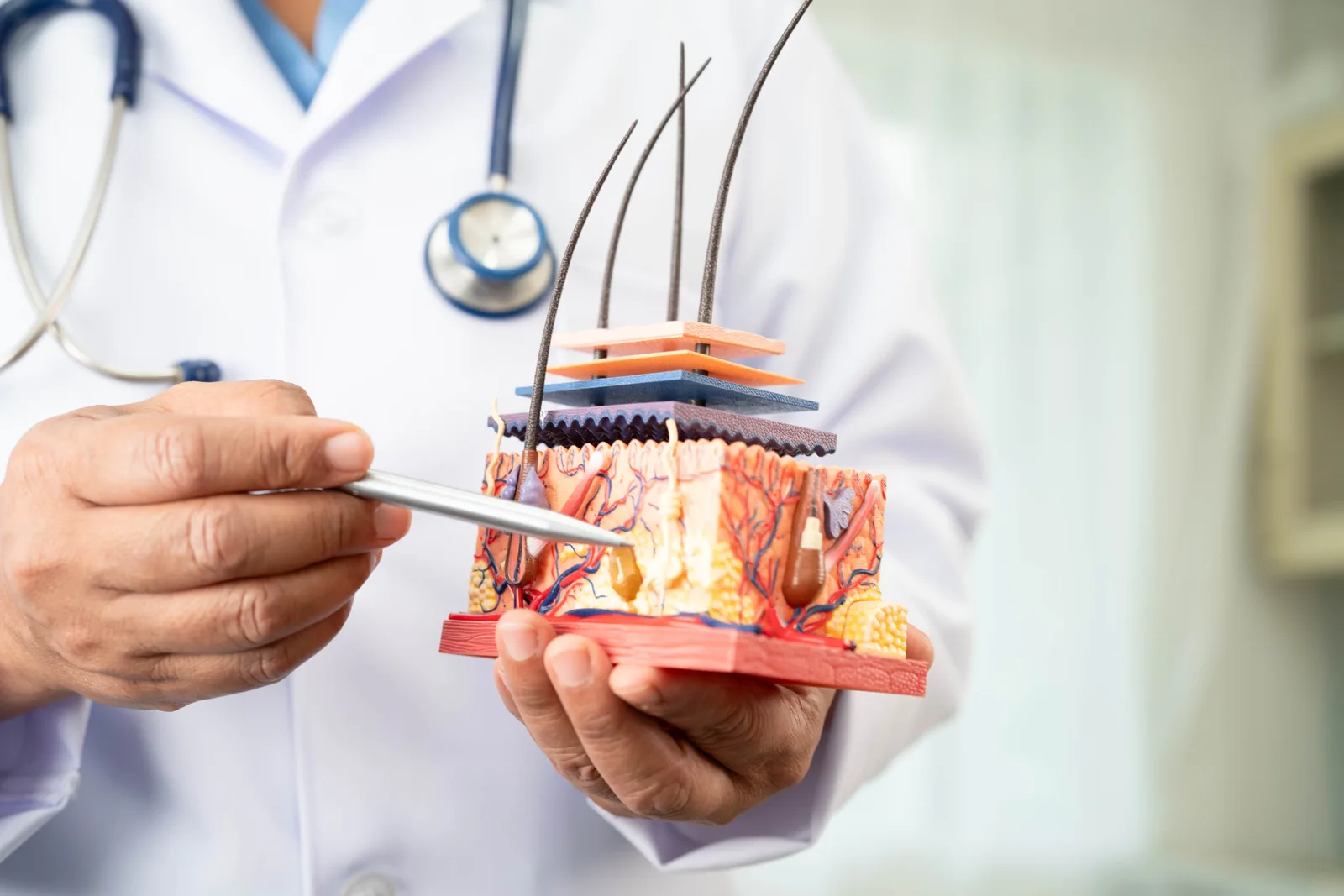
Hair loss can become both a physical and psychological concern for many people. Today, hair transplantation stands out as one of the most effective solutions for addressing this issue.
Learn More
Hair loss can become both a physical and psychological challenge for many people. Today, hair transplantation stands out as one of the most effective solutions to this problem.
Learn MoreFill out the form for hair analysis, appointments, and consultation requests, or contact us directly.