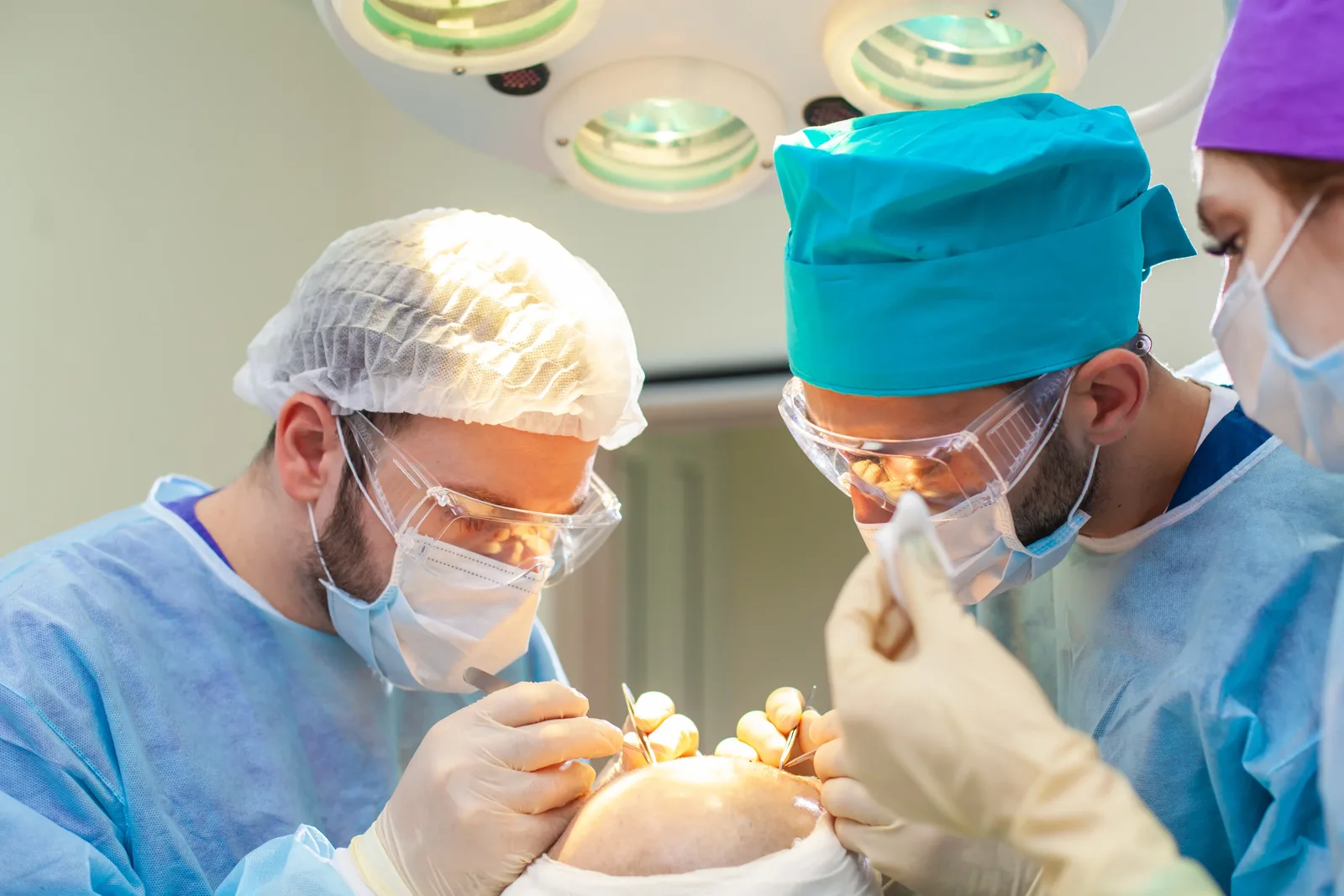
How does the hair transplant process in Turkey work? Discover a detailed guide about hair transplant in Istanbul, recovery, clinic selection, and the premium patient experience.
Learn More
Adem Demiral is a hair transplant specialist based in Atasehir, Istanbul. In this article, we will explore the topic of when a second session may be necessary in the hair transplant process.
The hair transplant process involves several stages, starting from the initial consultation to the final results. It is essential to understand these stages to determine when a second session may be appropriate. The journey typically begins with a comprehensive assessment of the patient’s hair loss condition, medical history, and expectations. This initial phase is crucial as it lays the groundwork for the entire procedure, ensuring that both the patient and the specialist are aligned on goals and outcomes.
Following the assessment, the actual hair transplant process can be broken down into multiple steps, including graft harvesting, implantation, and post-operative care. Each of these stages is critical to the overall success of the procedure. Moreover, the techniques employed, such as Follicular Unit Extraction (FUE) or Direct Hair Implantation (DHI), significantly influence the outcome. Understanding these methods and their implications can help patients make informed decisions about their hair restoration journey.
Finally, it’s important to recognize that hair restoration is not just a one-time event but rather a process that may require ongoing evaluation and adjustments. Factors such as the patient’s age, hair loss progression, and lifestyle can all impact the effectiveness of the initial transplant, thereby influencing the need for a second session.
During the initial consultation at Adem Demiral Hair Clinic, patients undergo a thorough evaluation to assess their hair loss condition. This evaluation helps in creating a personalized treatment plan, which may include a single session or multiple sessions depending on the individual's needs. The specialist will examine the patient's scalp, assess the quality and quantity of existing hair, and discuss the patient's expectations and desired outcomes.
In addition to a physical examination, the initial consultation often includes a discussion about the patient's medical history, including any previous hair restoration attempts, medications, and underlying health conditions that may affect hair growth. This holistic approach ensures that the treatment plan is tailored specifically to the patient’s unique circumstances, maximizing the likelihood of a successful outcome.
Moreover, the initial consultation serves as an opportunity for patients to ask questions and express any concerns they may have about the procedure. Clear communication between the patient and the specialist is vital, as it fosters trust and sets the stage for a positive hair transplant experience. Patients should feel empowered to discuss their goals and any apprehensions they may have regarding the process, as this will help the specialist provide the most appropriate recommendations.
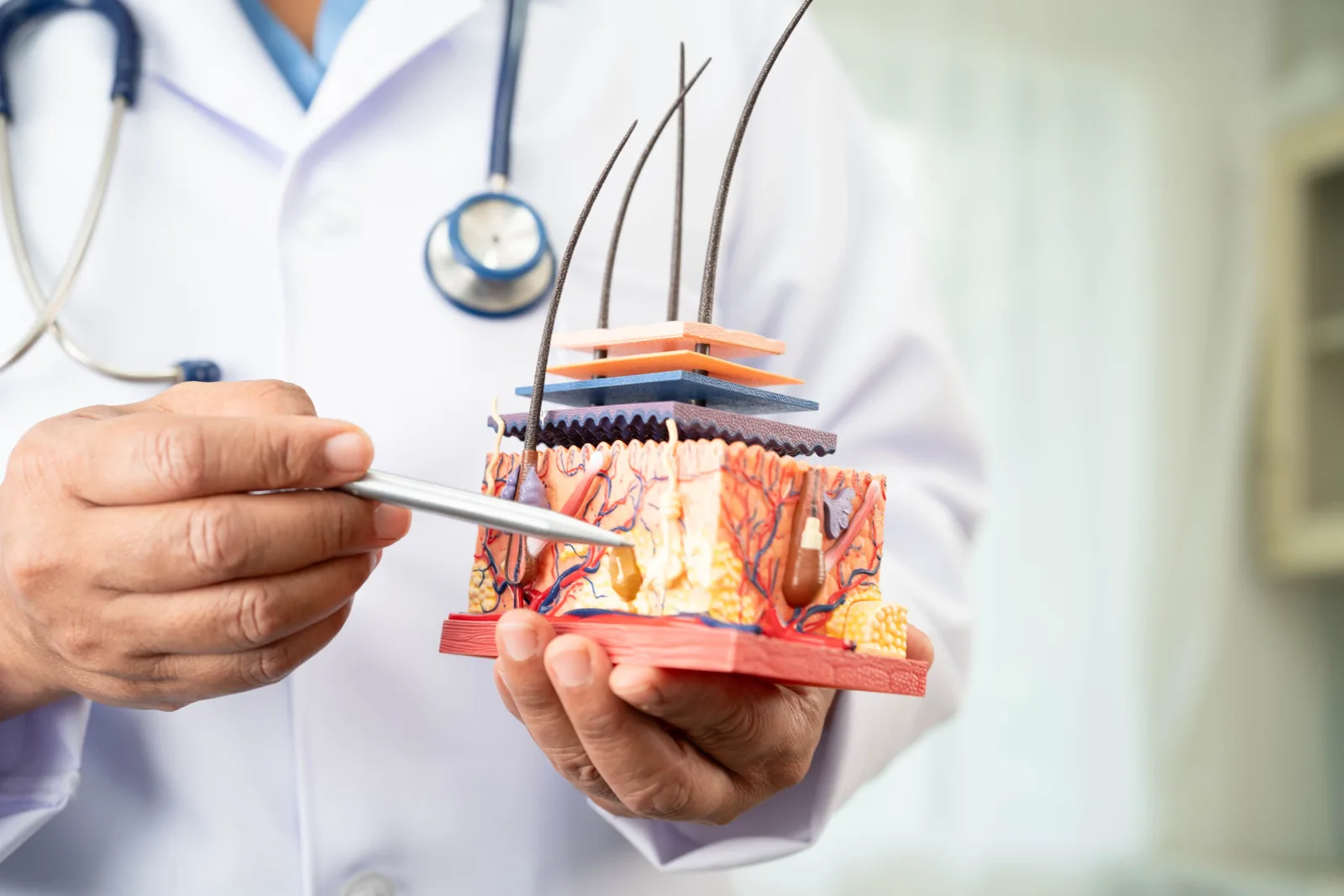
The first hair transplant session typically involves techniques such as Diamond FUE, DHI Pro, or Sapphire FUE. Each method has its own advantages, and the choice depends on the specific requirements of the patient. Diamond FUE, for instance, is known for its precision and minimal scarring, making it a popular choice among patients seeking natural-looking results. DHI Pro, on the other hand, allows for greater control during the implantation process, enabling the specialist to achieve a more refined hairline.
During the first session, the specialist will harvest hair follicles from the donor area, usually located at the back of the head, and prepare them for implantation. This process requires a high level of skill and experience, as the survival rate of the grafts is directly linked to the technique used during harvesting and implantation. The specialist must ensure that the grafts are handled delicately and placed in the recipient area at the correct angle and density to achieve natural-looking results.
After the grafts have been implanted, the patient will receive detailed instructions on post-operative care, which is crucial for the success of the transplant. This includes guidelines on how to care for the scalp, medications to take, and activities to avoid during the healing process. Understanding the importance of this phase can significantly impact the overall success of the hair restoration journey, as proper care ensures optimal graft survival and hair growth.
After the first session, patients are advised on post-operative care, which may include PRP (Platelet-Rich Plasma) and stem-cell supported treatments. Proper care during this period is crucial for achieving optimal results. Post-operative care typically involves keeping the scalp clean and moisturized, avoiding sun exposure, and refraining from strenuous activities that could disrupt the healing process. Patients are often provided with a comprehensive care package that includes medications to manage discomfort and prevent infection.
PRP therapy can be particularly beneficial during the recovery phase, as it utilizes the patient’s own blood components to stimulate hair growth and enhance the healing process. This treatment involves drawing a small amount of blood from the patient, processing it to concentrate the platelets, and then injecting it into the scalp. The growth factors present in PRP can help improve graft survival rates and promote the growth of new hair in the transplanted areas.
Additionally, regular follow-up appointments are typically scheduled to monitor the healing process and assess hair growth. During these visits, the specialist can address any concerns the patient may have and make adjustments to the post-operative care plan as needed. This ongoing support is essential for ensuring that patients remain informed and confident throughout their hair restoration journey.
A second session may be considered when:
The decision to proceed with a second session is often made after careful evaluation of the results from the first session. It is not uncommon for patients to desire greater density, especially if they have significant hair loss or if their hair restoration goals are not fully met after the initial procedure. In such cases, a second session can be an effective way to enhance the overall appearance of the hair.
Moreover, ongoing hair loss in untreated areas may necessitate a second session. Hair loss is a progressive condition, and patients may experience thinning in areas that were not initially addressed. A follow-up consultation with the specialist can help determine the best course of action to address these concerns and ensure that the patient achieves a balanced and natural look.
Finally, if the initial grafts have not taken as expected, it may be necessary to evaluate the reasons behind the poor graft survival. Factors such as inadequate post-operative care, underlying health conditions, or the patient’s hair characteristics can all play a role in graft success. A second session may be warranted to replace lost grafts and achieve the desired results.
If a second session is deemed necessary, patients should schedule a follow-up consultation at Adem Demiral Hair Clinic. During this consultation, the specialist will assess the results of the first session and discuss the next steps. This meeting provides an opportunity for the patient to express any concerns regarding their hair growth and to discuss their expectations for the second session.
During the follow-up consultation, the specialist will conduct a thorough examination of the scalp to evaluate the growth of the transplanted hair and the condition of the donor area. This assessment is crucial for determining the feasibility of a second session and for planning the approach that will be taken. The specialist will also review the patient’s medical history and any changes that may have occurred since the first session, which could influence the treatment plan.
Furthermore, this consultation serves as a platform for educating patients about what to expect during the second session. The specialist will explain the techniques that will be used, the expected timeline for results, and any additional post-operative care that may be required. Clear and open communication during this stage is essential for ensuring that patients feel confident and informed as they move forward with their hair restoration journey.
Several factors influence when a second session can be performed:
Additionally, the patient’s overall health and lifestyle can impact the timing of a second session. Factors such as stress, nutrition, and adherence to post-operative care recommendations can all influence hair growth and healing. Therefore, it is essential for patients to maintain a healthy lifestyle and follow the specialist’s advice to optimize the outcomes of their hair restoration journey.
In conclusion, understanding when to consider a second hair transplant session is crucial for achieving the desired results. At Adem Demiral Hair Clinic in Atasehir, Istanbul, we are dedicated to providing personalized care throughout the hair transplant journey. Our experienced team is committed to guiding patients through every step of the process, ensuring that they are well-informed and confident in their decisions.
As hair restoration is a highly individualized process, we encourage patients to engage in open discussions with our specialists to address their unique concerns and goals. By fostering a collaborative relationship, we can work together to achieve optimal results and help patients regain their confidence through effective hair restoration solutions.
The timeline for a second session varies, but it is generally recommended to wait at least 6-12 months after the first session for optimal results. This allows sufficient time for the initial grafts to settle and for the scalp to heal properly.
Consultation with a hair transplant specialist, such as Adem Demiral, can help assess whether a second session is necessary based on your hair growth and density goals. The specialist will evaluate the results of the first session and discuss any ongoing hair loss concerns.
As with any medical procedure, there are risks involved, but a qualified specialist will guide you through the process to minimize any potential complications. It is essential to discuss any concerns with your specialist during the consultation.
Techniques such as Diamond FUE, DHI Pro, or Sapphire FUE may be used based on the individual’s needs and previous results. The choice of technique will be tailored to achieve the best possible outcomes for the patient.
Yes, additional treatments such as PRP and stem-cell therapy can be combined with a second hair transplant to enhance results. These complementary treatments can help improve graft survival and promote hair growth.
Preparation may include following pre-operative guidelines provided by your specialist, such as avoiding certain medications and ensuring overall health. Patients should also be prepared to discuss their expectations and any changes since the first session during the follow-up consultation.
This article is published by Adem Demiral Hair Clinic for general information. It is not a diagnosis, a treatment plan, or a personal graft estimate. Suitability requires an in-person assessment in Atasehir.
How does the hair transplant process in Turkey work? Discover a detailed guide about hair transplant in Istanbul, recovery, clinic selection, and the premium patient experience.
Learn More
How does the recovery process after a hair transplant progress? Discover the first wash, shock loss, hair growth timeline, and the 12-month transformation in detail.
Learn More
Discover the differences between DHI and Sapphire FUE hair transplantation. A detailed comparison in terms of density, natural appearance, recovery process, and unshaven hair transplantation.
Learn More
Hair loss can become both a physical and psychological concern for many people. Today, hair transplantation stands out as one of the most effective solutions for addressing this issue.
Learn More
Hair loss can become both a physical and psychological challenge for many people. Today, hair transplantation stands out as one of the most effective solutions to this problem.
Learn MoreFill out the form for hair analysis, appointments, and consultation requests, or contact us directly.