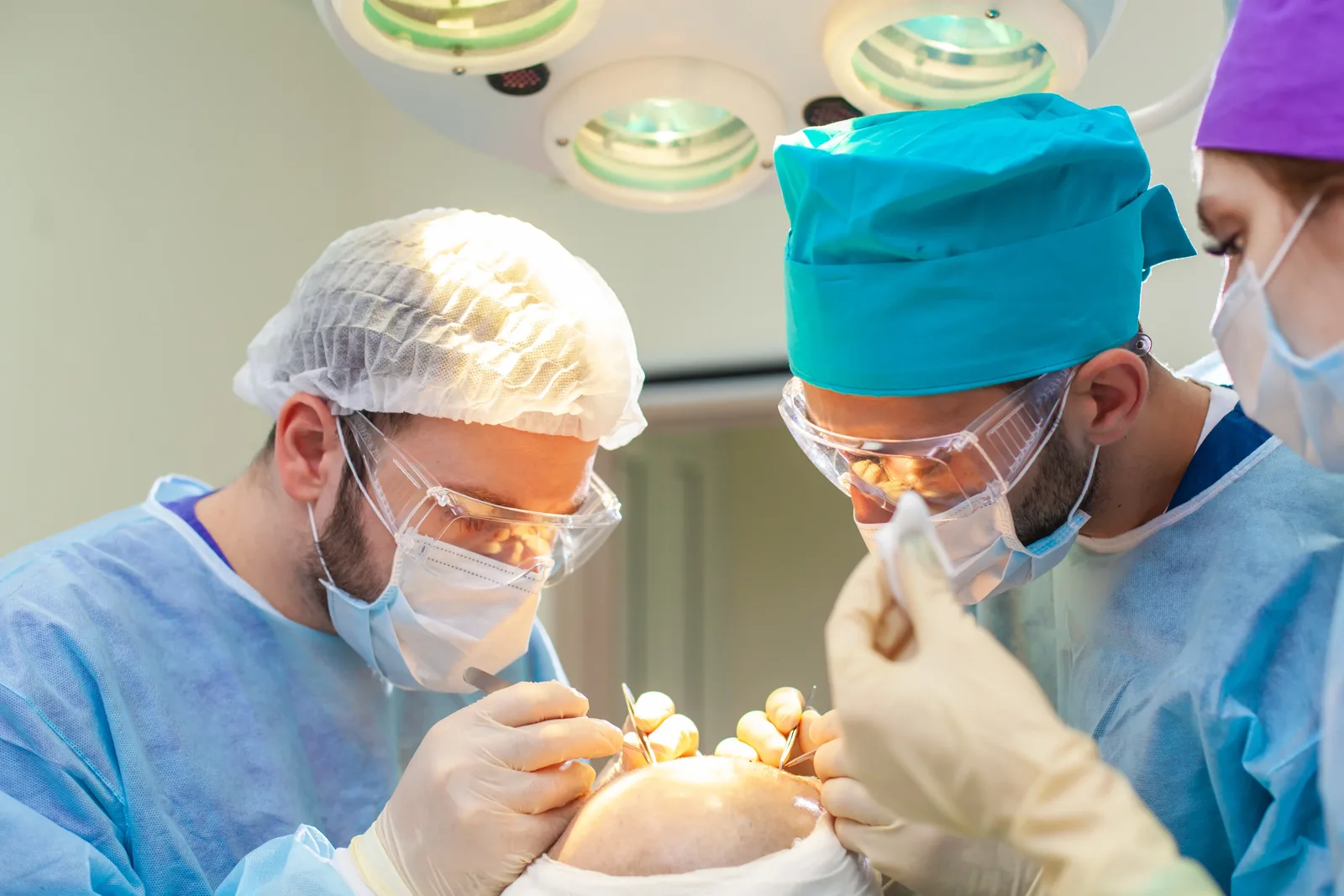
How does the hair transplant process in Turkey work? Discover a detailed guide about hair transplant in Istanbul, recovery, clinic selection, and the premium patient experience.
Learn More
Unshaven hair transplant is a specialized technique in hair restoration that allows patients to undergo the procedure without shaving their existing hair. This method is particularly beneficial for individuals who may be concerned about the visibility of their hair loss or those who prefer a less invasive approach. Adem Demiral, a hair transplant specialist based in Atasehir, Istanbul, has extensive experience in this innovative technique.
The unshaven hair transplant technique is designed to minimize the visibility of the procedure while providing effective results. Unlike traditional methods that require shaving the donor area, this approach allows for the harvesting of hair follicles without significant alteration to the patient's existing hairstyle. This can be particularly appealing to individuals who wish to maintain their current look during the recovery process.
In an unshaven hair transplant, the procedure is performed using advanced techniques such as Follicular Unit Extraction (FUE). This method involves extracting individual hair follicles directly from the donor area, which can be done with minimal disruption to the surrounding hair. The surgeon carefully selects the follicles to ensure that the extraction process does not lead to noticeable thinning in the donor area. This meticulous approach is what sets unshaven hair transplants apart from traditional methods.
Moreover, the unshaven technique allows for a more natural blending of transplanted hair with existing hair. As the hair grows in, the surrounding hair helps to camouflage any signs of the procedure, resulting in a seamless appearance. This is particularly advantageous for patients who are concerned about the aesthetics of their hair during the healing process, as they can maintain their style without drawing attention to their hair loss.
Not everyone is an ideal candidate for an unshaven hair transplant. Certain factors can influence the suitability of this technique, including:
Ultimately, the decision to pursue an unshaven hair transplant should be made in consultation with a qualified specialist who can assess individual circumstances and provide personalized recommendations. Each patient's hair loss pattern, scalp condition, and overall health will play a crucial role in determining the best approach to hair restoration.
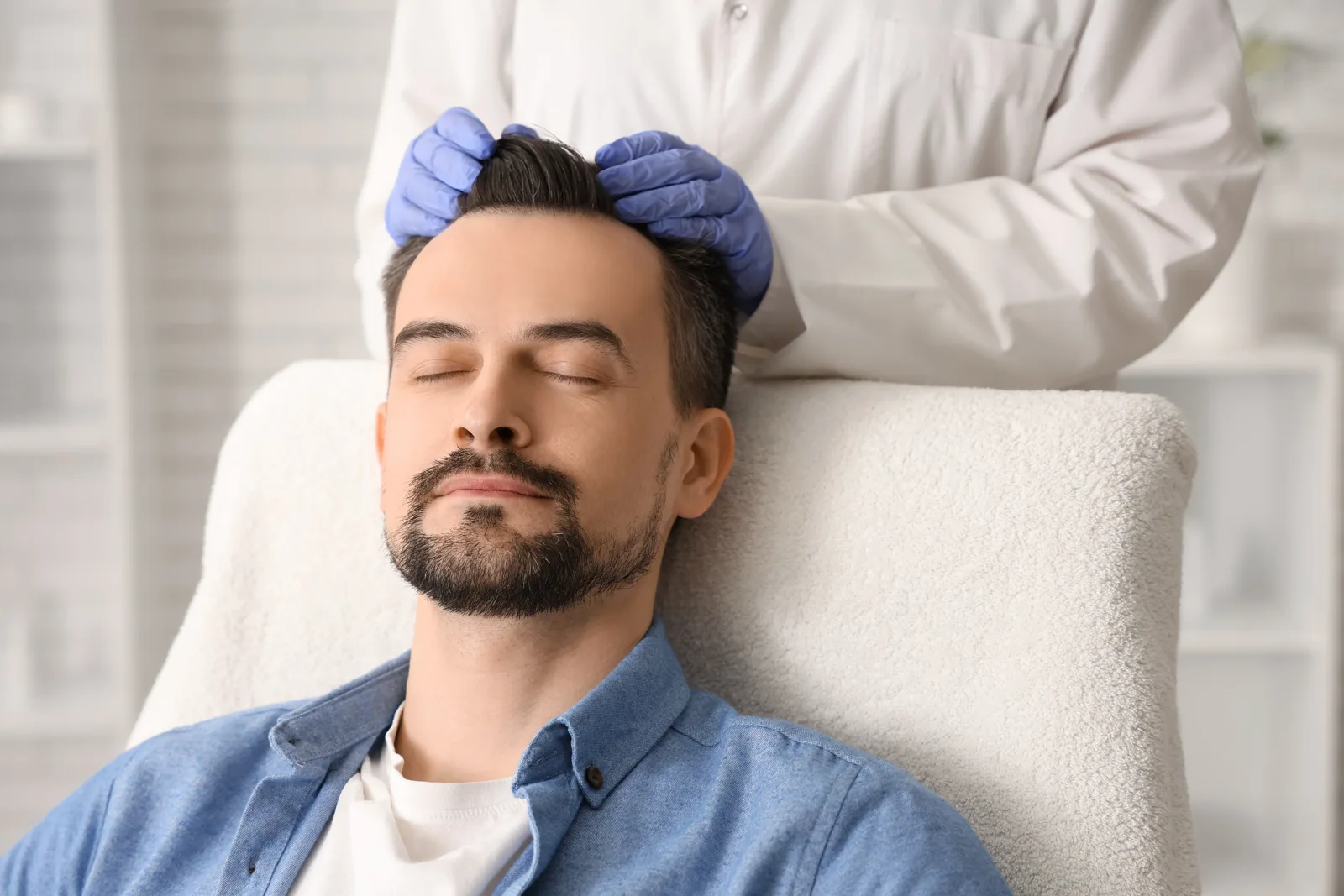
This technique offers several advantages, including:
In addition to these advantages, the unshaven hair transplant technique often results in less trauma to the scalp compared to traditional methods. This reduced trauma can lead to quicker healing times and less post-operative discomfort, making the overall experience more pleasant for patients. Furthermore, the ability to conceal the donor site effectively can lead to higher satisfaction rates among patients, as they can enjoy their results without the anxiety of visible scarring or hair loss.
Consulting with a qualified specialist like Adem Demiral is crucial for determining if the unshaven hair transplant is right for you. During the consultation, potential candidates can discuss their goals, assess their hair type, and evaluate the extent of hair loss. This personalized approach ensures that each patient receives the most suitable treatment for their unique situation.
Adem Demiral's expertise in unshaven hair transplants means that he can provide valuable insights into the procedure, including what to expect during and after the surgery. He can also address any concerns or questions that patients may have, ensuring that they feel informed and comfortable with their decision. The consultation process may involve a thorough examination of the scalp, an analysis of hair density, and a review of the patient's medical history to identify any factors that may affect the outcome of the procedure.
Moreover, Adem Demiral emphasizes the importance of setting realistic expectations for the results of the unshaven hair transplant. He takes the time to explain the growth timeline, potential outcomes, and any necessary follow-up treatments that may enhance the overall success of the procedure. This thorough approach helps to foster a trusting relationship between the patient and the specialist, which can be beneficial for the overall experience.
After the unshaven hair transplant, proper care is essential for optimal results. Patients are advised to follow specific post-operative instructions, which may include:
Additionally, patients are often instructed to avoid touching or scratching the transplant area to minimize the risk of infection and ensure that the newly transplanted follicles settle properly. Following these post-operative care guidelines is essential for achieving the best possible results from the unshaven hair transplant.
Patients should also be aware that hair growth after a transplant can vary from person to person. Typically, transplanted hair begins to grow within a few months, and full results may take up to a year to become apparent. During this time, it is essential for patients to remain patient and adhere to the aftercare instructions provided by their specialist.
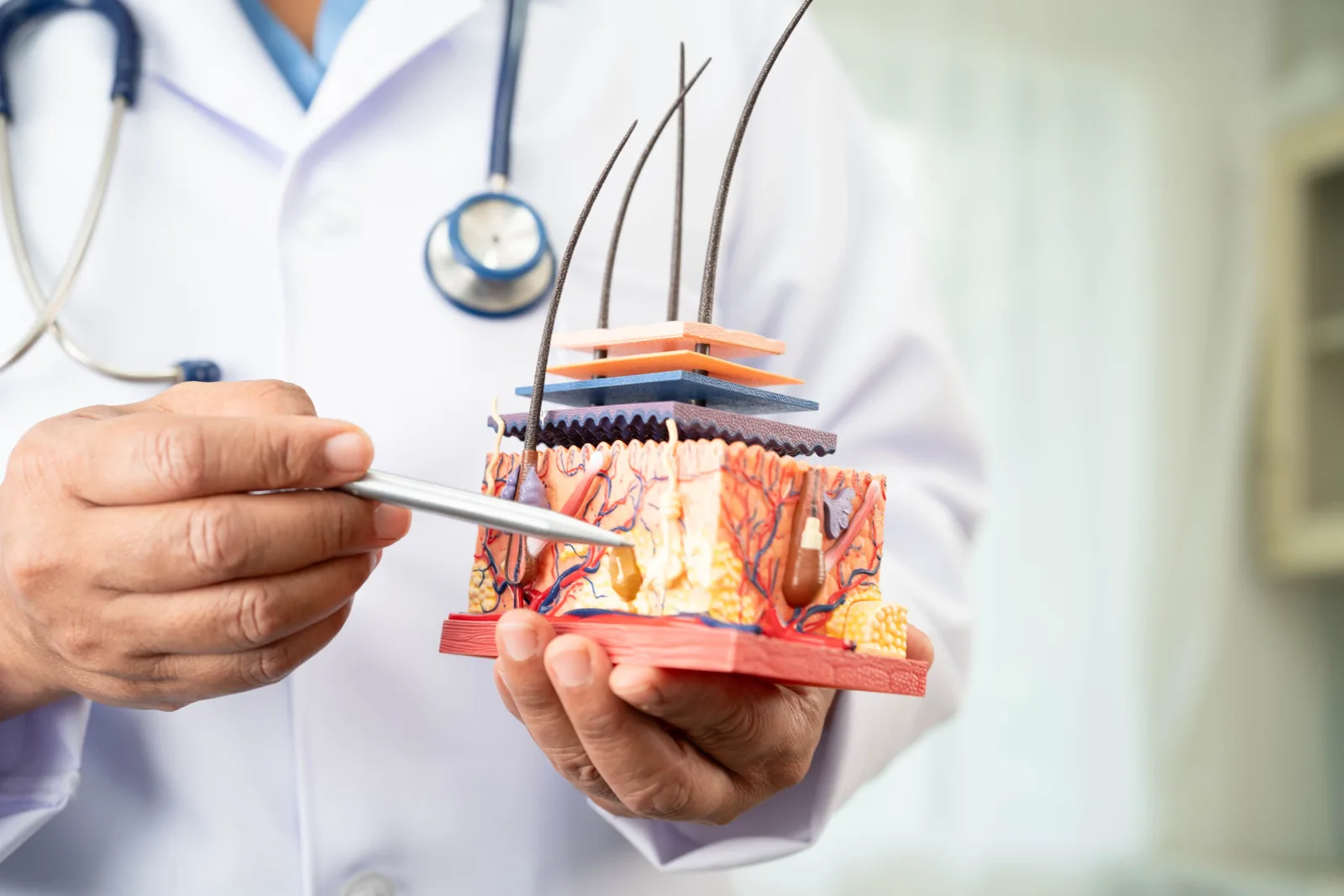
Unshaven hair transplant can be an excellent option for many individuals seeking hair restoration without the need for shaving their heads. By consulting with Adem Demiral, a hair transplant specialist in Atasehir, Istanbul, potential candidates can explore this innovative technique and determine if it aligns with their needs and preferences. The unshaven approach not only offers a discreet and effective solution to hair loss but also empowers patients to regain their confidence while maintaining their desired appearance.
Ultimately, the decision to pursue an unshaven hair transplant should be made after careful consideration of individual circumstances and in consultation with a qualified specialist. With the right guidance and support, patients can achieve natural-looking results that enhance their overall appearance and well-being.
An unshaven hair transplant is a technique that allows for hair restoration without shaving the donor area, providing a more discreet option for patients. This approach utilizes advanced methods such as Follicular Unit Extraction (FUE) to harvest hair follicles while preserving the existing hairstyle.
Ideal candidates include those with thicker hair, localized areas of thinning, or personal preferences against shaving their head. Additionally, individuals with higher hair density and those seeking touch-ups from previous transplants may also benefit from this technique.
Benefits include minimal downtime, a discreet procedure, a natural appearance, and flexibility in styling. The unshaven technique also results in less trauma to the scalp, leading to quicker healing times and improved patient satisfaction.
Recovery time varies, but many patients can return to normal activities within a few days while following post-operative care instructions. Full results may take several months to a year to become apparent as the transplanted hair grows.
Most patients experience minimal discomfort during the procedure, and any pain can typically be managed with prescribed medications. The use of local anesthesia during the procedure helps ensure patient comfort.
You can schedule a consultation by visiting the contact page on the Adem Demiral Hair Clinic website. During the consultation, you will have the opportunity to discuss your hair restoration goals and assess your suitability for the unshaven hair transplant technique.
This article is published by Adem Demiral Hair Clinic for general information. It is not a diagnosis, a treatment plan, or a personal graft estimate. Suitability requires an in-person assessment in Atasehir.
How does the hair transplant process in Turkey work? Discover a detailed guide about hair transplant in Istanbul, recovery, clinic selection, and the premium patient experience.
Learn More
How does the recovery process after a hair transplant progress? Discover the first wash, shock loss, hair growth timeline, and the 12-month transformation in detail.
Learn More
Discover the differences between DHI and Sapphire FUE hair transplantation. A detailed comparison in terms of density, natural appearance, recovery process, and unshaven hair transplantation.
Learn More
Hair loss can become both a physical and psychological concern for many people. Today, hair transplantation stands out as one of the most effective solutions for addressing this issue.
Learn More
Hair loss can become both a physical and psychological challenge for many people. Today, hair transplantation stands out as one of the most effective solutions to this problem.
Learn MoreFill out the form for hair analysis, appointments, and consultation requests, or contact us directly.