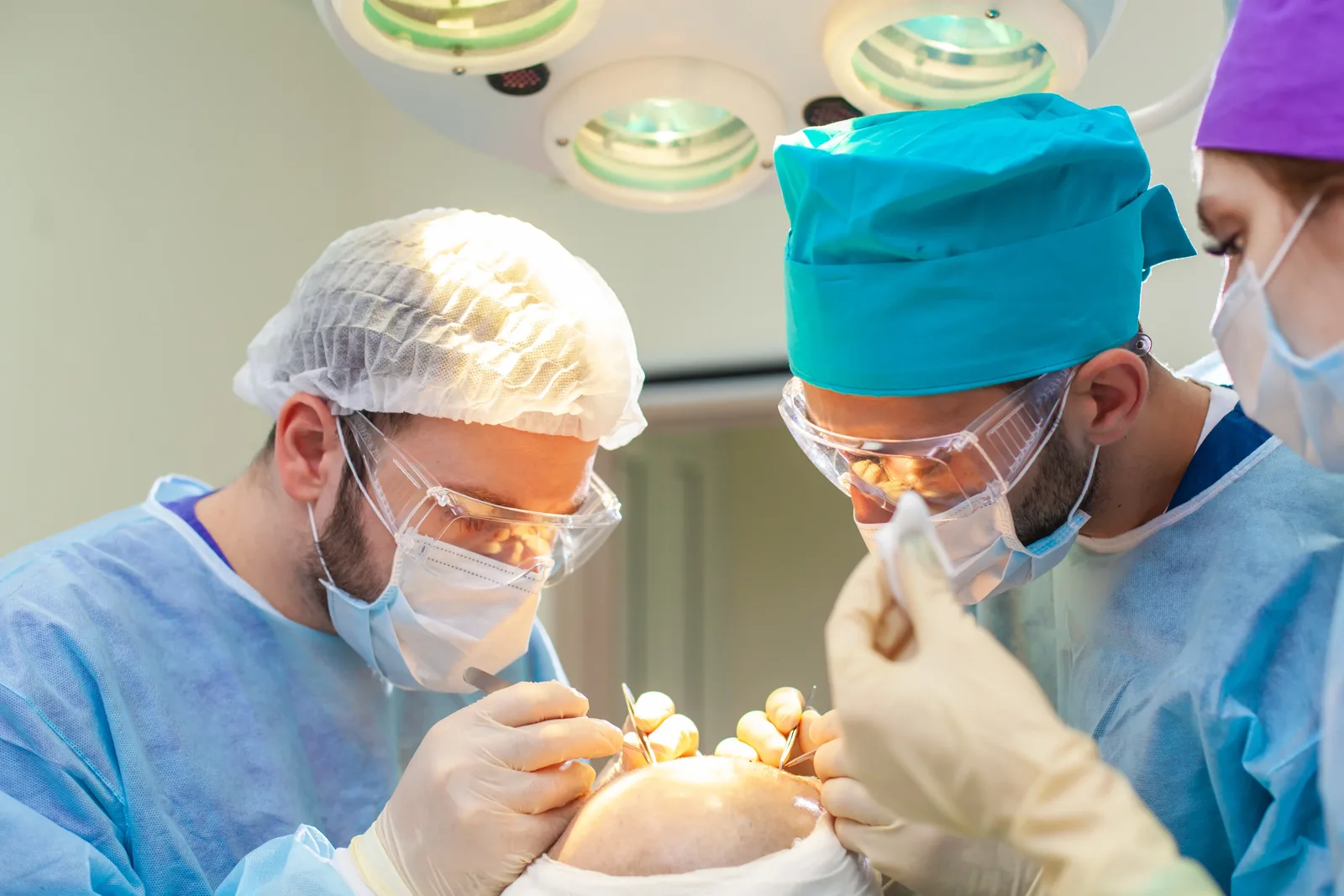
How does the hair transplant process in Turkey work? Discover a detailed guide about hair transplant in Istanbul, recovery, clinic selection, and the premium patient experience.
Learn More
Unrealistic expectations can significantly impact the outcomes of hair transplant procedures. Adem Demiral, a hair transplant specialist based in Atasehir, Istanbul, emphasizes the importance of addressing these expectations to ensure patient satisfaction and optimal results.
When individuals consider hair transplants, they often have specific visions of what the results should look like. These visions are frequently influenced by media portrayals, celebrity endorsements, and personal anecdotes. However, these expectations may not align with reality, leading to disappointment. It is crucial for patients to have a clear understanding of what hair transplants can realistically achieve. For instance, many patients envision a full head of hair similar to their youth, but factors such as the extent of hair loss, the characteristics of their donor hair, and their individual healing processes play significant roles in the final outcome.
Moreover, unrealistic expectations can stem from a lack of knowledge regarding the hair transplant process itself. Patients might expect immediate results or a pain-free recovery, which can lead to frustration when these expectations are not met. Understanding that hair restoration is a gradual process, where results evolve over time, is essential. The hair growth cycle is complex, and it can take several months for transplanted hair follicles to establish themselves and begin producing hair. Therefore, patients must be educated about the timeline of hair restoration and the natural variances that occur.
Furthermore, it’s essential to recognize that each individual’s hair characteristics, such as thickness, texture, and color, will influence the final appearance of the transplant. Patients should understand that their unique hair profile will dictate how the results look, and this can differ significantly from the results seen in others. A thorough discussion about these factors during the consultation can help align expectations with reality.
Effective communication between the patient and the specialist is paramount in managing expectations. Adem Demiral encourages open discussions about the patient's goals and concerns during the initial consultation. This dialogue helps to establish a mutual understanding and sets the foundation for realistic expectations. By fostering an environment where patients feel comfortable expressing their desires, concerns, and fears, specialists can better guide them through the process.
During consultations, Adem Demiral takes the time to listen actively to his patients. He emphasizes the importance of understanding not only what the patient wants but also why they desire those specific outcomes. This deeper understanding can reveal underlying motivations, such as restoring confidence or addressing social anxieties, which can be crucial in tailoring the treatment plan. By addressing these motivations, the specialist can provide a more personalized approach, ensuring that the treatment aligns with the patient's overall goals.
Moreover, clear communication extends beyond the initial consultation. It is an ongoing process throughout the hair restoration journey. Regular follow-ups and updates about the healing process, as well as any adjustments to the treatment plan, are vital. Keeping patients informed helps to alleviate anxiety and reinforces trust in the specialist’s expertise. This continuous dialogue ensures that any emerging concerns can be addressed promptly, further enhancing patient satisfaction with the overall experience.
Several factors can influence the success of a hair transplant procedure, including:
Understanding these factors can help patients manage their expectations more effectively. For instance, the type and pattern of hair loss play a significant role in determining the feasibility of a transplant. Patients with diffuse thinning may have different outcomes compared to those with localized bald spots. Furthermore, the Norwood scale, which categorizes male pattern baldness, can help patients understand their specific situation and what can be realistically achieved.
The quality of donor hair is another critical factor. The density, thickness, and texture of the hair follicles taken from the donor site will affect the final appearance of the transplanted hair. Patients with finer hair may require a different approach compared to those with coarse hair, as the latter can create a fuller appearance. Additionally, the health of the scalp, including any conditions such as psoriasis or dermatitis, can impact healing and hair growth, necessitating a thorough scalp evaluation prior to the procedure.
Age and overall health are also significant considerations. Younger patients may have more active hair loss and may not be ideal candidates for certain techniques. Conversely, older patients may experience slower healing times. A comprehensive health assessment is crucial to ensure that the patient is fit for surgery and to anticipate any potential complications that could arise during recovery. By discussing these factors openly, patients can gain a clearer understanding of how their individual circumstances will influence the outcome of their hair transplant.
During the consultation process, Adem Demiral works with patients to set achievable goals. This involves discussing the desired hair density, hairline design, and overall aesthetic outcome. By aligning the patient's goals with what is feasible, the likelihood of satisfaction increases. The specialist often employs visual aids, such as diagrams and 3D simulations, to help patients visualize potential outcomes, making it easier for them to grasp what can realistically be achieved.
Additionally, it is essential to discuss the concept of a natural-looking hairline. Many patients may desire a specific style that may not suit their facial structure or age. Adem Demiral guides patients in selecting a hairline design that complements their features, ensuring that the results look natural and age-appropriate. This aspect of goal-setting is crucial in preventing unrealistic expectations regarding the aesthetics of the final result.
Moreover, the discussion should include potential future hair loss. Patients should be informed that hair loss can continue after the transplant, which may necessitate further procedures down the line. Setting a long-term plan that considers future hair loss can help patients understand that hair restoration is an ongoing journey rather than a one-time solution. By establishing clear, realistic goals and expectations, patients can approach their hair transplant with a positive mindset and a greater chance of satisfaction.
Viewing before and after photos of previous patients can provide valuable insights into what to expect. These images showcase the range of results that can be achieved and help to temper unrealistic expectations. Adem Demiral encourages patients to review these examples as part of their decision-making process. By seeing real-life results, patients can better understand the variability of outcomes based on individual factors.
Before and after photos also serve as a powerful motivational tool for patients. They can visualize the potential transformation and gain confidence in the procedure. However, it is essential to present these photos with context. Patients should be informed about the specific conditions of each case, including the techniques used, the patient’s hair type, and the timeline of results. This context is crucial in preventing the misinterpretation of results and ensuring that patients have a realistic outlook on what they can expect.
In addition, Adem Demiral may utilize digital imaging technology to provide prospective patients with a simulated preview of their potential results. This technology can be particularly effective in demonstrating how different styles or hairlines might look on their unique facial structure. By combining real patient outcomes with advanced imaging, patients can have a more comprehensive understanding of what is achievable, further aligning their expectations with reality.
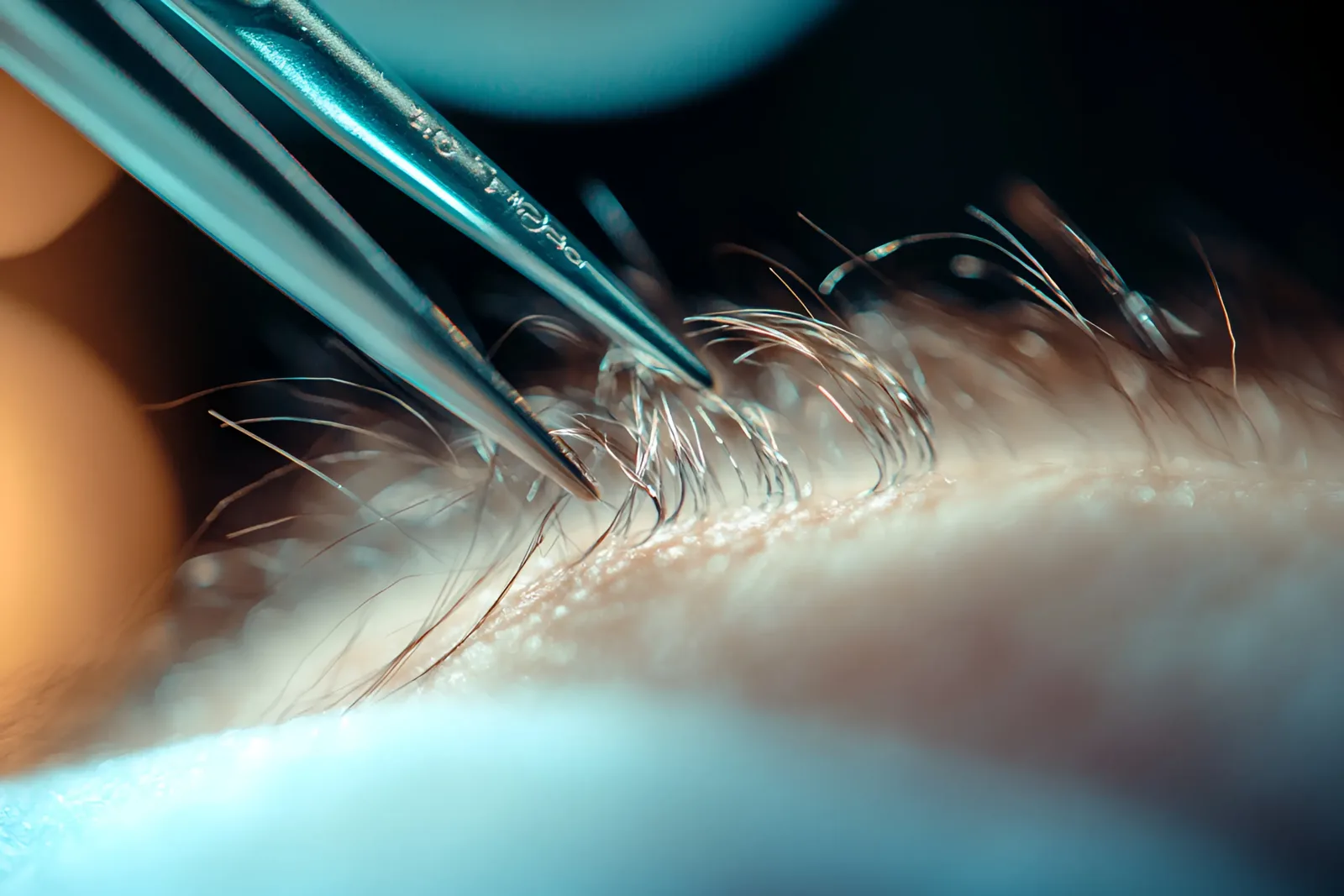
Patients often have many questions regarding the procedure, recovery, and final results. It is essential to address these concerns thoroughly. Adem Demiral and his team are committed to providing clear answers and supporting patients throughout their journey. Common concerns include pain management, recovery time, and the likelihood of complications. By providing detailed information and reassurance, patients can feel more at ease as they approach their procedure.
Additionally, it is crucial to discuss the emotional aspects of undergoing a hair transplant. Many patients may experience anxiety or apprehension about the surgery and its outcomes. Adem Demiral takes the time to explore these feelings, providing support and resources to help patients cope with their emotions. This holistic approach ensures that patients are not only physically prepared for the procedure but also mentally and emotionally ready.
Furthermore, the importance of post-operative follow-up cannot be overstated. Patients should feel comfortable reaching out with any questions or concerns after the procedure. Adem Demiral emphasizes the need for ongoing communication, as this can significantly impact the overall experience and satisfaction with the results. By fostering an environment of support and openness, patients can navigate their hair restoration journey with confidence.
After the hair transplant, patients should be informed about the typical recovery timeline and what to expect during the healing process. Understanding that hair growth takes time and that the final results may not be visible for several months is crucial for maintaining realistic expectations. Patients often experience a shedding phase shortly after the procedure, where transplanted hairs may fall out before new growth begins. This phenomenon, known as shock loss, can be alarming for patients who are unaware of it. Therefore, educating patients about this process is vital in preventing unnecessary anxiety.
Moreover, the healing process can vary from person to person. Factors such as individual health, adherence to post-operative care instructions, and lifestyle choices can influence recovery times. Adem Demiral provides detailed post-operative care guidelines, including how to care for the scalp, what activities to avoid, and when to resume normal activities. By following these instructions, patients can promote optimal healing and enhance their results.
In addition, patients should be informed about follow-up appointments to monitor progress. Regular check-ins allow the specialist to assess healing, address any concerns, and provide additional guidance as needed. This ongoing support is crucial for helping patients stay informed and engaged in their recovery process, ultimately leading to better satisfaction with the results.
Post-operative care is vital for achieving the best results. Adem Demiral offers PRP (Platelet-Rich Plasma) and stem-cell supported care to enhance the healing process and promote hair growth. These advanced treatments can significantly improve the overall outcome of hair restoration procedures by increasing blood flow to the scalp and stimulating hair follicles. Patients are educated about these options during their consultations, allowing them to make informed decisions about their post-operative care.
Furthermore, ongoing support ensures that patients feel confident and informed throughout their hair restoration journey. Adem Demiral and his team are committed to providing resources, such as informational materials and access to support groups, to help patients navigate their experience. By fostering a supportive community, patients can share their experiences, seek advice, and celebrate their progress, which can be incredibly beneficial for their emotional well-being.
Additionally, patients are encouraged to maintain open lines of communication with the clinic even after the initial recovery period. Whether they have questions about hair care, concerns about hair growth, or simply want to share their progress, having a supportive team available can make a significant difference in their overall satisfaction. This commitment to ongoing care reflects Adem Demiral's dedication to ensuring that every patient achieves the best possible outcome from their hair transplant journey.
In conclusion, discussing unrealistic expectations is a critical aspect of the hair transplant process. By fostering open communication and providing thorough education, Adem Demiral, a hair transplant specialist in Atasehir, Istanbul, helps patients achieve satisfactory outcomes. Understanding the complexities of hair restoration, setting realistic goals, and maintaining ongoing support are essential components of this journey. For more information on our services, visit our services page, or to learn about the pre-evaluation process, check here.
During your consultation, you will discuss your hair loss concerns, desired outcomes, and receive a thorough evaluation of your scalp and hair. Adem Demiral will take the time to understand your individual situation and provide personalized recommendations based on your specific needs.
By having open discussions with your specialist, reviewing before and after photos, and understanding the factors that influence results, you can better manage your expectations. It's essential to approach the process with a realistic mindset and a willingness to engage in ongoing communication with your specialist.
Adem Demiral utilizes advanced techniques such as Diamond FUE, DHI Pro, and Sapphire FUE to achieve optimal results for his patients. Each technique has its unique advantages, and the choice of method will depend on your specific hair loss pattern and goals.
It typically takes several months to see noticeable hair growth after a transplant, with full results often visible after a year. Patience is key, as the hair growth cycle can be gradual and varies from person to person.
Post-operative care includes following specific instructions provided by your specialist, as well as considering PRP and stem-cell treatments to enhance healing and growth. Adhering to these guidelines is crucial for achieving the best possible results.
The clinic is located in Atasehir, Istanbul, providing a convenient location for patients seeking hair restoration services. The facility is equipped with state-of-the-art technology and a dedicated team committed to patient care.
This article is published by Adem Demiral Hair Clinic for general information. It is not a diagnosis, a treatment plan, or a personal graft estimate. Suitability requires an in-person assessment in Atasehir.
How does the hair transplant process in Turkey work? Discover a detailed guide about hair transplant in Istanbul, recovery, clinic selection, and the premium patient experience.
Learn More
How does the recovery process after a hair transplant progress? Discover the first wash, shock loss, hair growth timeline, and the 12-month transformation in detail.
Learn More
Discover the differences between DHI and Sapphire FUE hair transplantation. A detailed comparison in terms of density, natural appearance, recovery process, and unshaven hair transplantation.
Learn More
Hair loss can become both a physical and psychological concern for many people. Today, hair transplantation stands out as one of the most effective solutions for addressing this issue.
Learn More
Hair loss can become both a physical and psychological challenge for many people. Today, hair transplantation stands out as one of the most effective solutions to this problem.
Learn MoreFill out the form for hair analysis, appointments, and consultation requests, or contact us directly.