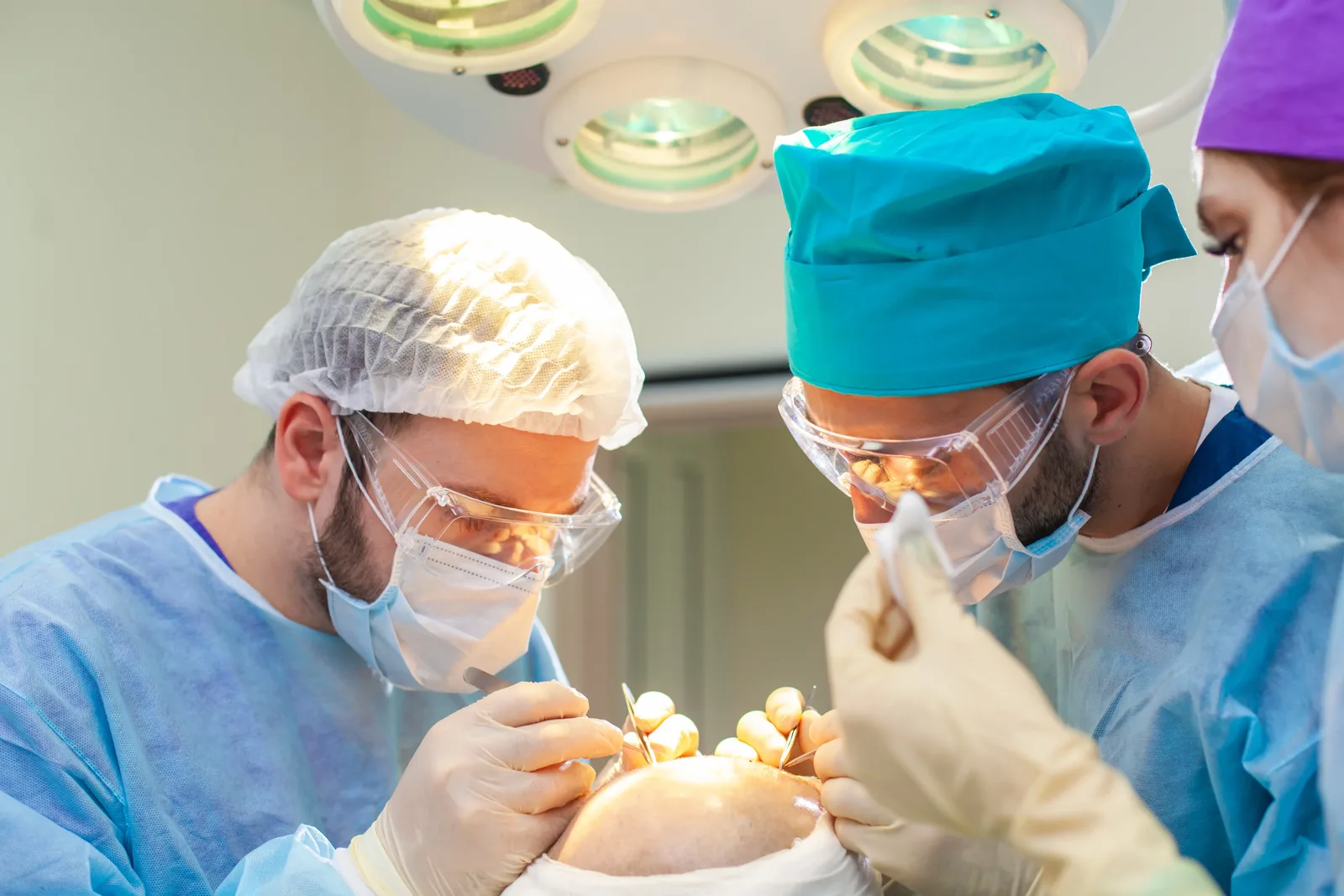
How does the hair transplant process in Turkey work? Discover a detailed guide about hair transplant in Istanbul, recovery, clinic selection, and the premium patient experience.
Learn More
Adem Demiral, a hair transplant specialist based in Atasehir, Istanbul, addresses the intricate topic of transplanting hair into scar tissue. This procedure requires a nuanced understanding of both the biological and aesthetic implications involved, making it a limited yet significant area of focus for patients seeking restoration.
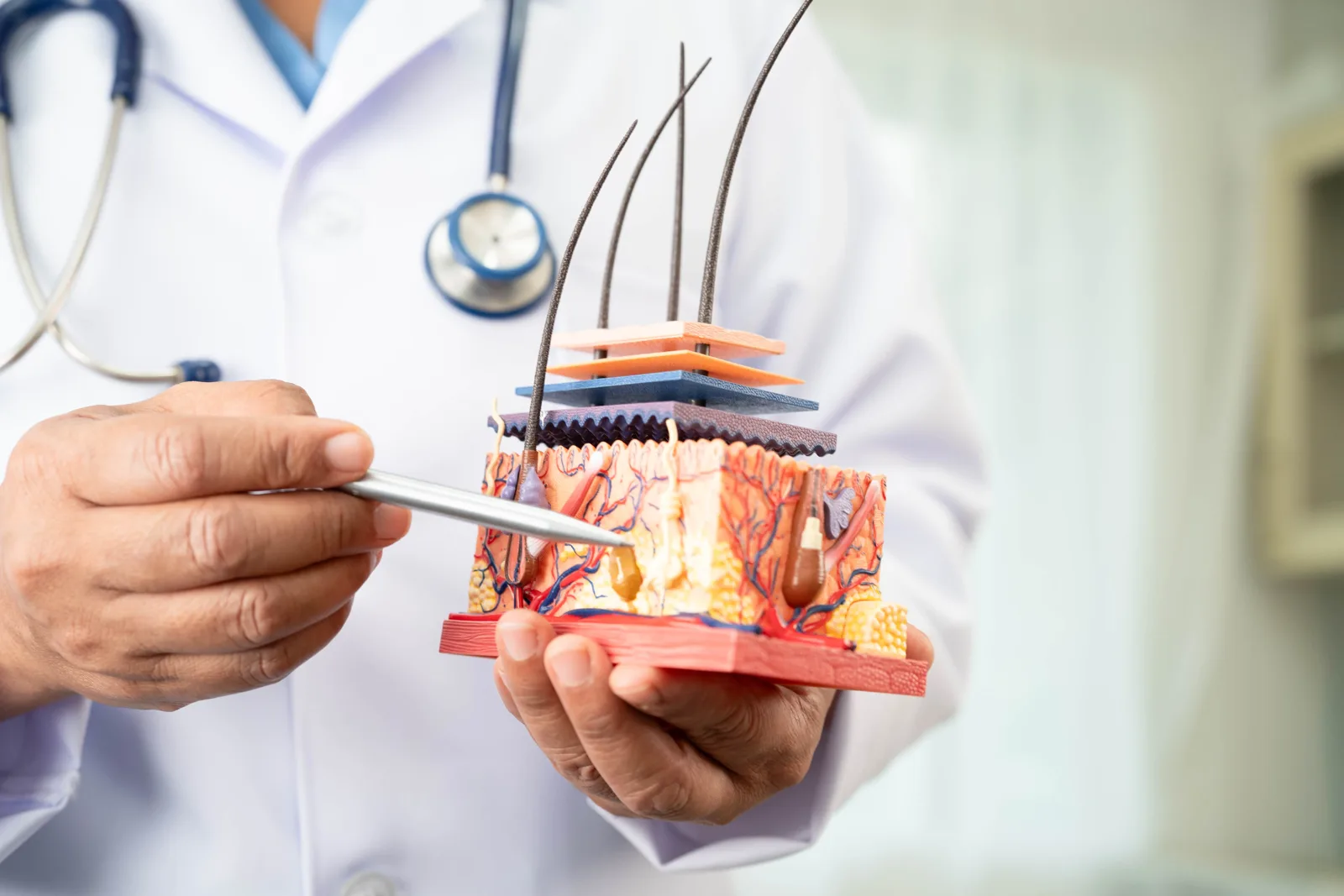
Surgical scars, whether from previous hair transplant procedures or other injuries, present unique challenges for hair restoration. Scar tissue is often denser and less vascularized than healthy tissue, which can affect the survival rates of transplanted hair follicles. The physiological properties of scar tissue differ significantly from normal skin, as it is composed of collagen fibers that are arranged in a disorganized manner. This disorganization can lead to reduced elasticity and blood flow, which are critical for the nourishment and growth of hair follicles.
Moreover, the healing process of scar tissue can vary from one individual to another, influenced by factors such as genetics, age, and overall health. Some patients may experience hypertrophic scars, which are raised and can further complicate hair transplant procedures. Understanding these nuances is essential for a successful hair transplant into scar tissue, as it allows for better planning and technique selection. The type of scar—whether it is a linear scar from a previous surgery or a more irregular scar from trauma—also plays a pivotal role in determining the viability of hair transplant techniques.
In addition to the biological challenges, aesthetic considerations must also be taken into account. The visibility and location of the scar can impact the cosmetic outcome of the hair transplant. Patients often seek restoration not only for hair loss but also to improve the appearance of scars, making it imperative that specialists like Adem Demiral possess a comprehensive understanding of both hair restoration and scar management.
Given the complexities associated with scar tissue, it is essential to adopt a cautious approach. Adem Demiral utilizes various advanced techniques, including Diamond FUE and DHI Pro, to ensure optimal results while minimizing risks. The specialized approach begins with a thorough pre-operative assessment, where the condition of the scar tissue is evaluated, and the most suitable techniques are discussed with the patient. This personalized consultation is crucial in setting realistic expectations and preparing the patient for the procedure.
In many cases, the presence of scar tissue necessitates a multi-faceted treatment plan that may include not only hair transplantation but also adjunct therapies aimed at improving the quality of the scar. For instance, pre-treatment options such as laser therapy or microneedling can enhance blood circulation and promote healing in the scar area, thereby improving the chances of successful hair follicle survival post-transplant.
Furthermore, the importance of a specialized approach extends beyond the technical aspects of the procedure. It also encompasses the emotional and psychological support that patients may require. Many individuals dealing with hair loss and scarring experience feelings of insecurity or distress. A comprehensive approach that includes patient education about the process, potential outcomes, and post-operative care can significantly enhance the overall experience and satisfaction with the results.
Before undergoing a hair transplant in scar tissue, patients should consider several factors:
Post-operative care is vital for the success of hair transplants into scar tissue. Adem Demiral recommends PRP (Platelet-Rich Plasma) therapy and stem-cell supported care to enhance healing and promote hair growth. After the transplant, patients are typically advised to follow a specific aftercare regimen to minimize the risk of complications and ensure optimal results. This may include avoiding strenuous activities, protecting the scalp from direct sunlight, and adhering to prescribed medications.
PRP therapy, which involves drawing a small amount of the patient’s blood and processing it to concentrate the platelets, is administered shortly after the transplant. The growth factors present in PRP can stimulate the hair follicles and improve the healing process, particularly in areas of scar tissue where blood supply may be compromised. This therapy can significantly enhance the overall outcome and contribute to a more robust and healthy hair regrowth.
In addition to PRP, stem-cell therapy has emerged as a promising adjunct treatment in hair restoration. Stem cells have the unique ability to differentiate into various cell types and can promote tissue regeneration. By incorporating stem-cell therapy into the post-transplant care plan, patients may experience improved healing and enhanced hair growth in the scarred areas. The combination of these advanced therapies underscores the importance of a comprehensive post-operative care approach in achieving the best possible outcomes.
PRP therapy involves using the patient’s own blood to stimulate hair follicles, which can be particularly beneficial in scarred areas. The process begins with a blood draw, followed by centrifugation to separate the platelet-rich plasma. This concentrated plasma is then injected into the scalp, targeting the areas where hair follicles have been transplanted. The growth factors in PRP can help to revitalize dormant hair follicles and create a more favorable environment for hair growth.
Additionally, the use of stem-cell therapy further enhances the healing process, providing a supportive environment for hair regrowth. Stem cells can promote angiogenesis, the formation of new blood vessels, which is crucial for delivering nutrients and oxygen to the transplanted follicles. This process is particularly important in scar tissue, where blood supply may be limited. By utilizing both PRP and stem-cell therapy, patients can maximize their chances of achieving a successful hair restoration outcome.
Furthermore, ongoing research into the efficacy of these therapies continues to reveal new insights into their potential benefits. As techniques and technologies evolve, the integration of PRP and stem-cell therapy into hair restoration practices is likely to become increasingly refined, offering patients even greater opportunities for successful outcomes.
Patients should maintain realistic expectations regarding the outcomes of hair transplants in scar tissue. While advancements in techniques have improved results, factors such as the extent of scarring and individual healing responses play a significant role. It is essential for patients to understand that while hair transplants can significantly improve the appearance of thinning or absent hair, the results may not be identical to those seen in individuals without scarring.
Additionally, the healing process can vary widely among individuals. Some patients may experience rapid hair regrowth, while others may take longer to see visible results. Factors such as age, overall health, and adherence to post-operative care instructions can all influence the timeline for hair growth. Therefore, open communication with the specialist throughout the process is crucial for managing expectations and addressing any concerns that may arise.
Moreover, it is important for patients to understand that hair restoration is a gradual process. Initial results may be subtle, but as the hair follicles continue to mature and grow, the final outcome will become more apparent over time. Setting realistic expectations not only helps patients feel more satisfied with their results but also fosters a positive mindset throughout the recovery journey.
Transplanting into scar tissue is a limited but important area of hair restoration that requires a specialized approach. With over 25 years of experience, Adem Demiral in Atasehir, Istanbul, is dedicated to providing patients with the best possible outcomes through careful planning and advanced techniques. The integration of specialized techniques, personalized care, and innovative therapies such as PRP and stem-cell therapy exemplifies a commitment to excellence in the field of hair restoration.
As the field of hair transplantation continues to evolve, the importance of addressing the unique challenges posed by scar tissue will remain a critical focus for specialists. By prioritizing patient education, individualized treatment plans, and ongoing support, practitioners can help patients navigate their hair restoration journeys with confidence and achieve the results they desire.
Transplanting hair into scar tissue can be challenging due to the density and reduced blood supply of the scar tissue, which can affect follicle survival. Additionally, the unique characteristics of scar tissue can complicate the transplantation process, necessitating a specialized approach.
Adem Demiral employs advanced techniques such as Diamond FUE, DHI Pro, and Sapphire FUE to ensure precision and minimize tissue damage. Each technique is tailored to the individual patient's needs and the specific characteristics of the scar tissue.
Yes, PRP therapy can enhance healing and promote hair growth, making it a valuable addition to post-transplant care. The growth factors in PRP play a crucial role in revitalizing hair follicles and improving overall outcomes.
Yes, but a thorough evaluation is necessary to determine the best approach based on the condition and extent of the scars. Each case is unique, and a personalized treatment plan is essential for achieving optimal results.
Recovery times can vary, but patients typically see initial healing within a few weeks, with full results taking several months. Adhering to post-operative care instructions is crucial for a smooth recovery.
During the consultation, Adem Demiral will assess your hair loss, discuss your medical history, and outline a tailored treatment plan. This process is designed to ensure that you feel informed and comfortable with the proposed approach to your hair restoration.
This article is published by Adem Demiral Hair Clinic for general information. It is not a diagnosis, a treatment plan, or a personal graft estimate. Suitability requires an in-person assessment in Atasehir.
How does the hair transplant process in Turkey work? Discover a detailed guide about hair transplant in Istanbul, recovery, clinic selection, and the premium patient experience.
Learn More
How does the recovery process after a hair transplant progress? Discover the first wash, shock loss, hair growth timeline, and the 12-month transformation in detail.
Learn More
Discover the differences between DHI and Sapphire FUE hair transplantation. A detailed comparison in terms of density, natural appearance, recovery process, and unshaven hair transplantation.
Learn More
Hair loss can become both a physical and psychological concern for many people. Today, hair transplantation stands out as one of the most effective solutions for addressing this issue.
Learn More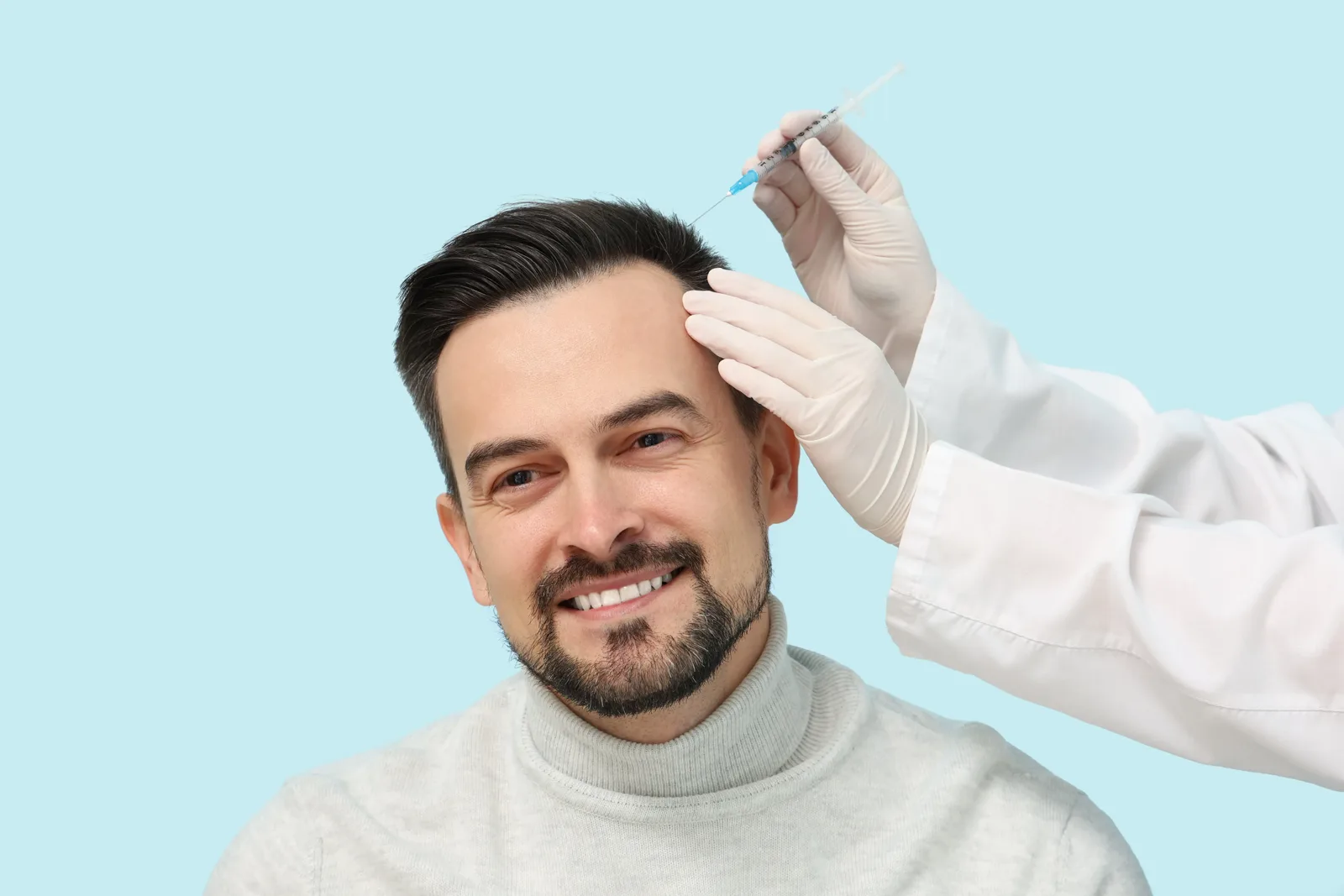
Hair loss can become both a physical and psychological challenge for many people. Today, hair transplantation stands out as one of the most effective solutions to this problem.
Learn MoreFill out the form for hair analysis, appointments, and consultation requests, or contact us directly.