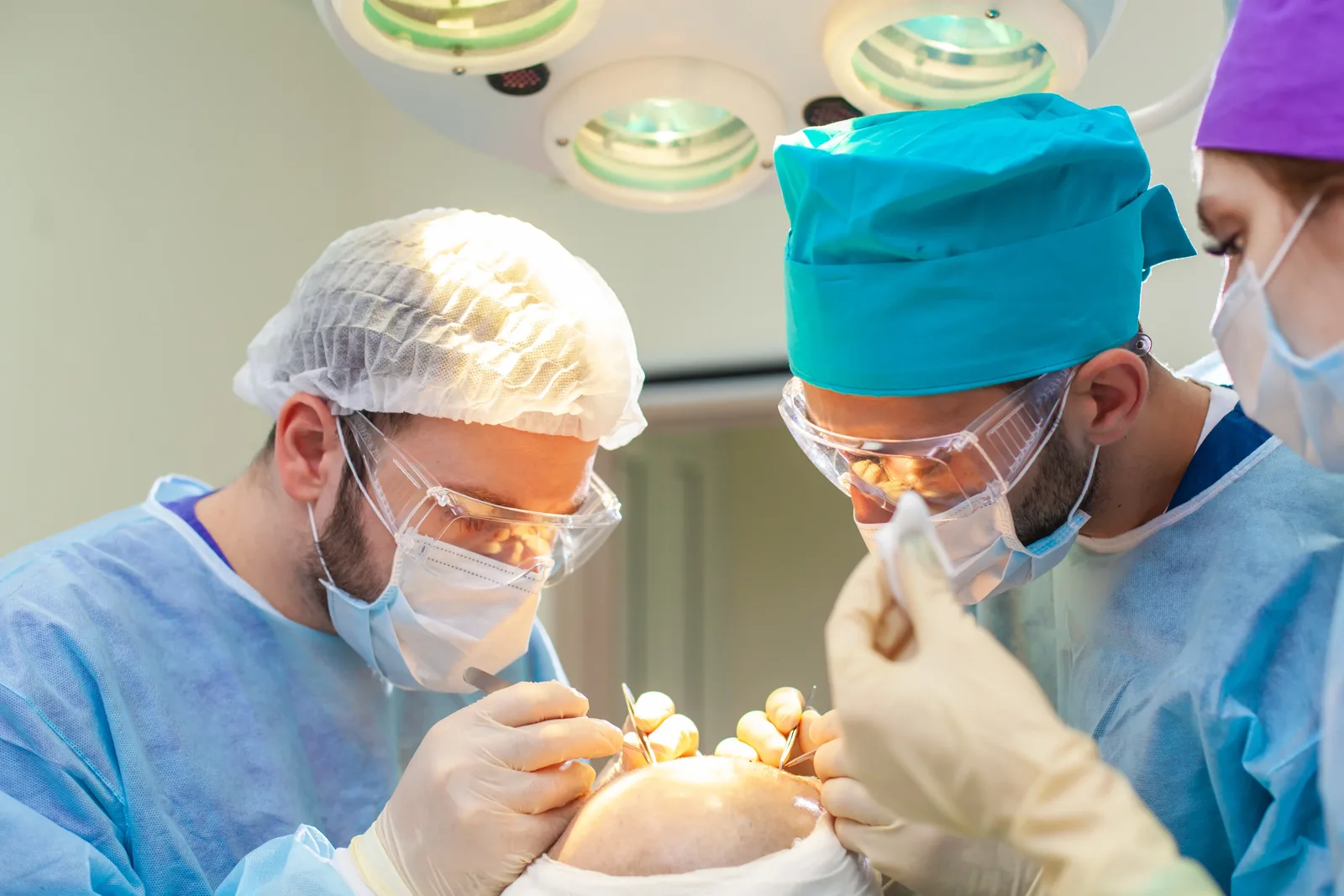
How does the hair transplant process in Turkey work? Discover a detailed guide about hair transplant in Istanbul, recovery, clinic selection, and the premium patient experience.
Learn More
Adem Demiral is a hair transplant specialist located in Atasehir, Istanbul, focusing on providing patients with advanced hair restoration techniques. Understanding the timing of flights after a hair transplant is essential for ensuring a smooth recovery process.
After undergoing a hair transplant, the body enters a recovery phase where it heals and adjusts to the new hair follicles. This period can vary from patient to patient, but it is crucial to allow adequate time for healing before engaging in activities such as air travel. During the initial days post-surgery, the scalp is particularly sensitive, and the newly transplanted follicles are in a delicate state. The healing process involves several stages, including inflammation, crusting, and eventual shedding of the transplanted hair, which can take weeks to stabilize.
The first few days after the procedure are critical. Patients may experience swelling, redness, and tenderness in the donor and recipient areas. Understanding these symptoms is vital for managing expectations and ensuring that the recovery process is smooth. It is also essential to follow the post-operative care instructions provided by your specialist, as these guidelines are designed to promote healing and reduce the risk of complications.
Moreover, the psychological aspect of recovery should not be overlooked. Many patients may feel anxious about their appearance during the healing phase, particularly if they are not aware of the typical timeline for recovery. Having realistic expectations and understanding that the final results of a hair transplant may take several months to fully manifest can help alleviate some of this anxiety.
Flying too soon after a hair transplant can lead to complications such as swelling, discomfort, and potential damage to the newly transplanted hair follicles. The cabin pressure and dry air in airplanes can exacerbate these issues, making it essential to consider the timing of your flight carefully. For instance, air travel can lead to increased pressure changes, which may affect the scalp and the delicate state of the transplanted follicles. This is particularly concerning during takeoff and landing when pressure changes are most pronounced.
Additionally, the dry air in airplane cabins can contribute to dehydration, which can hinder the healing process. Dehydration may lead to increased swelling and discomfort, further complicating recovery. It is crucial to understand that the scalp requires a stable and moist environment to heal effectively, and the conditions in an airplane may not provide this. Therefore, allowing adequate time for recovery before flying is not just a recommendation; it is a necessary precaution to ensure the best possible outcome.
Furthermore, patients should be aware of the potential for post-operative complications that can arise from premature travel. For example, if swelling occurs, it may not only cause discomfort but can also affect the positioning of the transplanted follicles. This could lead to uneven hair growth or even loss of some grafts, ultimately impacting the aesthetic results of the procedure. Therefore, meticulous planning around travel is essential for safeguarding the investment in hair restoration.
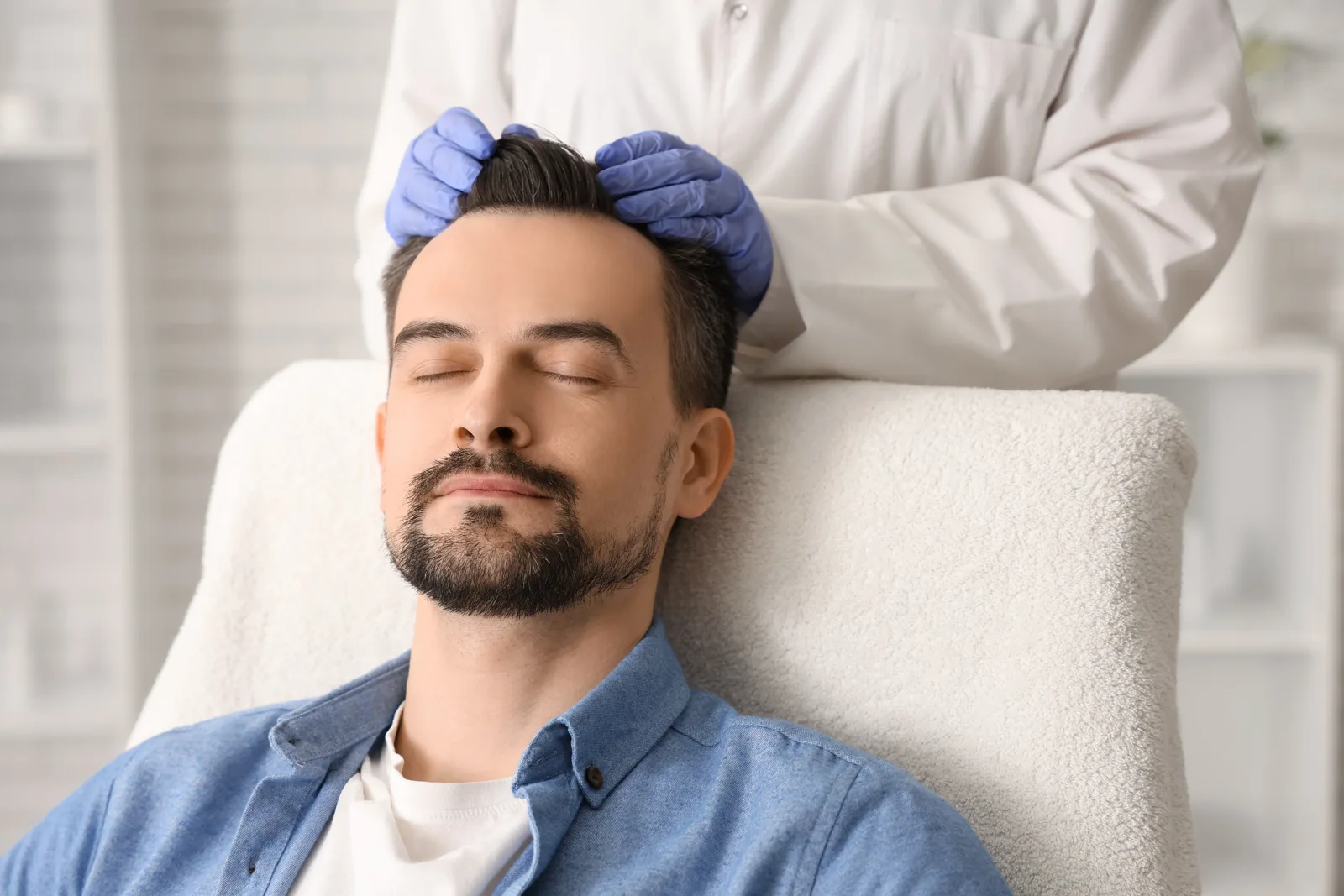
Generally, it is advisable to wait at least 7 to 10 days before flying after a hair transplant. This timeframe allows for the initial healing of the scalp and minimizes the risk of complications. However, individual recovery times may vary, and it is always best to consult with your hair transplant specialist, like Adem Demiral, for personalized advice. Factors such as the type of hair transplant procedure performed, the patient's overall health, and adherence to post-operative care can all influence recovery times.
For instance, patients who undergo minimally invasive techniques like Follicular Unit Extraction (FUE) may experience a quicker recovery compared to those who have more invasive procedures. The initial healing phase, which includes the formation of scabs and potential swelling, generally occurs within the first week. By waiting at least a week, patients can ensure that any immediate post-operative issues have been addressed before embarking on a flight.
Ultimately, the decision to fly should be made in consultation with your hair transplant specialist. They will assess your healing progress and provide tailored recommendations based on your specific situation. This personalized approach ensures that you are not only ready to travel but also that your hair transplant results are protected during the critical recovery phase.
In addition to these factors, psychological readiness should also be considered. Some patients may feel anxious about flying after surgery, which can impact their overall recovery experience. It is important to address these concerns with your specialist, who can provide reassurance and practical tips to ease any apprehension. Remember, your comfort and confidence in your recovery process are just as important as the physical healing of your scalp.
Once you have determined that you are ready to fly, there are several preparations to consider:
Additionally, consider the timing of your flight. If possible, schedule flights during times when you can rest and recuperate. Avoiding layovers and opting for direct flights can also minimize stress and physical exertion during your recovery period. If you must take a layover, ensure that you have ample time to navigate between gates and allow for rest during your travels.
Moreover, it may be beneficial to inform the airline staff of your recent surgery. They can provide assistance if needed and ensure that you have a comfortable flying experience. Being proactive about your needs can help alleviate stress and contribute to a smoother journey as you recover from your hair transplant.
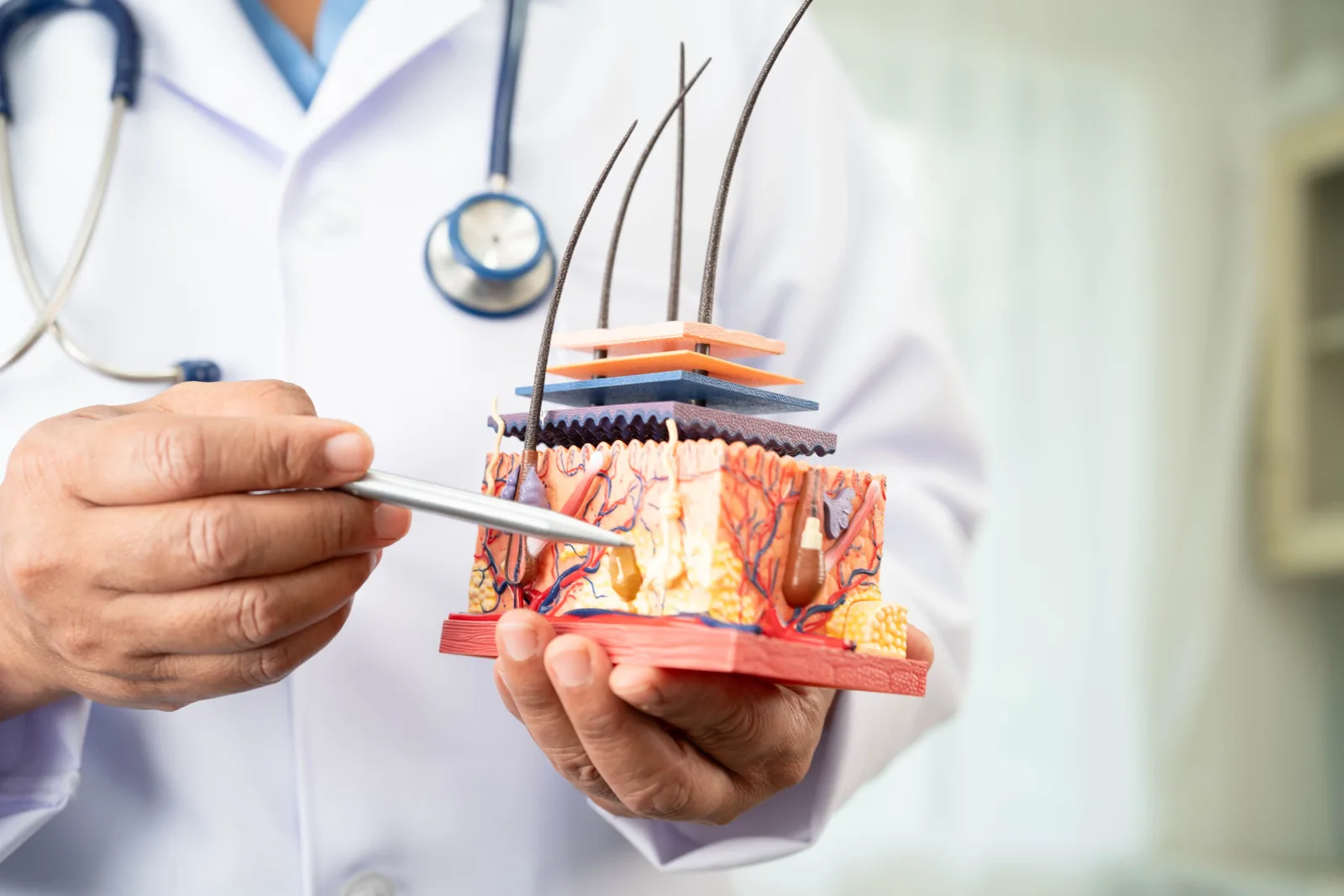
After your flight, monitor your scalp for any signs of discomfort or swelling. If you notice any unusual symptoms, contact your hair transplant specialist immediately. Following your post-operative care instructions is vital for ensuring the success of your hair transplant. This includes continuing to avoid direct sunlight on your scalp, refraining from strenuous activities, and adhering to any prescribed medication regimens.
In the days following your flight, pay close attention to your scalp's condition. It is normal to experience some swelling or redness after air travel, but these symptoms should gradually subside. If you experience excessive swelling, pain, or any signs of infection, such as discharge or fever, seek medical attention promptly. Early intervention can prevent complications that may affect your hair transplant results.
Furthermore, consider scheduling a follow-up appointment with your hair transplant specialist after your flight. This visit can help assess your healing progress, address any concerns, and provide additional guidance for the next stages of your recovery. Regular check-ins with your specialist are essential for ensuring that you are on track for optimal hair growth and overall satisfaction with your results.
Timing your flight after a hair transplant is a critical aspect of your recovery journey. By consulting with Adem Demiral, a hair transplant specialist in Atasehir, Istanbul, and following his recommendations, you can ensure a safe and successful recovery. The importance of allowing your body the necessary time to heal cannot be overstated, as it directly impacts the success of your hair restoration procedure. With careful planning and adherence to post-operative care, you can enjoy the benefits of your hair transplant while minimizing the risks associated with air travel.
It is generally recommended to wait at least 7 to 10 days before flying after a hair transplant to ensure proper healing. This timeframe allows for the initial recovery phase to take place, reducing the risk of complications.
Traveling immediately after a hair transplant is not advisable, as it can lead to complications and hinder recovery. It is essential to allow your scalp adequate time to heal before engaging in air travel.
If you must fly sooner than the recommended timeframe, consult your hair transplant specialist for personalized advice. They can assess your specific situation and provide guidance to minimize any risks associated with early travel.
Flying too soon can potentially affect your hair transplant results due to the pressure changes and dry air in the cabin. It is crucial to allow for proper healing to ensure the best possible outcome.
Stay hydrated, avoid alcohol, and follow all post-operative care instructions provided by your specialist during your travels. Maintaining proper care during your trip is essential for a successful recovery.
You can learn more about hair transplants and the services offered by Adem Demiral Hair Clinic by visiting our services page.
This article is published by Adem Demiral Hair Clinic for general information. It is not a diagnosis, a treatment plan, or a personal graft estimate. Suitability requires an in-person assessment in Atasehir.
How does the hair transplant process in Turkey work? Discover a detailed guide about hair transplant in Istanbul, recovery, clinic selection, and the premium patient experience.
Learn More
How does the recovery process after a hair transplant progress? Discover the first wash, shock loss, hair growth timeline, and the 12-month transformation in detail.
Learn More
Discover the differences between DHI and Sapphire FUE hair transplantation. A detailed comparison in terms of density, natural appearance, recovery process, and unshaven hair transplantation.
Learn More
Hair loss can become both a physical and psychological concern for many people. Today, hair transplantation stands out as one of the most effective solutions for addressing this issue.
Learn More
Hair loss can become both a physical and psychological challenge for many people. Today, hair transplantation stands out as one of the most effective solutions to this problem.
Learn MoreFill out the form for hair analysis, appointments, and consultation requests, or contact us directly.