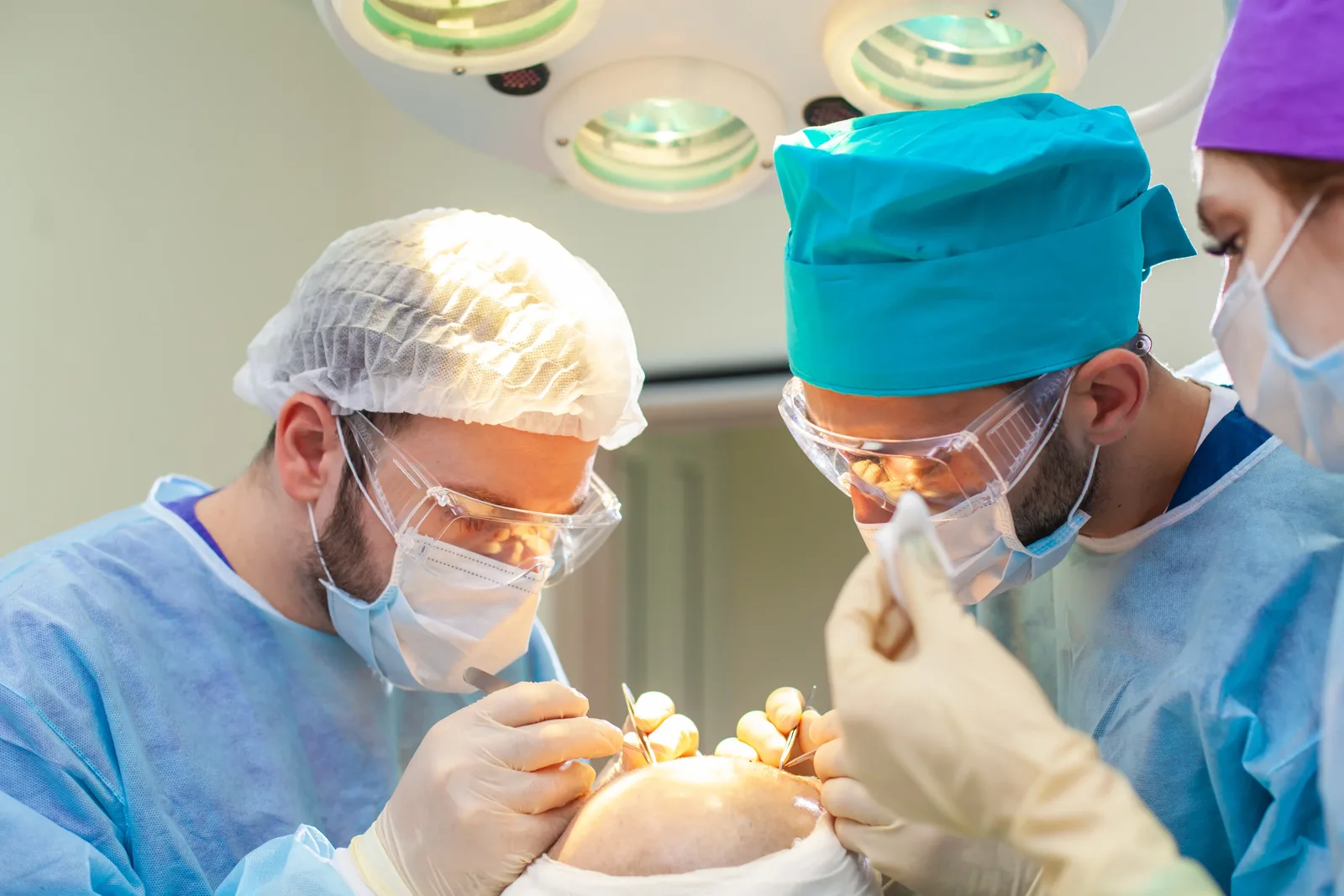
How does the hair transplant process in Turkey work? Discover a detailed guide about hair transplant in Istanbul, recovery, clinic selection, and the premium patient experience.
Learn More
Stress is a common experience that can have significant effects on our overall health, including our hair. As a hair transplant specialist, Adem Demiral in Atasehir, Istanbul, emphasizes the importance of recognizing how stress can lead to various hair loss patterns, particularly telogen effluvium. The relationship between stress and hair loss is complex and multifaceted, involving physiological responses that can disrupt normal hair growth cycles. Stress can manifest in various forms, from acute events such as job loss or bereavement to chronic stressors like ongoing workplace pressures or relationship issues. Understanding these nuances is crucial for both patients and practitioners in addressing hair loss effectively.
Moreover, the effects of stress on hair health can be exacerbated by other lifestyle factors, such as poor nutrition, lack of sleep, and insufficient exercise. These elements can create a vicious cycle where stress leads to hair loss, which in turn can increase stress levels, further compounding the issue. Thus, it is essential to adopt a holistic approach to hair health, considering not only the psychological aspects of stress but also the physical and lifestyle factors that contribute to overall well-being.
In clinical practice, it is not uncommon to see patients who are unaware of the direct link between their emotional state and hair loss. Many individuals may dismiss their hair shedding as a natural part of aging or a benign issue, failing to recognize that it can be a symptom of deeper emotional or psychological distress. This lack of awareness can delay treatment and exacerbate the problem, making education about the effects of stress on hair loss a vital component of patient care.
Telogen effluvium is a temporary hair loss condition that occurs when a significant number of hair follicles enter the telogen (resting) phase prematurely. This condition can be triggered by various factors, including physical or emotional stress, hormonal changes, and nutritional deficiencies. Unlike other forms of hair loss, telogen effluvium is typically characterized by diffuse thinning across the scalp rather than localized bald patches. This widespread shedding can be alarming for individuals who may not understand the underlying mechanisms at play.
The hair growth cycle consists of three main phases: anagen (growth), catagen (transitional), and telogen (resting). Under normal circumstances, approximately 85-90% of hair follicles are in the anagen phase, with only about 10-15% in the telogen phase at any given time. However, when the body experiences significant stress, this balance can be disrupted, leading to an increased number of follicles transitioning into the telogen phase. As a result, individuals may notice an increase in hair shedding, particularly during activities such as washing or brushing their hair.
Understanding telogen effluvium is essential for both diagnosis and treatment. While it is often a self-limiting condition, meaning that hair growth typically resumes once the triggering factors are addressed, it can still cause significant distress for those affected. Awareness of the condition can empower individuals to seek timely intervention and support, ultimately facilitating a smoother recovery process.
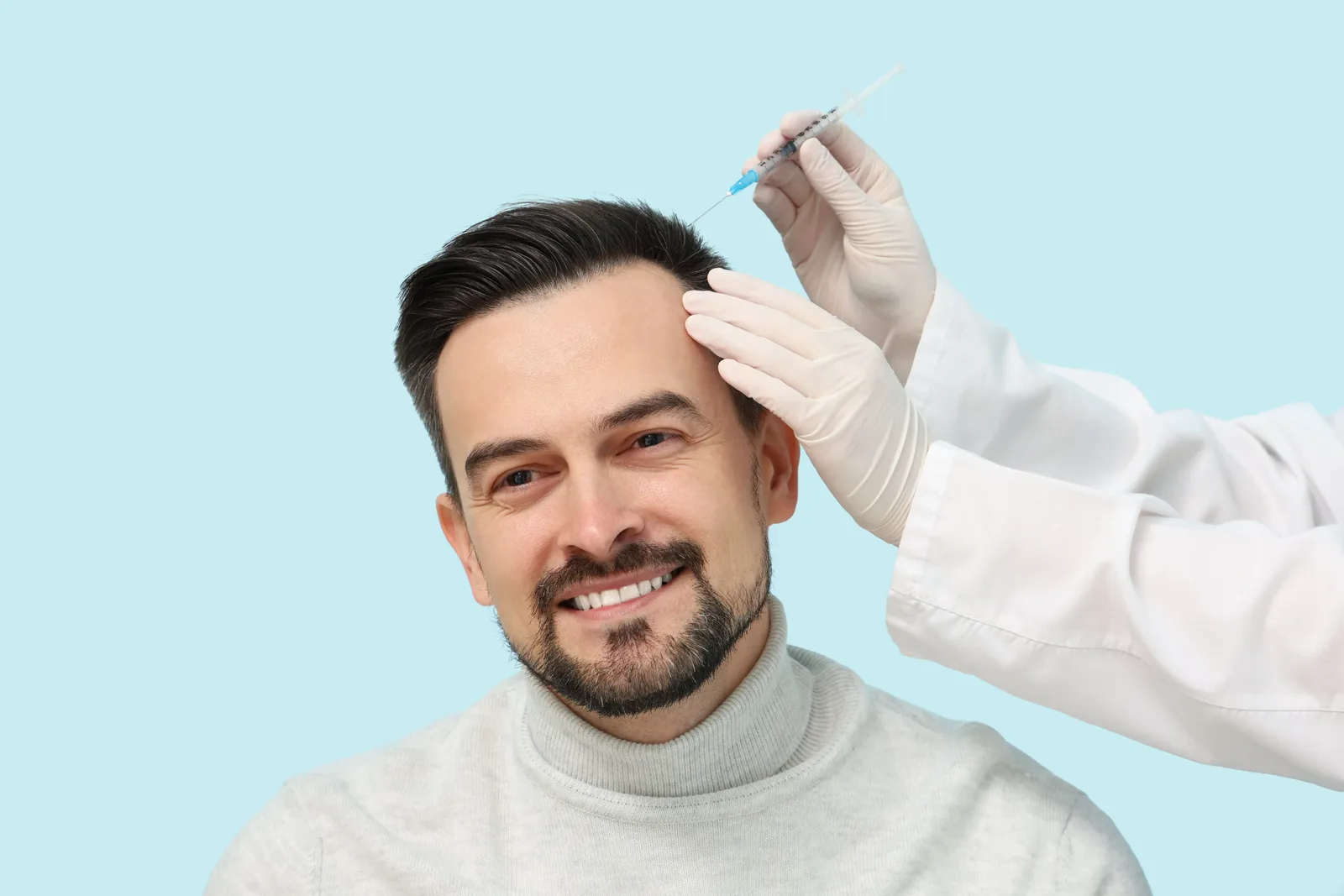
When the body undergoes stress, it can disrupt the normal hair growth cycle. Stress can cause hair follicles to shift from the anagen (growth) phase to the telogen phase, resulting in increased shedding of hair. This is particularly relevant for individuals experiencing significant life changes or emotional distress. The physiological response to stress involves the release of hormones such as cortisol, which can have a direct impact on hair follicle function. Elevated cortisol levels can lead to inflammation and altered blood flow to the scalp, further contributing to hair loss.
Moreover, the connection between stress and hair loss is not solely limited to telogen effluvium. Chronic stress can also exacerbate underlying genetic predispositions to hair loss, such as androgenetic alopecia. For individuals already susceptible to hair thinning due to genetic factors, the added stress can accelerate the progression of hair loss, leading to more pronounced thinning or baldness over time. This interplay between stress and genetic predisposition highlights the importance of a comprehensive assessment when evaluating hair loss.
Additionally, emotional stress can lead to behaviors that further contribute to hair loss, such as poor dietary choices, neglect of self-care routines, and even hair-pulling disorders like trichotillomania. These behaviors can create a feedback loop, where stress leads to hair loss, which in turn increases stress levels, perpetuating the cycle. Therefore, addressing both the psychological and behavioral aspects of stress is crucial for effective management of hair loss.
In addition to telogen effluvium, there are other hair loss patterns that can be influenced by stress:
Each of these hair loss patterns has its own set of characteristics and treatment implications. For instance, alopecia areata may require immunotherapy or corticosteroid injections to manage the autoimmune response, while androgenetic alopecia may benefit from treatments such as minoxidil or finasteride. Understanding the distinct nature of each type of hair loss is essential for developing an effective treatment plan tailored to the individual's needs.
Furthermore, recognizing the signs of different hair loss patterns can aid in early diagnosis and intervention. For example, patchy hair loss associated with alopecia areata may be more easily identifiable than the diffuse thinning characteristic of telogen effluvium. Early recognition allows for timely treatment, which can significantly improve outcomes and help individuals regain their confidence.
Identifying the symptoms of telogen effluvium and other hair loss patterns is essential for seeking appropriate treatment. Common symptoms include:
In addition to these symptoms, individuals may experience changes in hair texture or quality, such as increased brittleness or dryness. These changes can be indicative of underlying nutritional deficiencies or hormonal imbalances exacerbated by stress. It is crucial for individuals experiencing these symptoms to monitor their hair health closely and seek professional evaluation when necessary.
Moreover, emotional responses to hair loss can vary significantly among individuals. For some, the experience may lead to feelings of anxiety, depression, or low self-esteem, further compounding the stress experienced. Recognizing the emotional impact of hair loss is an important aspect of treatment, as addressing psychological well-being can play a significant role in recovery. Support groups, counseling, or therapy may be beneficial for individuals struggling with the emotional toll of hair loss.

Diagnosing hair loss conditions typically involves a thorough evaluation by a specialist. At Adem Demiral Hair Clinic in Atasehir, Istanbul, we utilize advanced techniques such as:
Through these diagnostic methods, we can identify the specific type of hair loss and tailor treatment options accordingly. For telogen effluvium, addressing the root cause of stress and improving overall health can lead to recovery. This may involve lifestyle modifications, stress management techniques, and nutritional support to restore hair growth.
In some cases, hair transplant techniques such as Diamond FUE or DHI Pro may be considered for more permanent solutions, particularly for individuals experiencing androgenetic alopecia or significant hair thinning. These advanced procedures involve harvesting healthy hair follicles from donor areas and transplanting them to thinning or balding areas of the scalp. The results can be remarkably natural-looking and can significantly enhance an individual's confidence and quality of life.
It is important to note that treatment options should be personalized based on the individual's unique circumstances, including the type of hair loss, overall health, and personal preferences. Ongoing communication between the patient and the specialist is essential for monitoring progress and adjusting treatment plans as necessary.
While not all hair loss can be prevented, there are steps individuals can take to minimize the risk of stress-related hair loss:
In addition to these preventive measures, individuals should be mindful of their hair care routines. Avoiding harsh chemicals, minimizing heat styling, and opting for gentle hair care products can help maintain hair health and reduce the risk of damage. Regular scalp massages can also promote circulation and encourage healthy hair growth.
Furthermore, seeking professional guidance for hair care can be beneficial. Specialists can provide tailored recommendations based on individual hair types and conditions, ensuring that individuals are using the most effective products and techniques for their specific needs. By adopting a proactive approach to hair health, individuals can better protect themselves against stress-related hair loss.
Understanding the relationship between stress, telogen effluvium, and other hair loss patterns is crucial for effective management. If you are experiencing hair loss, consult with Adem Demiral, a hair transplant specialist in Atasehir, Istanbul, to explore your options and receive personalized care. Early intervention can make a significant difference in recovery outcomes, and a comprehensive approach that addresses both the physiological and psychological aspects of hair loss is essential for long-term success.
In conclusion, the interplay between stress and hair loss is a significant concern for many individuals. By raising awareness about the various factors contributing to hair loss, we can empower individuals to take control of their hair health and seek appropriate treatment. Understanding the symptoms, diagnosis, and treatment options available can foster a more informed and proactive approach to managing hair loss, ultimately leading to improved outcomes and enhanced quality of life.
The primary cause of telogen effluvium is often stress, which can trigger hair follicles to enter the resting phase prematurely. Other contributing factors may include hormonal changes, nutritional deficiencies, and certain medications.
Yes, hair loss from telogen effluvium is usually temporary and can be reversed by addressing the underlying cause of stress. With proper management and care, hair growth typically resumes within a few months.
Telogen effluvium typically lasts for several months, but hair growth usually resumes once the triggering factors are resolved. In some cases, it may take up to six months for noticeable regrowth to occur.
Treatments may include stress management techniques, dietary changes, and in some cases, hair restoration procedures offered by specialists like Adem Demiral. Personalized care is essential for achieving the best results.
No, hair transplant suitability depends on the type and cause of hair loss, which should be evaluated by a specialist. Factors such as the extent of hair loss and overall health will influence the decision.
If you notice sudden hair loss, it is advisable to consult a hair transplant specialist to determine the cause and appropriate treatment options. Early intervention can significantly improve outcomes and help you regain your confidence.
This article is published by Adem Demiral Hair Clinic for general information. It is not a diagnosis, a treatment plan, or a personal graft estimate. Suitability requires an in-person assessment in Atasehir.
How does the hair transplant process in Turkey work? Discover a detailed guide about hair transplant in Istanbul, recovery, clinic selection, and the premium patient experience.
Learn More
How does the recovery process after a hair transplant progress? Discover the first wash, shock loss, hair growth timeline, and the 12-month transformation in detail.
Learn More
Discover the differences between DHI and Sapphire FUE hair transplantation. A detailed comparison in terms of density, natural appearance, recovery process, and unshaven hair transplantation.
Learn More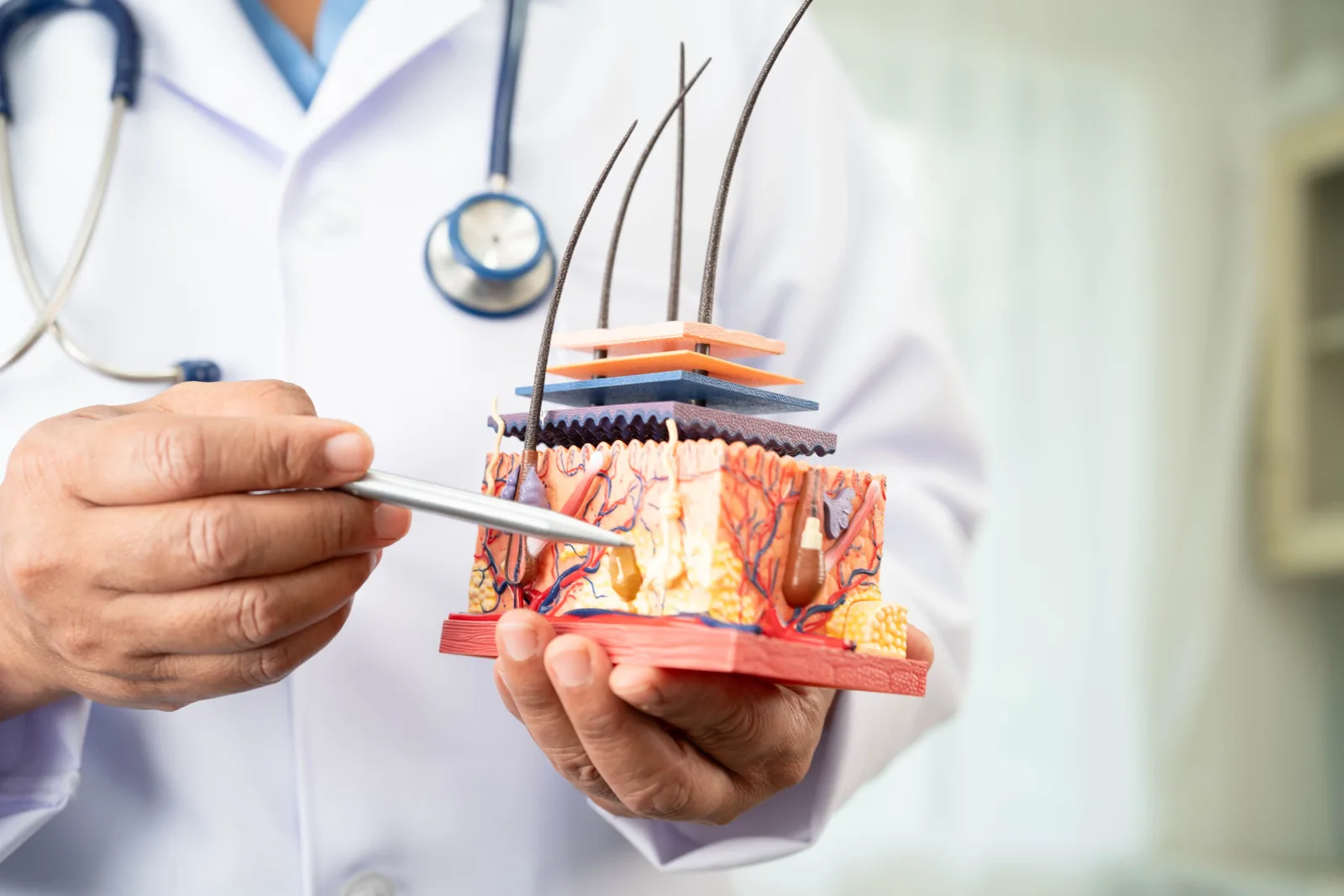
Hair loss can become both a physical and psychological concern for many people. Today, hair transplantation stands out as one of the most effective solutions for addressing this issue.
Learn More
Hair loss can become both a physical and psychological challenge for many people. Today, hair transplantation stands out as one of the most effective solutions to this problem.
Learn MoreFill out the form for hair analysis, appointments, and consultation requests, or contact us directly.