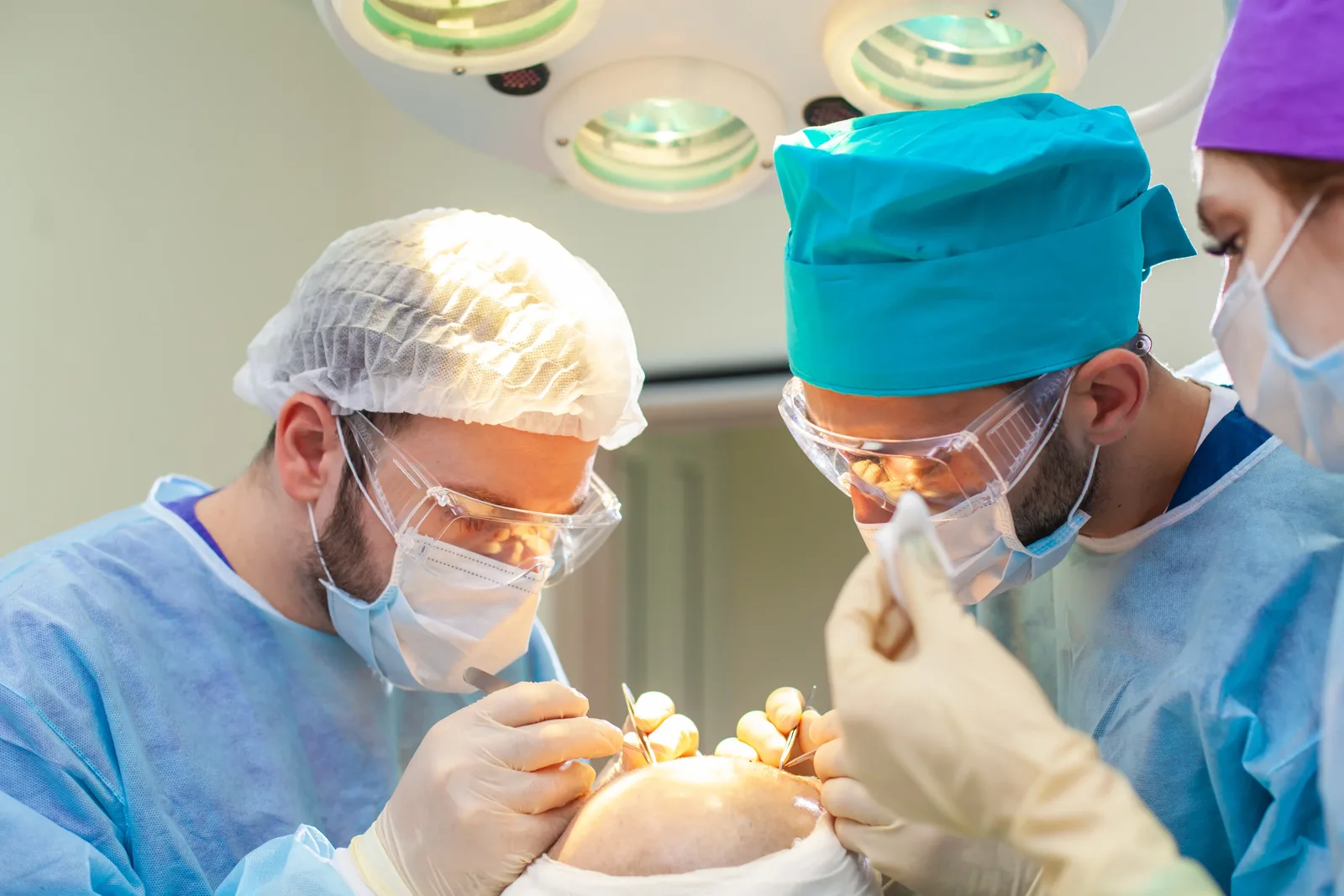
How does the hair transplant process in Turkey work? Discover a detailed guide about hair transplant in Istanbul, recovery, clinic selection, and the premium patient experience.
Learn More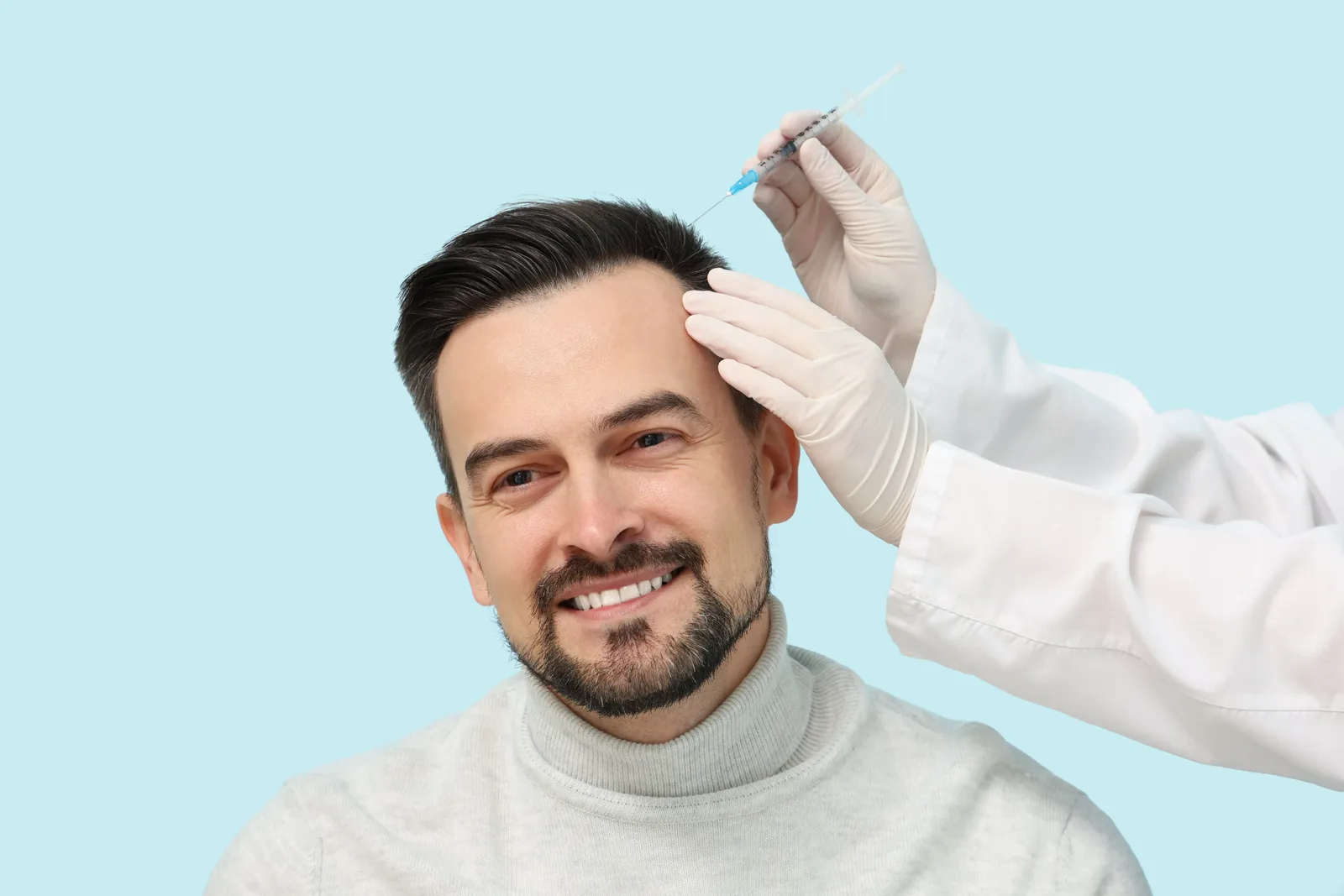
Stem-cell supported hair treatment is a cutting-edge approach designed to enhance the effectiveness of hair restoration procedures. At Adem Demiral Hair Clinic, located in Atasehir, Istanbul, our hair transplant specialist, Adem Demiral, integrates stem-cell therapy into treatment plans to promote hair growth and improve overall scalp health.
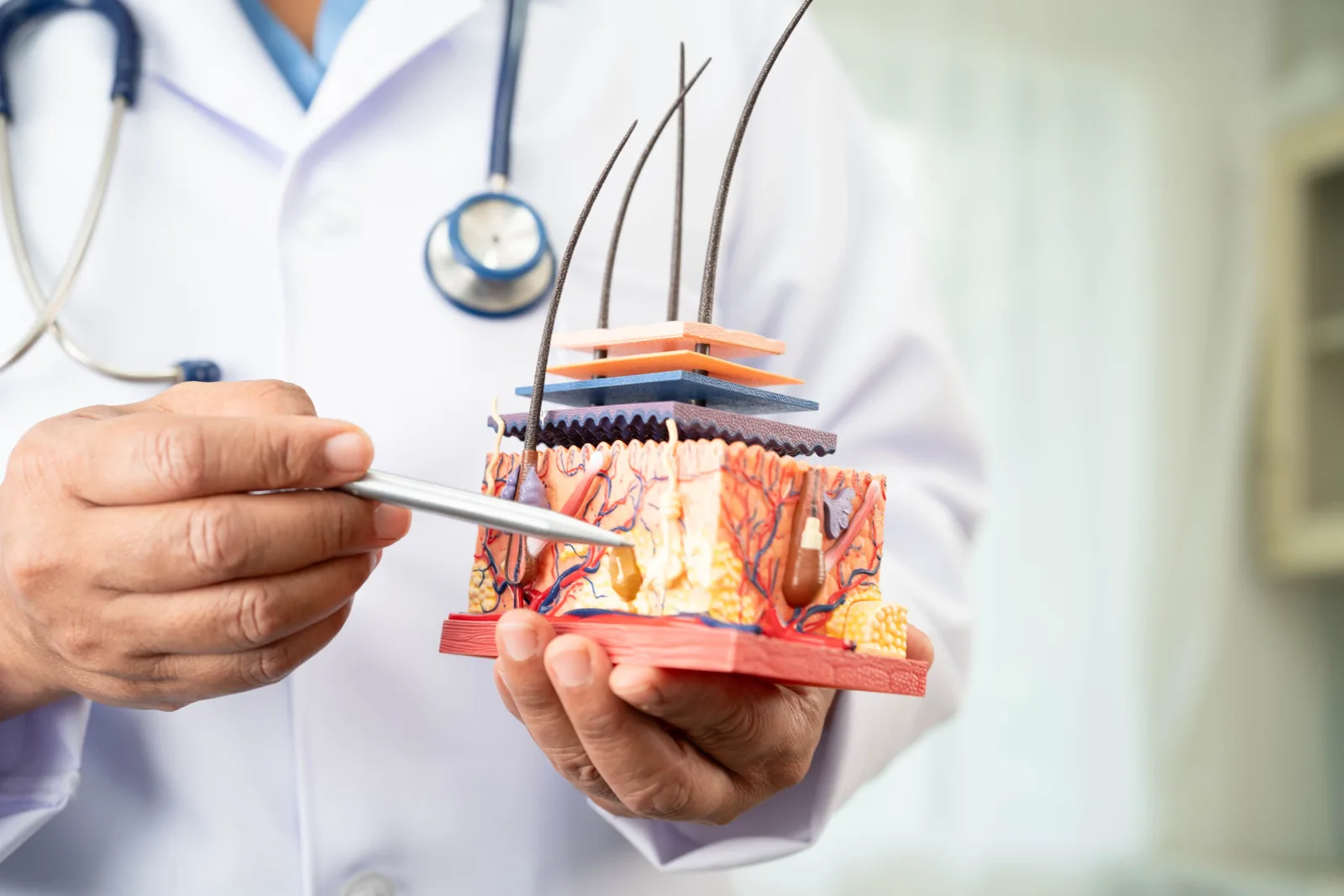
Stem cells are unique cells capable of developing into various types of cells in the body. In the context of hair restoration, these cells can stimulate the hair follicles, encouraging new hair growth and improving the health of existing hair. This innovative technique is increasingly recognized as a supportive option in conjunction with traditional hair transplant methods.
Stem cells can be classified into two main types: embryonic stem cells and adult stem cells. For hair restoration, adult stem cells, particularly those derived from adipose (fat) tissue or bone marrow, are most commonly used. These cells possess the ability to differentiate into various cell types, including those that make up hair follicles. Their regenerative properties are harnessed to promote healing and growth in areas of the scalp affected by hair loss.
Research has shown that stem cells can release growth factors and cytokines that play a crucial role in cellular communication and regeneration. By injecting these cells into the scalp, we can create an environment conducive to hair follicle activation and proliferation. This process not only aids in the growth of new hair but also improves the overall health of the scalp, making it more resilient against further hair loss.
Stem-cell therapy works by utilizing the regenerative properties of stem cells to enhance the results of hair restoration treatments. When combined with techniques such as Diamond FUE or DHI Pro, stem cells can help rejuvenate hair follicles, leading to improved hair density and quality. This supportive treatment can be particularly beneficial for individuals experiencing thinning hair or early stages of hair loss.
The integration of stem-cell therapy into hair restoration procedures allows for a multi-faceted approach to treating hair loss. By addressing both the symptoms and underlying causes of hair thinning, we can achieve more sustainable results. For instance, while traditional hair transplants focus on relocating hair follicles from donor areas to balding regions, stem-cell therapy enhances the viability of these transplanted follicles, ensuring they thrive in their new environment.
Moreover, stem-cell therapy can be particularly advantageous for patients who may not be ideal candidates for traditional hair transplants due to insufficient donor hair or poor scalp conditions. By revitalizing existing hair follicles and stimulating new growth, stem-cell therapy offers hope for individuals who might otherwise face limited options in their hair restoration journey.
One of the primary benefits of stem-cell supported hair treatment is its ability to enhance hair growth significantly. By activating dormant hair follicles, stem cells can lead to a more robust hair growth response compared to traditional treatments alone. This is especially beneficial for patients in the early stages of hair loss, where timely intervention can prevent further progression and promote fuller hair coverage.
Additionally, improved scalp health is a crucial advantage of this treatment. Stem cells help to increase blood circulation in the scalp, which is essential for delivering nutrients and oxygen to hair follicles. A healthy scalp environment is vital for maintaining hair health and preventing future hair loss. Furthermore, stem-cell therapy can also reduce inflammation and promote healing, making it a valuable adjunct to other hair restoration procedures.
Another significant benefit is the minimization of hair loss. For individuals who are experiencing progressive thinning, stem-cell therapy can act as a preventative measure. By preserving existing hair and stimulating new growth, patients can enjoy a more youthful appearance and increased confidence. The non-invasive nature of this treatment also makes it appealing, as it typically involves minimal downtime and discomfort, allowing patients to return to their daily activities quickly.
The administration of stem-cell supported hair treatment typically involves a few steps:
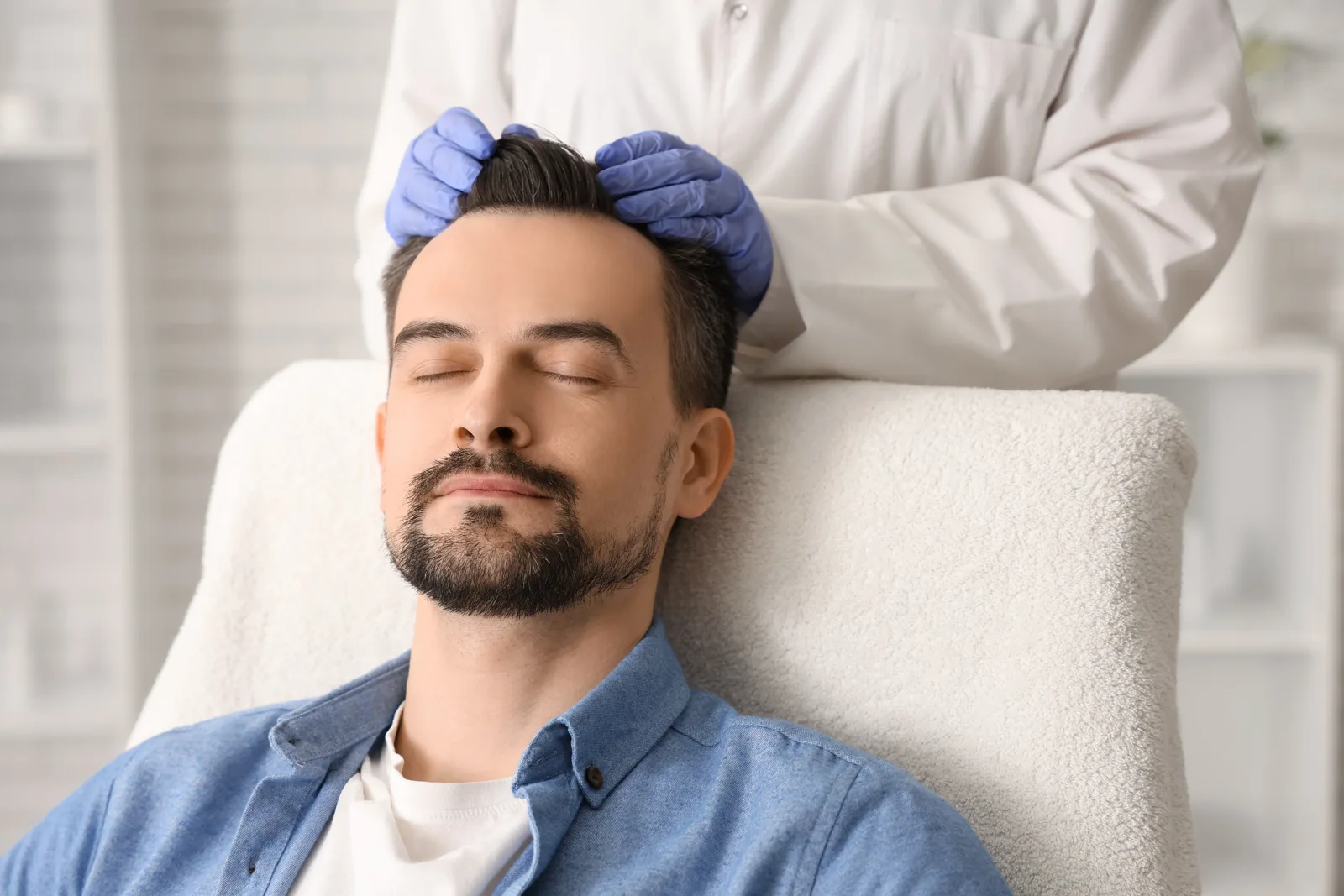
The initial consultation is critical, as it allows the specialist to assess the patient’s unique hair loss situation and determine the most appropriate treatment plan. During this phase, patients will discuss their medical history, hair loss patterns, and aesthetic goals. This comprehensive approach ensures that the treatment is tailored to meet individual needs, maximizing the likelihood of success.
During the preparation stage, stem cells are typically harvested using a minimally invasive procedure. This can involve liposuction to obtain adipose-derived stem cells or a simple blood draw for platelet-rich plasma (PRP) extraction. The collected cells are then processed in a laboratory setting to isolate the stem cells before being prepared for injection. This step is crucial, as the quality and viability of the stem cells can significantly influence treatment outcomes.
Once the stem cells are prepared, they are injected into the scalp using a fine needle. The injections are strategically placed in areas where hair growth is desired, ensuring optimal coverage and stimulation of hair follicles. After the procedure, patients will have follow-up appointments to monitor their progress, assess hair growth, and make any necessary adjustments to the treatment plan. This ongoing support is essential for achieving the best possible results.
Stem-cell supported hair treatment is suitable for individuals experiencing various degrees of hair loss. Those who have undergone traditional hair transplant procedures may also benefit from this treatment as a complementary option. However, a comprehensive evaluation by our specialist, Adem Demiral, is essential to determine the best approach for each individual.
Ideal candidates for stem-cell therapy include those with androgenetic alopecia (male or female pattern baldness), alopecia areata, or other forms of hair loss that have not responded well to conventional treatments. Additionally, younger patients in the early stages of hair loss may find this treatment particularly beneficial, as it can help preserve existing hair and stimulate new growth before significant thinning occurs.
However, not everyone is a suitable candidate for stem-cell supported hair treatment. Patients with certain medical conditions, such as autoimmune disorders or those on immunosuppressive medications, may need to be evaluated carefully. Additionally, individuals with unrealistic expectations regarding the outcomes of treatment may not be ideal candidates. A thorough consultation will help determine whether this innovative approach aligns with the patient's goals and health status.
After undergoing stem-cell supported hair treatment, patients are advised to follow specific aftercare instructions to maximize results. This may include avoiding strenuous activities, protecting the scalp from sun exposure, and adhering to any prescribed topical treatments. Regular follow-up visits to Adem Demiral Hair Clinic in Atasehir, Istanbul, will help ensure optimal recovery and hair growth.
Post-treatment care is crucial for the success of the procedure. Patients are typically advised to avoid washing their hair for at least 24 to 48 hours following the injections to allow the stem cells to settle and begin their regenerative work. Additionally, it is essential to refrain from using hair products that could irritate the scalp, such as dyes or harsh chemicals, for a specified period.
Patients may also be instructed to follow a specific skincare regimen to promote healing and support hair growth. This can include the use of specialized shampoos, conditioners, or topical treatments that contain growth factors or other beneficial ingredients. Staying hydrated and maintaining a balanced diet rich in vitamins and minerals can further enhance the healing process and support hair health.
Stem-cell supported hair treatment represents an innovative and effective option for those seeking to enhance their hair restoration results. By integrating this therapy with traditional methods, Adem Demiral, a hair transplant specialist in Atasehir, Istanbul, provides patients with a comprehensive approach to hair health. For more information about our services, visit our services page, or schedule a consultation through our contact page.
As the field of hair restoration continues to evolve, stem-cell therapy stands out as a promising avenue for those looking to combat hair loss. The combination of advanced techniques, personalized treatment plans, and ongoing support ensures that patients receive the best possible care tailored to their individual needs. With the right approach and commitment to post-treatment care, many patients can achieve significant improvements in hair density, quality, and overall scalp health.
Stem-cell supported hair treatment is a procedure that utilizes the regenerative properties of stem cells to enhance hair growth and improve scalp health.
The treatment involves harvesting stem cells from the patient, which are then injected into the scalp to stimulate hair follicles and promote growth.
Individuals experiencing hair thinning or loss, as well as those who have had traditional hair transplants, may benefit from stem-cell supported hair treatment.
The procedure is minimally invasive and typically involves only mild discomfort, which can be managed with local anesthesia.
Results can vary, but many patients begin to notice improvements in hair growth within a few months after treatment.
Yes, stem-cell therapy can complement traditional hair transplant methods, enhancing overall results and hair density.
This article is published by Adem Demiral Hair Clinic for general information. It is not a diagnosis, a treatment plan, or a personal graft estimate. Suitability requires an in-person assessment in Atasehir.
How does the hair transplant process in Turkey work? Discover a detailed guide about hair transplant in Istanbul, recovery, clinic selection, and the premium patient experience.
Learn More
How does the recovery process after a hair transplant progress? Discover the first wash, shock loss, hair growth timeline, and the 12-month transformation in detail.
Learn More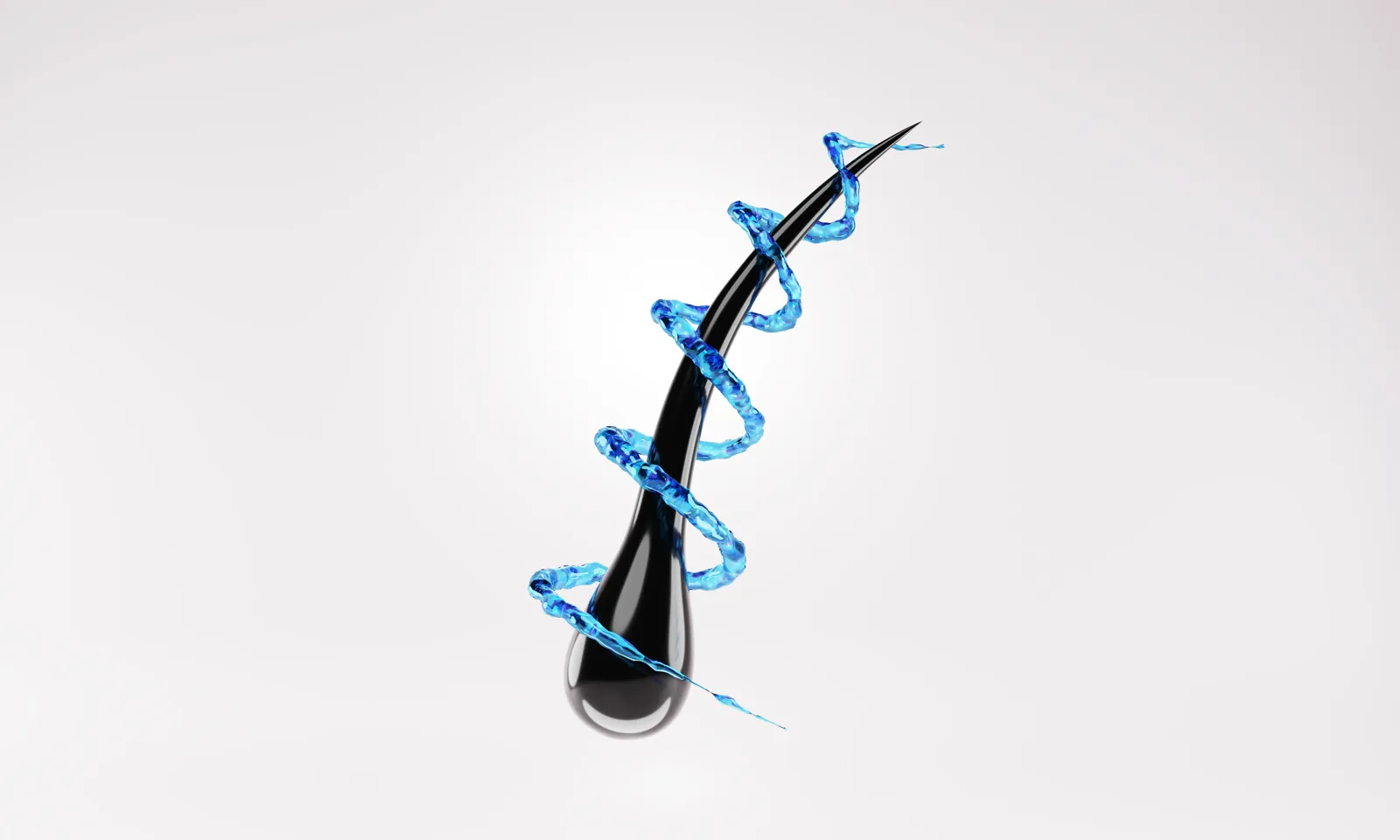
Discover the differences between DHI and Sapphire FUE hair transplantation. A detailed comparison in terms of density, natural appearance, recovery process, and unshaven hair transplantation.
Learn More
Hair loss can become both a physical and psychological concern for many people. Today, hair transplantation stands out as one of the most effective solutions for addressing this issue.
Learn More
Hair loss can become both a physical and psychological challenge for many people. Today, hair transplantation stands out as one of the most effective solutions to this problem.
Learn MoreFill out the form for hair analysis, appointments, and consultation requests, or contact us directly.