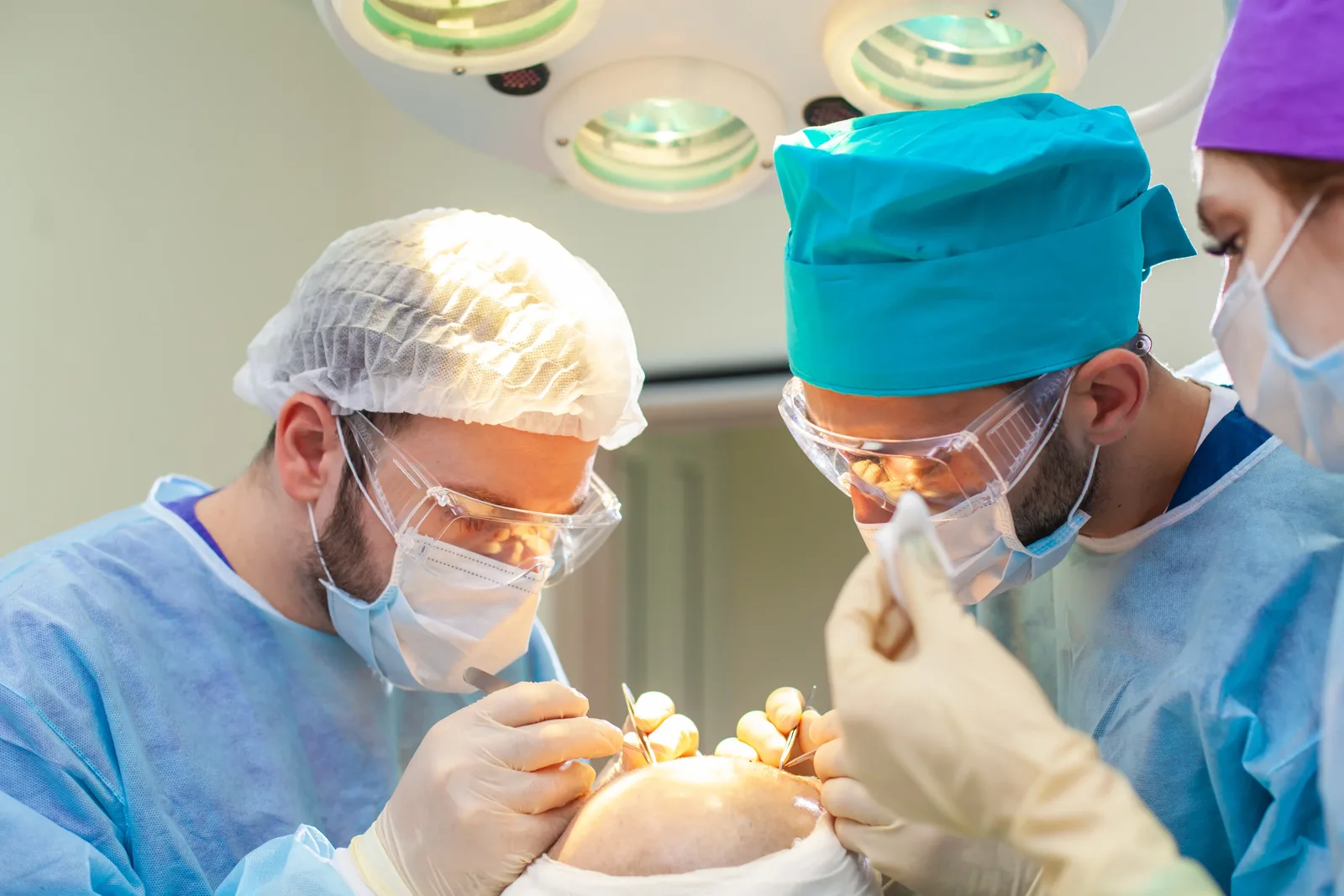
How does the hair transplant process in Turkey work? Discover a detailed guide about hair transplant in Istanbul, recovery, clinic selection, and the premium patient experience.
Learn More
Smoking is known to have various adverse effects on health, and its impact on the healing process after a hair transplant is particularly significant. Adem Demiral, a hair transplant specialist based in Atasehir, Istanbul, emphasizes the importance of understanding these effects for a successful recovery.
After a hair transplant, the body undergoes a natural healing process that is crucial for the success of the procedure. The transplanted hair follicles need a stable environment to thrive, and any factors that disrupt this environment can hinder recovery. Smoking introduces harmful substances into the body, which can impede blood circulation and slow down the healing process. This healing phase typically involves several stages, including inflammation, proliferation, and maturation, each requiring optimal conditions to ensure the transplanted follicles can establish themselves.
The inflammation stage occurs immediately after the procedure, where the body initiates a response to repair the scalp. During this phase, blood vessels dilate to increase blood flow, which is essential for delivering nutrients and oxygen to the affected area. If smoking is present, the constriction of blood vessels caused by nicotine can significantly impede this process, leading to prolonged inflammation and discomfort. Following this, the proliferation phase involves the growth of new cells and tissues around the transplanted follicles. Adequate oxygen and nutrient supply are crucial in this phase, and smoking can hinder this by reducing overall blood circulation.
The final maturation phase can take several months, during which the hair follicles begin to grow and integrate into their new environment. This phase is critical for the long-term success of the transplant, and any disruption during the earlier stages can lead to suboptimal results. Therefore, understanding the healing process and the potential impediments posed by smoking is vital for anyone considering a hair transplant.
One of the primary concerns regarding smoking and hair transplant healing is its negative effect on blood circulation. Nicotine constricts blood vessels, reducing blood flow to the scalp. This reduced circulation can lead to insufficient oxygen and nutrient delivery to the transplanted follicles, ultimately affecting their survival and growth. The importance of blood flow cannot be overstated; it plays a pivotal role in the healing process, as it is responsible for transporting essential nutrients that support cellular repair and regeneration.
Moreover, smoking also introduces carbon monoxide into the bloodstream, which binds to hemoglobin more effectively than oxygen. This binding reduces the overall oxygen-carrying capacity of the blood, further exacerbating the problem of nutrient delivery to the scalp. Insufficient oxygen levels can lead to a condition known as hypoxia, which can severely impair the healing process and increase the likelihood of graft failure. Studies have shown that patients who smoke may experience slower hair growth and a higher percentage of transplanted follicles that do not survive compared to non-smokers.
Additionally, the toxins found in cigarette smoke can lead to systemic inflammation, which can further compromise blood circulation. Inflammation can cause additional complications, including increased pain and discomfort during the recovery phase. For individuals undergoing a hair transplant, these factors underscore the critical need to avoid smoking to ensure optimal blood flow and healing conditions.
Smoking can also increase the risk of complications during the healing process. Patients who smoke are more likely to experience infections, delayed wound healing, and poor aesthetic outcomes. Adem Demiral advises patients to refrain from smoking before and after the procedure to minimize these risks. The introduction of harmful chemicals from cigarettes can lead to a higher likelihood of infections, as these substances can compromise the immune system and reduce its ability to fight off pathogens.
Infections can manifest as redness, swelling, and discharge at the transplant site, which can not only cause discomfort but also lead to graft loss. Furthermore, smoking can prolong the healing time, leading to increased scabbing and crusting, which can affect the aesthetic appearance of the scalp. This is particularly concerning for patients who are seeking a hair transplant to improve their appearance, as visible complications can lead to dissatisfaction with the results.
Delayed wound healing is another significant risk associated with smoking. The healing process is a complex interplay of cellular activities, and any disruption can lead to complications. Smokers may find that their wounds take longer to heal, leading to increased downtime and a longer recovery period. This can be frustrating for patients who are eager to see the results of their hair transplant. Adem Demiral emphasizes that by avoiding smoking, patients can significantly reduce these risks and enhance their overall recovery experience.
Each of these steps is crucial in preparing for a hair transplant. By actively engaging in the process of quitting smoking, patients can significantly enhance their chances of achieving the desired results from their procedure. It is important to recognize that the commitment to quitting smoking not only benefits the hair transplant recovery but also contributes to overall health and well-being.
In addition to quitting smoking, adopting a healthy lifestyle can significantly enhance the healing process. Staying hydrated, eating a balanced diet rich in vitamins and minerals, and avoiding alcohol can help support the body’s recovery mechanisms. Adem Demiral emphasizes that following post-operative care instructions is vital for achieving optimal results. Proper hydration is essential, as it helps maintain blood volume and supports cellular functions that are critical during the healing phase.
A balanced diet is equally important; nutrients such as protein, vitamin C, and zinc play a crucial role in tissue repair and hair follicle health. Foods rich in antioxidants can also help combat oxidative stress, which can be exacerbated by smoking. Incorporating fruits, vegetables, lean proteins, and healthy fats into your diet can provide the necessary building blocks for recovery.
Avoiding alcohol is also advisable, as it can interfere with the body’s healing processes and may exacerbate inflammation. Alcohol consumption can lead to dehydration and negatively affect sleep quality, both of which are important for recovery. By making these lifestyle changes, patients can create an optimal environment for their hair transplant to succeed and ensure a smoother recovery process.
Even after the healing process is complete, smoking can continue to affect hair health. Studies have shown that smokers may experience more significant hair loss over time compared to non-smokers. This long-term impact underscores the importance of considering smoking cessation not just for the immediate recovery but for overall hair health. The toxins in cigarette smoke can lead to inflammation and damage to hair follicles, which can contribute to thinning hair and premature hair loss.
Furthermore, smoking can disrupt the hormonal balance in the body, potentially leading to conditions such as androgenetic alopecia, which is characterized by hair thinning and loss. The cumulative effects of smoking on hair health can be profound, leading to a cycle of hair loss that can be difficult to reverse. For individuals who have undergone a hair transplant, continuing to smoke can undermine the success of the procedure and negate the benefits achieved.
Recognizing the long-term consequences of smoking on hair health is crucial for anyone considering a hair transplant. By choosing to quit smoking, individuals can not only improve their chances of a successful recovery but also enhance their overall hair health in the years to come. This holistic approach to health and wellness can lead to more sustainable results and a greater sense of well-being.
In conclusion, smoking can have detrimental effects on the healing process after a hair transplant. At Adem Demiral Hair Clinic in Atasehir, Istanbul, patients are encouraged to prioritize their health by quitting smoking and adopting a healthier lifestyle. By doing so, they can enhance their recovery and achieve the best possible results from their hair transplant. The commitment to smoking cessation is not just a temporary measure; it is a long-term investment in health that can yield significant benefits for both hair restoration and overall well-being.
Smoking constricts blood vessels, reducing circulation to the scalp, which can hinder the healing process and affect the success of the transplant. This reduced blood flow can lead to insufficient oxygen and nutrients reaching the transplanted follicles, increasing the risk of graft failure.
It is recommended to quit smoking at least two weeks before and after the hair transplant for optimal healing. This timeframe allows the body to begin repairing itself and improves blood circulation, essential for the success of the transplant.
Consult with Adem Demiral before using nicotine replacement therapies to ensure they do not interfere with your recovery. While nicotine patches can help manage cravings, it is essential to discuss their use in the context of your specific recovery plan.
Smoking increases the risk of complications such as infections, delayed healing, and poor aesthetic outcomes. These risks can significantly impact the success of the transplant and the overall satisfaction with the results.
Yes, long-term smoking can lead to increased hair loss and negatively impact overall hair health. The toxins in cigarette smoke can damage hair follicles and contribute to conditions that exacerbate hair thinning.
A healthy diet, hydration, and avoiding alcohol can support the healing process and enhance recovery. These lifestyle changes create an optimal environment for the transplanted hair follicles to thrive and improve overall health.
This article is published by Adem Demiral Hair Clinic for general information. It is not a diagnosis, a treatment plan, or a personal graft estimate. Suitability requires an in-person assessment in Atasehir.
How does the hair transplant process in Turkey work? Discover a detailed guide about hair transplant in Istanbul, recovery, clinic selection, and the premium patient experience.
Learn More
How does the recovery process after a hair transplant progress? Discover the first wash, shock loss, hair growth timeline, and the 12-month transformation in detail.
Learn More
Discover the differences between DHI and Sapphire FUE hair transplantation. A detailed comparison in terms of density, natural appearance, recovery process, and unshaven hair transplantation.
Learn More
Hair loss can become both a physical and psychological concern for many people. Today, hair transplantation stands out as one of the most effective solutions for addressing this issue.
Learn More
Hair loss can become both a physical and psychological challenge for many people. Today, hair transplantation stands out as one of the most effective solutions to this problem.
Learn MoreFill out the form for hair analysis, appointments, and consultation requests, or contact us directly.