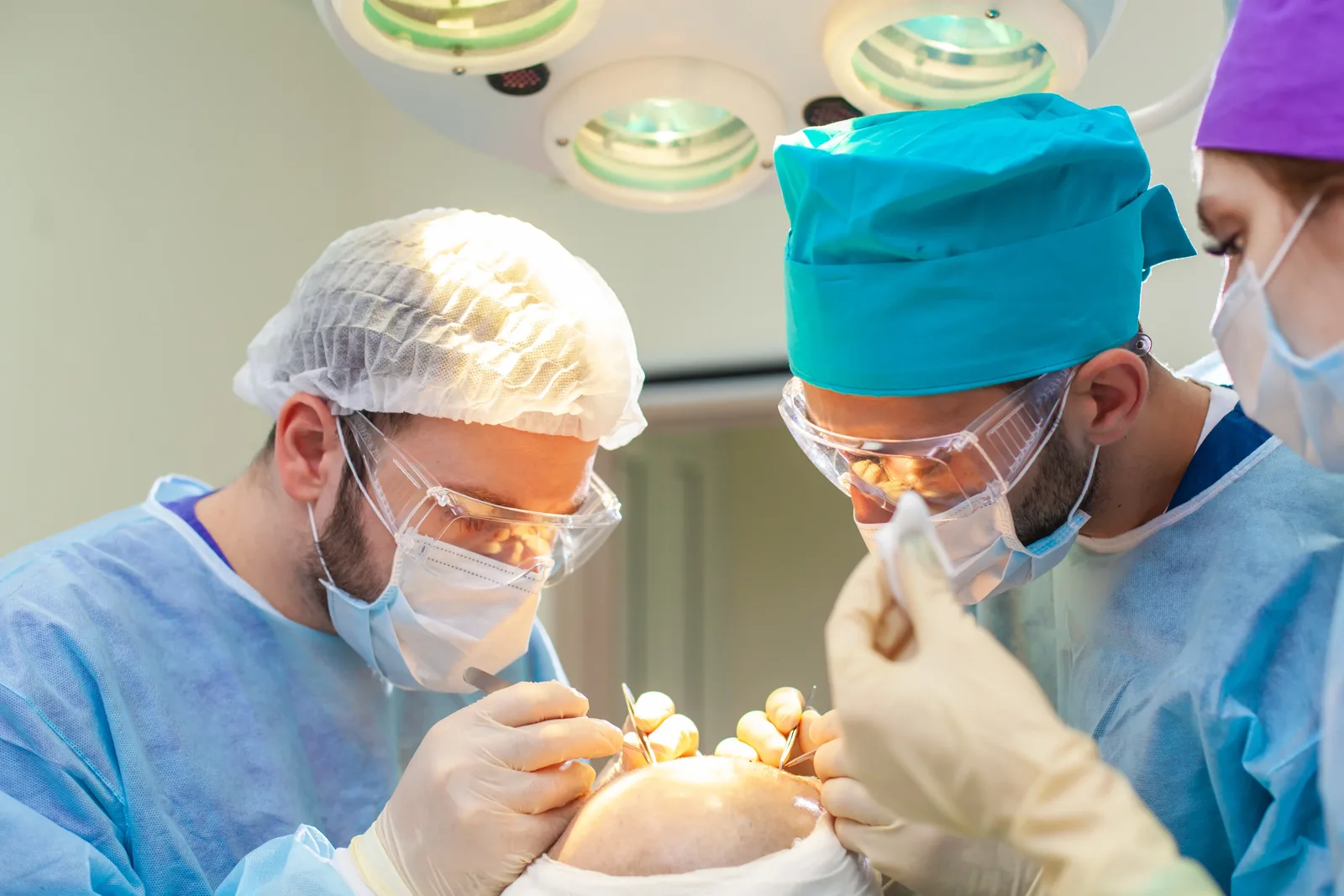
How does the hair transplant process in Turkey work? Discover a detailed guide about hair transplant in Istanbul, recovery, clinic selection, and the premium patient experience.
Learn More
After undergoing a hair transplant, particularly at Adem Demiral Hair Clinic in Atasehir, Istanbul, patients often overlook the significance of sleep. A good night's rest is essential for recovery and can influence the success of the transplant. Sleep plays a critical role in the body's healing processes, including tissue repair and regeneration, which are vital for the health of the newly transplanted hair follicles. During sleep, the body releases growth hormones that aid in cellular repair and growth, making it an indispensable part of the recovery journey.
Moreover, the quality of sleep can directly affect a patient's emotional well-being. Post-surgery, many individuals may experience anxiety or stress related to their appearance and recovery. Adequate sleep helps mitigate these feelings, promoting a more positive outlook during the recovery phase. This psychological aspect is often overlooked but is crucial for overall health and well-being. Therefore, prioritizing sleep after a hair transplant is not just about physical recovery; it also involves mental and emotional healing.
In addition to the physiological benefits, sleep can also influence the aesthetic outcomes of the hair transplant. Poor sleep can lead to increased inflammation and swelling around the scalp area, which can negatively impact the healing of the hair follicles. Ensuring that you get enough quality sleep can help minimize these risks, leading to better results and a more satisfying outcome from the procedure.
Choosing the right sleeping position is crucial after a hair transplant. Here are some recommended positions:
In addition to these basic positions, some patients may find it helpful to use a reclining chair for the first few nights post-surgery. This can provide additional support and comfort while ensuring that the head remains elevated. It's essential to listen to your body and adjust your sleeping arrangements as necessary to find the most comfortable and protective position for your healing scalp.
Furthermore, it is advisable to avoid any sudden movements or jerky motions while sleeping. Using pillows to create a supportive environment can help stabilize your head and neck, reducing the likelihood of rolling over during the night. If you find that you tend to move around a lot in your sleep, consider using a body pillow to create a barrier that encourages you to stay in a more favorable position.
The choice of pillow can significantly impact your recovery. Here are some tips for selecting the right pillow:
In addition to the type of pillow, the height of the pillow is also an important consideration. A pillow that is too high can strain the neck, while one that is too low may not provide adequate elevation. It's crucial to find a balance that keeps your head elevated without causing discomfort. Some patients may benefit from using two pillows or an adjustable pillow that can be customized to their height preference.
Another consideration is the cleanliness of your pillow. After a hair transplant, it is vital to maintain a sterile environment to prevent infections. Regularly changing your pillowcase and ensuring that your pillows are clean can help reduce the risk of complications during the healing process.
In addition to the right position and pillow, consider these tips for a better sleep experience:
Additionally, consider implementing a pre-sleep routine to help signal to your body that it's time to wind down. Activities such as reading, meditation, or gentle stretching can promote relaxation and prepare your mind for restful sleep. Avoid screens and bright lights in the hour leading up to bedtime, as the blue light emitted by devices can interfere with your body's natural sleep-wake cycle.
Finally, if you find that you are struggling to sleep due to anxiety or discomfort, don’t hesitate to reach out to your healthcare provider. They may be able to offer solutions or adjustments to your post-operative care plan to improve your sleep quality.
Keep track of your recovery process. If you notice any unusual symptoms or discomfort while sleeping, consult with Adem Demiral Hair Clinic in Atasehir, Istanbul. Regular follow-ups can help ensure that your recovery is on track. Documenting your experiences can also provide valuable insights for your healthcare team, allowing them to tailor your care more effectively.
Be vigilant for signs of infection, excessive swelling, or unusual pain. These symptoms could indicate complications that need immediate attention. Monitoring your scalp's condition and being proactive about any concerns can help you address issues before they escalate.
It's also beneficial to maintain open communication with your medical team. Share any changes in your sleep patterns or overall well-being, as these can provide crucial context for your recovery process. Your healthcare provider may recommend adjustments to your care plan based on your feedback, ensuring that you receive the most effective support during your healing journey.
In summary, the right sleeping position and pillow choice after a hair transplant at Adem Demiral Hair Clinic can significantly enhance your recovery experience. Prioritizing these factors will help protect your newly transplanted hair and promote optimal healing. Understanding the importance of sleep and actively working to create a conducive sleeping environment can make a substantial difference in your recovery timeline and overall satisfaction with the results of your hair transplant.
As you navigate the early stages of recovery, remember that your body is undergoing significant changes. Patience and care are essential, and by following the guidelines provided by your healthcare team, you can set yourself up for success. Ultimately, a commitment to proper sleep hygiene and a supportive recovery environment will contribute to the longevity and health of your newly transplanted hair.
The best sleeping position is on your back with your head elevated to prevent swelling and protect the transplanted hair follicles. This position minimizes pressure on the grafts and promotes better blood circulation to the scalp.
It is advisable to avoid sleeping on your side, as this can put pressure on the transplanted areas and potentially harm the follicles. Side sleeping can lead to friction and may dislodge grafts, which can compromise the results of the procedure.
A firm pillow that supports your head and keeps it elevated is recommended. You may also consider using a travel pillow for added stability. The right pillow can help maintain an optimal sleeping position and contribute to a more comfortable recovery.
It is generally recommended to maintain an elevated sleeping position for at least the first week post-surgery, but follow your specialist's advice for personalized guidance. The duration may vary depending on individual healing rates and the specifics of your procedure.
Some patients may experience difficulty sleeping due to discomfort or anxiety. If it persists, consult with your hair transplant specialist for advice. They may provide solutions or adjustments to your care plan to help improve your sleep quality during recovery.
Most patients can return to their normal sleeping position after about two weeks, but it's essential to follow the specific recommendations from Adem Demiral Hair Clinic. Individual recovery timelines may vary, so staying in close contact with your healthcare provider is crucial.
This article is published by Adem Demiral Hair Clinic for general information. It is not a diagnosis, a treatment plan, or a personal graft estimate. Suitability requires an in-person assessment in Atasehir.
How does the hair transplant process in Turkey work? Discover a detailed guide about hair transplant in Istanbul, recovery, clinic selection, and the premium patient experience.
Learn More
How does the recovery process after a hair transplant progress? Discover the first wash, shock loss, hair growth timeline, and the 12-month transformation in detail.
Learn More
Discover the differences between DHI and Sapphire FUE hair transplantation. A detailed comparison in terms of density, natural appearance, recovery process, and unshaven hair transplantation.
Learn More
Hair loss can become both a physical and psychological concern for many people. Today, hair transplantation stands out as one of the most effective solutions for addressing this issue.
Learn More
Hair loss can become both a physical and psychological challenge for many people. Today, hair transplantation stands out as one of the most effective solutions to this problem.
Learn MoreFill out the form for hair analysis, appointments, and consultation requests, or contact us directly.