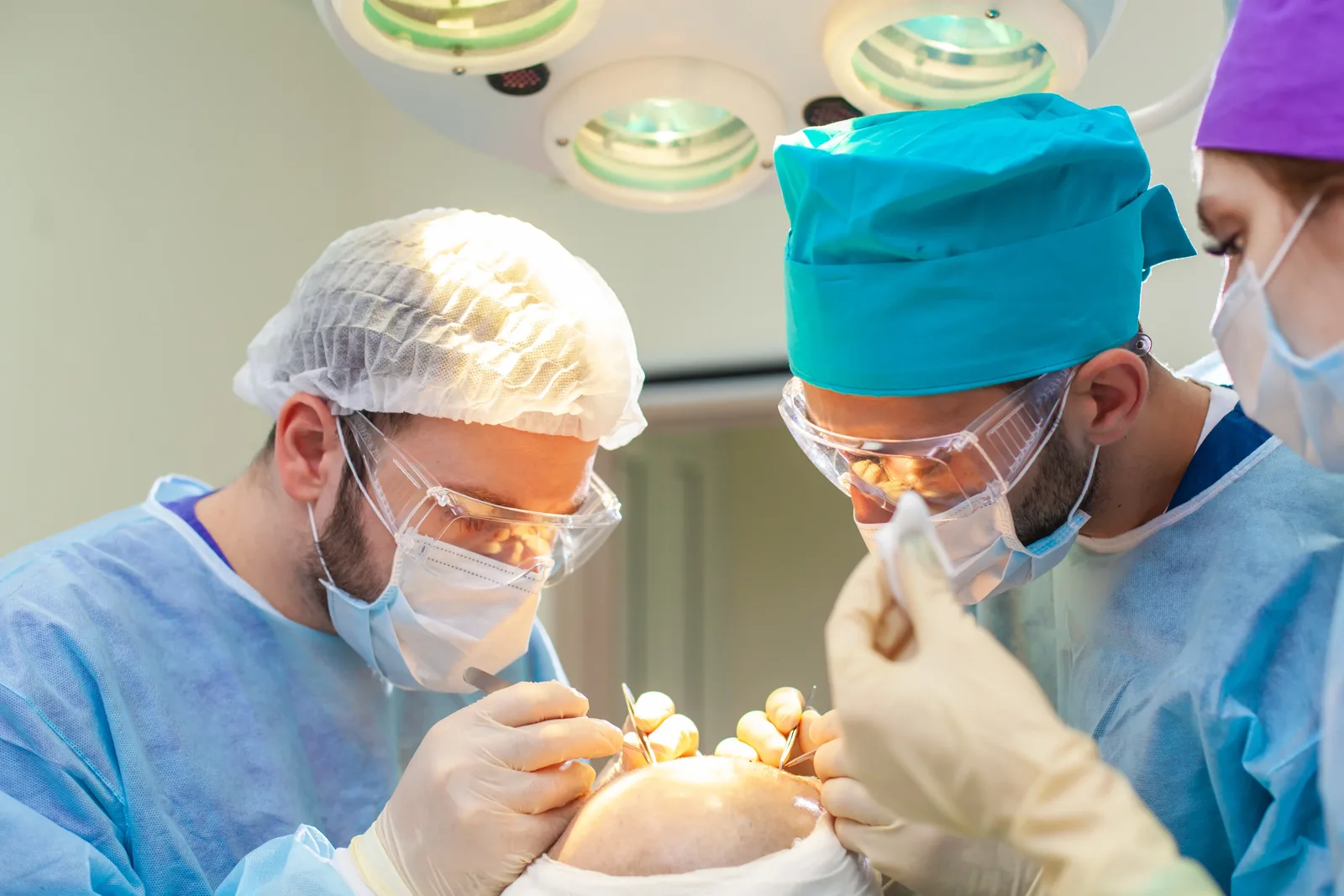
How does the hair transplant process in Turkey work? Discover a detailed guide about hair transplant in Istanbul, recovery, clinic selection, and the premium patient experience.
Learn More
Undergoing a hair transplant can be an exciting journey towards restoring your hair and confidence. However, many patients may experience a phenomenon known as shock loss after their procedure. As a hair transplant specialist in Atasehir, Istanbul, Adem Demiral understands the concerns surrounding this occurrence. In this article, we will explore what shock loss is, why it happens, and how to manage it effectively.
Shock loss refers to the temporary shedding of hair that can occur after a hair transplant. It typically affects the transplanted hair as well as some existing hair in the surrounding areas. This phase can be alarming for patients, especially if they are not aware that it is a common part of the hair restoration process.
Shock loss can be categorized into two types: early shock loss and late shock loss. Early shock loss occurs within the first few weeks post-surgery and primarily affects the transplanted hair follicles. Late shock loss, on the other hand, may occur several months after the transplant, impacting both the transplanted and surrounding existing hair. Understanding these distinctions can help patients better navigate their recovery and set realistic expectations for their hair restoration journey.
It is important to note that shock loss is not indicative of a failed hair transplant. Instead, it is a natural response of the hair follicles to the trauma they have experienced during the procedure. By being informed about shock loss, patients can approach their recovery with a more positive mindset, knowing that it is a temporary phase that many individuals experience.
Shock loss can be attributed to several factors:
Additionally, other factors such as nutritional deficiencies, pre-existing scalp conditions, or improper post-operative care can exacerbate the likelihood of experiencing shock loss. It is essential for patients to discuss their individual risk factors with their hair transplant specialist to better understand their unique situation and what they can do to mitigate these risks.
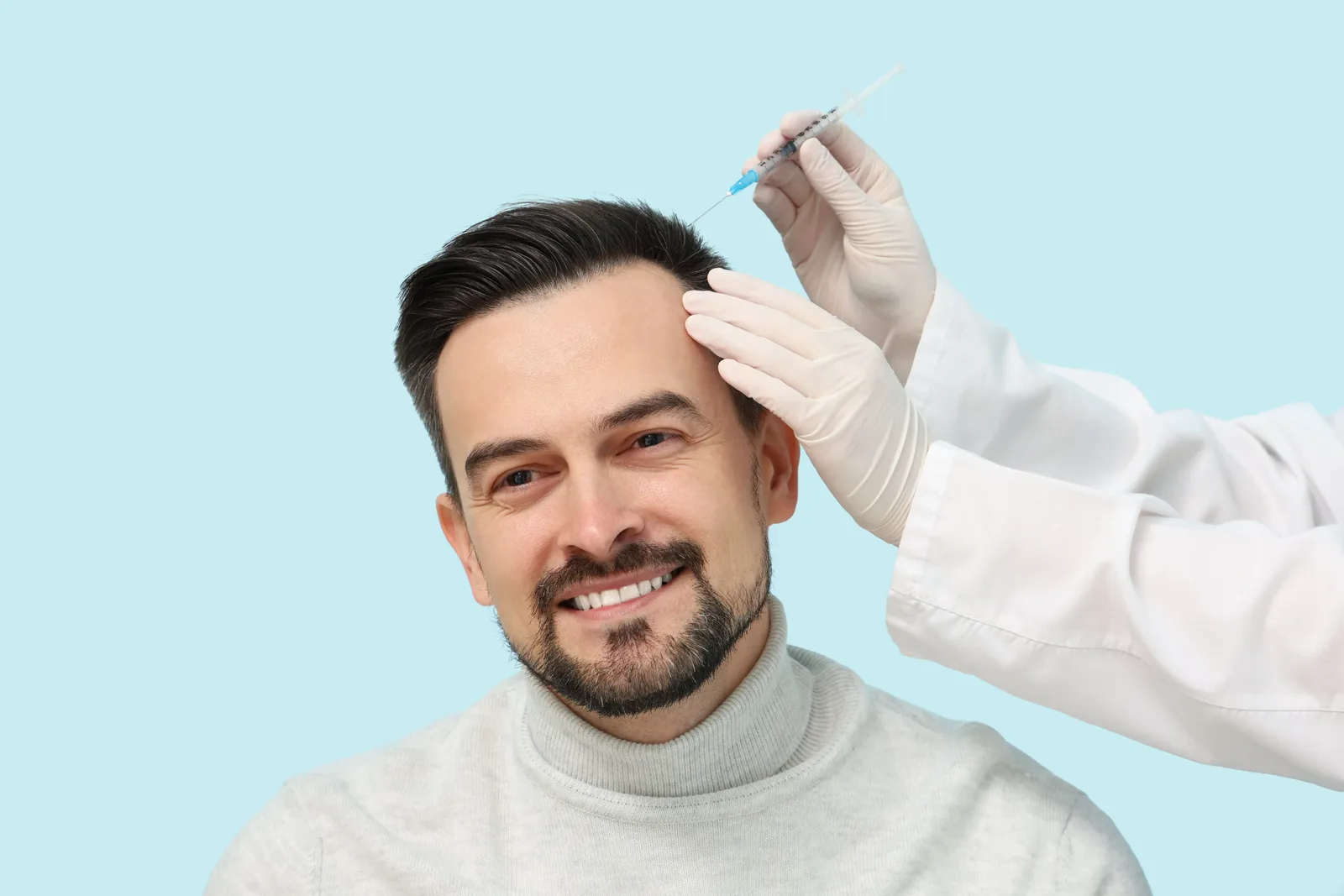
Yes, shock loss is considered a normal phase following a hair transplant. Most patients experience some degree of hair shedding within the first few weeks after the procedure. Understanding that this is a temporary condition can help alleviate anxiety and concerns.
During the initial weeks post-transplant, patients may notice thinning or patchy areas where hair has shed. This can be disheartening, especially for those who have just undergone a procedure to restore their hair. However, it is crucial to remember that this phase is part of the natural hair growth cycle and is often followed by new hair growth.
Many patients report that by the end of the first month, the initial shock loss has stabilized, and they begin to see signs of new hair growth within a few months. This natural cycle is a reassuring aspect of hair restoration, reminding patients that their hair follicles are still alive and responding positively to the transplant.
The duration of shock loss can vary from person to person. Typically, patients may notice shedding within the first 2 to 4 weeks post-transplant, and it can last for several weeks to a few months. Most individuals will start to see new hair growth within 3 to 6 months after the procedure.
In some cases, shock loss may persist longer, especially if the patient has underlying conditions that affect hair growth or if they are experiencing additional stressors. It is essential to maintain open communication with your hair transplant specialist during this time, as they can provide guidance and reassurance throughout the recovery process.
Patients should also be aware that the timeline for hair growth can vary based on individual factors such as age, overall health, and adherence to post-operative care. Typically, the most noticeable results of the hair transplant will appear around the 6 to 12-month mark, as the hair continues to grow and thicken over time.
While shock loss is often unavoidable, there are steps that patients can take to manage the process effectively:
In addition to these strategies, maintaining a balanced diet rich in vitamins and minerals can also support hair health. Nutrients such as biotin, zinc, and omega-3 fatty acids are known to promote hair growth and overall scalp health.

If you experience excessive shedding or have concerns about the amount of hair loss, it is important to consult your hair transplant specialist. At Adem Demiral Hair Clinic, we encourage open communication and are here to address any questions or worries you may have during your recovery.
Patients should not hesitate to reach out if they notice any unusual symptoms, such as redness, swelling, or pain at the transplant site, as these could indicate complications that require medical attention. Your hair transplant specialist can provide reassurance and determine whether any interventions are necessary to support your recovery.
Regular follow-up appointments are also an essential part of the post-operative care process. These visits allow your specialist to monitor your progress, address any concerns, and adjust your treatment plan as needed to ensure optimal results.
To better comprehend shock loss, it is helpful to understand the hair growth cycle. Hair goes through several phases:
Shock loss typically occurs when hair follicles prematurely enter the telogen phase due to the trauma of the hair transplant. By understanding the hair growth cycle, patients can better appreciate the natural processes at play and remain optimistic about their recovery and eventual results.
Shock loss is a common and expected phase after a hair transplant. Understanding its causes and duration can help patients manage their expectations and navigate their hair restoration journey more effectively. If you have further questions or concerns about shock loss, do not hesitate to reach out to us at Adem Demiral Hair Clinic in Atasehir, Istanbul. We are dedicated to providing you with the support and guidance you need throughout your hair restoration process.
The main cause of shock loss is the trauma to hair follicles during the transplant procedure, which can disrupt the normal hair growth cycle.
Following post-operative care instructions, maintaining scalp health, and considering PRP therapy can help minimize shock loss.
No, shock loss is typically temporary, and most patients will begin to see new hair growth within a few months.
If you notice excessive shedding or have concerns about your hair loss, it is advisable to contact your hair transplant specialist for guidance.
Yes, shock loss can also affect existing hair around the transplant area due to the stress and trauma experienced during the procedure.
Hair typically begins to grow back within 3 to 6 months after the shock loss phase.
This article is published by Adem Demiral Hair Clinic for general information. It is not a diagnosis, a treatment plan, or a personal graft estimate. Suitability requires an in-person assessment in Atasehir.
How does the hair transplant process in Turkey work? Discover a detailed guide about hair transplant in Istanbul, recovery, clinic selection, and the premium patient experience.
Learn More
How does the recovery process after a hair transplant progress? Discover the first wash, shock loss, hair growth timeline, and the 12-month transformation in detail.
Learn More
Discover the differences between DHI and Sapphire FUE hair transplantation. A detailed comparison in terms of density, natural appearance, recovery process, and unshaven hair transplantation.
Learn More
Hair loss can become both a physical and psychological concern for many people. Today, hair transplantation stands out as one of the most effective solutions for addressing this issue.
Learn More
Hair loss can become both a physical and psychological challenge for many people. Today, hair transplantation stands out as one of the most effective solutions to this problem.
Learn MoreFill out the form for hair analysis, appointments, and consultation requests, or contact us directly.