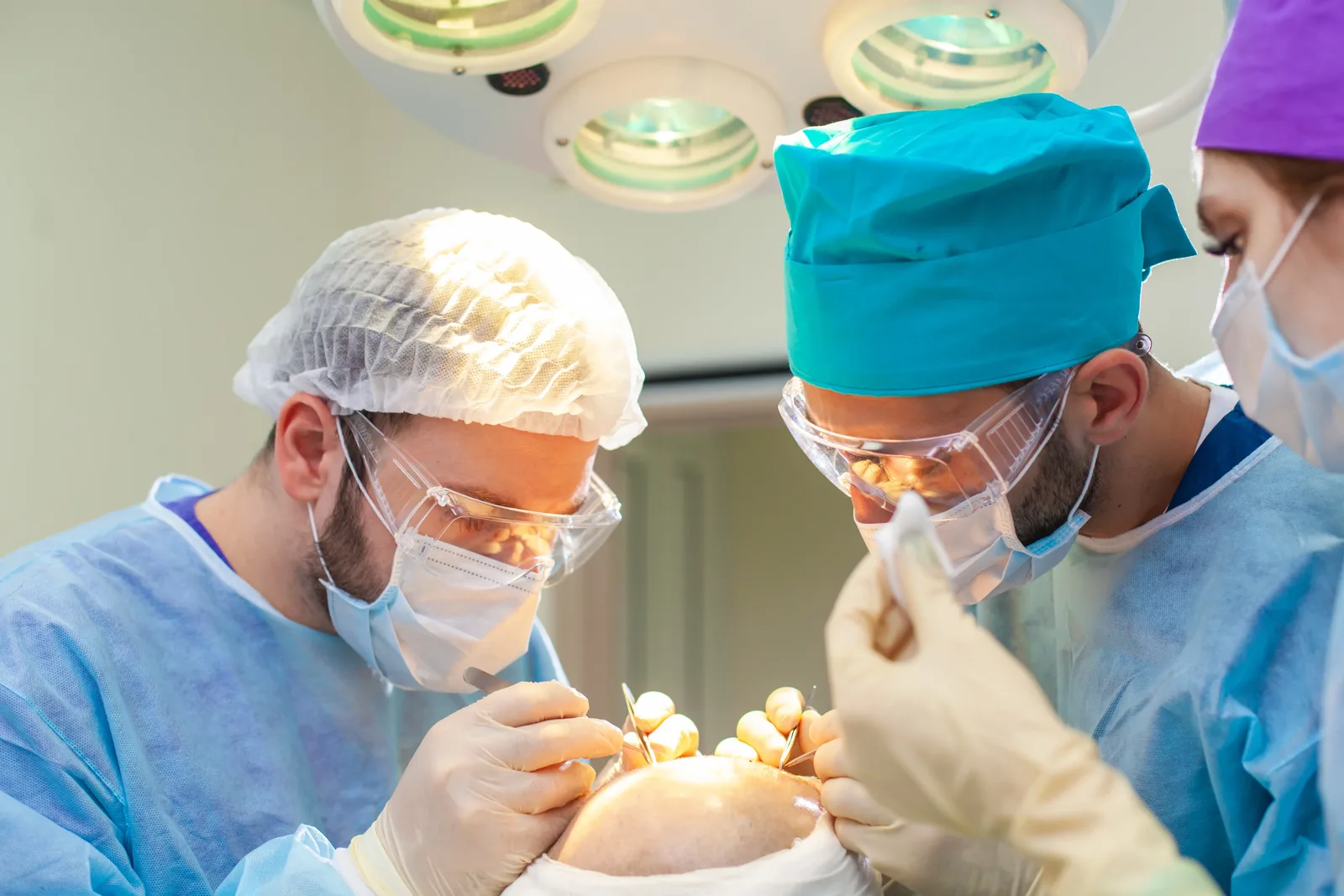
How does the hair transplant process in Turkey work? Discover a detailed guide about hair transplant in Istanbul, recovery, clinic selection, and the premium patient experience.
Learn More
Scalp hygiene is a vital aspect of the recovery process following a hair transplant. At Adem Demiral Hair Clinic, a leading hair transplant specialist located in Atasehir, Istanbul, we emphasize the importance of maintaining a clean and healthy scalp to promote optimal healing and hair growth. The scalp undergoes significant trauma during the procedure, which necessitates careful attention to hygiene to avoid complications and ensure the best possible outcomes.
Post-operative care is not merely a series of tasks but a holistic approach to recovery. Patients must understand that the scalp's environment directly influences the success of the hair follicles that have been transplanted. A clean scalp reduces the risk of infection, minimizes inflammation, and creates a favorable condition for the new hair to thrive. This understanding is crucial, as the initial days following a hair transplant are pivotal for the healing process.
Moreover, the psychological aspect of recovery should not be overlooked. Knowing that one is taking proactive steps to care for their scalp can enhance a patient's confidence and peace of mind during this transitional period. Therefore, understanding and implementing proper scalp hygiene is essential not only for physical healing but also for emotional well-being.
After undergoing a hair transplant, your scalp is in a sensitive state. Proper hygiene helps to prevent infections, reduces inflammation, and supports the healing of transplanted follicles. Neglecting scalp hygiene can lead to complications that may affect the overall success of the procedure. Infections can compromise the viability of the transplanted hair follicles, leading to poor growth or even loss of grafts, which can be disheartening for patients who have invested time and resources into their hair restoration.
In addition to preventing infections, maintaining scalp hygiene plays a significant role in reducing inflammation. Inflammation is a natural response to injury, but excessive inflammation can hinder the healing process. By keeping the scalp clean and free from irritants, patients can minimize inflammation and create an optimal environment for hair follicles to settle and grow. This is particularly important in the first few days post-transplant when the scalp is most vulnerable.
Furthermore, proper hygiene practices can help to alleviate discomfort associated with the healing process. Many patients experience itching, dryness, or irritation in the days following the procedure. By adhering to a meticulous hygiene routine, patients can soothe these symptoms, making the recovery experience more manageable. Thus, the importance of scalp hygiene extends beyond mere cleanliness; it is integral to a successful and comfortable recovery.
It is essential to begin your scalp hygiene routine as soon as you are advised by your hair transplant specialist. Typically, this can start 24 to 48 hours after the procedure. Following the specific instructions provided by Adem Demiral will ensure that you are on the right path to recovery. The timing of when to start your hygiene routine is critical; starting too early can disrupt the healing process, while waiting too long can lead to complications.
In the initial 24 to 48 hours post-surgery, the scalp needs to form a protective barrier over the transplanted areas. This barrier is essential for safeguarding the grafts as they begin to integrate into the scalp. During this period, patients should focus on minimizing any potential disturbance to the area. Once the initial healing phase has passed, and your specialist gives the green light, you can begin your gentle cleansing routine.
Additionally, it is important to note that each patient's healing process may vary. Factors such as individual skin type, the extent of the transplant, and overall health can influence when a patient should begin their hygiene routine. Therefore, it is crucial to maintain open communication with your hair transplant specialist and follow their personalized recommendations to ensure the best possible outcome.
In the first few days post-transplant, your scalp will be sensitive. Here are some gentle cleansing techniques to follow:
Using a mild shampoo is essential to avoid irritating the sensitive scalp. Many patients may be tempted to use their regular shampoo, but this can contain harsh chemicals that could disrupt the healing process. Instead, opt for a gentle, sulfate-free shampoo that is specifically designed for sensitive skin. Your specialist can recommend products that will cleanse without causing irritation.
When applying shampoo, use your fingertips rather than your nails to avoid scratching the scalp. Gentle circular motions can help to cleanse the area without applying excessive pressure. It’s crucial to remember that the goal is to clean without disturbing the transplanted follicles, which are still in the delicate process of healing and anchoring into the scalp.
After rinsing, the method of drying is equally important. Rather than rubbing the scalp with a towel, which can cause friction and potentially dislodge grafts, gently pat the area dry. This technique helps to absorb moisture without causing trauma to the sensitive scalp. Following these gentle cleansing techniques will significantly contribute to a smoother recovery and better hair growth outcomes.
To promote healing, it is crucial to avoid any activities or products that may irritate your scalp. Here are some recommendations:
Direct sunlight can be particularly damaging to a healing scalp. UV rays can cause further irritation and may even lead to sunburn, which can complicate the healing process. Patients are encouraged to stay indoors during peak sunlight hours, and when outside, to wear a loose-fitting hat that does not press against the scalp. This precaution helps to protect the sensitive area while allowing it to heal properly.
Additionally, tight headgear can create friction against the scalp, which is detrimental during the initial healing phase. This includes hats, headbands, or anything that may rub against the transplanted area. It is advisable to allow the scalp to breathe freely, which aids in the healing process. If you must wear headgear, opt for loose-fitting options that do not exert pressure on the scalp.
Furthermore, the use of hair products such as gels, sprays, or dyes should be strictly avoided until your specialist gives the go-ahead. Many of these products contain chemicals that can irritate the scalp and interfere with the healing of transplanted follicles. By adhering to these recommendations, patients can significantly reduce the risk of complications and promote a smoother recovery.
Keeping your scalp moisturized is essential for healing. Use a gentle, alcohol-free moisturizer as advised by your hair transplant specialist. This will help to soothe any dryness or irritation and promote a healthy environment for hair growth. Moisturizing is particularly important in the first few weeks post-transplant when the scalp may become dry due to the healing process.
Dryness can lead to itching and discomfort, which may tempt patients to scratch the area. Scratching can dislodge grafts and lead to complications, so keeping the scalp hydrated is crucial. A gentle moisturizer will not only alleviate dryness but also provide a protective barrier that helps to maintain the scalp's natural moisture balance. Your specialist can recommend specific products that are safe for use on a healing scalp.
In addition to using a moisturizer, patients should also consider their overall hydration levels. Drinking plenty of water and maintaining a balanced diet can contribute to healthy skin and scalp. Proper hydration from within complements external moisturizing efforts, creating an environment conducive to hair growth. Therefore, combining topical moisturizers with good hydration practices can yield the best results during the recovery phase.
During the first days after your hair transplant, it is essential to monitor your scalp for any signs of complications. Look out for:
Being vigilant about potential complications is a key part of the post-operative care process. Excessive redness or swelling can be indicative of an infection or an adverse reaction to the procedure. While some redness and swelling are normal, especially in the initial days, any sudden increase in these symptoms should be addressed promptly.
Pus or unusual discharge is a clear sign that something may be wrong. It is crucial to differentiate between normal post-operative drainage and signs of infection. If you notice any unusual discharge, it is imperative to contact your hair transplant specialist immediately for an assessment. Early intervention can prevent more serious complications and ensure a smoother recovery.
Severe pain that is not alleviated by prescribed medication is another red flag. Pain should gradually subside as the healing process progresses; if it intensifies or persists, it may indicate an underlying issue. Patients should not hesitate to reach out to their specialist if they have concerns about their recovery. Open communication is vital, and addressing potential complications early can significantly impact the overall success of the hair transplant.
Regular follow-up appointments with your hair transplant specialist in Atasehir, Istanbul, are vital for monitoring your recovery. These appointments allow for professional assessment and any necessary adjustments to your care plan. Follow-up visits are typically scheduled at regular intervals, allowing the specialist to evaluate the healing process and ensure that the transplanted follicles are taking root properly.
During these appointments, your specialist will assess the overall condition of your scalp, check for any signs of complications, and provide personalized recommendations based on your healing progress. This ongoing support is invaluable, as it allows for timely interventions if issues arise and ensures that patients are following the correct post-operative care protocols.
Moreover, follow-up appointments provide an opportunity for patients to ask questions and express any concerns they may have about their recovery. This dialogue can help alleviate anxiety and reinforce the importance of adhering to the prescribed care plan. Ultimately, these appointments play a crucial role in the long-term success of the hair transplant, as they ensure that patients are on the right track for optimal hair growth and scalp health.
Maintaining proper scalp hygiene in the first days post-hair transplant is essential for a successful recovery. By following the guidelines provided by Adem Demiral, a hair transplant specialist in Atasehir, Istanbul, you can promote healing and enhance the results of your procedure. The initial days after a hair transplant are critical, and taking proactive steps to care for your scalp can significantly impact the overall outcome.
Patients should remember that recovery is a journey, and each step taken towards proper scalp hygiene contributes to the long-term success of the hair transplant. By being diligent about cleansing, moisturizing, and monitoring for complications, patients can create an optimal environment for their new hair to thrive. Ultimately, the investment in proper post-operative care will pay off in the form of healthy, vibrant hair growth.
Avoid direct sunlight, wearing tight hats, using hair products, and any activities that may irritate your scalp. These precautions are essential for protecting the sensitive area and promoting healing.
You can typically start washing your hair 24 to 48 hours after the procedure, following your specialist's advice. It is crucial to adhere to the recommended timeline to avoid disrupting the healing process.
Use a mild, non-irritating shampoo as recommended by your hair transplant specialist. This will help to cleanse the scalp without causing irritation to the sensitive areas.
Apply a gentle, alcohol-free moisturizer as advised by your specialist to keep your scalp hydrated. This will help alleviate dryness and create a conducive environment for hair growth.
Watch for excessive redness, swelling, pus, or severe pain. Contact your specialist if you notice these symptoms, as early intervention can prevent further complications.
Follow-up appointments allow your specialist to monitor your recovery and make any necessary adjustments to your care plan. These visits are crucial for ensuring the success of the hair transplant and addressing any concerns you may have.
This article is published by Adem Demiral Hair Clinic for general information. It is not a diagnosis, a treatment plan, or a personal graft estimate. Suitability requires an in-person assessment in Atasehir.
How does the hair transplant process in Turkey work? Discover a detailed guide about hair transplant in Istanbul, recovery, clinic selection, and the premium patient experience.
Learn More
How does the recovery process after a hair transplant progress? Discover the first wash, shock loss, hair growth timeline, and the 12-month transformation in detail.
Learn More
Discover the differences between DHI and Sapphire FUE hair transplantation. A detailed comparison in terms of density, natural appearance, recovery process, and unshaven hair transplantation.
Learn More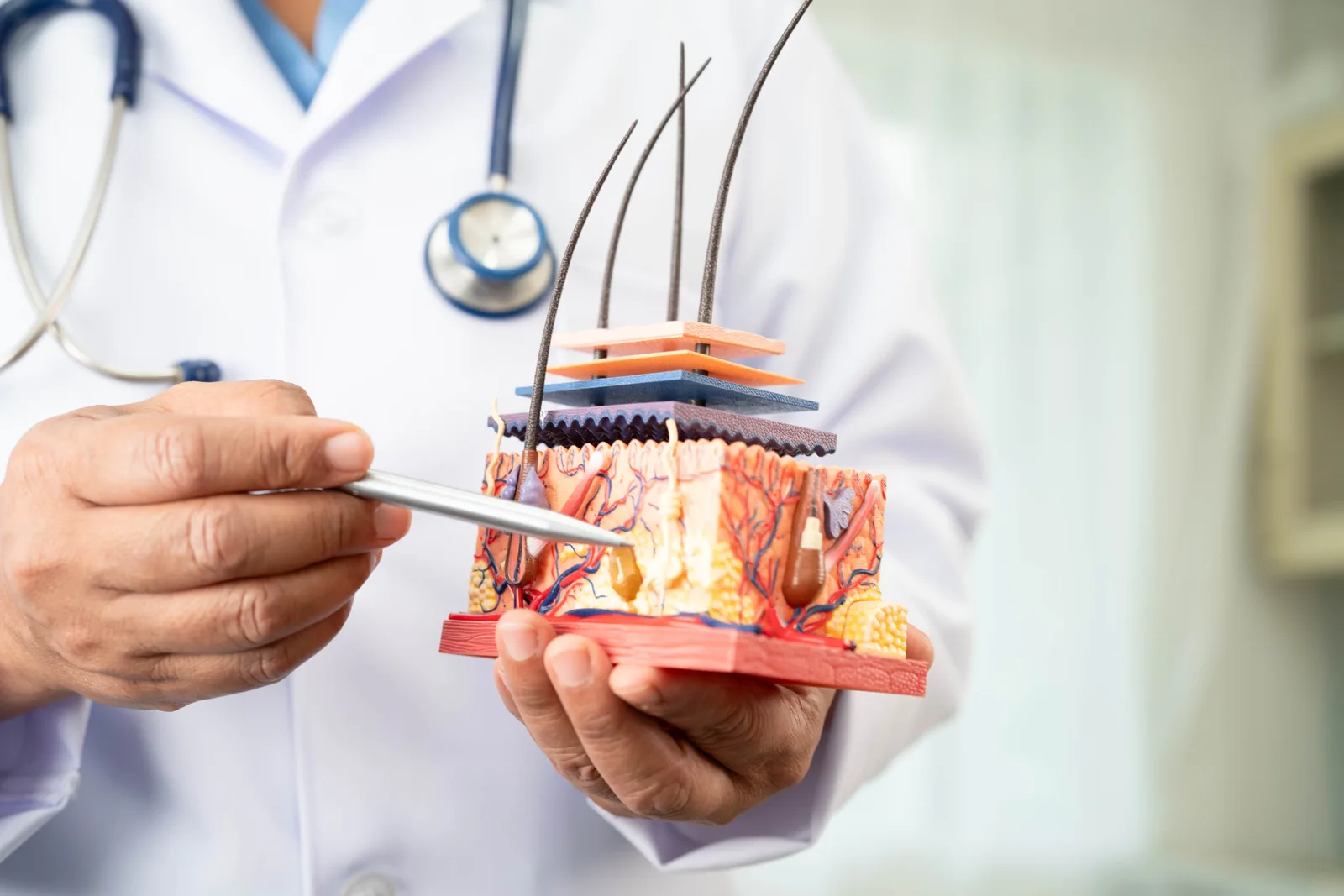
Hair loss can become both a physical and psychological concern for many people. Today, hair transplantation stands out as one of the most effective solutions for addressing this issue.
Learn More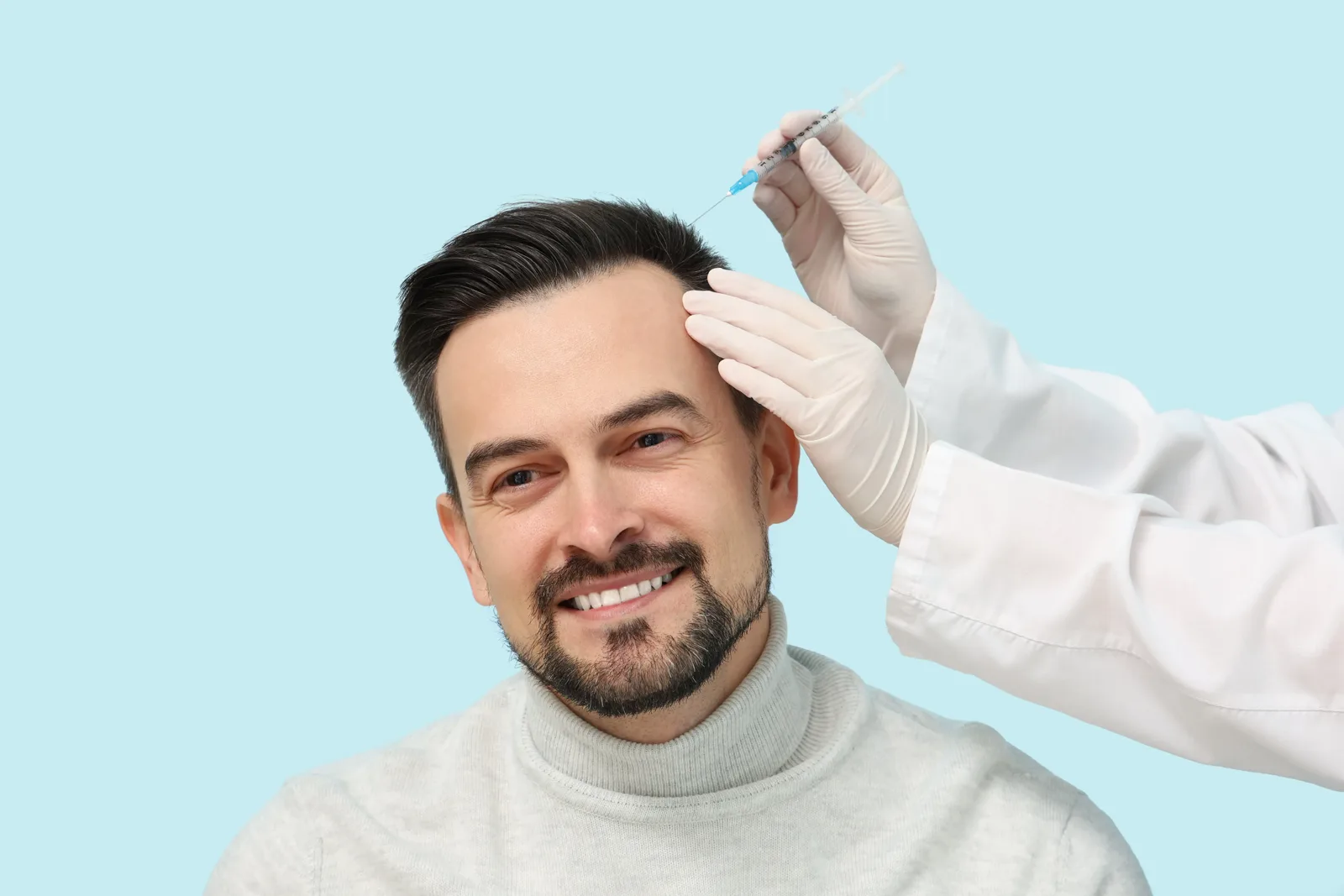
Hair loss can become both a physical and psychological challenge for many people. Today, hair transplantation stands out as one of the most effective solutions to this problem.
Learn MoreFill out the form for hair analysis, appointments, and consultation requests, or contact us directly.