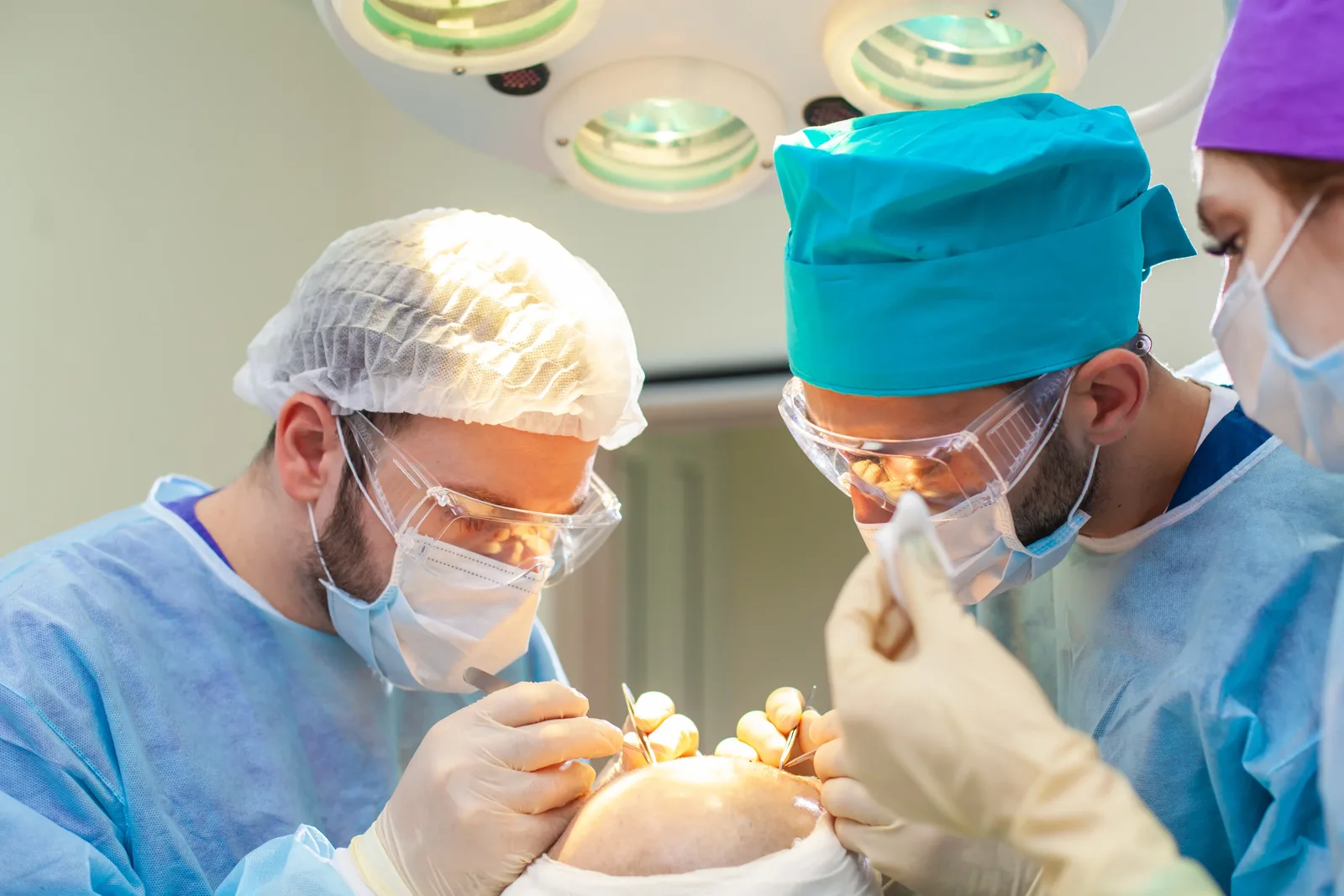
How does the hair transplant process in Turkey work? Discover a detailed guide about hair transplant in Istanbul, recovery, clinic selection, and the premium patient experience.
Learn More
Scabbing and shedding are common occurrences following a hair transplant procedure. At Adem Demiral Hair Clinic in Atasehir, Istanbul, our hair transplant specialist emphasizes that these phases are part of the natural healing process. Understanding these phases can significantly ease the anxiety that many patients experience, ensuring they are well-prepared for the journey ahead. The human body is remarkably resilient, and the processes of scabbing and shedding are crucial indicators of healing and hair restoration.
It is essential to recognize that each patient’s experience may vary based on individual factors such as skin type, hair density, and overall health. The clinic’s approach is to provide personalized care and education, ensuring that patients are informed about what to expect during their recovery. This knowledge not only helps in managing expectations but also empowers patients to take proactive steps towards their hair restoration goals.
In the following sections, we will delve deeper into the causes, duration, and care associated with scabbing and shedding, along with insights on how to navigate these phases effectively.
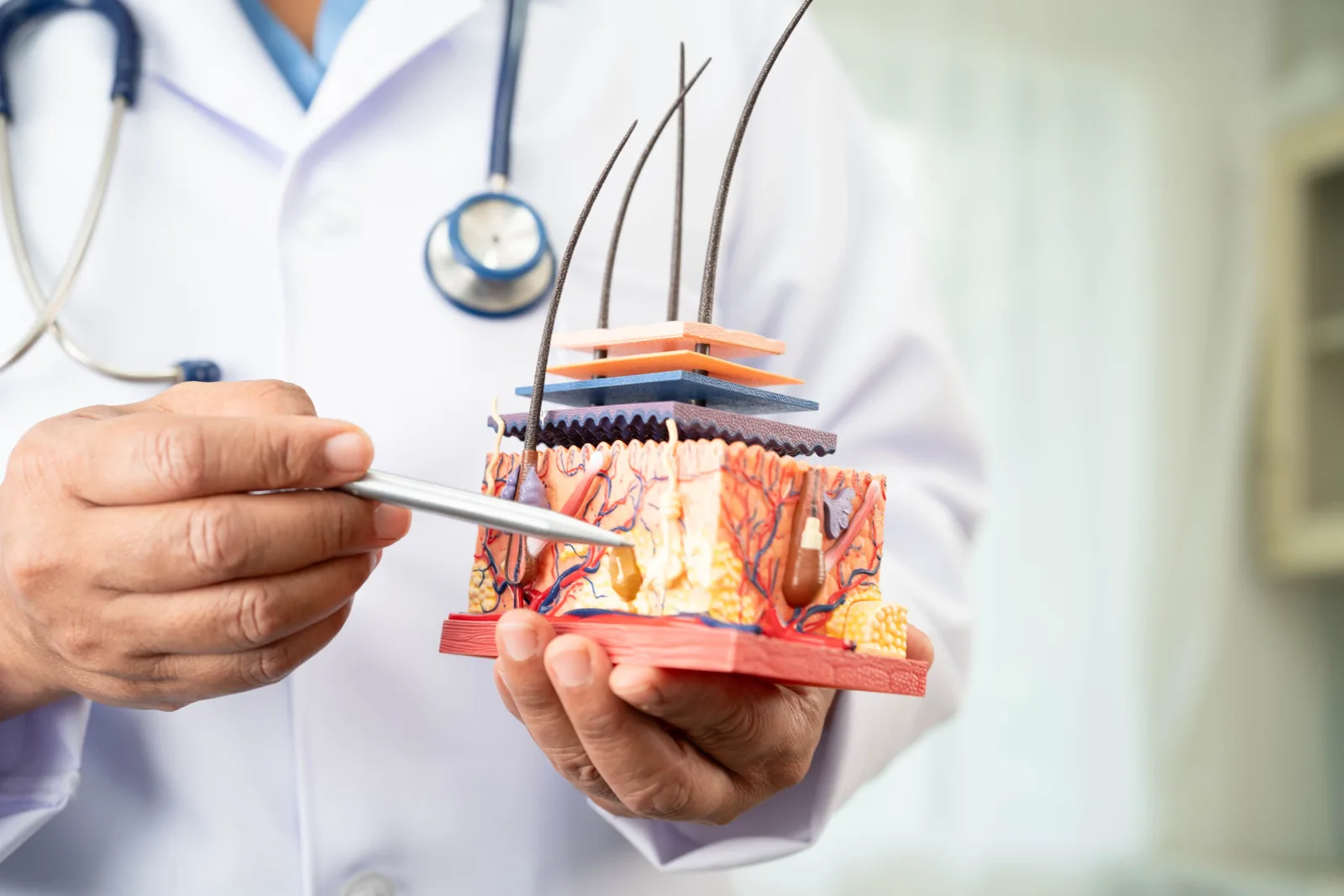
After a hair transplant, the scalp undergoes a healing process that often results in scabbing. The formation of scabs is due to the tiny incisions made during the procedure, which can lead to minor bleeding and fluid accumulation. This is a normal response as the body works to heal the skin and protect the newly transplanted hair follicles. The scabbing process is a natural part of wound healing, where the body forms a protective barrier to prevent infection and promote recovery.
Additionally, the type of hair transplant technique used can influence the extent of scabbing. For example, the Follicular Unit Extraction (FUE) method, including variations like Diamond FUE and Sapphire FUE, involves making small incisions in the scalp. These incisions can lead to localized trauma, prompting the body to initiate the healing process. The scabs that form are essentially dried blood and serum that serve as a protective layer over the healing follicles.
Moreover, individual factors such as skin sensitivity, pre-existing scalp conditions, and post-operative care play a significant role in the scabbing process. Patients with sensitive skin may experience more pronounced scabbing, while those who adhere closely to post-operative care instructions may notice a quicker resolution of scabbing. Understanding these factors can help patients prepare for their recovery journey more effectively.
Typically, scabs will begin to form within the first few days after the procedure and may last for about one to two weeks. The exact duration can vary based on individual healing rates and the specific technique used during the transplant, such as Diamond FUE or Sapphire FUE. During this period, it is crucial for patients to remain vigilant and adhere to their post-operative care regimen to promote optimal healing.
In general, the scabbing phase can be influenced by several factors, including the extent of the transplant, the patient's overall health, and adherence to aftercare instructions. For instance, patients who follow a healthy diet and stay well-hydrated may experience faster healing times. Conversely, those who engage in activities that irritate the scalp, such as vigorous exercise or exposure to harsh chemicals, may prolong the scabbing phase.
Monitoring the scabs during this time is essential. While some scabbing is normal, excessive scabbing or scabs that do not resolve within the expected timeframe may warrant a consultation with a specialist. At Adem Demiral Hair Clinic, our team is dedicated to providing ongoing support and guidance throughout the healing process, ensuring that patients feel comfortable and informed about their recovery.
Proper care during the scabbing phase is essential to ensure optimal healing and hair growth. Here are some tips to manage scabs effectively:
Furthermore, it is advisable for patients to avoid activities that may lead to excessive sweating, such as intense workouts or sauna visits, as sweat can irritate the healing scalp and affect the scabbing process. Staying in a cool, clean environment can also help minimize the risk of infection and promote faster healing.
Regular follow-ups with your hair transplant specialist are also crucial during this phase. These appointments allow for monitoring of the healing process and provide an opportunity to address any concerns or complications that may arise. At Adem Demiral Hair Clinic, we prioritize patient education and support, ensuring that you have all the resources needed for a smooth recovery.
After the scabbing phase, many patients experience a shedding period where the transplanted hair falls out. This can be alarming, but it is a normal part of the hair growth cycle. The hair follicles enter a temporary resting phase, allowing for new hair to grow in its place. This phenomenon is often referred to as "shock loss," and it is an expected part of the healing process following a hair transplant.
During this period, patients may notice that some of the transplanted hair begins to thin or fall out. This shedding is not a sign of failure; rather, it indicates that the hair follicles are transitioning into a new growth cycle. The hair that sheds is often the hair that was in the anagen (growth) phase before the transplant, making way for new hair to emerge from the follicles.
It is important for patients to remain patient and informed during this phase. Understanding that shedding is a natural process can help alleviate concerns and prevent unnecessary anxiety. Our specialists at Adem Demiral Hair Clinic are committed to providing ongoing education and support, ensuring that patients feel confident and reassured throughout their recovery journey.
The shedding period usually occurs around two to four weeks post-transplant and can last for several weeks. It is important to understand that this shedding is a sign that the hair follicles are preparing for new growth. The duration of the shedding phase may vary among individuals, influenced by factors such as the overall health of the patient, the density of the transplanted hair, and adherence to post-operative care.
In some cases, patients may experience a more rapid shedding phase, while others may notice a slower transition. Regardless of the duration, it is essential for patients to maintain a positive outlook and to follow the aftercare guidelines provided by their specialist. This includes avoiding stressors that may negatively impact hair growth, such as poor nutrition or lack of sleep.
After the shedding phase, patients can typically expect to see new hair growth emerging within a few months. The timeline for visible growth can vary, but many patients begin to notice fine, new hairs sprouting around the three to six-month mark post-transplant. This gradual emergence of new hair is a positive indication that the follicles are healthy and responding well to the transplant.
During the shedding phase, it is essential to monitor the scalp for signs of healthy recovery. Healthy shedding typically includes:
Additionally, patients should be aware of the texture and appearance of the scalp during this time. Healthy shedding should not be accompanied by significant pain or discomfort. If patients notice any unusual symptoms, such as excessive inflammation or signs of infection, it is crucial to seek professional advice promptly. Regular check-ins with your hair transplant specialist can provide peace of mind and ensure that any potential issues are addressed early.
At Adem Demiral Hair Clinic, we emphasize the importance of open communication during the recovery process. Our team is always available to answer questions and provide guidance, helping patients feel supported and informed as they navigate the shedding phase.
If you notice unusual symptoms during the scabbing or shedding phases, such as excessive pain, prolonged redness, or signs of infection, it is crucial to consult with a healthcare professional. At Adem Demiral Hair Clinic in Atasehir, Istanbul, our expert team is available to address any concerns you may have during your recovery. Early intervention can prevent complications and ensure that your healing process remains on track.
Common signs that warrant a consultation include persistent swelling, drainage of fluid or pus from the scalp, or any sudden changes in the appearance of the transplanted area. While some discomfort and mild irritation are normal, any significant changes should be evaluated by a specialist to rule out potential complications.
In addition to physical symptoms, emotional support is also an important aspect of recovery. Many patients experience anxiety or uncertainty during the healing process, especially when faced with shedding or scabbing. Our team at Adem Demiral Hair Clinic is dedicated to providing holistic care, addressing both the physical and emotional aspects of the recovery journey. We encourage patients to reach out with any questions or concerns, ensuring that they feel supported every step of the way.
Understanding the scabbing and shedding periods after a hair transplant can help alleviate concerns and ensure a smoother recovery process. With the guidance of Adem Demiral, a hair transplant specialist in Atasehir, Istanbul, you can navigate these phases with confidence, knowing they are part of the journey towards achieving your desired hair restoration results. The healing process is an integral part of the hair transplant experience, and being well-informed can empower patients to take charge of their recovery.
As you embark on this journey, remember that patience is key. Hair restoration is a gradual process, and the results will become more apparent over time. By following the care instructions provided by your specialist and maintaining open communication, you can enhance your chances of achieving optimal results and enjoying the full benefits of your hair transplant.
Scabbing serves as a protective barrier for the scalp, allowing the body to heal the tiny incisions made during the hair transplant procedure. This natural process helps to prevent infection and promotes recovery of the transplanted follicles.
The scabbing phase typically lasts about one to two weeks, depending on individual healing rates and the technique used. Some patients may experience shorter or longer durations based on their unique circumstances.
Yes, shedding is a normal part of the hair growth cycle after a transplant, indicating that the hair follicles are preparing for new growth. This process, often referred to as shock loss, is a common occurrence and should not be a cause for alarm.
If you experience pain or discomfort with your scabs, it is advisable to consult with a hair transplant specialist for guidance. Early assessment can help determine the cause of the pain and ensure appropriate care.
Yes, but it is essential to follow your specialist's instructions on how to wash your hair gently to avoid disrupting the scabs. Proper washing techniques can help maintain scalp hygiene without compromising the healing process.
New hair growth typically begins to appear a few months after the shedding phase, as the hair follicles enter the growth cycle. Most patients can expect to see fine, new hairs sprouting around the three to six-month mark post-transplant.
This article is published by Adem Demiral Hair Clinic for general information. It is not a diagnosis, a treatment plan, or a personal graft estimate. Suitability requires an in-person assessment in Atasehir.
How does the hair transplant process in Turkey work? Discover a detailed guide about hair transplant in Istanbul, recovery, clinic selection, and the premium patient experience.
Learn More
How does the recovery process after a hair transplant progress? Discover the first wash, shock loss, hair growth timeline, and the 12-month transformation in detail.
Learn More
Discover the differences between DHI and Sapphire FUE hair transplantation. A detailed comparison in terms of density, natural appearance, recovery process, and unshaven hair transplantation.
Learn More
Hair loss can become both a physical and psychological concern for many people. Today, hair transplantation stands out as one of the most effective solutions for addressing this issue.
Learn More
Hair loss can become both a physical and psychological challenge for many people. Today, hair transplantation stands out as one of the most effective solutions to this problem.
Learn MoreFill out the form for hair analysis, appointments, and consultation requests, or contact us directly.