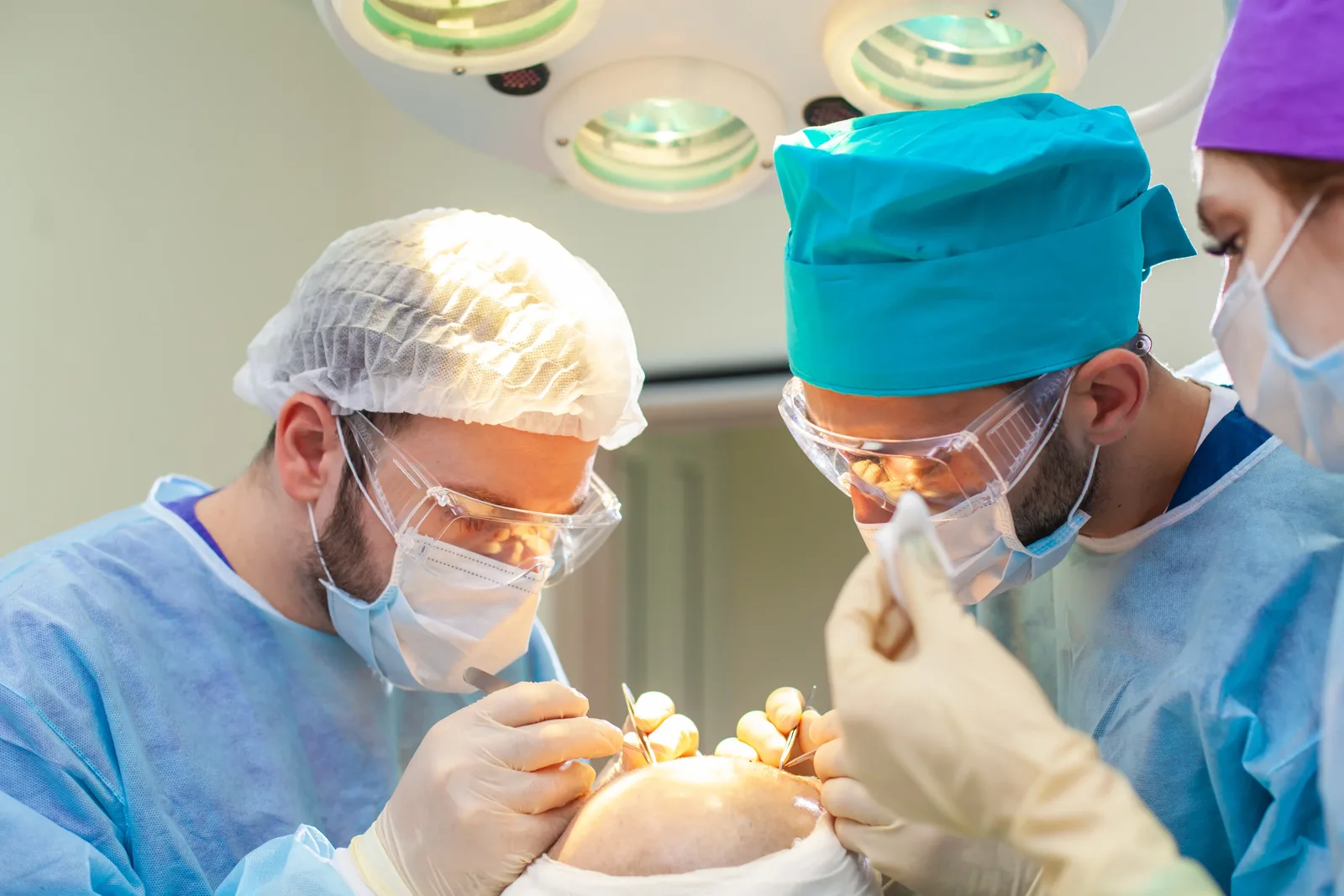
How does the hair transplant process in Turkey work? Discover a detailed guide about hair transplant in Istanbul, recovery, clinic selection, and the premium patient experience.
Learn More
Adem Demiral is a hair transplant specialist based in Atasehir, Istanbul, known for his expertise in hair restoration techniques. Returning to sports and exercise after a hair transplant is an important aspect of the recovery process that requires careful consideration and planning.
After undergoing a hair transplant, the body enters a recovery phase where it is essential to allow the newly transplanted hair follicles to settle and thrive. The recovery timeline can vary depending on the individual and the specific technique used, such as Diamond FUE, DHI Pro, or Sapphire FUE. Each of these methods has its own nuances, but they all share the common goal of promoting optimal healing and hair growth.
During the initial days following the procedure, patients may experience mild discomfort, swelling, and redness in the scalp area. This is a normal part of the healing process as the body responds to the trauma of the surgery. It is crucial to follow the post-operative care instructions provided by the clinic to minimize these symptoms and promote healing. The first week is particularly critical, as this is when the transplanted follicles begin to establish themselves in their new environment. During this time, it is essential to avoid any activities that could disrupt the healing process.
As the recovery progresses, typically after the first week, many patients begin to notice scabs forming around the transplanted follicles. This is a natural part of healing, and it is important not to pick or scratch at these scabs, as doing so can lead to infection or dislodging of the hair follicles. By the end of the second week, most of the initial swelling and redness should subside, and patients may start to feel more comfortable resuming light activities. However, it is still vital to exercise caution as the scalp continues to heal.
Generally, it is advisable to avoid strenuous physical activities for at least two weeks post-procedure. This period allows the scalp to heal and reduces the risk of complications. However, light activities such as walking can usually be resumed shortly after the surgery. Engaging in light walking can promote blood circulation, which is beneficial for healing without putting undue stress on the scalp.
After the initial two-week period, many patients feel ready to gradually reintroduce more intense forms of exercise. However, it is crucial to listen to one’s body and not rush back into a full routine. For example, activities that elevate the heart rate significantly, such as jogging or cycling, should be approached with caution. Patients should monitor how their scalp feels during and after these activities, and if any discomfort arises, it may be necessary to scale back or consult with Adem Demiral for further guidance.
It is also important to consider that individual recovery can vary widely. Factors such as age, overall health, and adherence to post-operative care can influence how quickly one can return to physical activity. Therefore, while the two-week guideline serves as a general rule, patients should prioritize their unique healing journey and consult with their healthcare provider for personalized recommendations.
Different types of sports and exercises can impact the recovery process in various ways. Here’s a breakdown of common activities:
It is crucial to listen to your body during the recovery process. If you experience discomfort, pain, or unusual symptoms, it’s advisable to consult with Adem Demiral or the clinic staff for personalized advice. Each individual’s healing process is unique, and what may be tolerable for one person could be uncomfortable for another. Therefore, being attuned to your body’s signals is essential.
For instance, if you notice swelling or increased redness after engaging in physical activity, it may be a sign that you are pushing your limits too soon. In such cases, it is better to scale back on activities and allow more time for healing. Additionally, keeping a journal of your activities and how your body responds can be a useful tool for tracking your recovery progress and identifying any patterns that may arise.
Moreover, mental health plays a significant role in the recovery process. Engaging in light activities that you enjoy can help maintain a positive mindset. Whether it’s a leisurely walk in nature or gentle yoga, finding ways to stay active without overexerting yourself can contribute to both physical and emotional well-being during recovery.
After resuming physical activities, proper care of the scalp is essential. This includes:
In addition to these care tips, consider incorporating scalp massages into your routine after the initial healing period. Gentle massages can stimulate blood flow to the scalp, which may enhance hair growth and improve overall scalp health. However, be sure to consult with your healthcare provider before beginning any new routines.
At Adem Demiral Hair Clinic, we offer additional treatments such as PRP (Platelet-Rich Plasma) and stem-cell supported care to enhance hair growth and recovery. These treatments can be beneficial in conjunction with your exercise routine. PRP therapy involves drawing a small amount of blood from the patient, processing it to concentrate the platelets, and then injecting it back into the scalp. This process can stimulate hair follicles and promote healing, making it an excellent complement to the hair transplant procedure.
Stem-cell therapy is another innovative approach that can enhance the effectiveness of hair restoration. By utilizing the body’s own regenerative capabilities, stem-cell treatments can help improve hair density and quality. These supportive treatments can be particularly beneficial for patients looking to maximize their results and ensure a successful recovery.
Integrating these treatments into your post-operative care plan can provide an added layer of support during your recovery. It is essential to discuss these options with Adem Demiral during your consultation, as he can help determine the best approach based on your individual needs and goals.
Before returning to your regular exercise routine, it’s wise to schedule a consultation with Adem Demiral. He can provide tailored advice based on your individual situation and the specifics of your hair transplant. During the consultation, patients can discuss their fitness goals, any concerns they may have about resuming physical activity, and receive personalized recommendations to ensure a smooth recovery.
Additionally, this consultation can serve as an opportunity to address any lingering questions about the hair transplant process itself, including what to expect in the months following the procedure. Understanding the timeline for hair growth and the potential for shedding in the initial months can help set realistic expectations and alleviate any anxieties.
Moreover, Adem Demiral’s expertise in hair restoration means he can offer insights into the latest advancements in hair transplant technology and aftercare. Staying informed about the best practices and emerging treatments can empower patients to make informed decisions about their recovery journey.
Returning to sports and exercise after a hair transplant is a gradual process that requires patience and care. By understanding the recovery timeline and listening to your body, you can safely resume your activities while promoting the best outcomes for your hair restoration. It is vital to prioritize healing during this period, as the choices made in the weeks following the procedure can significantly impact the success of the hair transplant.
Ultimately, maintaining open communication with Adem Demiral and adhering to the recommended guidelines for physical activity will help ensure a smooth transition back to your active lifestyle. Remember that the journey to full recovery is not just about physical health, but also about nurturing your emotional well-being as you embark on this new chapter in your hair restoration journey.
It is generally recommended to wait at least two weeks before resuming strenuous exercise, while light activities can often be resumed shortly after surgery. This allows the scalp to heal adequately and reduces the risk of complications.
Contact sports should be avoided for at least a month to prevent any trauma to the scalp and the newly transplanted hair follicles. The risk of injury in these sports can jeopardize the success of the transplant.
Swimming should be avoided for at least three weeks after the procedure to prevent exposure to chlorine and bacteria that can irritate the scalp. Protecting the scalp during this time is crucial for optimal healing.
Light activities like walking are generally safe, while more intense cardio can be resumed cautiously after two weeks. It is important to listen to your body and adjust your activity level accordingly.
Post-exercise care includes gentle washing, avoiding sunlight, and maintaining hydration and a balanced diet to support healing. Proper scalp care is essential for promoting hair growth and recovery.
Yes, it is advisable to consult with Adem Demiral for personalized advice tailored to your recovery and exercise plans. His expertise can help ensure a safe and effective return to physical activity.
This article is published by Adem Demiral Hair Clinic for general information. It is not a diagnosis, a treatment plan, or a personal graft estimate. Suitability requires an in-person assessment in Atasehir.
How does the hair transplant process in Turkey work? Discover a detailed guide about hair transplant in Istanbul, recovery, clinic selection, and the premium patient experience.
Learn More
How does the recovery process after a hair transplant progress? Discover the first wash, shock loss, hair growth timeline, and the 12-month transformation in detail.
Learn More
Discover the differences between DHI and Sapphire FUE hair transplantation. A detailed comparison in terms of density, natural appearance, recovery process, and unshaven hair transplantation.
Learn More
Hair loss can become both a physical and psychological concern for many people. Today, hair transplantation stands out as one of the most effective solutions for addressing this issue.
Learn More
Hair loss can become both a physical and psychological challenge for many people. Today, hair transplantation stands out as one of the most effective solutions to this problem.
Learn MoreFill out the form for hair analysis, appointments, and consultation requests, or contact us directly.