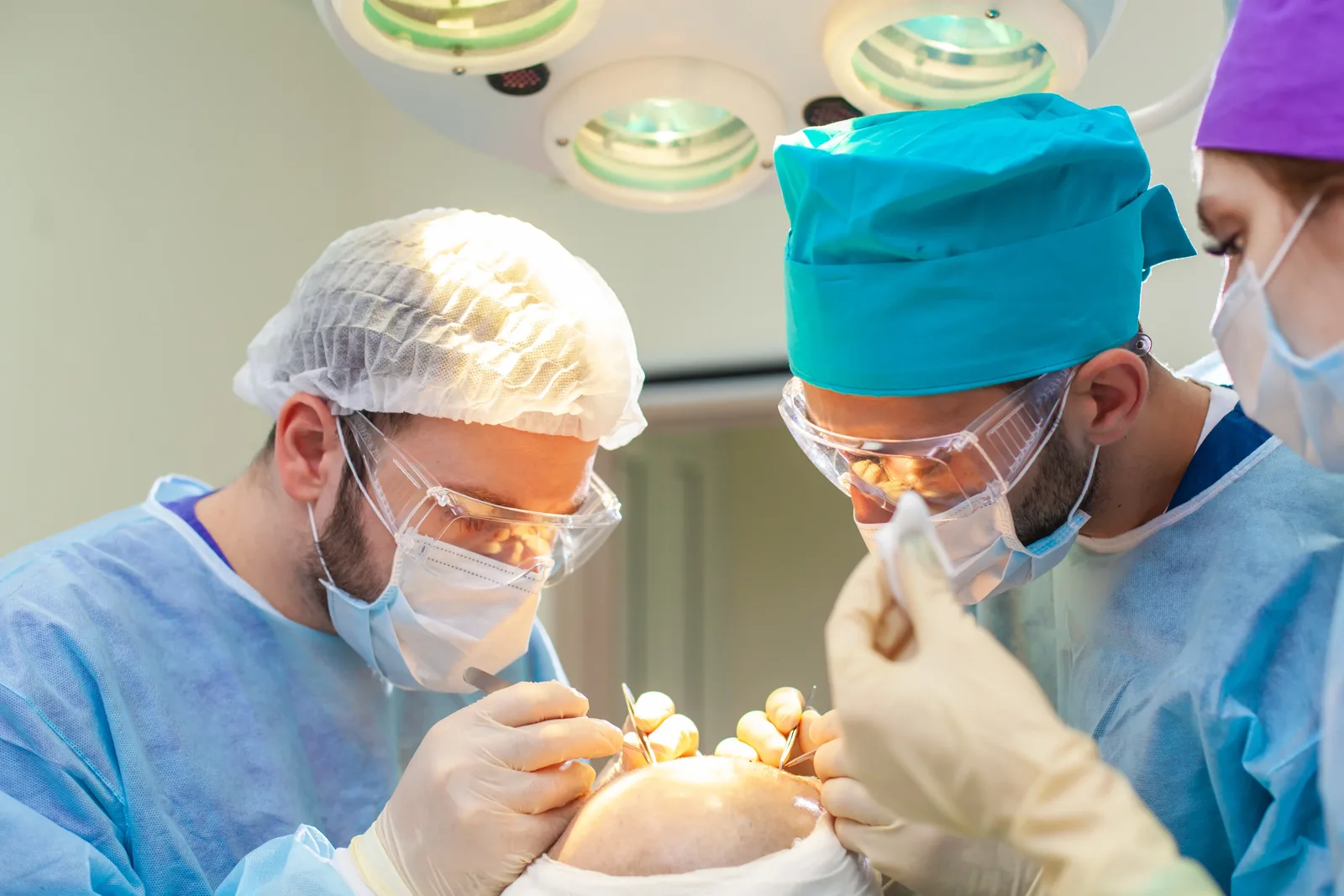
How does the hair transplant process in Turkey work? Discover a detailed guide about hair transplant in Istanbul, recovery, clinic selection, and the premium patient experience.
Learn More
Adem Demiral, a hair transplant specialist located in Atasehir, Istanbul, emphasizes the importance of PRP (Platelet-Rich Plasma) hair treatment in the hair transplantation process. PRP therapy, which harnesses the body's own healing properties, is increasingly recognized for its role in enhancing hair restoration outcomes.
PRP hair treatment involves drawing a small amount of the patient’s blood, processing it to concentrate the platelets, and injecting this enriched plasma into the scalp. This treatment is known for its ability to stimulate hair follicles and promote hair growth, making it a valuable adjunct to hair transplantation. The underlying mechanism of PRP therapy is based on the natural healing properties of platelets, which contain growth factors that are essential for tissue repair and regeneration.
The process begins with a simple blood draw, similar to routine blood tests. Once the blood is collected, it is placed in a centrifuge, where it is spun at high speeds. This spinning separates the blood components based on their density, allowing for the extraction of the platelet-rich plasma. The resulting PRP is then injected into the scalp, specifically targeting areas where hair thinning or loss has occurred. The entire procedure is relatively quick, often taking less than an hour to complete.
PRP therapy is not only beneficial for individuals undergoing hair transplantation but also serves as a standalone treatment for those experiencing hair thinning or loss. The procedure is minimally invasive, requires no downtime, and can be performed in an outpatient setting. As a result, it has gained popularity among both men and women seeking to improve their hair density and overall appearance.
The integration of PRP therapy into the hair transplantation process can significantly improve the overall results. Here are several ways PRP enhances hair transplantation:
Moreover, the synergistic effect of combining PRP with hair transplantation can lead to results that are not only visually appealing but also long-lasting. Studies have shown that patients who incorporate PRP therapy into their hair restoration regimen often experience higher satisfaction rates and improved hair density compared to those who do not.
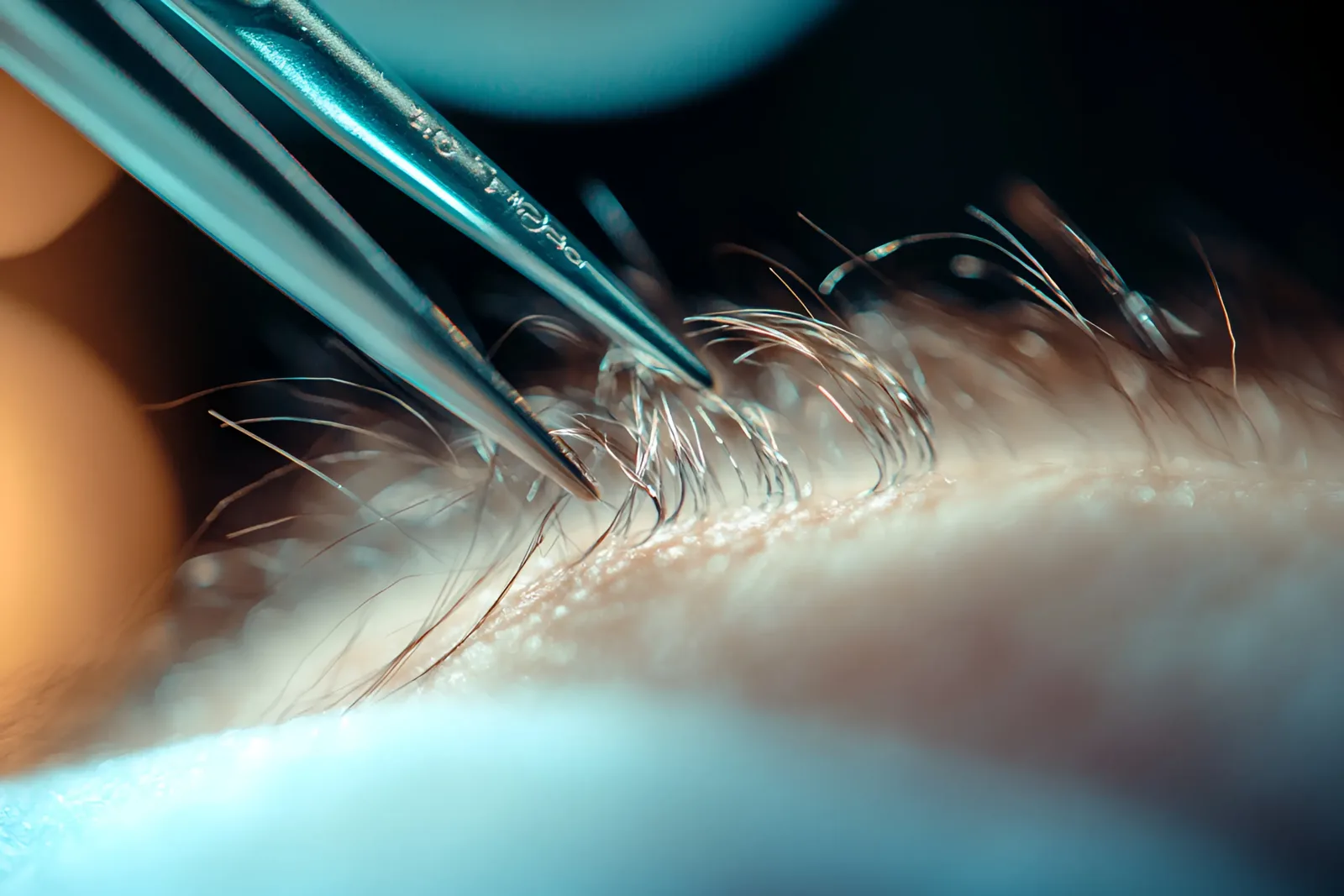
At Adem Demiral Hair Clinic in Atasehir, Istanbul, the PRP procedure is performed with precision and care. The process typically involves the following steps:
The entire procedure is performed under sterile conditions, and patients are closely monitored throughout the process. The use of local anesthetics helps to minimize discomfort during the injections, making the experience as pleasant as possible. Following the procedure, patients receive detailed aftercare instructions to optimize their results and promote healing.
After undergoing PRP treatment, patients are advised to follow specific aftercare instructions to optimize results. These may include:
Patients can expect to see gradual improvements in hair density and thickness over several months following PRP treatment. While some individuals may notice initial results within a few weeks, it typically takes three to six months for the full effects of the treatment to become apparent. Consistency in follow-up treatments is essential, as regular PRP sessions can enhance and maintain the results achieved.
It is also important for patients to manage their expectations regarding the outcomes of PRP therapy. While many individuals experience significant improvements in hair growth and density, results can vary based on factors such as the underlying cause of hair loss, the patient’s overall health, and adherence to post-treatment care. A thorough discussion with the specialist will help set realistic goals for the treatment.
PRP therapy can be effectively combined with various hair restoration techniques available at Adem Demiral Hair Clinic, such as Diamond FUE, DHI Pro, and Sapphire FUE. This combination approach can lead to enhanced results, providing patients with a comprehensive solution for hair loss.
Diamond FUE (Follicular Unit Extraction) is a technique that involves extracting individual hair follicles from the donor area and transplanting them to the thinning areas of the scalp. When combined with PRP therapy, the healing and growth factors in the PRP can improve the survival rate of the transplanted follicles, leading to denser and healthier hair growth.
DHI Pro (Direct Hair Implantation) is another innovative technique that allows for the immediate implantation of hair follicles without the need for prior incisions. The addition of PRP therapy can further enhance this method by promoting faster healing and reducing the risk of complications. Sapphire FUE, which utilizes sapphire blades for a more precise extraction and implantation process, can also benefit from the regenerative properties of PRP, resulting in a more natural-looking outcome.
By integrating PRP therapy with these advanced hair restoration techniques, patients can achieve optimal results that address their specific hair loss concerns. This multidisciplinary approach not only improves the aesthetic outcomes but also enhances the overall patient experience, ensuring that individuals feel confident and satisfied with their hair restoration journey.
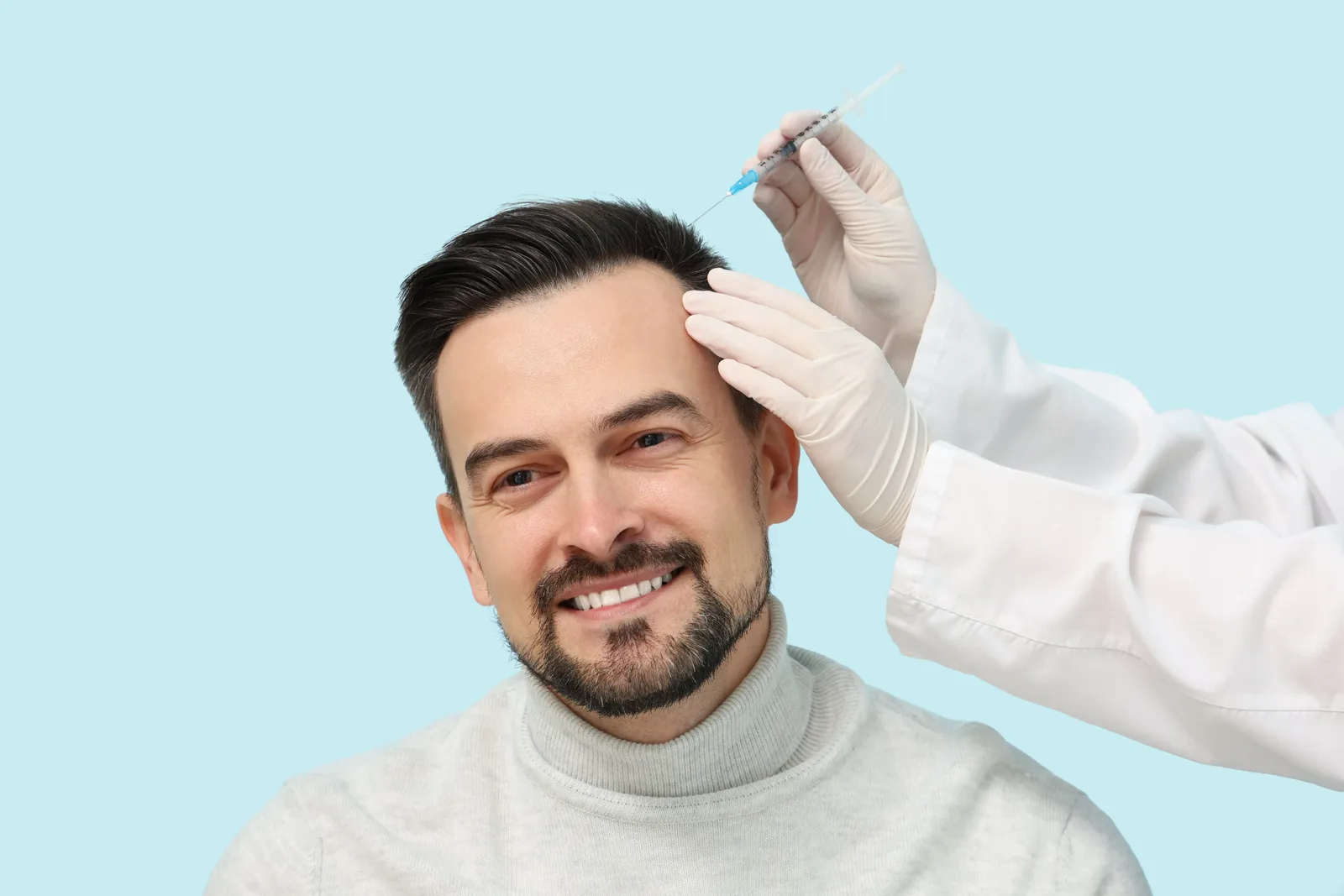
In summary, PRP hair treatment plays a crucial role in the hair transplantation process at Adem Demiral Hair Clinic in Atasehir, Istanbul. By enhancing graft survival, stimulating hair follicles, and supporting overall hair health, PRP therapy is an invaluable tool for achieving optimal hair restoration outcomes. The combination of expertise, advanced techniques, and personalized treatment plans ensures that patients receive the highest level of care and the best possible results.
As the field of hair restoration continues to evolve, PRP therapy remains at the forefront, offering patients a safe, effective, and minimally invasive solution to combat hair loss. Those considering hair transplantation or seeking to improve their hair density should explore the benefits of PRP therapy as part of their treatment plan.
PRP hair treatment involves using the patient's own blood to extract platelet-rich plasma, which is then injected into the scalp to promote hair growth. This innovative therapy leverages the body’s natural healing processes to stimulate hair follicles and enhance overall hair health.
PRP enhances hair transplantation by stimulating hair follicles, improving graft survival, and reducing healing time. The growth factors present in PRP play a vital role in rejuvenating hair follicles, ensuring that the transplanted hair has the best chance of thriving.
Most patients experience minimal discomfort during PRP injections, as a local anesthetic can be applied to the scalp beforehand. The procedure is generally well-tolerated, and any discomfort is usually short-lived.
The number of recommended PRP sessions varies by individual, but typically, a series of three to four treatments spaced a month apart is suggested for optimal results. Ongoing maintenance sessions may also be recommended to sustain the effects.
PRP therapy is effective for various types of hair loss, including androgenetic alopecia and thinning hair, but it's essential to consult with a specialist for a personalized assessment. An individualized approach ensures that the treatment plan addresses the specific needs and goals of each patient.
For more information about PRP and other hair restoration services, visit the Adem Demiral Hair Clinic website or contact us directly. Our team is dedicated to providing comprehensive information and support to help you make informed decisions about your hair restoration journey.
This article is published by Adem Demiral Hair Clinic for general information. It is not a diagnosis, a treatment plan, or a personal graft estimate. Suitability requires an in-person assessment in Atasehir.
How does the hair transplant process in Turkey work? Discover a detailed guide about hair transplant in Istanbul, recovery, clinic selection, and the premium patient experience.
Learn More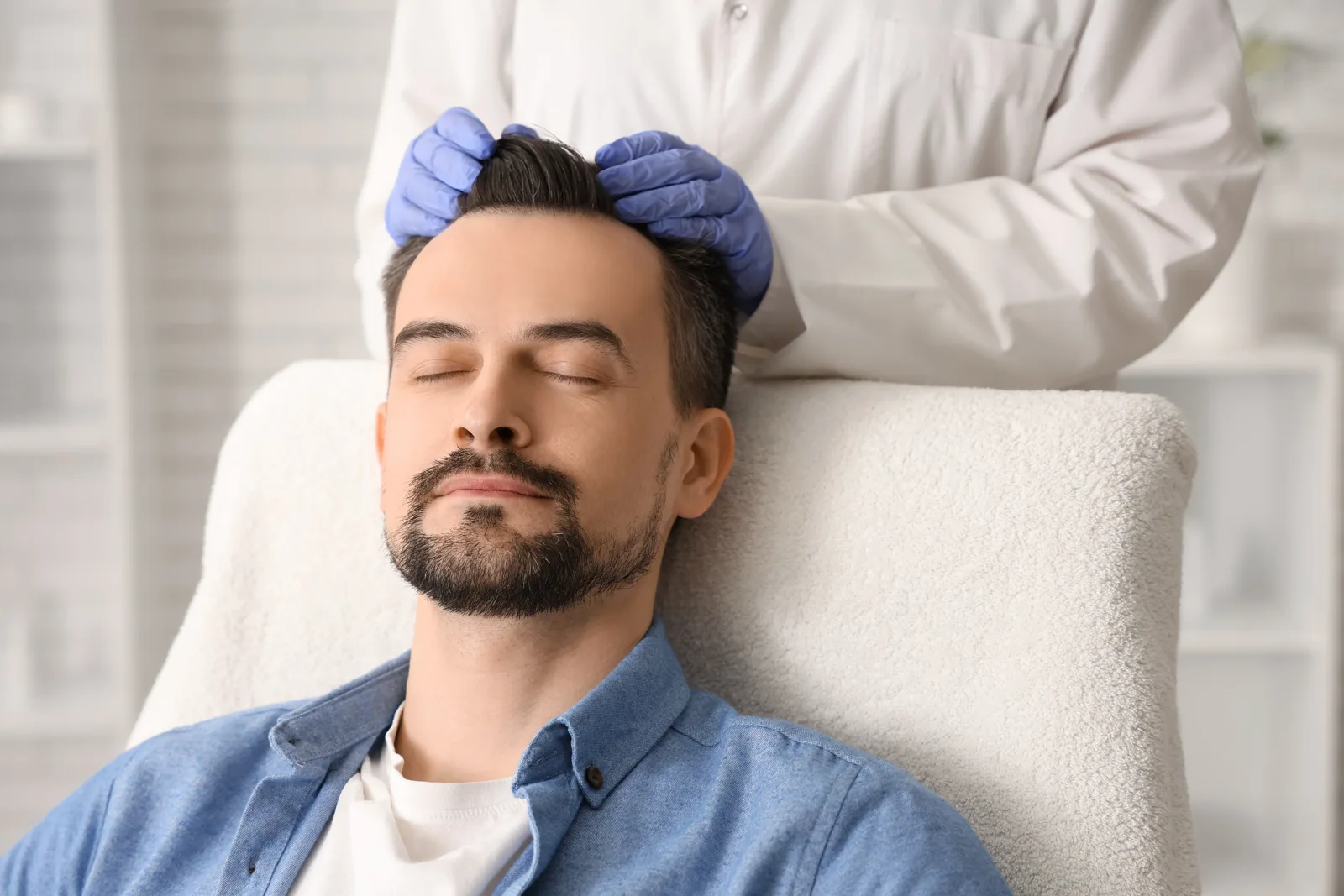
How does the recovery process after a hair transplant progress? Discover the first wash, shock loss, hair growth timeline, and the 12-month transformation in detail.
Learn More
Discover the differences between DHI and Sapphire FUE hair transplantation. A detailed comparison in terms of density, natural appearance, recovery process, and unshaven hair transplantation.
Learn More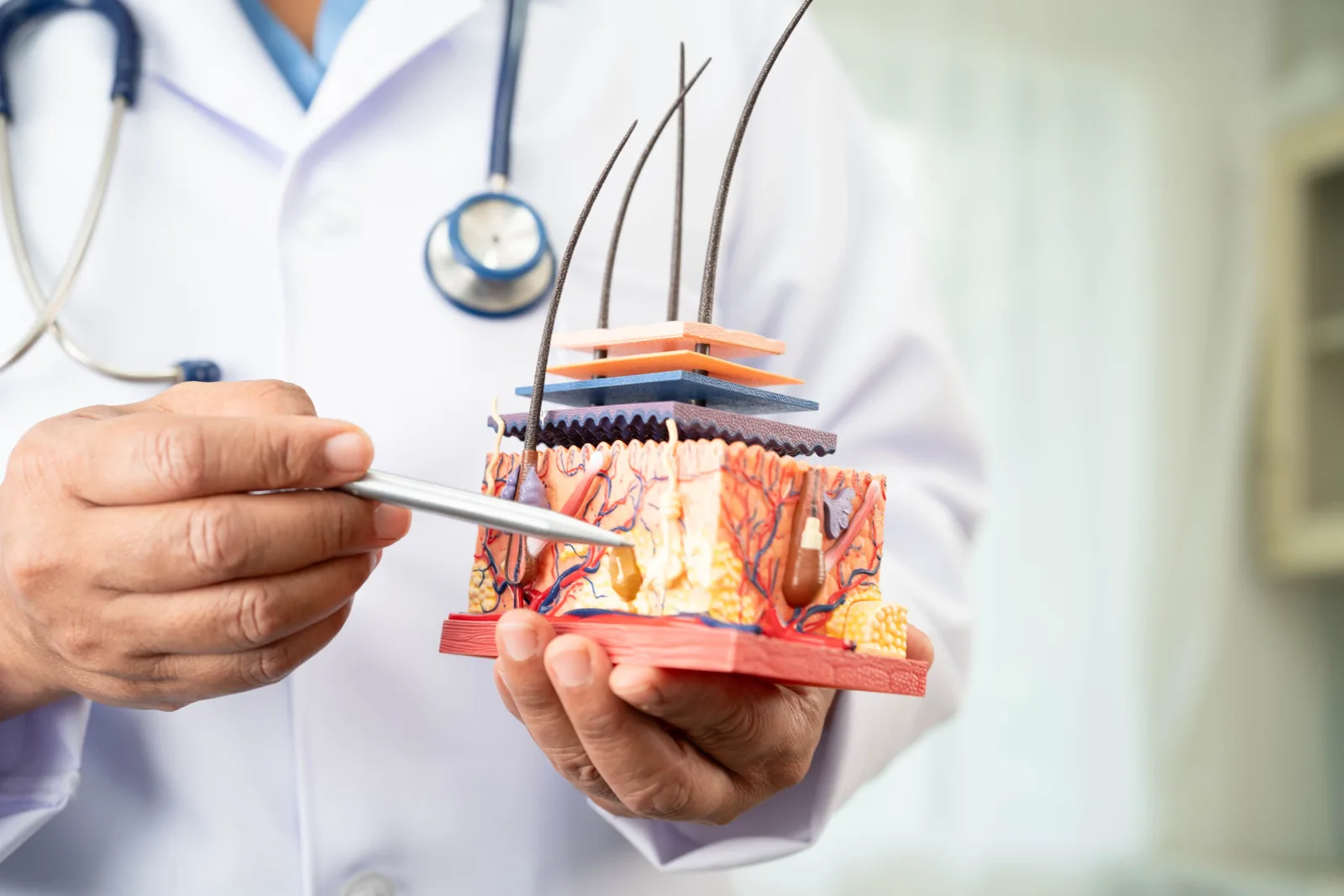
Hair loss can become both a physical and psychological concern for many people. Today, hair transplantation stands out as one of the most effective solutions for addressing this issue.
Learn More
Hair loss can become both a physical and psychological challenge for many people. Today, hair transplantation stands out as one of the most effective solutions to this problem.
Learn MoreFill out the form for hair analysis, appointments, and consultation requests, or contact us directly.