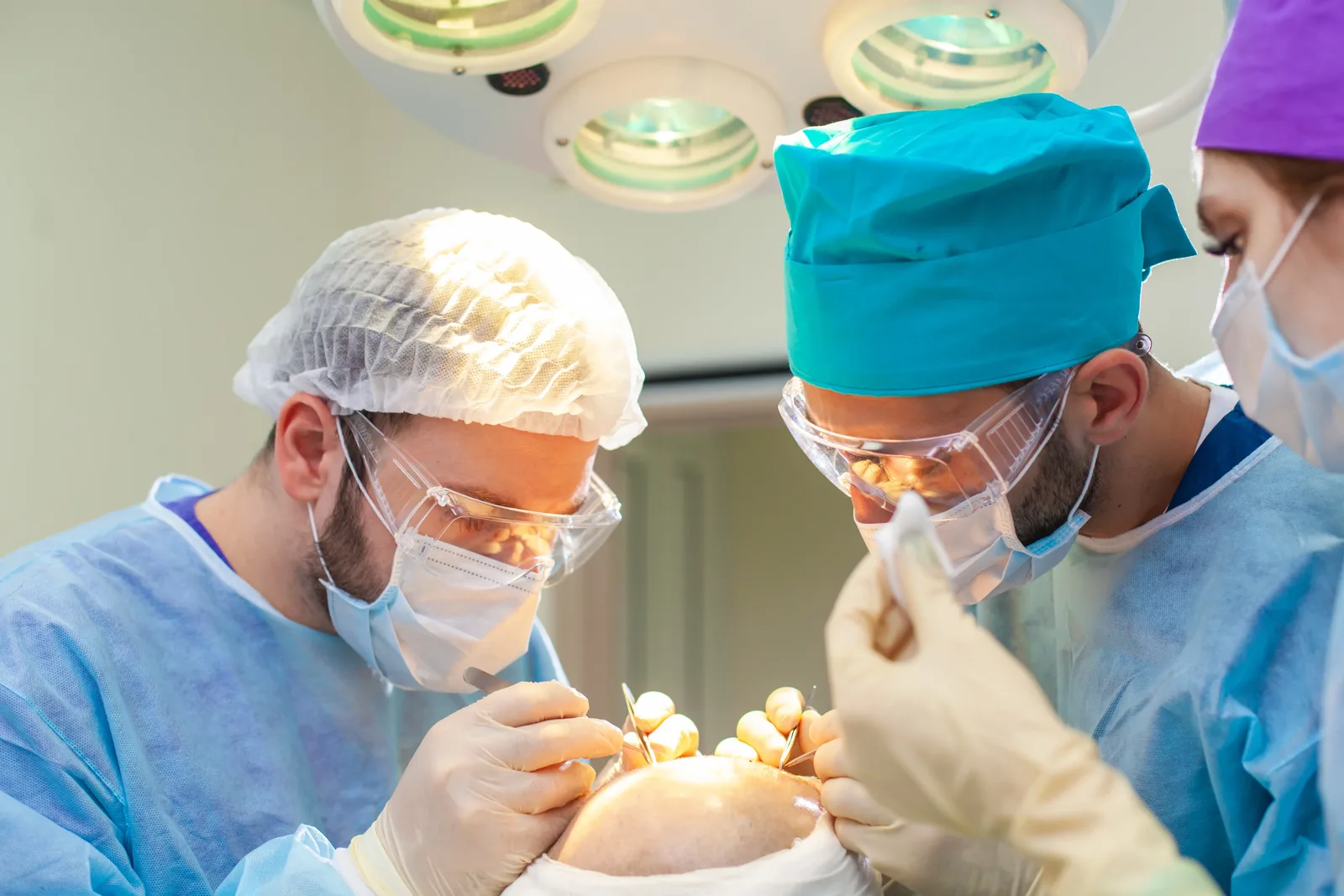
How does the hair transplant process in Turkey work? Discover a detailed guide about hair transplant in Istanbul, recovery, clinic selection, and the premium patient experience.
Learn More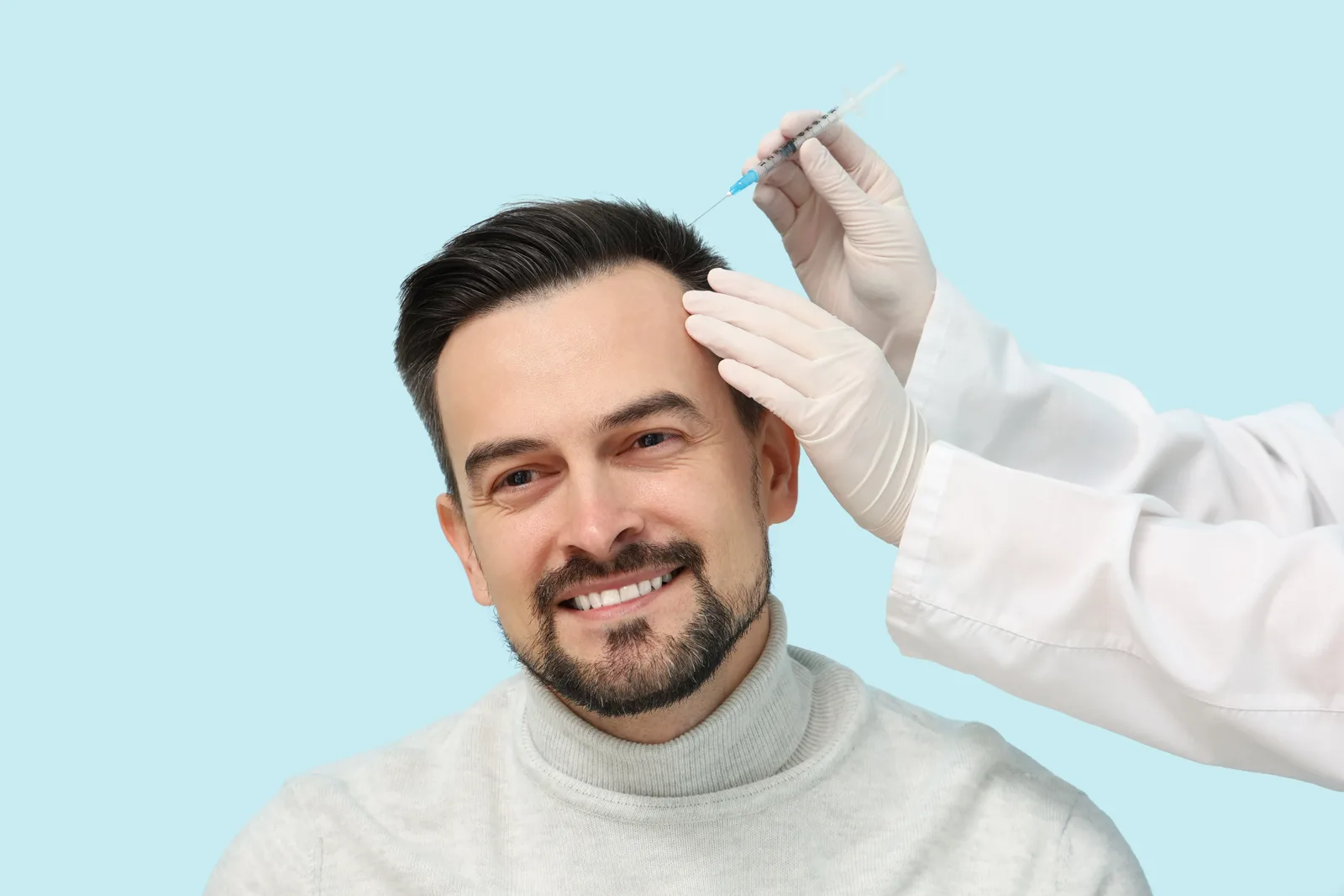
Adem Demiral is a hair transplant specialist based in Atasehir, Istanbul, focusing on the intricacies of hair restoration for various hair types, including curly and wavy hair. Understanding the unique characteristics of these hair types is crucial for effective hair transplant planning.
Curly and wavy hair presents unique challenges and opportunities in the context of hair transplants. The structure of curly hair differs significantly from straight hair, affecting how hair follicles are harvested and implanted. Curly hair tends to have a more complex structure due to its curvature, which can influence the way it grows and how it is perceived aesthetically. This complexity necessitates a tailored approach in hair restoration procedures to achieve natural-looking results.
Moreover, the characteristics of curly and wavy hair can vary significantly among different ethnicities and individuals. For instance, the curl pattern can range from loose waves to tight coils, each requiring different techniques for optimal transplantation. Understanding these variations is essential for hair transplant specialists, as they must adapt their methods to suit the specific needs of each patient. This adaptability not only enhances the success of the transplant but also ensures that the final outcome aligns with the patient's expectations.
In addition to the structural differences, curly and wavy hair often has a unique texture that can affect its appearance. The way light interacts with the curls can create an illusion of volume, making the hair appear denser than it actually is. This characteristic can be advantageous in hair restoration, as it allows for a more natural look, even in areas where hair density is lower. However, it also means that careful consideration must be given to the placement and angle of the transplanted follicles to maintain this aesthetic appeal.
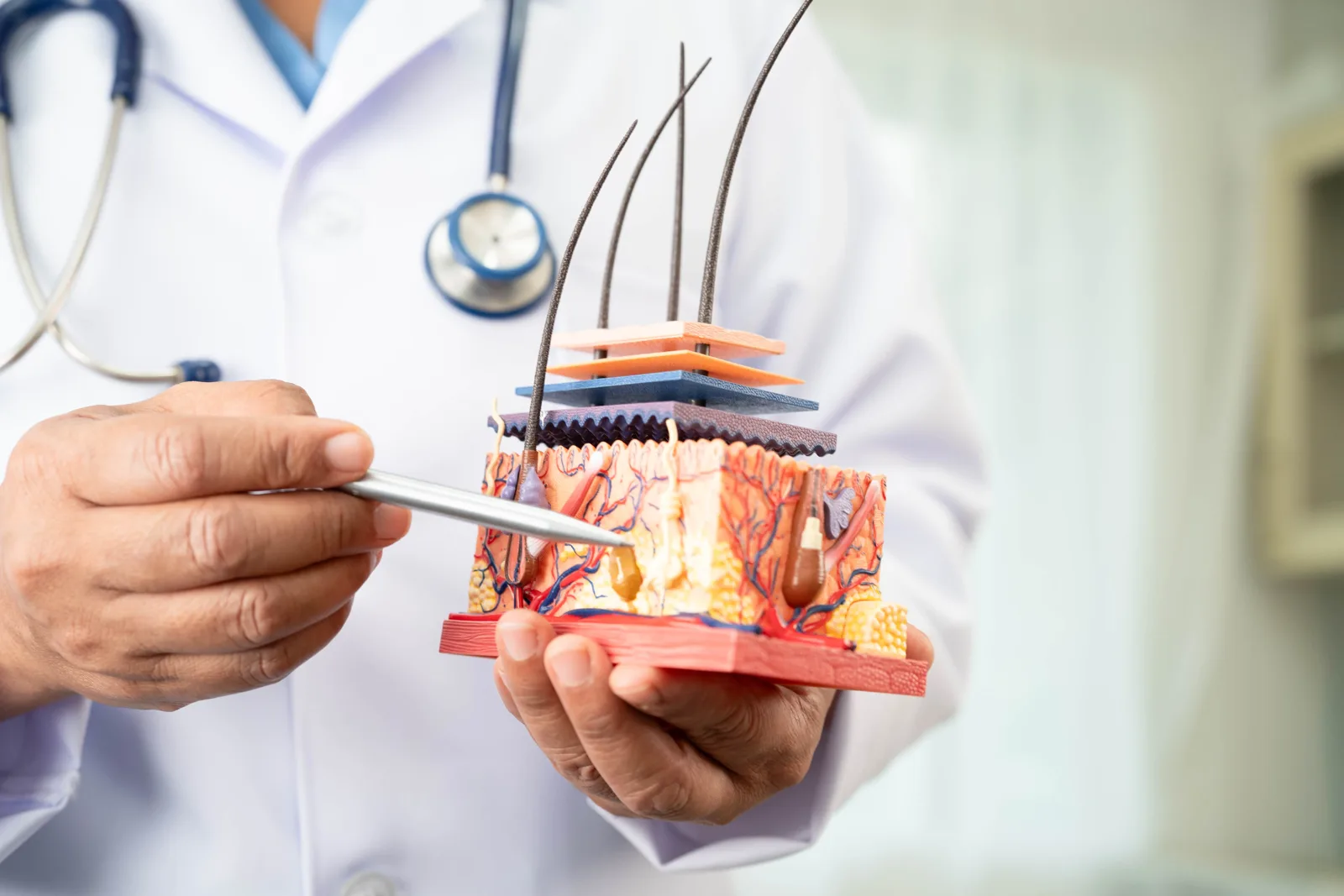
The shape of hair follicles is a critical factor in the success of hair transplants. Curly hair follicles, being oval or asymmetrical, can complicate the harvesting process. Unlike straight hair follicles, which can be easily extracted and implanted, the irregular shape of curly follicles requires a more precise approach. This precision is essential to prevent damage to the follicles during extraction, which can hinder their ability to grow once transplanted.
Furthermore, the growth patterns of curly hair can be unpredictable. Unlike straight hair, which typically grows in a uniform direction, curly hair can have multiple growth directions within the same area. This variability necessitates a careful examination of the natural growth patterns before implantation. The angle at which follicles are implanted must match the existing growth direction to ensure that the newly transplanted hair integrates seamlessly with the surrounding hair.
Density and texture are also significant considerations in hair transplant planning. Curly hair often appears denser due to its natural volume and texture, which can create a fuller look even with fewer follicles. This characteristic can be advantageous in hair restoration, as it allows for a more natural appearance even in areas with lower hair density. However, it also means that careful attention must be paid to the distribution of transplanted follicles to avoid an unnatural look.

Each individual’s hair characteristics necessitate a personalized approach to hair transplant planning. At Adem Demiral Hair Clinic, we emphasize the importance of thorough consultations to understand the specific needs of each patient. This personalized planning process begins with an in-depth consultation, during which patients can discuss their hair concerns, desired outcomes, and any previous hair restoration experiences. Understanding the patient's expectations is crucial for setting realistic goals and ensuring satisfaction with the final results.
During the consultation, our specialists conduct a comprehensive evaluation of the patient's hair type, scalp condition, and overall health. This evaluation includes assessing the curl pattern, hair density, and any existing hair loss patterns. By gathering this information, we can create a tailored treatment plan that addresses the unique characteristics of the patient's hair. This individualized approach not only enhances the effectiveness of the transplant but also minimizes the risk of complications.
Moreover, personalized planning extends beyond the initial consultation. Throughout the entire hair restoration process, our team remains in close communication with patients, providing guidance and support at every stage. This ongoing relationship ensures that patients feel confident and informed about their treatment, leading to better outcomes and higher satisfaction rates. By prioritizing personalized care, we aim to create a comfortable and supportive environment for our patients, ultimately enhancing their overall experience.
Several techniques can be employed for hair transplants in curly and wavy hair, including:
Diamond FUE (Follicular Unit Extraction) is a cutting-edge technique that utilizes a diamond-tipped punch for follicle extraction. This method is particularly advantageous for curly hair, as it allows for precise harvesting of follicles while minimizing damage to the surrounding scalp. The diamond tip creates cleaner incisions, reducing the risk of scarring and promoting faster healing. Additionally, this technique is less invasive than traditional methods, resulting in less discomfort for the patient during and after the procedure.
Direct Hair Implantation (DHI Pro) is another advanced technique that offers significant benefits for curly and wavy hair. This method allows for the simultaneous extraction and implantation of hair follicles, providing greater control over the angle and depth of each follicle. This precision is especially important for curly hair, as it ensures that the newly transplanted follicles align with the natural growth patterns of the existing hair. By maintaining the correct angle during implantation, we can achieve a more natural look and enhance the overall aesthetic of the transplant.
Sapphire FUE is a technique that employs sapphire blades for follicle extraction and implantation. The use of sapphire blades enhances the accuracy of incisions, which is crucial for curly hair. The sharpness of the sapphire blades allows for smaller incisions, reducing trauma to the scalp and promoting faster healing. This technique also minimizes the risk of damage to the hair follicles, ensuring a higher survival rate post-transplant. By combining these advanced techniques, we can achieve optimal results for patients with curly and wavy hair.
For individuals with curly or wavy hair who prefer not to shave their heads, unshaven transplant techniques can be highly effective. This method allows for hair restoration without significant changes to the existing hairstyle. The unshaven technique is particularly appealing to patients who may be concerned about the social implications of shaving their heads, as it enables them to maintain their current look while undergoing the transplant process.
Unshaven transplant techniques involve extracting and implanting hair follicles without the need for shaving the donor area. This approach requires a high level of skill and precision from the hair transplant specialist, as the follicles must be carefully harvested from the existing hair without causing damage. By using specialized tools and techniques, our team at Adem Demiral Hair Clinic can achieve successful results while preserving the patient's natural hairstyle.
One of the key advantages of unshaven transplant techniques is that they allow for a quicker recovery time. Patients can return to their daily activities without the need to hide their shaved head, making it a convenient option for those with busy lifestyles. Additionally, this technique can help to conceal the signs of the transplant procedure, as the surrounding hair can help to camouflage any redness or swelling in the donor area. Overall, unshaven transplant techniques offer a practical and effective solution for individuals with curly or wavy hair who wish to undergo hair restoration.
Post-transplant care is critical for ensuring the success of the procedure. Curly and wavy hair may require specific care routines to promote healthy growth and maintain the integrity of the transplanted follicles. After the hair transplant, patients are provided with detailed instructions on how to care for their hair and scalp to optimize healing and hair growth. Adhering to these guidelines is essential for achieving the best possible results.
One of the primary considerations in post-transplant care for curly and wavy hair is the use of appropriate hair care products. Patients are often advised to use sulfate-free shampoos and conditioners that are specifically formulated for curly hair. These products help to maintain moisture levels and prevent dryness, which can be particularly important for newly transplanted follicles. Additionally, patients should avoid harsh styling products and heat treatments that can damage the hair and scalp during the healing process.
Another important aspect of post-transplant care is the maintenance of a healthy scalp environment. Patients are encouraged to keep the scalp clean and free from excess oil and debris, as this can promote healthy hair growth. Regular gentle cleansing and moisturizing can help to support the healing process and ensure that the transplanted follicles receive the nutrients they need to thrive. By following a tailored post-transplant care routine, patients can maximize the success of their hair restoration procedure and enjoy long-lasting results.
At Adem Demiral Hair Clinic, we also offer PRP (Platelet-Rich Plasma) and stem-cell supported care as part of our comprehensive hair restoration services. These treatments can enhance healing and improve the overall results of hair transplants. PRP therapy involves drawing a small amount of the patient's blood and processing it to concentrate the platelets. These platelets are then injected into the scalp to stimulate hair growth and promote healing in the transplanted area.
The growth factors present in PRP play a crucial role in enhancing the healing process and improving the survival rate of transplanted follicles. By promoting blood circulation and delivering essential nutrients to the hair follicles, PRP therapy can help to accelerate recovery and optimize hair growth. This non-invasive treatment can be particularly beneficial for patients with curly and wavy hair, as it supports the unique needs of these hair types and enhances the overall aesthetic outcome of the transplant.
Stem-cell supported care is another innovative approach that we offer at our clinic. This treatment involves utilizing the regenerative properties of stem cells to promote hair growth and improve scalp health. Stem cells have the ability to differentiate into various cell types, making them a powerful tool in hair restoration. By incorporating stem-cell therapy into the post-transplant care regimen, we can enhance the effectiveness of the procedure and provide patients with the best possible results.
Before proceeding with a hair transplant, it is essential to undergo a thorough evaluation. Our team at Adem Demiral Hair Clinic conducts detailed assessments to determine the best approach tailored to your hair type and individual needs. This evaluation process includes a comprehensive analysis of the patient's hair and scalp, as well as a review of their medical history and any relevant factors that may influence the success of the transplant.
During the consultation, patients have the opportunity to discuss their goals and expectations for the hair transplant. Our specialists take the time to listen to each patient's concerns and provide personalized recommendations based on their unique hair characteristics. This collaborative approach ensures that patients feel informed and empowered throughout the decision-making process.
For more information, visit our pre-evaluation page. Here, you can learn more about the steps involved in the consultation process and what to expect during your visit to our clinic. We are committed to providing our patients with the highest level of care and support, and we look forward to helping you achieve your hair restoration goals.
Planning hair transplants for curly and wavy hair requires a nuanced understanding of hair structure and growth patterns. By utilizing advanced techniques and personalized planning, Adem Demiral Hair Clinic in Atasehir, Istanbul, aims to provide optimal results for all hair types. Our commitment to excellence in hair restoration ensures that each patient receives the highest quality of care, tailored to their individual needs.
As the field of hair restoration continues to evolve, we remain at the forefront of innovation, incorporating the latest advancements and techniques into our practice. Our team of experienced specialists is dedicated to helping patients achieve their desired outcomes, whether they have curly, wavy, or straight hair. With a focus on personalized care and cutting-edge technology, we strive to make hair restoration a positive and empowering experience for all our patients.
Curly hair presents challenges such as unique follicle shapes and growth patterns, requiring specialized techniques for successful transplants. The irregular shape of curly hair follicles can complicate the harvesting process, and the varying growth directions necessitate careful planning during implantation.
The texture of curly and wavy hair can influence the density and appearance of the transplant, necessitating personalized planning for each patient. The unique volume and density of curly hair can create a fuller look, but careful attention must be paid to the distribution of transplanted follicles to ensure a natural appearance.
Techniques like Diamond FUE, DHI Pro, and Sapphire FUE are particularly effective for wavy hair due to their precision and adaptability. These advanced methods allow for tailored follicle extraction and implantation, ensuring that the unique characteristics of wavy hair are accommodated.
Yes, unshaven transplant techniques allow for hair restoration without shaving, making it a suitable option for many patients. This method enables individuals to maintain their existing hairstyle while undergoing the transplant process.
Post-transplant care for curly hair may include specific hair care routines and products to promote healthy growth and follicle integrity. Patients are often advised to use sulfate-free products and maintain a clean scalp environment to support healing.
PRP therapy enhances healing and can improve the overall results of hair transplants by promoting hair growth and follicle health. The growth factors in PRP stimulate blood circulation and deliver essential nutrients to the hair follicles, optimizing recovery and hair growth.
This article is published by Adem Demiral Hair Clinic for general information. It is not a diagnosis, a treatment plan, or a personal graft estimate. Suitability requires an in-person assessment in Atasehir.
How does the hair transplant process in Turkey work? Discover a detailed guide about hair transplant in Istanbul, recovery, clinic selection, and the premium patient experience.
Learn More
How does the recovery process after a hair transplant progress? Discover the first wash, shock loss, hair growth timeline, and the 12-month transformation in detail.
Learn More
Discover the differences between DHI and Sapphire FUE hair transplantation. A detailed comparison in terms of density, natural appearance, recovery process, and unshaven hair transplantation.
Learn More
Hair loss can become both a physical and psychological concern for many people. Today, hair transplantation stands out as one of the most effective solutions for addressing this issue.
Learn More
Hair loss can become both a physical and psychological challenge for many people. Today, hair transplantation stands out as one of the most effective solutions to this problem.
Learn MoreFill out the form for hair analysis, appointments, and consultation requests, or contact us directly.