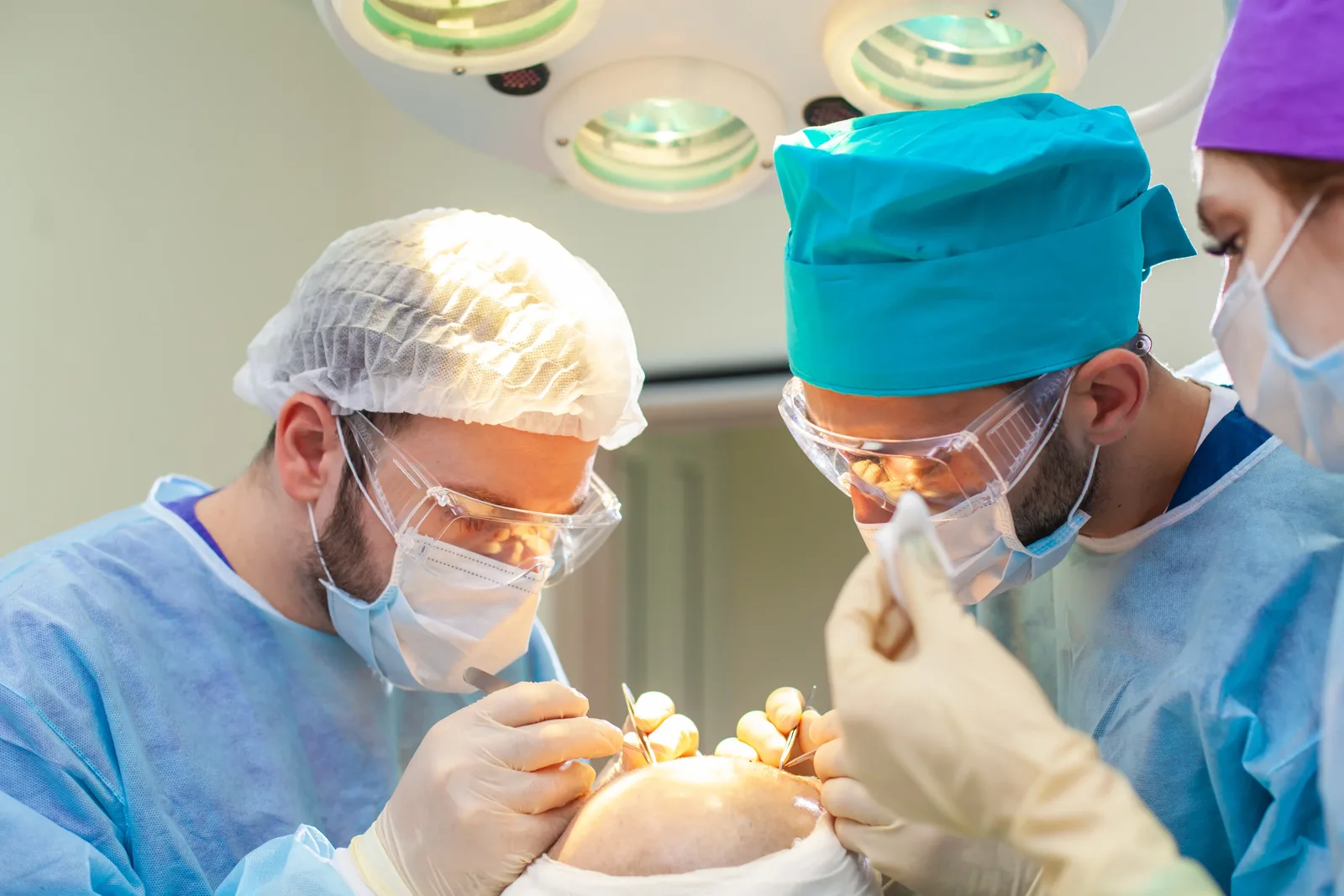
How does the hair transplant process in Turkey work? Discover a detailed guide about hair transplant in Istanbul, recovery, clinic selection, and the premium patient experience.
Learn More
The Norwood scale is a widely recognized classification system used to assess the stages of male pattern baldness. Developed by Dr. O'Tar Norwood, this scale provides a visual representation of hair loss progression, ranging from minimal thinning to complete baldness. While the Norwood scale serves as a useful starting point for understanding hair loss, it is essential to recognize that it is not enough on its own, especially when considering personalized treatment plans. At Adem Demiral Hair Clinic, a renowned hair transplant specialist based in Atasehir, Istanbul, we emphasize the importance of a comprehensive evaluation that goes beyond the Norwood scale.
The Norwood scale categorizes male pattern baldness into seven distinct stages, each representing varying degrees of hair loss. The stages are as follows:
This classification helps patients and specialists communicate about hair loss stages. However, it does not account for individual variations in hair density, scalp condition, and other critical factors. Understanding these stages can help patients gauge their current situation and consider potential treatment options. However, it is important to remember that the Norwood scale is not a diagnostic tool; rather, it serves as a framework for understanding the progression of hair loss.
Moreover, the Norwood scale is primarily focused on male pattern baldness, which is characterized by a specific pattern of hair loss. While it can provide insight into the typical progression for many men, it does not encompass other forms of hair loss such as alopecia areata, telogen effluvium, or scarring alopecia. Therefore, patients experiencing hair loss should seek a comprehensive evaluation from a qualified specialist to determine the underlying cause of their condition.
While the Norwood scale is a valuable tool, it has several limitations that can impact treatment decisions:
In summary, while the Norwood scale provides a framework for understanding male pattern baldness, it is essential to recognize its limitations. A comprehensive evaluation that considers individual patient characteristics, scalp health, and psychological well-being is necessary to create effective treatment plans.
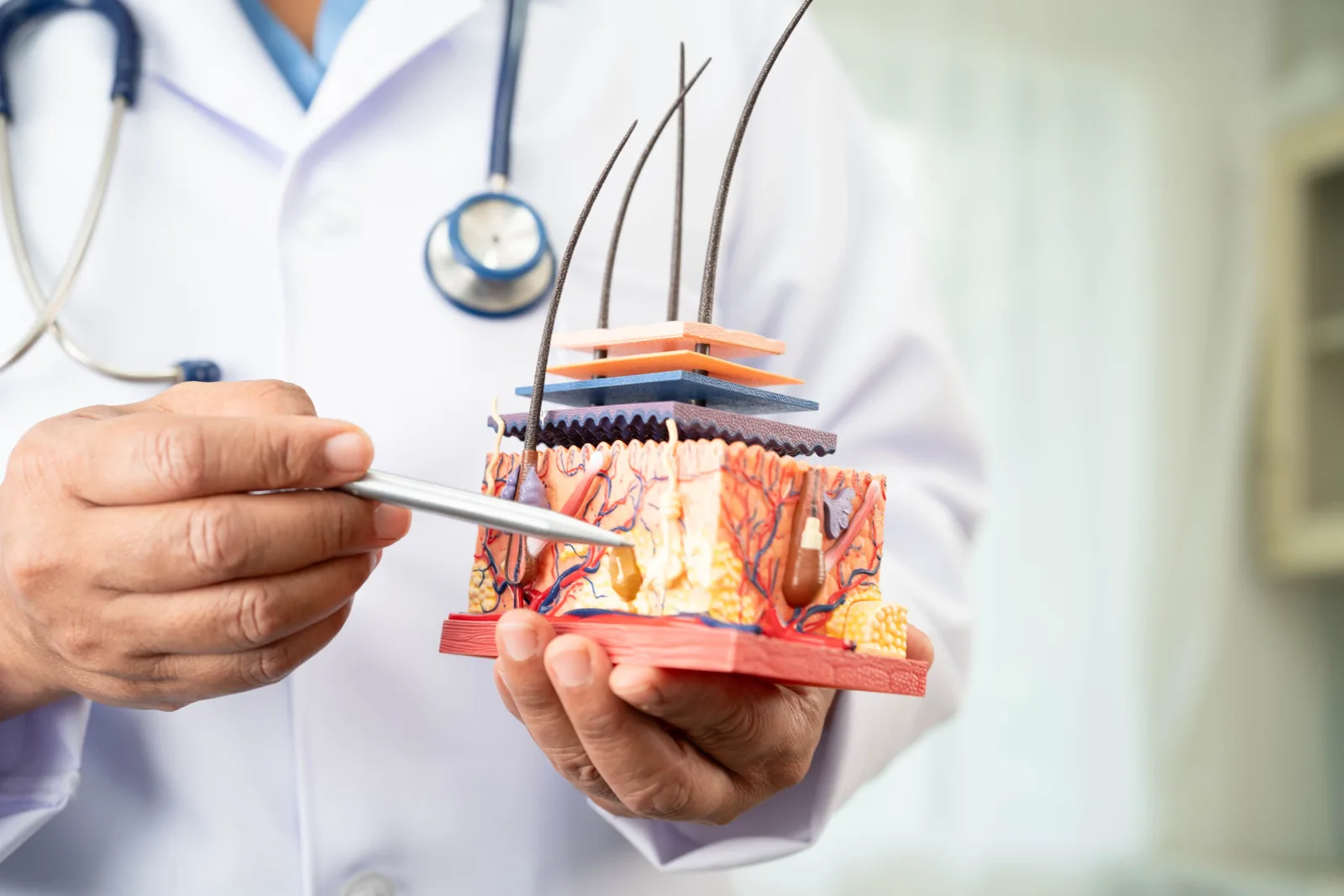
At Adem Demiral Hair Clinic in Atasehir, Istanbul, we believe that a thorough hair loss evaluation is essential for effective treatment planning. Our approach includes:
This comprehensive evaluation allows us to tailor hair transplant solutions, such as Diamond FUE, DHI Pro, or unshaven transplant techniques, to meet each patient's specific needs. During the initial consultation, we take the time to listen to the patient's concerns and goals regarding their hair restoration journey. This dialogue is crucial in establishing a rapport and ensuring that the patient feels understood and supported throughout the process.
Additionally, we conduct a thorough examination of the scalp to identify any underlying conditions that may affect hair growth. This includes checking for signs of inflammation, infection, or other dermatological issues. By addressing these factors early on, we can enhance the likelihood of a successful hair transplant and improve overall hair health. Furthermore, we utilize advanced diagnostic tools, such as trichoscopy, to assess hair density and follicle health, providing us with a clearer picture of the patient's hair loss pattern.
Moreover, we also emphasize the importance of understanding the patient's lifestyle factors. For instance, dietary habits, stress levels, and smoking can all influence hair health. By discussing these aspects, we can recommend lifestyle modifications that may complement the treatment plan and promote healthier hair growth. This holistic approach ensures that we address not just the symptoms of hair loss but also the underlying causes.
At our clinic, we utilize various advanced hair transplant techniques that go beyond the limitations of the Norwood scale:
Each of these techniques has its own advantages and is chosen based on the individual needs and preferences of the patient. Our team of specialists is well-trained in these advanced methods, ensuring that each patient receives the highest standard of care. We also stay updated with the latest advancements in hair restoration technology, allowing us to offer innovative solutions that enhance the overall patient experience and outcomes.
Furthermore, we recognize that hair restoration is not just about the procedure itself but also about the recovery process. Our post-operative care includes detailed instructions for patients on how to care for their scalp and newly transplanted hair, as well as follow-up appointments to monitor progress. This ongoing support is crucial for ensuring the longevity and success of the hair transplant.
Every patient is unique, and their hair loss journey requires a personalized approach. By understanding the limitations of the Norwood scale, we can create tailored treatment plans that consider individual needs and goals. This personalized care is crucial for achieving optimal results and patient satisfaction. Our specialists take into account not only the stage of hair loss but also the patient's lifestyle, preferences, and expectations.
For instance, some patients may prioritize a natural-looking hairline, while others may be more concerned with density or coverage. By discussing these priorities during the consultation, we can align our treatment strategies with the patient's vision. This collaborative approach fosters a sense of ownership over the treatment process, empowering patients to be active participants in their hair restoration journey.
Moreover, personalized treatment plans also involve setting realistic expectations regarding the outcomes of hair restoration. We provide patients with a clear understanding of what they can expect in terms of hair growth timelines, potential results, and the possibility of future hair loss. By managing expectations, we help patients prepare for the journey ahead and reduce the risk of disappointment.
Additionally, ongoing communication is a key component of personalized care. We encourage patients to reach out with any questions or concerns throughout the process, ensuring that they feel supported at every stage. This commitment to open dialogue not only enhances the patient experience but also contributes to better overall outcomes.
While the Norwood scale is a valuable tool for assessing male pattern baldness, it is not sufficient on its own for comprehensive hair loss evaluation and treatment planning. At Adem Demiral Hair Clinic in Atasehir, Istanbul, we prioritize a holistic approach that considers individual variations, scalp health, and future hair loss potential. Our advanced techniques and personalized treatment plans ensure that each patient receives the care they deserve. By recognizing the limitations of the Norwood scale and embracing a comprehensive evaluation strategy, we can provide our patients with effective solutions that cater to their unique needs and aspirations.
The Norwood scale is a classification system used to measure the stages of male pattern baldness, ranging from minimal thinning to complete baldness.
The Norwood scale does not account for individual hair characteristics, scalp health, future hair loss, or emotional impacts, making it insufficient for comprehensive evaluation.
We conduct a detailed patient history, scalp assessment, and consider lifestyle factors to create a personalized treatment plan.
We offer Diamond FUE, DHI Pro, unshaven transplants, and PRP and stem-cell supported care to enhance hair transplant outcomes.
Future hair loss can occur, and our specialists discuss this during the evaluation to help plan for long-term results.
You can reach us through our contact page for inquiries or to schedule a consultation.
This article is published by Adem Demiral Hair Clinic for general information. It is not a diagnosis, a treatment plan, or a personal graft estimate. Suitability requires an in-person assessment in Atasehir.
How does the hair transplant process in Turkey work? Discover a detailed guide about hair transplant in Istanbul, recovery, clinic selection, and the premium patient experience.
Learn More
How does the recovery process after a hair transplant progress? Discover the first wash, shock loss, hair growth timeline, and the 12-month transformation in detail.
Learn More
Discover the differences between DHI and Sapphire FUE hair transplantation. A detailed comparison in terms of density, natural appearance, recovery process, and unshaven hair transplantation.
Learn More
Hair loss can become both a physical and psychological concern for many people. Today, hair transplantation stands out as one of the most effective solutions for addressing this issue.
Learn More
Hair loss can become both a physical and psychological challenge for many people. Today, hair transplantation stands out as one of the most effective solutions to this problem.
Learn MoreFill out the form for hair analysis, appointments, and consultation requests, or contact us directly.