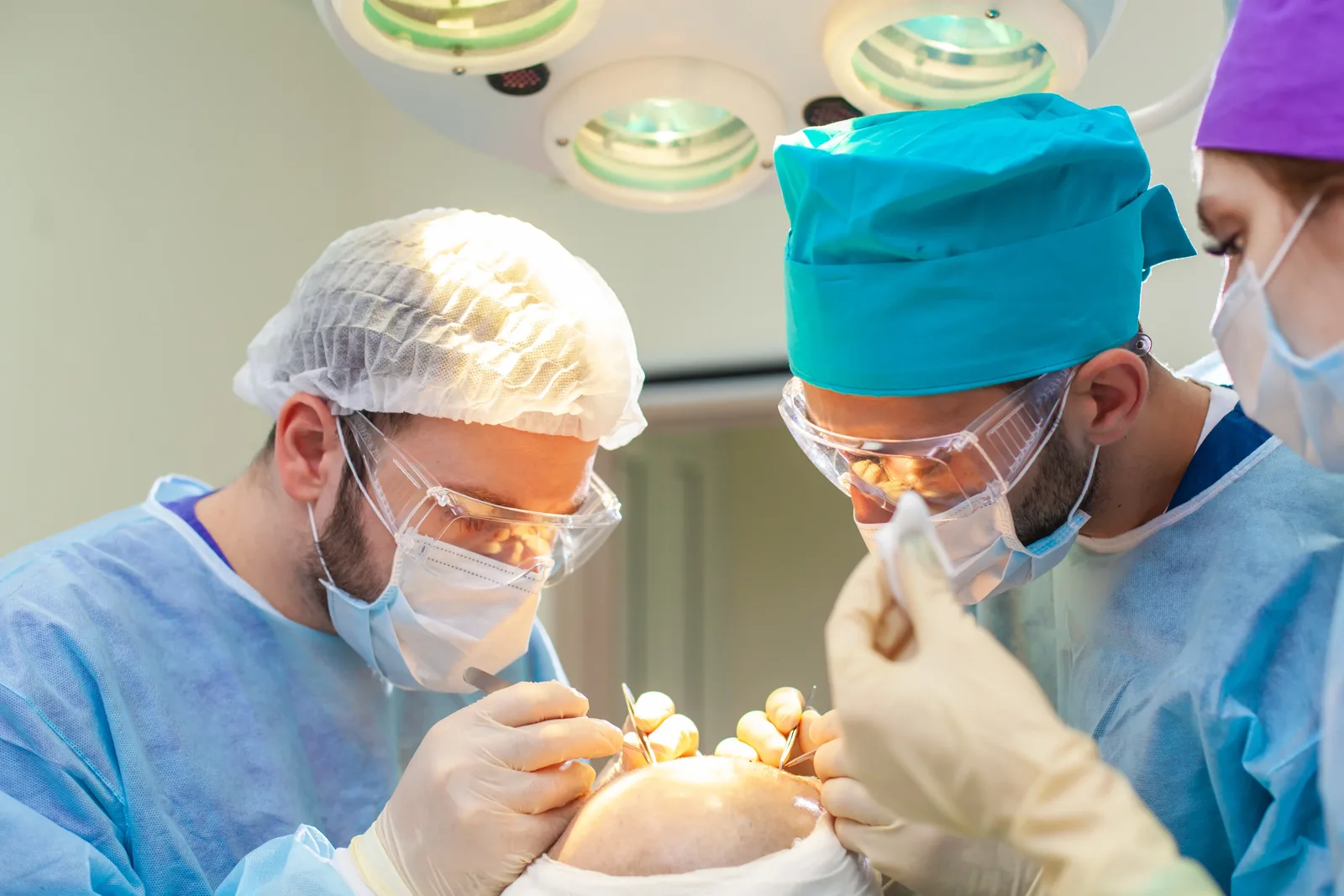
How does the hair transplant process in Turkey work? Discover a detailed guide about hair transplant in Istanbul, recovery, clinic selection, and the premium patient experience.
Learn More
Adem Demiral, a hair transplant specialist located in Atasehir, Istanbul, emphasizes the importance of reviewing hair transplant results at the twelve-month mark. This period is crucial for assessing the effectiveness of the procedure and understanding the overall growth and health of the transplanted hair.
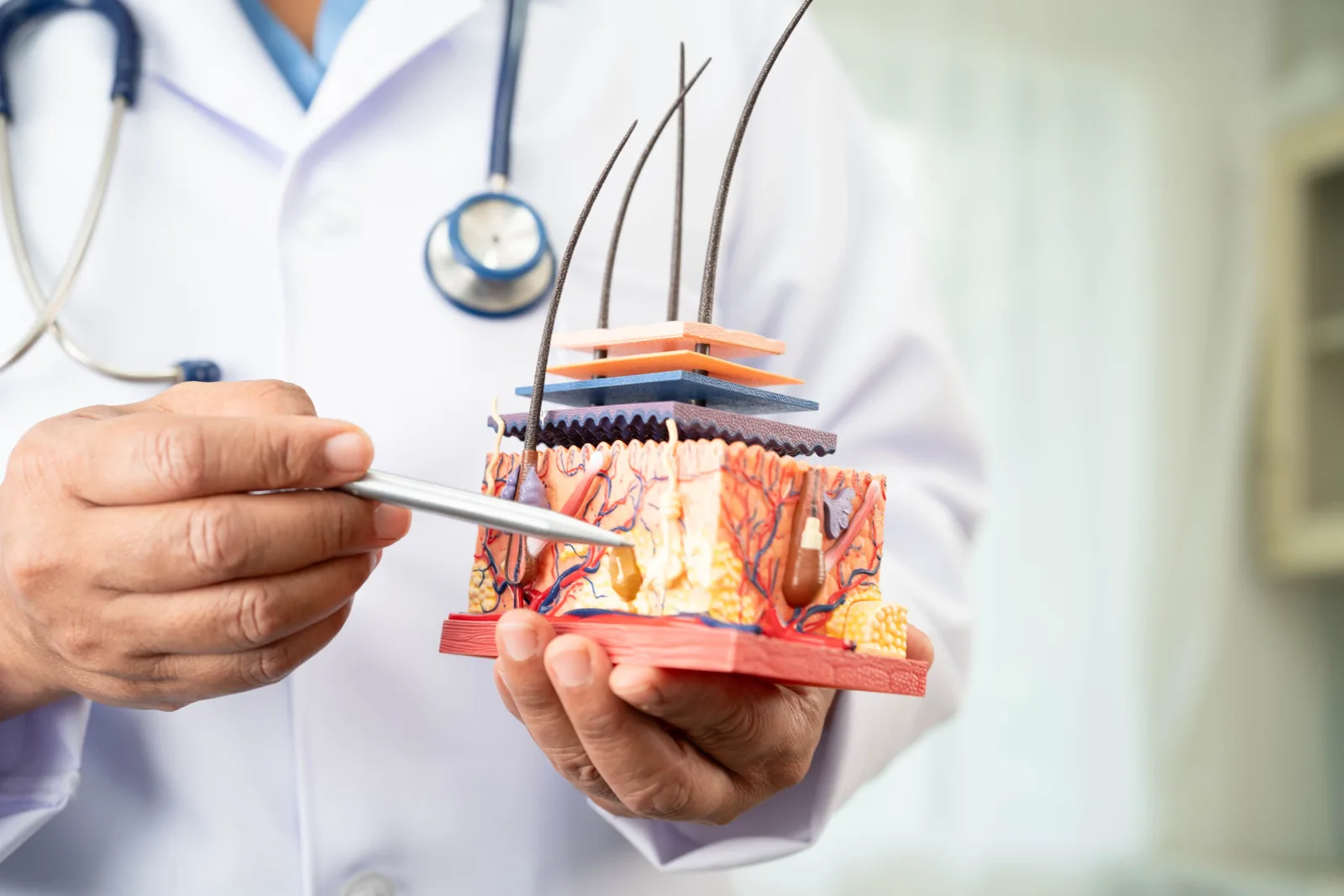
Before diving into the evaluation process, it's essential to understand the hair growth cycle. Hair goes through several phases: anagen (growth), catagen (transition), and telogen (resting). Each of these phases plays a significant role in determining the health and appearance of hair post-transplant.
The anagen phase is the active growth phase where hair follicles are deeply rooted in the scalp, and this phase can last for several years. The duration of the anagen phase varies from person to person and is influenced by genetics and health. The catagen phase is a transitional stage that lasts a few weeks, during which the hair follicle shrinks and detaches from the dermal papilla. Finally, the telogen phase is the resting stage, which can last for several months before the hair falls out and the cycle begins anew. Understanding these phases is critical for patients as they navigate their post-transplant journey, especially in the first year when changes are most noticeable.
After a hair transplant, the newly transplanted hair typically follows this cycle, and the results can vary based on individual factors such as age, hormonal balance, and overall health. For instance, younger patients may experience a more robust anagen phase, leading to denser hair growth. In contrast, older patients might have a shorter anagen phase, which could affect the density and health of the hair over time. This understanding helps set realistic expectations for patients as they await the final results.
By the twelfth month, most patients can expect to see the final results of their hair transplant. The hair should have fully grown in, and the density and coverage can be evaluated. Adem Demiral and his team guide patients through this process, ensuring they have realistic expectations. The twelfth month is often a time of excitement for patients as they can finally see the culmination of their investment in time and resources.
During this evaluation, patients often notice a significant transformation in their hairline and overall hair density. The transplanted hair should blend seamlessly with existing hair, creating a natural appearance. This is particularly important for patients who have undergone hair restoration in areas that are visible, such as the frontal hairline. It is also a time when patients can assess if additional procedures may be necessary for further enhancement.
Adem Demiral emphasizes the importance of patience during this period. While many patients may feel anxious about the results, it is crucial to remember that hair growth is a gradual process. The full results may not be apparent until the twelve-month mark, and some patients may even notice improvements beyond this time frame as their hair continues to mature. This understanding helps alleviate concerns and fosters a more positive outlook on the hair restoration journey.
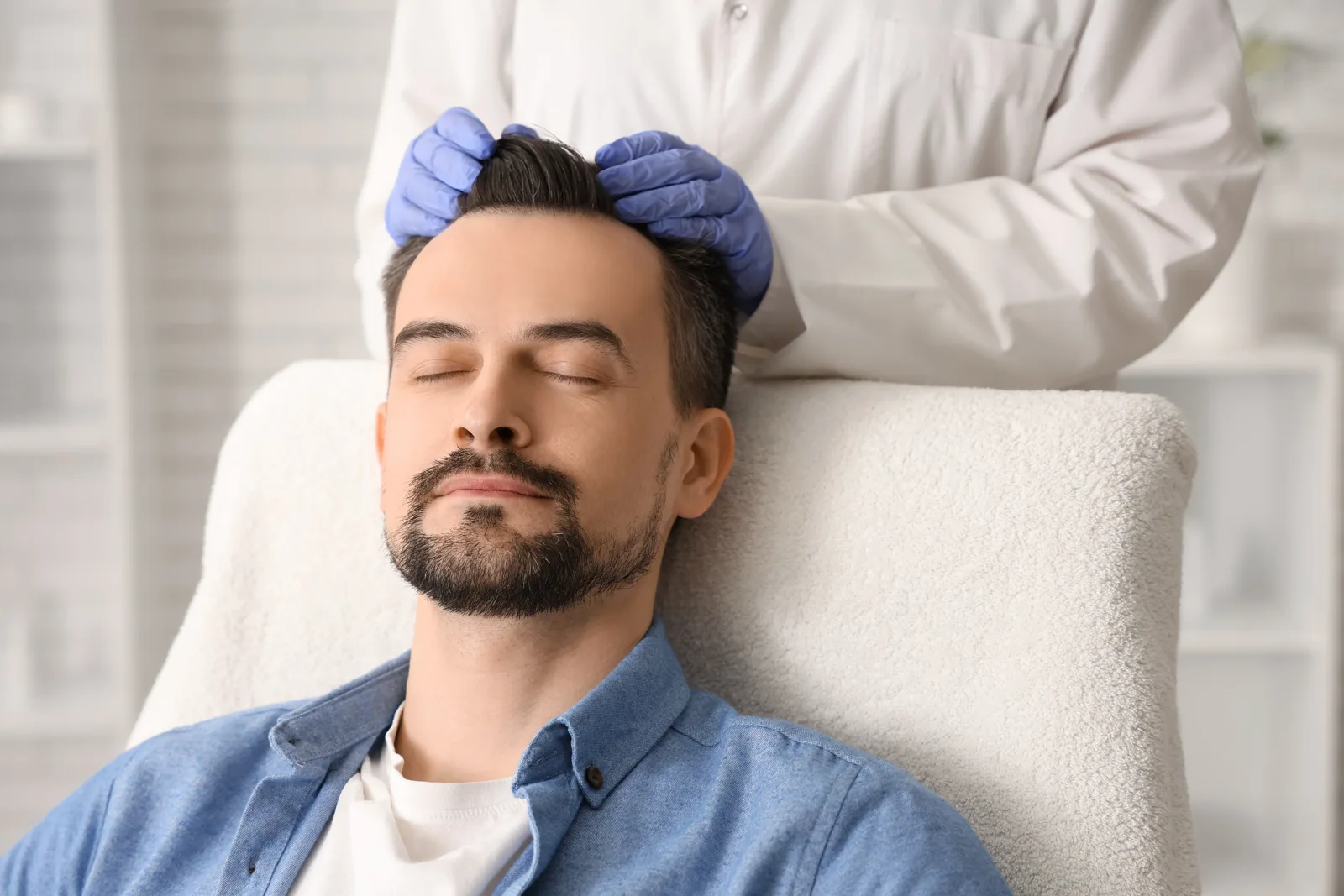
Several factors can influence the outcome of a hair transplant by the twelve-month mark. One of the most significant factors is the technique used during the transplant procedure. Different methods, such as Diamond FUE, DHI Pro, or Sapphire FUE, offer varying advantages and can impact the final appearance of the hair. For instance, the Sapphire FUE technique utilizes a specialized blade that allows for more precise incisions, potentially leading to better graft survival rates and a more natural look.
Individual healing processes also play a critical role in the success of hair transplants. Each person's body responds differently to the trauma of surgery, which can affect how well the hair follicles take root and grow. Factors such as age, genetics, and overall health can influence healing times and hair growth rates. For example, younger patients often heal faster and may experience quicker and more robust hair growth than older patients.
Post-operative care is another crucial factor that can significantly affect results. Adhering to post-operative instructions, including the use of PRP (Platelet-Rich Plasma) therapy and stem-cell supported care, can enhance healing and promote hair growth. These treatments can stimulate hair follicles and improve blood circulation to the scalp, ultimately leading to better outcomes. Adem Demiral emphasizes the importance of following these guidelines to maximize the potential of the transplant and achieve the best possible results.
During the evaluation, Adem Demiral assesses hair density and coverage. The goal is to determine if the transplanted hair has integrated well with the existing hair and if the overall appearance meets the patient's expectations. This evaluation involves a thorough examination of the scalp to assess the distribution and thickness of the hair.
Hair density is measured by the number of hair follicles per square centimeter of the scalp. A higher density typically indicates a more successful transplant. During this evaluation, Adem Demiral may use specialized tools to measure hair density accurately, allowing for a more objective assessment. Additionally, he will compare the current state of the hair with pre-operative photographs to highlight improvements and areas that may need further attention.
Coverage is equally important as it refers to how well the transplanted hair fills in thinning or bald areas. A successful hair transplant should provide sufficient coverage to create a natural-looking hairline and fullness. If the coverage is not satisfactory, Adem Demiral will discuss potential options with the patient, including the possibility of additional grafting or other treatments to enhance the results. This thorough evaluation process ensures that patients leave with a clear understanding of their outcomes and any necessary next steps.
Patient feedback is vital in the evaluation process. Adem Demiral encourages open communication, allowing patients to express their satisfaction or concerns about their results. This feedback is essential for refining future procedures and enhancing patient care. By understanding the patient's perspective, Adem can make informed adjustments to his techniques and approaches, ensuring that each individual receives the best possible care.
Moreover, patient satisfaction is not only about the aesthetic results but also encompasses the overall experience throughout the hair transplant journey. Adem Demiral and his team strive to create a supportive environment where patients feel comfortable discussing their expectations, fears, and results. This level of communication fosters trust and helps patients feel more invested in their care.
In addition to direct feedback, Adem Demiral often collects testimonials and reviews from patients to gauge overall satisfaction. These insights can provide valuable information for prospective patients considering hair transplant procedures, as they offer a glimpse into the experiences of others. This emphasis on patient feedback helps ensure that the practice continually evolves and improves, ultimately leading to better outcomes for future patients.
Regular follow-up appointments are essential for monitoring progress. During these visits, Adem Demiral can address any issues and provide guidance on maintaining healthy hair post-transplant. These appointments typically occur at various intervals throughout the first year, allowing for ongoing assessment and support.
During follow-up visits, Adem will evaluate the growth of the transplanted hair, discuss any concerns the patient may have, and provide recommendations for maintaining hair health. This may include advice on hair care products, styling techniques, and lifestyle changes that can promote healthy hair growth. Additionally, Adem may suggest treatments such as PRP therapy to enhance results and encourage further growth.
These follow-up appointments also serve as an opportunity for Adem Demiral to educate patients about the hair growth process and what to expect in the months following the transplant. By providing clear information and addressing any questions or concerns, patients can feel more confident and informed about their hair restoration journey. This proactive approach to follow-up care is a cornerstone of Adem Demiral's practice, ensuring that patients receive comprehensive support throughout their recovery.
After the twelve-month evaluation, long-term care becomes crucial for sustaining the results of a hair transplant. Patients are advised on how to maintain their hair, including recommended products and practices to ensure lasting results. This guidance is essential for preventing future hair loss and promoting the overall health of the scalp and hair.
One of the primary recommendations for long-term care is the use of gentle, sulfate-free shampoos and conditioners that do not strip the hair of its natural oils. Regularly moisturizing the scalp can also help maintain a healthy environment for hair growth. Additionally, patients are encouraged to avoid harsh styling products and excessive heat, which can damage the hair and lead to breakage.
In some cases, patients may be advised to continue with PRP therapy or other treatments to support hair health and prevent future hair loss. Adem Demiral emphasizes the importance of regular check-ins to monitor hair health and address any concerns that may arise over time. By fostering a proactive approach to hair care, patients can enjoy the benefits of their hair transplant for years to come, ensuring that their investment in their appearance continues to pay off.
The twelve-month mark is a significant milestone in the hair transplant journey. With the expertise of Adem Demiral, a hair transplant specialist in Atasehir, Istanbul, patients can expect a thorough evaluation of their results, ensuring they achieve their desired aesthetic goals. This evaluation not only assesses the success of the procedure but also provides an opportunity for patients to discuss their experiences and receive guidance on long-term care.
Ultimately, the journey of hair restoration is a collaborative process between the specialist and the patient. By understanding the phases of hair growth, setting realistic expectations, and maintaining open communication, patients can navigate their hair transplant experience with confidence. Adem Demiral's commitment to patient care and satisfaction ensures that each individual receives personalized attention and support, making the journey toward achieving fuller, healthier hair a successful one.
During your evaluation, Adem Demiral will assess hair density, coverage, and overall satisfaction with the results. He will also discuss any concerns you may have and provide recommendations for maintaining hair health.
Long-term care includes using recommended hair products and following best practices for hair health, such as moisturizing the scalp and avoiding harsh styling techniques.
Yes, hair growth can vary, and it often takes up to a year to see the final results. Patience is key during this period as the hair continues to mature.
Factors include the technique used, individual healing processes, and adherence to post-operative care, all of which can significantly impact the final outcome.
Absolutely! Open communication is encouraged, and Adem Demiral values patient feedback to refine techniques and enhance care.
Follow-up appointments should be scheduled as advised by your specialist, typically every few months post-transplant, to monitor progress and address any issues.
This article is published by Adem Demiral Hair Clinic for general information. It is not a diagnosis, a treatment plan, or a personal graft estimate. Suitability requires an in-person assessment in Atasehir.
How does the hair transplant process in Turkey work? Discover a detailed guide about hair transplant in Istanbul, recovery, clinic selection, and the premium patient experience.
Learn More
How does the recovery process after a hair transplant progress? Discover the first wash, shock loss, hair growth timeline, and the 12-month transformation in detail.
Learn More
Discover the differences between DHI and Sapphire FUE hair transplantation. A detailed comparison in terms of density, natural appearance, recovery process, and unshaven hair transplantation.
Learn More
Hair loss can become both a physical and psychological concern for many people. Today, hair transplantation stands out as one of the most effective solutions for addressing this issue.
Learn More
Hair loss can become both a physical and psychological challenge for many people. Today, hair transplantation stands out as one of the most effective solutions to this problem.
Learn MoreFill out the form for hair analysis, appointments, and consultation requests, or contact us directly.