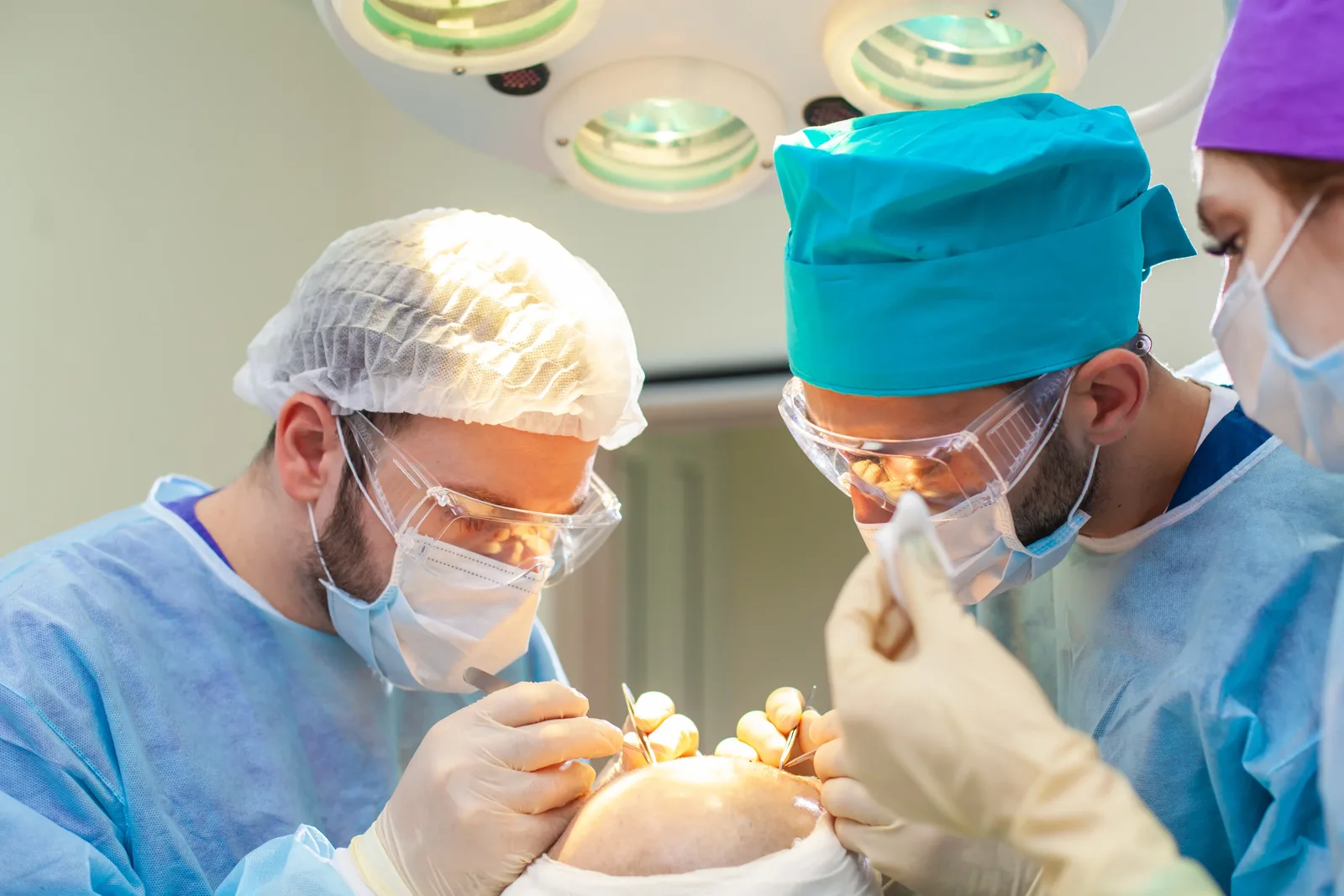
How does the hair transplant process in Turkey work? Discover a detailed guide about hair transplant in Istanbul, recovery, clinic selection, and the premium patient experience.
Learn More
During the third month following a hair transplant, patients often experience a significant yet subtle transformation in their hair growth journey. As a hair transplant specialist, Adem Demiral in Atasehir, Istanbul, emphasizes the importance of this phase, where fine hairs start to appear, indicating that the healing process is progressing as expected. This period marks a critical juncture in the hair restoration process, as it is often the first time patients can visually assess the initial results of their procedure.
In the third month, patients may begin to feel a mix of excitement and apprehension. The initial shock of the transplant, which can include shedding of the transplanted hair, is typically over, and the anticipation of new growth begins to take center stage. Understanding the biological processes at play during this time can help alleviate anxiety and foster a more positive outlook. The hair follicles that were transplanted are undergoing a transformation, shifting from a dormant state to an active growth phase.
Moreover, the appearance of fine hairs can also serve as a reminder of the journey ahead. While it may be tempting to wish for immediate results, it is essential to recognize that hair restoration is a gradual process. This understanding can help patients remain focused on their long-term goals and the overall success of their hair transplant.
In the initial months post-transplant, many patients may feel anxious about their results. However, by the third month, the emergence of fine hairs is a positive sign. These fine hairs, often referred to as "vellus hairs," are typically softer and lighter in color than the terminal hairs that will develop later. Understanding this phase is crucial for managing expectations and fostering patience. The transition from vellus to terminal hair involves several biological processes that are essential for achieving a natural-looking result.
During the third month, patients may notice that these fine hairs begin to sprout in various areas of the scalp, often where they were previously thinning or balding. This can be an encouraging sight, as it indicates that the transplanted follicles are beginning to take root and produce new hair. However, it is important to remember that the thickness and density of these hairs will not be fully realized until later stages of the growth cycle. The hair growth cycle consists of various phases: anagen (growth), catagen (transitional), and telogen (resting), and the third month typically falls within the early anagen phase for many of the transplanted follicles.
Patients should also be aware that the growth of fine hairs does not mean that the process is complete. Instead, it signifies the beginning of a more extended journey toward fuller hair. The excitement of seeing these initial signs of growth can be a powerful motivator for patients to continue with their post-transplant care and adhere to the recommendations provided by their hair transplant specialist.
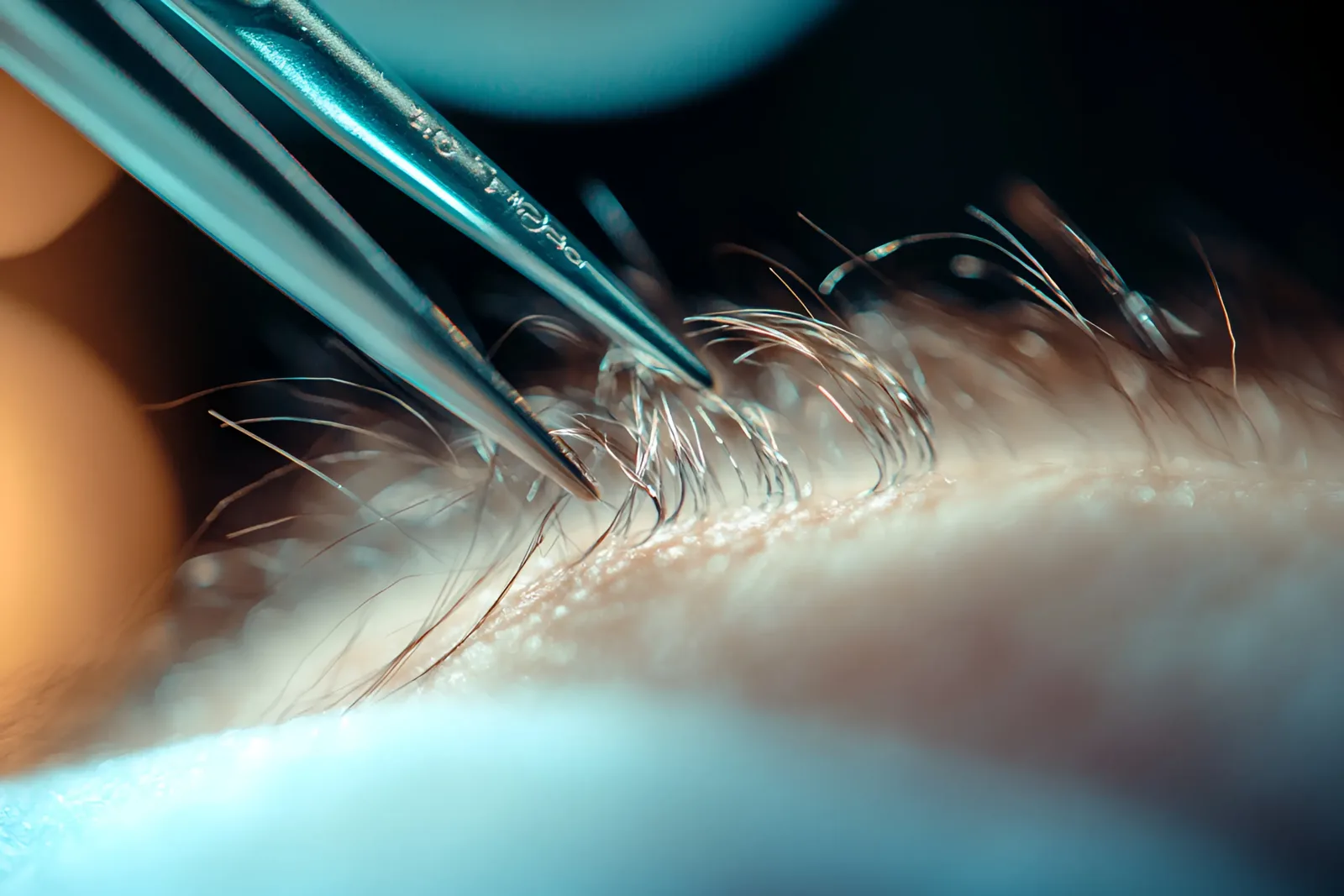
Fine hairs serve several purposes in the hair restoration process:
Additionally, the role of fine hairs extends beyond mere aesthetics. They are part of the natural hair growth cycle and play a crucial role in the overall health of the scalp. Fine hairs can help protect the scalp from environmental factors and contribute to the overall appearance of fullness. As they begin to grow, they can also stimulate the surrounding follicles, promoting a healthier scalp environment conducive to hair growth.
Understanding the importance of fine hairs can help patients remain patient and committed to their hair restoration journey. The emergence of these initial signs of growth can serve as a reminder that the process is underway and that the full results will become more apparent with time and proper care.
As the fine hairs begin to emerge, it is essential for patients to practice patience. The hair growth process is gradual, and the full results of a hair transplant can take up to a year to become fully visible. Adem Demiral advises that maintaining realistic expectations during this time is vital for emotional well-being. The journey of hair restoration is not a sprint but rather a marathon, requiring time, care, and commitment.
Many patients may experience fluctuations in hair growth during the months following their transplant. It is not uncommon for some areas to appear fuller while others lag behind. This variability is a normal part of the growth cycle, and understanding this can help patients manage their expectations. The key is to remain focused on the long-term outcome rather than getting discouraged by temporary setbacks.
Moreover, the psychological aspect of patience cannot be overstated. The emotional investment in a hair transplant can lead to heightened sensitivity regarding hair growth. Patients should remind themselves that the process takes time and that every individual's hair growth journey is unique. Keeping a journal or taking regular photos can help track progress over time, providing tangible evidence of growth that can boost morale and reinforce patience.
During this patience phase, proper care of the transplanted area is crucial. Here are some tips for maintaining optimal conditions for hair growth:
Additionally, avoiding excessive sun exposure and protecting the scalp from harsh weather conditions can further enhance the healing process. Wearing a hat or using sunscreen specifically formulated for the scalp can provide added protection during this critical phase.
Incorporating a healthy lifestyle that includes regular exercise and stress management techniques can also contribute positively to hair growth. Stress can negatively impact hair health, so finding ways to relax and unwind can be beneficial. Techniques such as yoga, meditation, or even simple breathing exercises can help reduce stress levels and promote overall well-being.
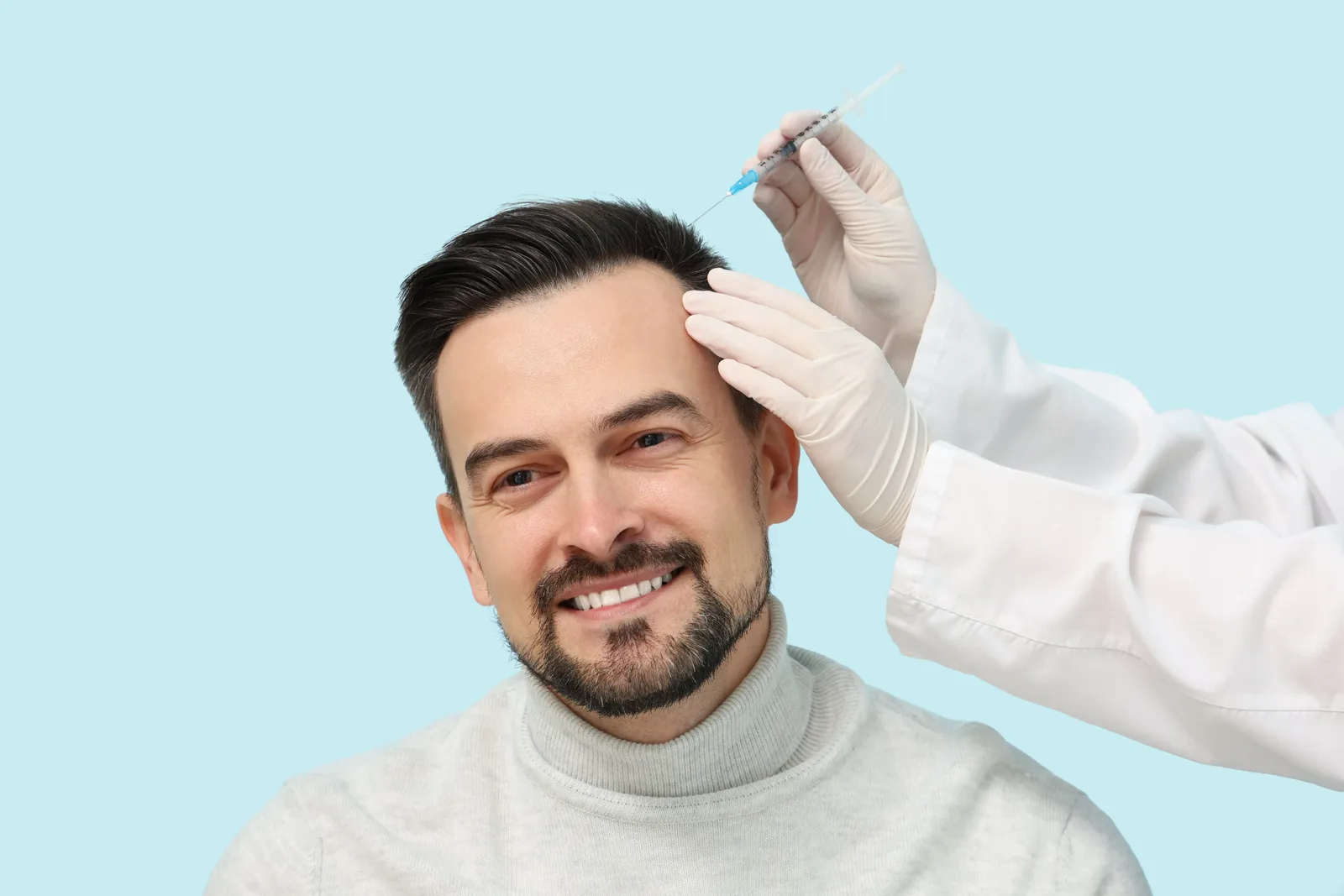
With over 25 years of experience in health and aesthetics, Adem Demiral is a trusted name in hair restoration. His clinic in Atasehir, Istanbul, offers various techniques, including Diamond FUE, DHI Pro, and Sapphire FUE, ensuring that each patient receives personalized care tailored to their specific needs. The clinic also provides stem-cell supported care, enhancing the overall effectiveness of the hair transplant.
Adem Demiral's expertise in the field of hair restoration is complemented by a commitment to patient education and support. Each consultation is an opportunity for patients to ask questions, express concerns, and gain a deeper understanding of the hair transplant process. This level of engagement is crucial for fostering trust and ensuring that patients feel confident in their treatment decisions.
Furthermore, the clinic's state-of-the-art facilities and adherence to the highest standards of safety and hygiene ensure that patients receive the best possible care. With a focus on innovative techniques and a patient-centered approach, Adem Demiral's clinic stands out as a leader in the field of hair restoration in Istanbul.
The third month after a hair transplant is a pivotal time in the hair restoration journey. The emergence of fine hairs signifies progress and requires patience from patients as they await the full results. By adhering to post-transplant care and maintaining open communication with Adem Demiral, patients can navigate this phase with confidence. Understanding the significance of this stage can help patients appreciate the gradual nature of hair growth and remain committed to their long-term goals.
As patients continue their journey, it is essential to remember that each individual's experience is unique. By fostering a positive mindset and focusing on self-care, patients can enhance their overall experience and achieve the best possible results from their hair transplant.
In the third month, you can expect to see the emergence of fine hairs, which is a positive sign of healing and growth. This is the beginning of the hair growth cycle, and it indicates that the transplanted follicles are beginning to function.
Fine hairs are typically the first to appear post-transplant, and they will gradually thicken over time as the hair follicles mature. This transition from fine to thick hair is a normal part of the hair growth process.
Full results from a hair transplant can take up to a year to be visible, with significant changes often occurring between months 6 and 12. Patience is crucial during this time, as the hair growth process varies for each individual.
Follow aftercare instructions, avoid harsh products, and consider PRP therapy to support hair growth. Additionally, maintaining a balanced diet and staying hydrated can contribute positively to the healing process.
Yes, while fine hairs appear in the third month, you can expect more hair growth and thickness in the following months. The growth process is gradual, and patience is key to achieving the desired results.
Maintain proper post-transplant care, stay patient, and consult with Adem Demiral for personalized advice and support. Engaging in healthy lifestyle choices can also enhance the overall success of your hair restoration journey.
This article is published by Adem Demiral Hair Clinic for general information. It is not a diagnosis, a treatment plan, or a personal graft estimate. Suitability requires an in-person assessment in Atasehir.
How does the hair transplant process in Turkey work? Discover a detailed guide about hair transplant in Istanbul, recovery, clinic selection, and the premium patient experience.
Learn More
How does the recovery process after a hair transplant progress? Discover the first wash, shock loss, hair growth timeline, and the 12-month transformation in detail.
Learn More
Discover the differences between DHI and Sapphire FUE hair transplantation. A detailed comparison in terms of density, natural appearance, recovery process, and unshaven hair transplantation.
Learn More
Hair loss can become both a physical and psychological concern for many people. Today, hair transplantation stands out as one of the most effective solutions for addressing this issue.
Learn More
Hair loss can become both a physical and psychological challenge for many people. Today, hair transplantation stands out as one of the most effective solutions to this problem.
Learn MoreFill out the form for hair analysis, appointments, and consultation requests, or contact us directly.