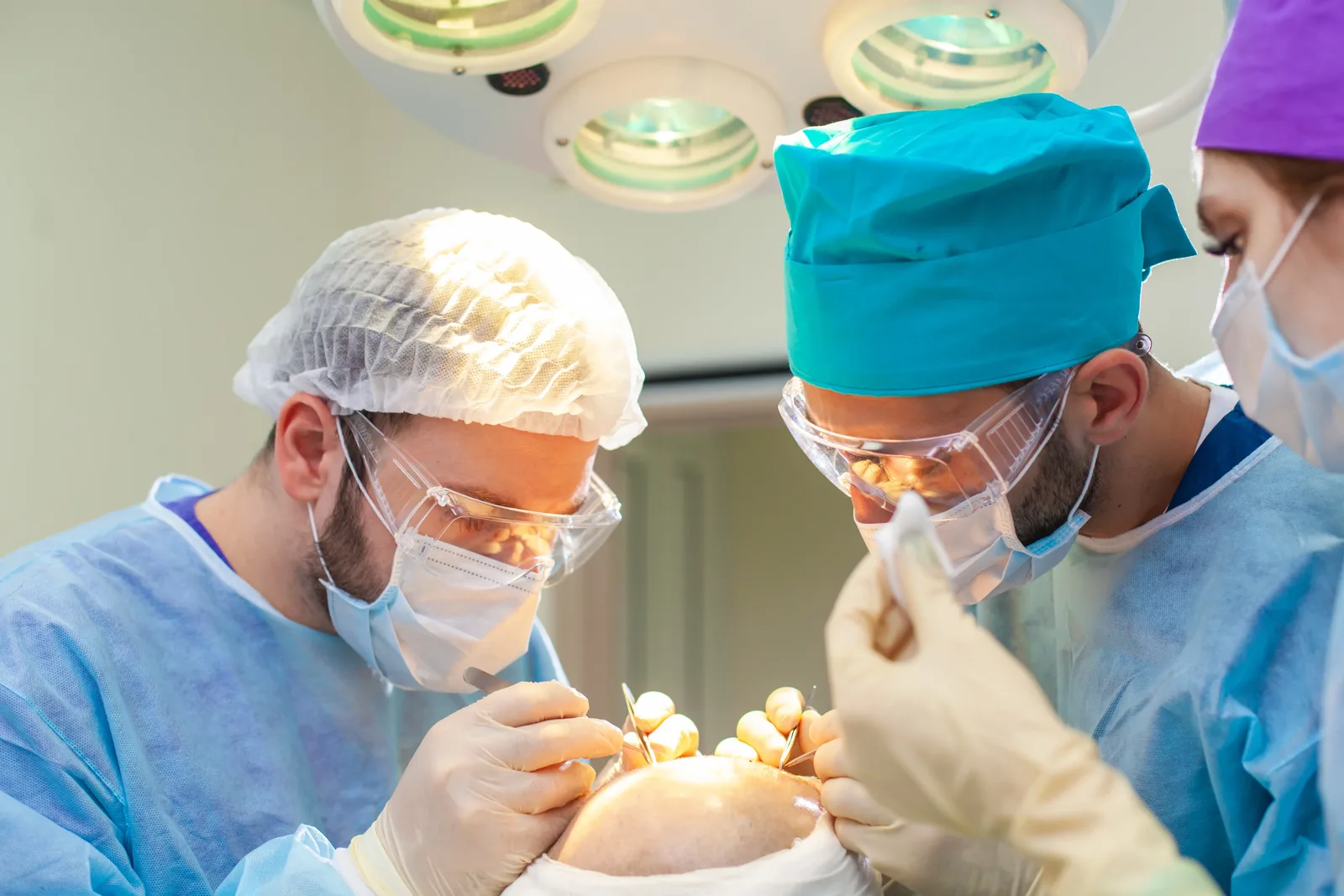
How does the hair transplant process in Turkey work? Discover a detailed guide about hair transplant in Istanbul, recovery, clinic selection, and the premium patient experience.
Learn More
Mid-scalp thinning refers to the gradual loss of hair density in the central region of the scalp, often leading to a noticeable change in appearance. Understanding how this condition is assessed is crucial for individuals seeking effective treatment options, particularly from a qualified hair transplant specialist like Adem Demiral in Atasehir, Istanbul.
Mid-scalp thinning can occur due to various factors, including genetic predisposition, hormonal changes, and environmental influences. This condition is characterized by a reduction in hair density, which can affect an individual’s self-esteem and overall appearance. The mid-scalp area, being a prominent section of the head, plays a significant role in framing the face, and its thinning can lead to a more aged or fatigued appearance. Understanding the underlying mechanisms of hair loss in this region is essential for effective treatment.
Genetic factors often dictate the likelihood of experiencing hair thinning, with conditions such as androgenetic alopecia being the most common cause. Hormonal changes, particularly those related to androgens, can lead to miniaturization of hair follicles, resulting in thinner and shorter hair strands. Environmental influences, including stress, nutritional deficiencies, and exposure to harsh chemicals, can also exacerbate hair thinning. Thus, a multifaceted approach is necessary to address the various contributors to mid-scalp thinning.
Moreover, mid-scalp thinning can manifest differently in men and women, often leading to distinct patterns of hair loss. In men, it may present as a receding hairline or crown thinning, while women may experience diffuse thinning across the scalp. This distinction is vital for understanding the potential treatment pathways and expected outcomes.
As a hair transplant specialist, Adem Demiral has extensive experience in evaluating mid-scalp thinning. His clinic in Atasehir, Istanbul, employs advanced techniques to provide a comprehensive assessment of hair loss, ensuring that patients receive tailored treatment plans. Dr. Demiral’s expertise allows him to identify the specific type and cause of hair loss, which is crucial for determining the most effective intervention.
Dr. Demiral's approach combines clinical knowledge with the latest advancements in hair restoration technology. He understands that each patient's journey is unique and requires a personalized strategy. By utilizing a combination of clinical assessments and diagnostic tools, he can develop a comprehensive understanding of the patient's condition, which is essential for achieving optimal results.
Furthermore, the environment of the clinic itself is designed to make patients feel comfortable and informed. The assessment process is not just about diagnosing hair loss; it also involves educating patients about their condition and the various treatment options available. This patient-centered approach fosters a collaborative relationship between the specialist and the patient, which is essential for successful outcomes.
The assessment process begins with an initial consultation, where Adem Demiral discusses the patient's medical history and hair loss concerns. This conversation is essential for understanding the underlying causes of mid-scalp thinning. During this consultation, patients are encouraged to express their concerns and expectations, which helps in formulating a treatment plan that aligns with their goals.
In addition to discussing medical history, Dr. Demiral may inquire about family history of hair loss, lifestyle factors, and any previous treatments the patient may have undergone. This comprehensive approach ensures that all potential factors contributing to hair thinning are considered, allowing for a more accurate diagnosis.
Moreover, the initial consultation serves as an opportunity for patients to ask questions about the assessment process, treatment options, and expected outcomes. This transparency is crucial in building trust and ensuring that patients feel confident in their treatment decisions. Dr. Demiral’s commitment to patient education empowers individuals to take an active role in their hair restoration journey.
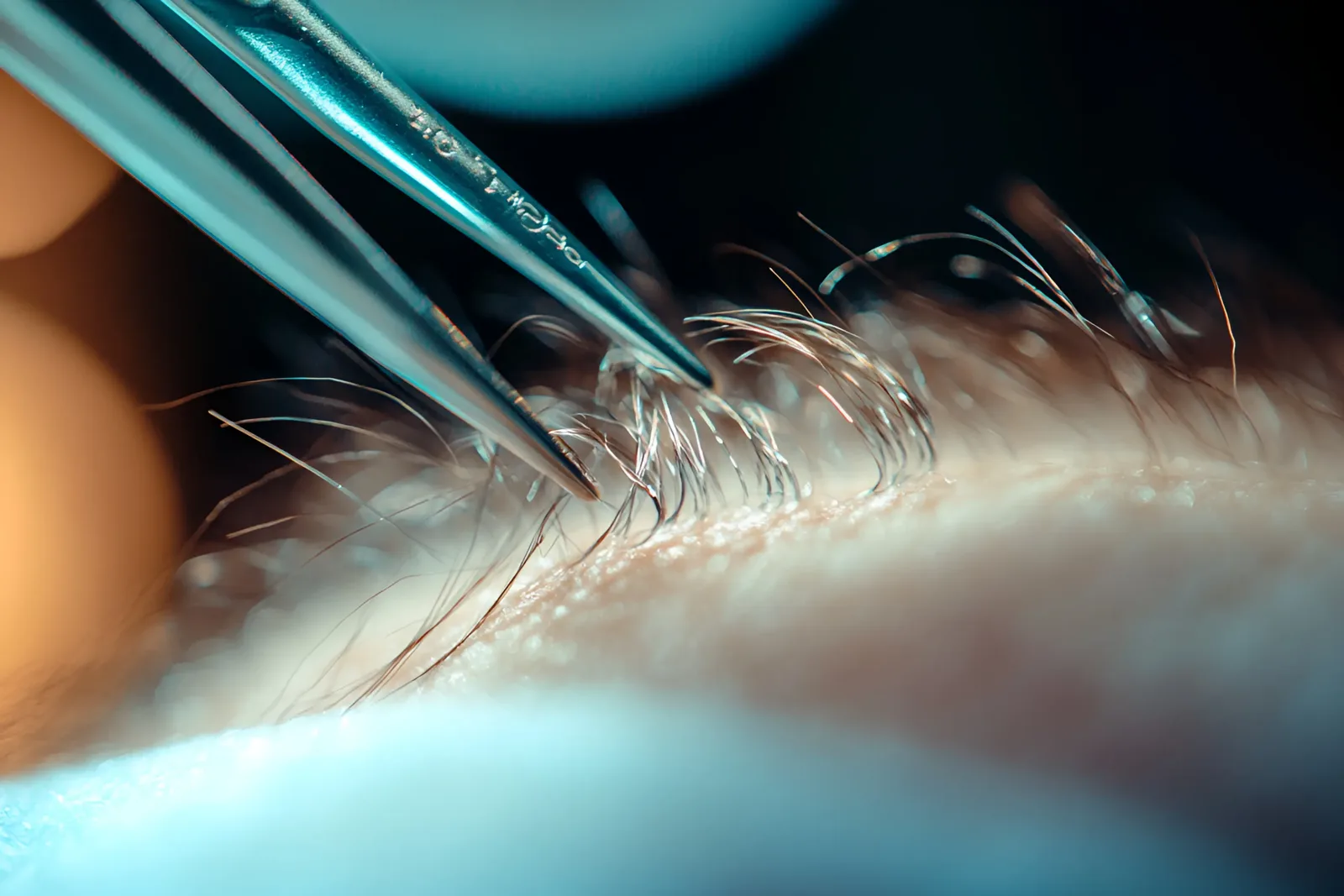
During the physical examination, the specialist inspects the scalp for signs of thinning and evaluates hair density. This includes checking the overall health of the hair follicles and identifying any areas of concern. The physical examination is a critical step in the assessment process, as it allows Dr. Demiral to visually assess the extent of hair loss and determine the pattern of thinning.
In addition to visual inspection, Dr. Demiral may perform a tactile examination, feeling the scalp and hair to assess texture, thickness, and overall health. This hands-on approach provides valuable insights into the condition of the hair follicles and can help identify any underlying issues that may not be immediately visible. For instance, signs of inflammation or scarring may indicate more serious conditions that require further investigation.
Furthermore, the physical examination is often complemented by a discussion of the patient's hair care routine and any products they use. Understanding how patients care for their hair can reveal habits that may contribute to hair thinning, such as excessive heat styling or the use of harsh chemicals. This holistic approach ensures that all aspects of hair health are considered in the assessment process.
To enhance the accuracy of the assessment, various diagnostic tools may be utilized. These tools include:
Each of these diagnostic tools plays a critical role in forming a comprehensive understanding of the patient's hair loss condition. By utilizing advanced technology and methodologies, Dr. Demiral can ensure that his assessments are thorough and accurate, leading to more effective treatment plans.
Early assessment of mid-scalp thinning is vital for effective intervention. The sooner the condition is evaluated, the more options are available for treatment, which can range from non-invasive therapies to surgical procedures. Delaying assessment can lead to further hair loss and may limit the effectiveness of available treatments.
In cases of androgenetic alopecia, for instance, early intervention can help slow the progression of hair loss and preserve existing hair. Treatments such as minoxidil and finasteride are most effective when started early, as they can help maintain hair density and prevent further thinning. Additionally, early assessment allows for the identification of any underlying medical conditions that may be contributing to hair loss, enabling timely management of those issues.
Moreover, early assessment fosters a proactive approach to hair health. Individuals who take the initiative to seek evaluation and treatment are more likely to achieve satisfactory results and maintain their confidence. By addressing hair loss early on, patients can avoid the emotional distress often associated with noticeable thinning and take control of their hair restoration journey.
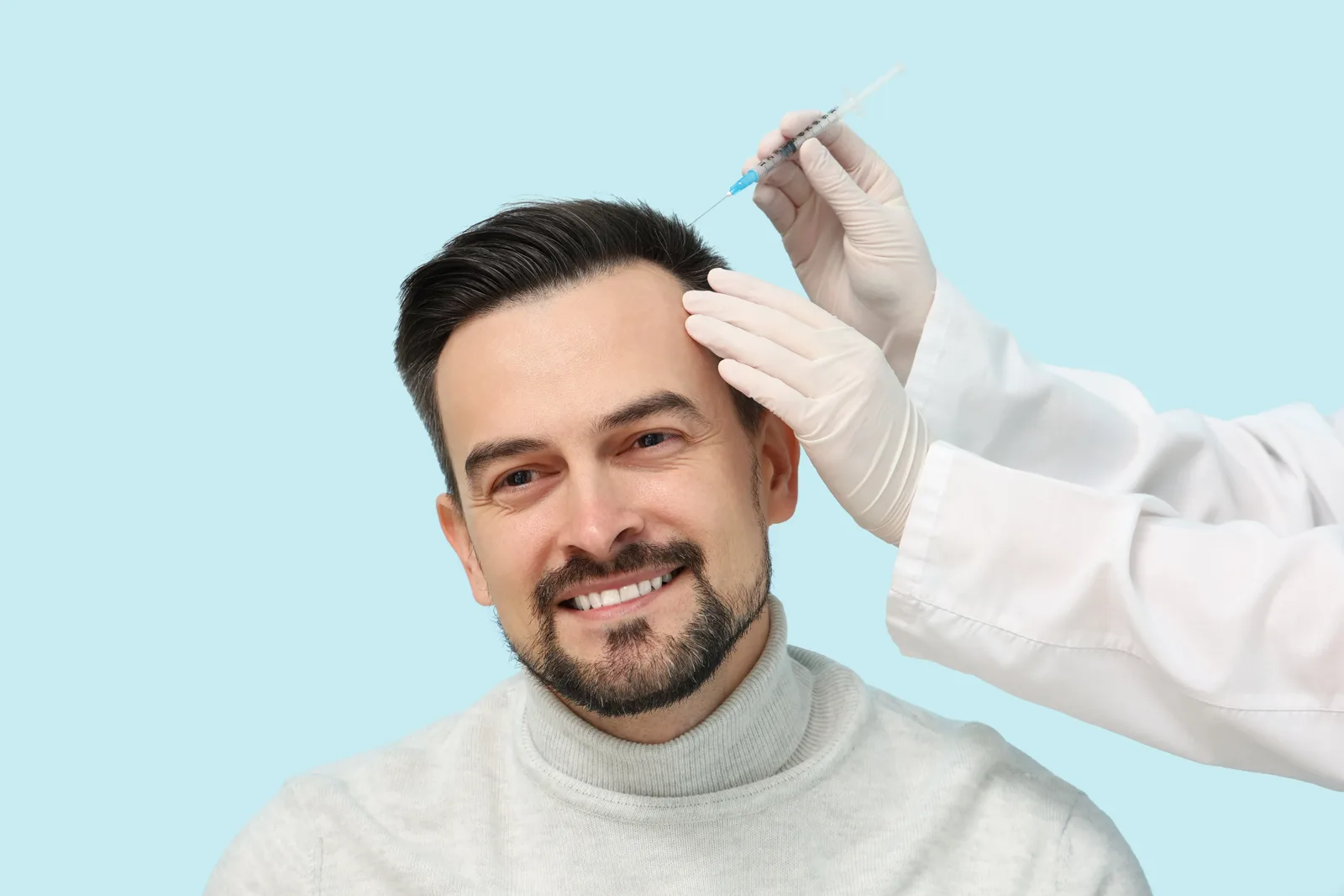
Once the assessment is complete, Adem Demiral discusses potential treatment options tailored to the individual’s needs. Options may include:
Dr. Demiral emphasizes the importance of a personalized treatment plan that takes into account the patient's unique circumstances, including the extent of hair loss, medical history, and lifestyle factors. By offering a range of treatment options, he ensures that patients can choose the approach that best aligns with their goals and preferences.
Additionally, Dr. Demiral stays abreast of the latest advancements in hair restoration techniques, continually integrating new methodologies into his practice. This commitment to ongoing education and innovation allows him to provide patients with the most effective and up-to-date treatment options available.
Following the assessment and any subsequent treatment, ongoing care and monitoring are essential. Adem Demiral emphasizes the importance of follow-up appointments to track progress and make necessary adjustments to the treatment plan. Regular follow-ups allow for the evaluation of treatment effectiveness and provide an opportunity to address any concerns that may arise during the recovery process.
During follow-up appointments, Dr. Demiral may conduct additional assessments to monitor hair density and overall scalp health. These evaluations are crucial for determining whether the chosen treatment plan is yielding the desired results or if modifications are needed. For instance, if a patient is not experiencing the expected level of hair regrowth, alternative treatments may be considered.
Moreover, post-assessment care extends beyond clinical evaluations. Dr. Demiral often provides patients with guidance on maintaining healthy hair and scalp conditions, including recommendations for hair care products, dietary considerations, and lifestyle changes. This holistic approach ensures that patients are equipped with the knowledge and tools necessary to support their hair health long-term.
Assessing mid-scalp thinning is a multi-faceted process that requires the expertise of a specialist like Adem Demiral in Atasehir, Istanbul. Through a thorough evaluation and personalized treatment plans, individuals can achieve satisfactory results and restore their confidence. The combination of advanced diagnostic tools, a comprehensive understanding of hair loss mechanisms, and a commitment to patient education sets Dr. Demiral apart as a leader in the field of hair restoration.
Ultimately, addressing mid-scalp thinning is not just about restoring hair; it is about enhancing the overall quality of life for individuals affected by this condition. With the right assessment and treatment strategies, patients can regain their sense of self and embrace their appearance with renewed confidence.
Mid-scalp thinning can be caused by genetic factors, hormonal changes, and environmental influences, among other reasons. Conditions such as androgenetic alopecia are common culprits, but lifestyle factors and medical conditions can also play a significant role.
Assessment involves a consultation, physical examination, and may include diagnostic tools like trichoscopy and phototrichogram. These methods provide a comprehensive understanding of the patient's hair loss condition.
Treatment options include medical management, hair transplant techniques, and PRP therapy, tailored to individual needs. A personalized approach ensures that patients receive the most effective interventions for their specific circumstances.
Early assessment allows for timely intervention, providing more options for effective treatment. Addressing hair loss early can help slow its progression and preserve existing hair.
Yes, lifestyle changes such as a balanced diet, stress management, and proper hair care can positively impact hair health. These changes can complement medical treatments and enhance overall results.
Follow-up frequency varies, but regular appointments are essential for monitoring progress and adjusting treatment plans as needed. Ongoing care is crucial for achieving optimal results in hair restoration.
This article is published by Adem Demiral Hair Clinic for general information. It is not a diagnosis, a treatment plan, or a personal graft estimate. Suitability requires an in-person assessment in Atasehir.
How does the hair transplant process in Turkey work? Discover a detailed guide about hair transplant in Istanbul, recovery, clinic selection, and the premium patient experience.
Learn More
How does the recovery process after a hair transplant progress? Discover the first wash, shock loss, hair growth timeline, and the 12-month transformation in detail.
Learn More
Discover the differences between DHI and Sapphire FUE hair transplantation. A detailed comparison in terms of density, natural appearance, recovery process, and unshaven hair transplantation.
Learn More
Hair loss can become both a physical and psychological concern for many people. Today, hair transplantation stands out as one of the most effective solutions for addressing this issue.
Learn More
Hair loss can become both a physical and psychological challenge for many people. Today, hair transplantation stands out as one of the most effective solutions to this problem.
Learn MoreFill out the form for hair analysis, appointments, and consultation requests, or contact us directly.