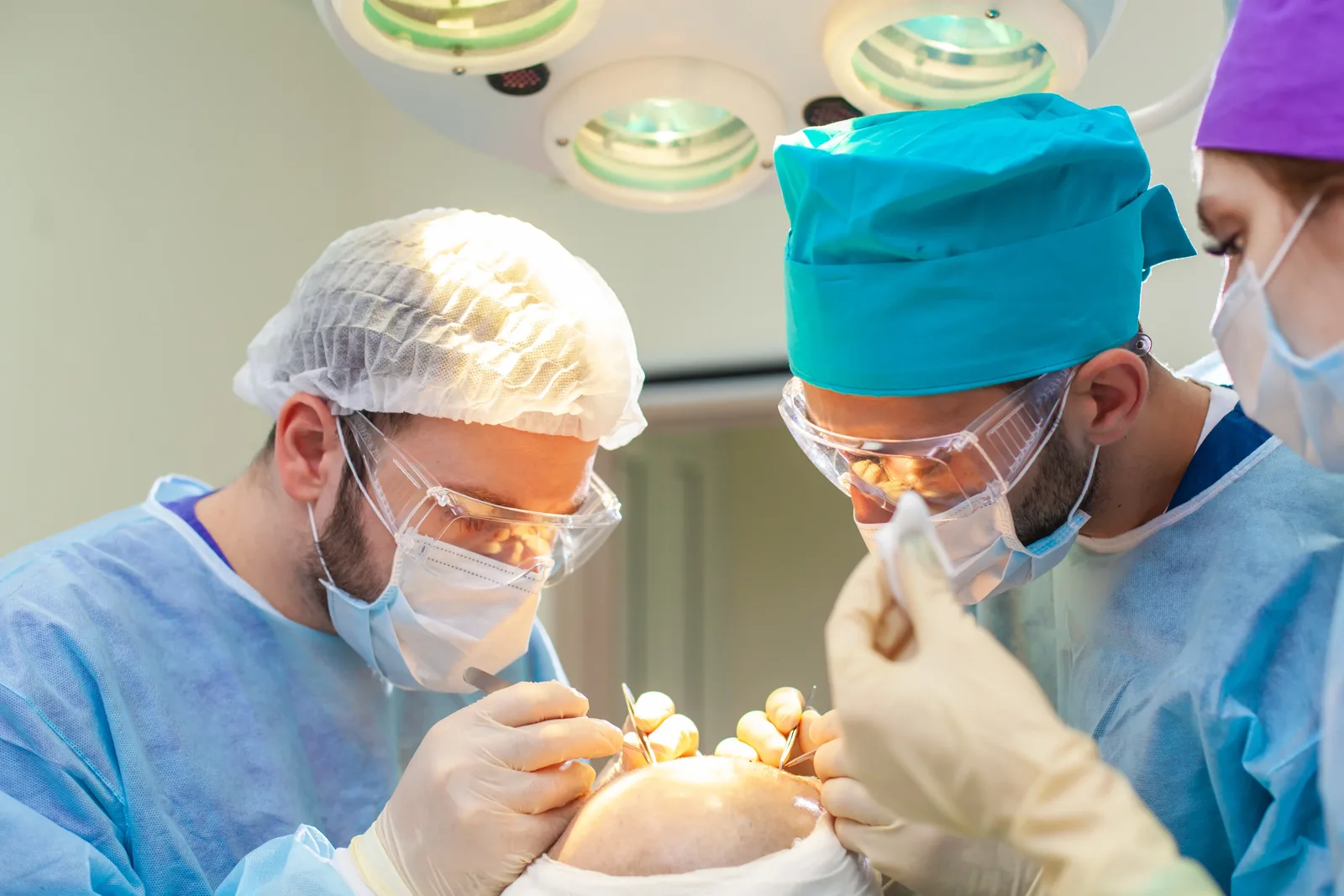
How does the hair transplant process in Turkey work? Discover a detailed guide about hair transplant in Istanbul, recovery, clinic selection, and the premium patient experience.
Learn More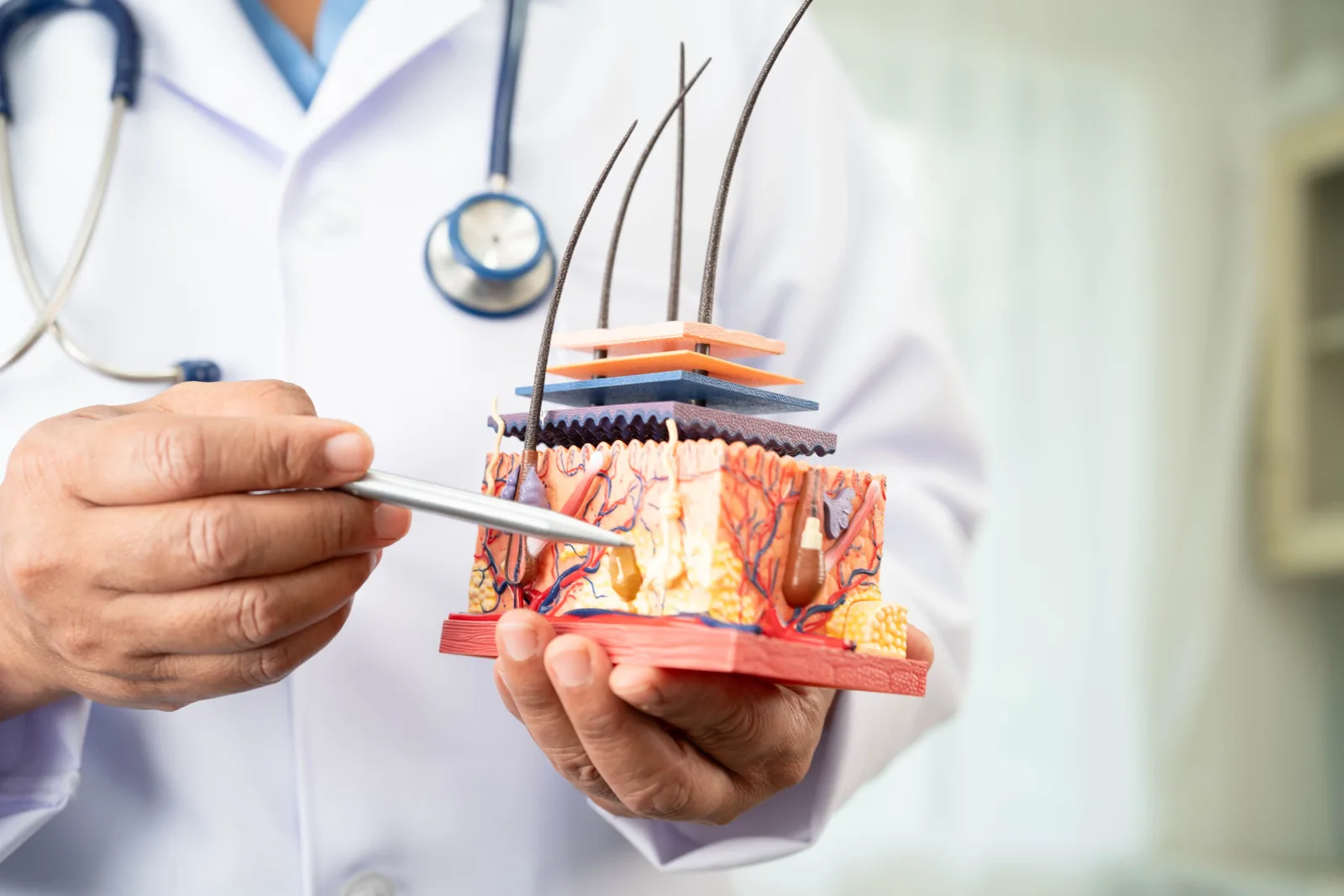
Itching during the healing process is a common experience for individuals undergoing hair transplants. Adem Demiral, a hair transplant specialist located in Atasehir, Istanbul, emphasizes the importance of addressing this discomfort effectively to ensure a smooth recovery.
After a hair transplant, the scalp undergoes a significant healing process. Itching can occur due to several factors, including the body's natural healing response, dry skin, and irritation from the surgical procedure. Recognizing that this sensation is a normal part of recovery can help patients approach it with patience and care.
The healing process following a hair transplant typically involves inflammation and the regeneration of skin tissues. As the scalp heals, patients may notice various sensations, including tingling, tightness, and, notably, itching. This is largely due to the body’s immune response, which sends white blood cells to the area to promote healing and fight any potential infection. This response, while essential for recovery, can lead to discomfort in the form of itching.
Additionally, the transplanted hair follicles are embedded in the scalp, which can lead to localized irritation as the body adjusts to the new hair. Understanding the biological mechanisms behind itching can empower patients to manage their recovery more effectively. It is crucial to remember that, while uncomfortable, itching is a sign that the healing process is underway.
Itching can be attributed to various reasons, including:
In addition to the aforementioned reasons, the surgical technique used during the hair transplant can also influence the level of itching experienced. For instance, Follicular Unit Extraction (FUE) and Follicular Unit Transplantation (FUT) have different implications for the scalp’s recovery. FUE, which involves extracting hair follicles individually, may result in less trauma to the scalp compared to FUT, which involves removing a strip of scalp. However, both techniques can lead to itching due to the healing process.
Furthermore, individual factors such as skin type, pre-existing conditions like eczema or psoriasis, and even stress levels can exacerbate the sensation of itching. Patients with sensitive skin may find that their discomfort is heightened during recovery. Understanding these variables can help patients approach their post-operative care with a tailored strategy, ensuring that they address their unique needs effectively.
Patients can adopt several strategies to alleviate itching during the healing process:
It is crucial to adhere to the post-operative care instructions provided by Adem Demiral Hair Clinic. This includes guidelines on washing the scalp, applying ointments, and avoiding certain activities that may irritate the area. Following these instructions not only aids in reducing itching but also promotes optimal healing of the transplanted follicles.
Patients should pay particular attention to the timing and method of washing their hair. Gentle washing techniques, using lukewarm water and mild shampoos, can prevent additional irritation. Additionally, patients should avoid any harsh chemicals or products that could aggravate the scalp. Adhering to these guidelines can significantly mitigate the risk of complications and enhance comfort during recovery.
Using a gentle, non-irritating moisturizer can help combat dryness and reduce itching. Patients should consult with their specialist to find suitable products. Moisturizers that are specifically designed for post-surgical care can provide relief without introducing harmful ingredients that might provoke an allergic reaction.
Moreover, hydration is not only about topical applications; patients should also ensure they are drinking enough water to keep their skin hydrated from within. A well-hydrated body can contribute to a more effective healing process, reducing the likelihood of dry skin and associated itching. Additionally, incorporating foods rich in omega-3 fatty acids, such as fish and flaxseeds, can support skin health during recovery.
While it may be tempting to scratch the itchy areas, doing so can damage the newly transplanted hair follicles. Instead, try gently tapping or patting the area to relieve discomfort. Educating patients on the importance of avoiding scratching can help prevent potential complications, such as folliculitis or dislodging the grafts.
To further deter scratching, patients might consider wearing a loose-fitting hat or headband that provides a barrier without applying pressure to the scalp. This can help minimize the urge to scratch while also protecting the area from environmental irritants. Engaging in relaxation techniques, such as deep breathing or meditation, can also help alleviate the urge to scratch by reducing overall stress and discomfort.
Applying a cold compress to the itchy areas can provide immediate relief. Ensure that the compress is clean and avoid direct contact with the transplanted hair. Cold compresses can help numb the area temporarily, reducing the sensation of itching and allowing patients to feel more comfortable.
Patients should be cautious not to apply ice directly to the skin, as this can cause frostbite or further irritation. Instead, wrapping ice in a cloth or using a commercially available cold pack can provide a safe and effective solution. Cold therapy can also help reduce any swelling or inflammation that may accompany the itching, creating a more conducive environment for healing.
Over-the-counter antihistamines may help alleviate itching caused by allergic reactions. However, patients should consult with their hair transplant specialist before taking any medication. Certain antihistamines can cause drowsiness, which may not be ideal for all patients, especially those who need to remain alert during their recovery.
Topical treatments, such as hydrocortisone cream, may also be recommended by specialists to reduce inflammation and itching. Again, it is essential that patients discuss these options with their healthcare provider to ensure they are safe and appropriate for their specific situation. Understanding the various remedies available empowers patients to take an active role in their recovery while minimizing discomfort.
If itching persists or is accompanied by other symptoms such as redness, swelling, or discharge, it is essential to contact Adem Demiral Hair Clinic. These could be signs of an infection or other complications that require professional attention. Early intervention can prevent more severe complications and ensure that the healing process remains on track.
Moreover, if the itching is severe enough to disrupt daily activities or sleep, it is advisable to seek help sooner rather than later. Patients should feel empowered to communicate openly with their healthcare providers about their symptoms, as this can lead to more effective management strategies tailored to their needs.
In some cases, patients may also experience psychological symptoms, such as anxiety related to their appearance during recovery. Addressing these concerns with a professional can be beneficial, as mental well-being plays a crucial role in the overall recovery process. A holistic approach that considers both physical and emotional health can lead to a smoother and more satisfying recovery experience.
Managing itching during the healing process after a hair transplant is vital for a successful recovery. By following the expert guidance of Adem Demiral, a hair transplant specialist in Atasehir, Istanbul, patients can navigate this common discomfort effectively. Understanding the underlying causes of itching and employing appropriate management strategies can significantly enhance the recovery experience.
For more information about our services, visit our services page or contact us through our contact page. Ensuring a smooth recovery is our priority, and we are here to support you through every step of the process.
Itching is typically caused by the healing process, dryness, scab formation, or allergic reactions to medications. Understanding these causes can help patients manage their symptoms effectively.
Itching can last for several days to weeks, depending on individual healing rates and care practices. Factors such as the surgical technique used and the patient's overall health can influence the duration of itching.
It is advisable to avoid scratching as it can damage the transplanted hair follicles. Instead, consider alternative methods to relieve discomfort, such as tapping the area or using cold compresses.
Gentle moisturizers, cold compresses, and over-the-counter antihistamines can help alleviate itching. Always consult with your specialist before using any new products or medications.
If itching is severe or accompanied by redness, swelling, or discharge, you should seek professional help. Early intervention is key to preventing complications.
While itching is common, if it is accompanied by other symptoms like redness or discharge, it could indicate an infection and should be evaluated by a specialist. Prompt attention can help ensure a successful recovery.
This article is published by Adem Demiral Hair Clinic for general information. It is not a diagnosis, a treatment plan, or a personal graft estimate. Suitability requires an in-person assessment in Atasehir.
How does the hair transplant process in Turkey work? Discover a detailed guide about hair transplant in Istanbul, recovery, clinic selection, and the premium patient experience.
Learn More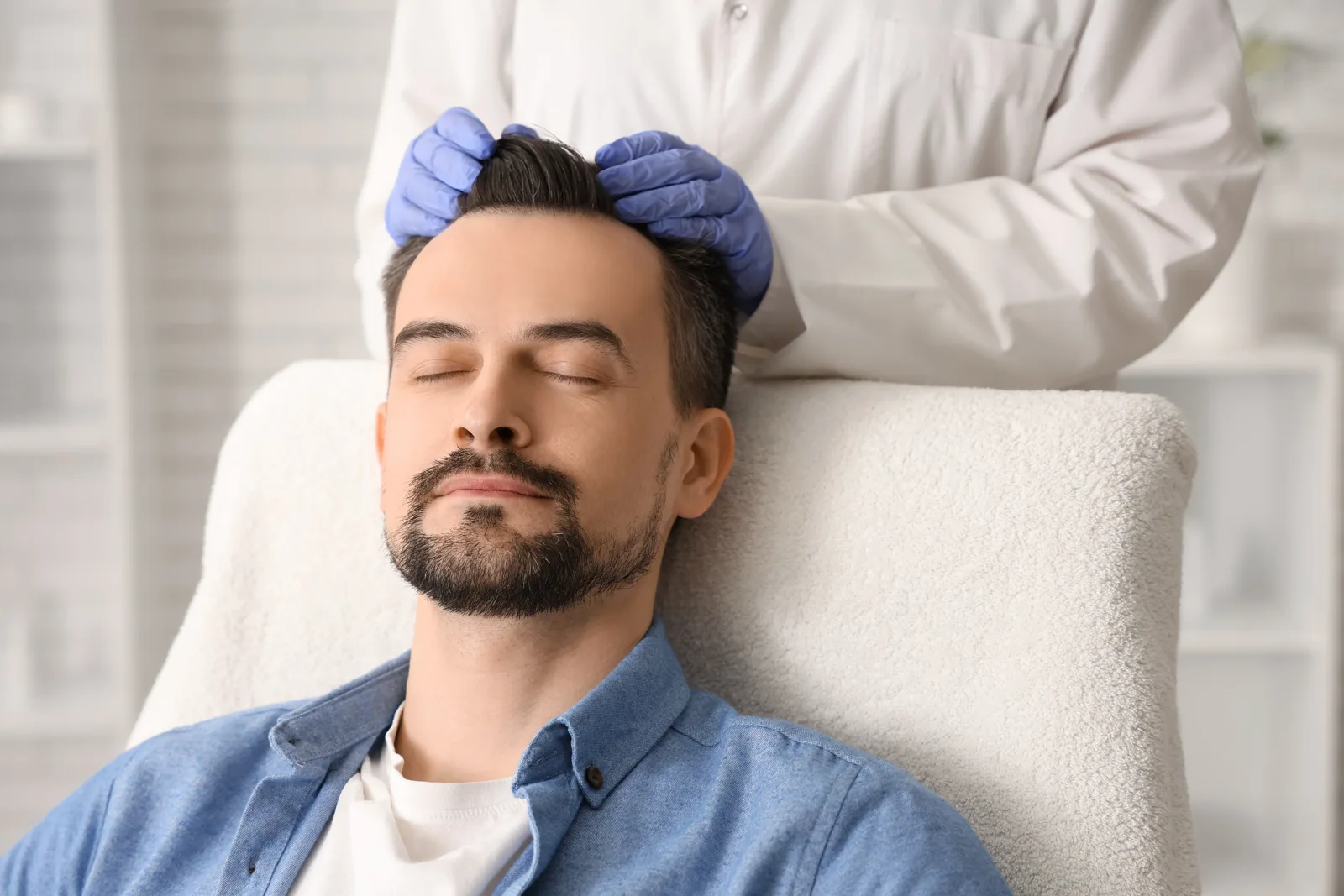
How does the recovery process after a hair transplant progress? Discover the first wash, shock loss, hair growth timeline, and the 12-month transformation in detail.
Learn More
Discover the differences between DHI and Sapphire FUE hair transplantation. A detailed comparison in terms of density, natural appearance, recovery process, and unshaven hair transplantation.
Learn More
Hair loss can become both a physical and psychological concern for many people. Today, hair transplantation stands out as one of the most effective solutions for addressing this issue.
Learn More
Hair loss can become both a physical and psychological challenge for many people. Today, hair transplantation stands out as one of the most effective solutions to this problem.
Learn MoreFill out the form for hair analysis, appointments, and consultation requests, or contact us directly.