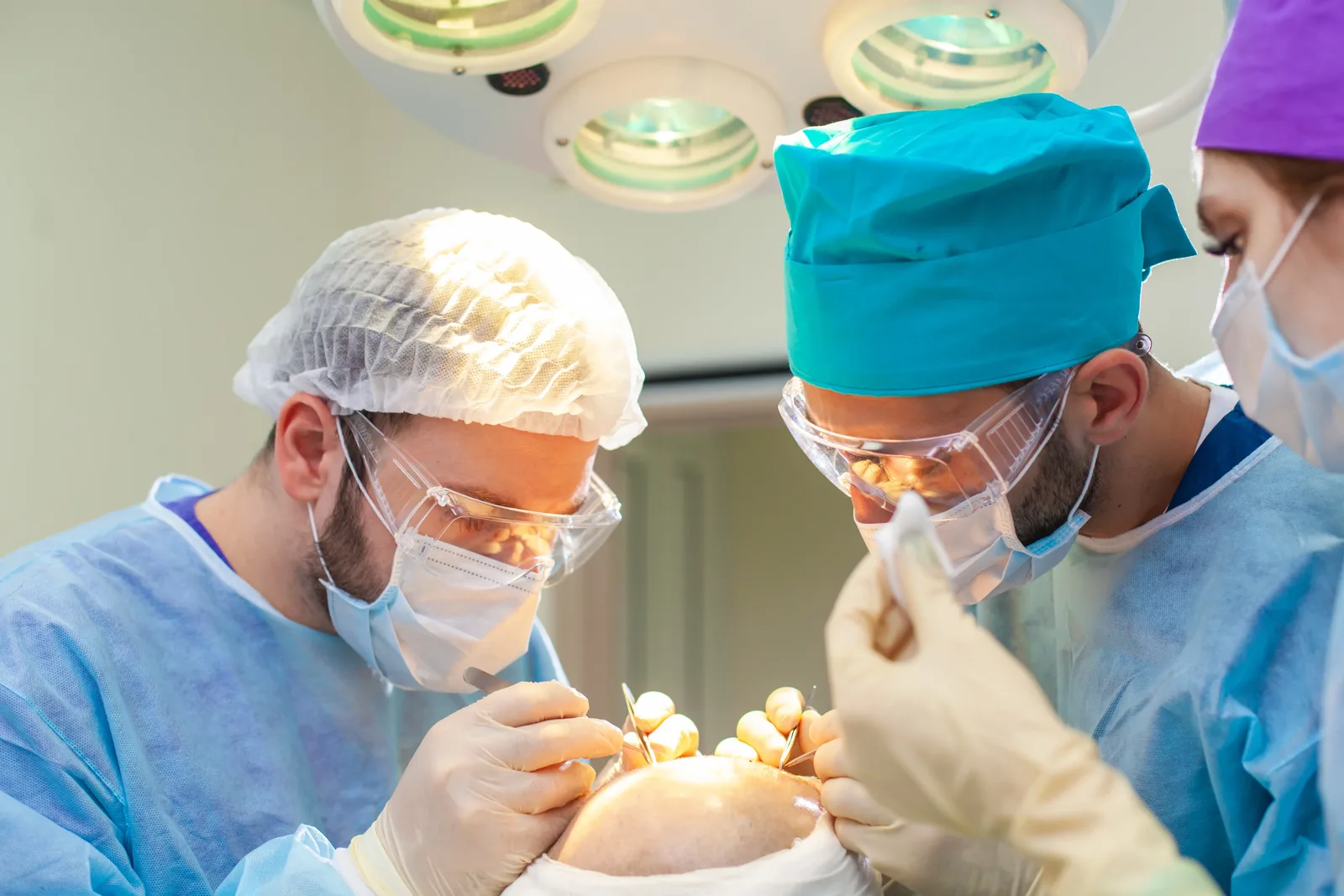
How does the hair transplant process in Turkey work? Discover a detailed guide about hair transplant in Istanbul, recovery, clinic selection, and the premium patient experience.
Learn More
Iron deficiency is a condition where the body lacks sufficient iron, essential for producing hemoglobin in red blood cells. This deficiency can lead to various health issues, including female hair thinning, a concern that many women face globally.
Iron is a vital mineral that plays a crucial role in our overall health. It is necessary for the production of hemoglobin, which carries oxygen to our cells. When iron levels drop, it can lead to anemia, resulting in fatigue, weakness, and even hair loss. Iron deficiency can occur due to inadequate dietary intake, increased physiological demands, or absorption issues. Understanding the mechanisms of iron deficiency is essential for identifying and addressing the condition effectively.
Globally, iron deficiency is one of the most common nutritional deficiencies, affecting millions of individuals, particularly women and children. The World Health Organization estimates that approximately 30% of the world's population is anemic, with iron deficiency being the leading cause. This deficiency can have far-reaching consequences, not only on physical health but also on mental well-being, as fatigue and weakness can impair daily functioning and quality of life.
In women, the risk of iron deficiency is heightened due to factors such as menstruation, pregnancy, and breastfeeding. These physiological states increase the body's demand for iron, and if dietary intake does not meet these needs, deficiencies can develop. Moreover, certain lifestyle choices, such as vegetarianism or veganism, can also increase the risk of iron deficiency if not carefully managed through dietary planning.
Hair follicles require a steady supply of nutrients, including iron, to function optimally. When the body is iron deficient, it prioritizes vital organs over hair follicles, which can lead to hair thinning and loss. This is particularly concerning for women, as hormonal changes can exacerbate the issue. Hair is a non-essential tissue, meaning that in times of deficiency, the body will divert resources to maintain the function of more critical systems, resulting in hair loss.
Research has shown that iron deficiency can lead to telogen effluvium, a condition where hair follicles prematurely enter the resting phase of the hair growth cycle, resulting in increased hair shedding. Additionally, iron is involved in the production of collagen, a protein that helps strengthen hair. Therefore, a lack of iron not only affects the quantity of hair but can also compromise its quality, leading to brittle and weak strands.
Furthermore, the relationship between iron levels and hair health is complex and may also involve other factors such as hormonal imbalances, particularly in women. Conditions like polycystic ovary syndrome (PCOS) can lead to both hormonal fluctuations and iron deficiency, compounding the issue of hair thinning. Thus, addressing iron deficiency is a crucial step in managing hair health, especially in women experiencing hormonal changes.
In addition to these common causes, other factors such as chronic diseases, certain medications, and lifestyle choices can also contribute to iron deficiency in women. For example, athletes may experience increased iron loss through sweat and the physical demands of their sport. Understanding these factors is essential for developing a comprehensive approach to preventing and treating iron deficiency.
Recognizing the symptoms of iron deficiency is crucial for early intervention. Common symptoms include:
In addition to these primary symptoms, individuals with iron deficiency may also experience dizziness, headaches, and brittle nails. The severity of symptoms can vary depending on the degree of deficiency and the individual's overall health. For instance, some women may notice subtle changes in hair texture or increased shedding, while others may experience more pronounced hair loss.
It is important to note that symptoms of iron deficiency can overlap with other health conditions, making it essential to seek professional evaluation if you suspect a deficiency. Anemia can also lead to complications such as heart problems, particularly if the body is not receiving enough oxygen due to low hemoglobin levels. Therefore, understanding the full spectrum of symptoms can aid in early detection and treatment.
If you suspect iron deficiency is contributing to hair thinning, it’s essential to consult a healthcare professional. A simple blood test can determine your iron levels and diagnose any deficiency. Common tests include serum ferritin, hemoglobin levels, and total iron-binding capacity (TIBC), which together provide a comprehensive picture of your iron status.
Once diagnosed, treatment often includes dietary changes and, in some cases, iron supplements. Healthcare providers may recommend iron supplements in various forms, such as ferrous sulfate or ferrous gluconate, depending on individual tolerance and absorption rates. It is crucial to follow the prescribed dosage, as excessive iron intake can lead to toxicity and other health issues.
In addition to supplements, addressing dietary intake is vital. A registered dietitian can help create a personalized meal plan that incorporates iron-rich foods and enhances absorption. For example, consuming vitamin C-rich foods alongside iron sources can significantly improve iron absorption. Furthermore, it is essential to monitor iron levels regularly to ensure that treatment is effective and to make adjustments as needed.
Incorporating iron-rich foods into your diet is a proactive way to combat deficiency. Some recommended foods include:
In addition to these foods, it is beneficial to include fortified cereals and grains in your diet, as many are enriched with iron. Pairing these foods with sources of vitamin C, such as citrus fruits, bell peppers, and tomatoes, can enhance iron absorption significantly. It is also advisable to limit the intake of calcium-rich foods and beverages at the same time as iron-rich meals, as calcium can inhibit iron absorption.
For those who follow vegetarian or vegan diets, incorporating sources of non-heme iron, such as beans, lentils, tofu, and fortified plant-based milk, is essential. Additionally, cooking with cast iron cookware can increase the iron content of food, providing an easy way to boost dietary intake. Regularly assessing dietary habits and making necessary adjustments can help maintain optimal iron levels and support overall health.
While addressing iron deficiency is critical, some women may seek additional solutions for hair thinning. At Adem Demiral Hair Clinic in Atasehir, Istanbul, we offer various hair restoration treatments, including:
These advanced hair restoration techniques aim to promote hair regrowth and improve the overall density and appearance of hair. For instance, Follicular Unit Extraction (FUE) methods, such as Diamond FUE and Sapphire FUE, involve the extraction of individual hair follicles from a donor area and transplanting them to thinning or balding areas. These minimally invasive procedures typically result in natural-looking outcomes with minimal scarring.
Additionally, Platelet-Rich Plasma (PRP) therapy utilizes the patient’s own blood to stimulate hair follicles and promote growth. This treatment can be particularly effective when combined with addressing underlying nutritional deficiencies, such as iron deficiency. By integrating hair restoration treatments with nutritional support, patients can achieve more comprehensive and lasting results.
If you are experiencing significant hair thinning or suspect iron deficiency, it is advisable to consult with a specialist like Adem Demiral. Early diagnosis and intervention can lead to better outcomes and healthier hair. A healthcare professional can provide a thorough evaluation, including blood tests to assess iron levels and determine the best course of action.
Moreover, seeking professional help is crucial if you notice other concerning symptoms, such as extreme fatigue, shortness of breath, or changes in skin color. These symptoms may indicate a more severe deficiency or other underlying health issues that require immediate attention. By proactively addressing hair thinning and potential deficiencies, individuals can take charge of their health and well-being.
Iron deficiency is a common issue that can significantly impact women's hair health. Understanding the connection between iron levels and hair thinning is essential for effective management. At Adem Demiral Hair Clinic in Atasehir, Istanbul, we are committed to helping women address hair loss concerns through a combination of nutritional guidance and advanced hair restoration techniques.
By recognizing the signs of iron deficiency and seeking appropriate treatment, women can improve their overall health and restore their hair's vitality. It is essential to approach hair thinning holistically, considering both nutritional factors and potential medical interventions to achieve the best results.
Signs include fatigue, pale skin, shortness of breath, cold extremities, and hair thinning or loss. Additionally, individuals may experience dizziness, brittle nails, and a general sense of weakness.
In some cases, addressing iron deficiency with supplements can help reverse hair thinning, but it is essential to consult a healthcare professional first. Results may vary based on the severity of the deficiency and individual health factors.
Iron-rich foods include red meat, poultry, fish, beans, lentils, spinach, and nuts. Fortified cereals and grains also provide a significant source of iron, especially for those following plant-based diets.
Results can vary, but many people notice improvements in energy and hair health within a few months of consistent supplementation. Regular monitoring of iron levels can help track progress and adjust treatment as needed.
Yes, hair restoration treatments can be effective for women experiencing hair thinning, especially when combined with addressing underlying health issues like iron deficiency. Personalized treatment plans can lead to optimal results.
You can learn more about hair restoration options by visiting the Adem Demiral Hair Clinic website or scheduling a consultation. Our team is dedicated to providing personalized care and comprehensive solutions for hair loss.
This article is published by Adem Demiral Hair Clinic for general information. It is not a diagnosis, a treatment plan, or a personal graft estimate. Suitability requires an in-person assessment in Atasehir.
How does the hair transplant process in Turkey work? Discover a detailed guide about hair transplant in Istanbul, recovery, clinic selection, and the premium patient experience.
Learn More
How does the recovery process after a hair transplant progress? Discover the first wash, shock loss, hair growth timeline, and the 12-month transformation in detail.
Learn More
Discover the differences between DHI and Sapphire FUE hair transplantation. A detailed comparison in terms of density, natural appearance, recovery process, and unshaven hair transplantation.
Learn More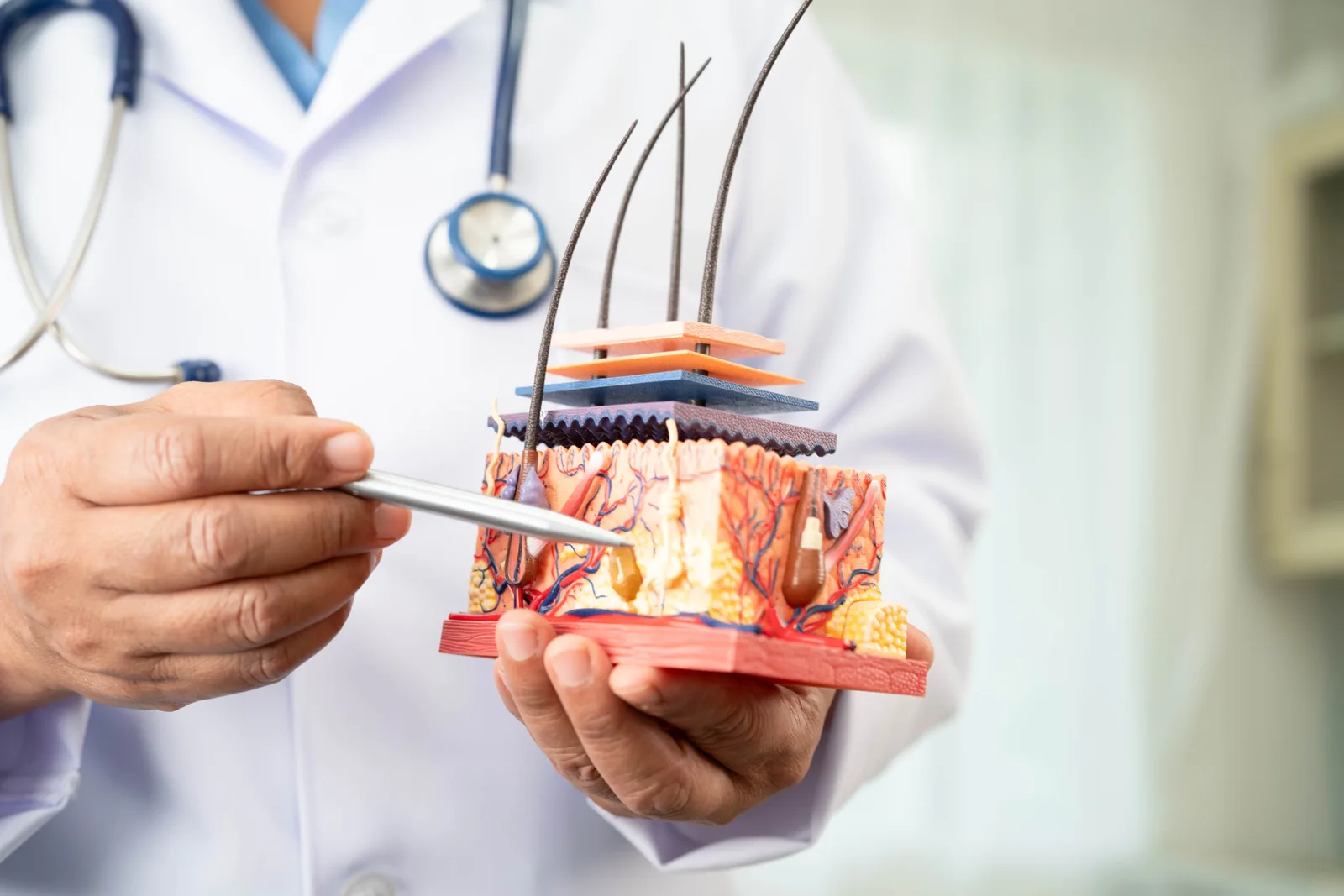
Hair loss can become both a physical and psychological concern for many people. Today, hair transplantation stands out as one of the most effective solutions for addressing this issue.
Learn More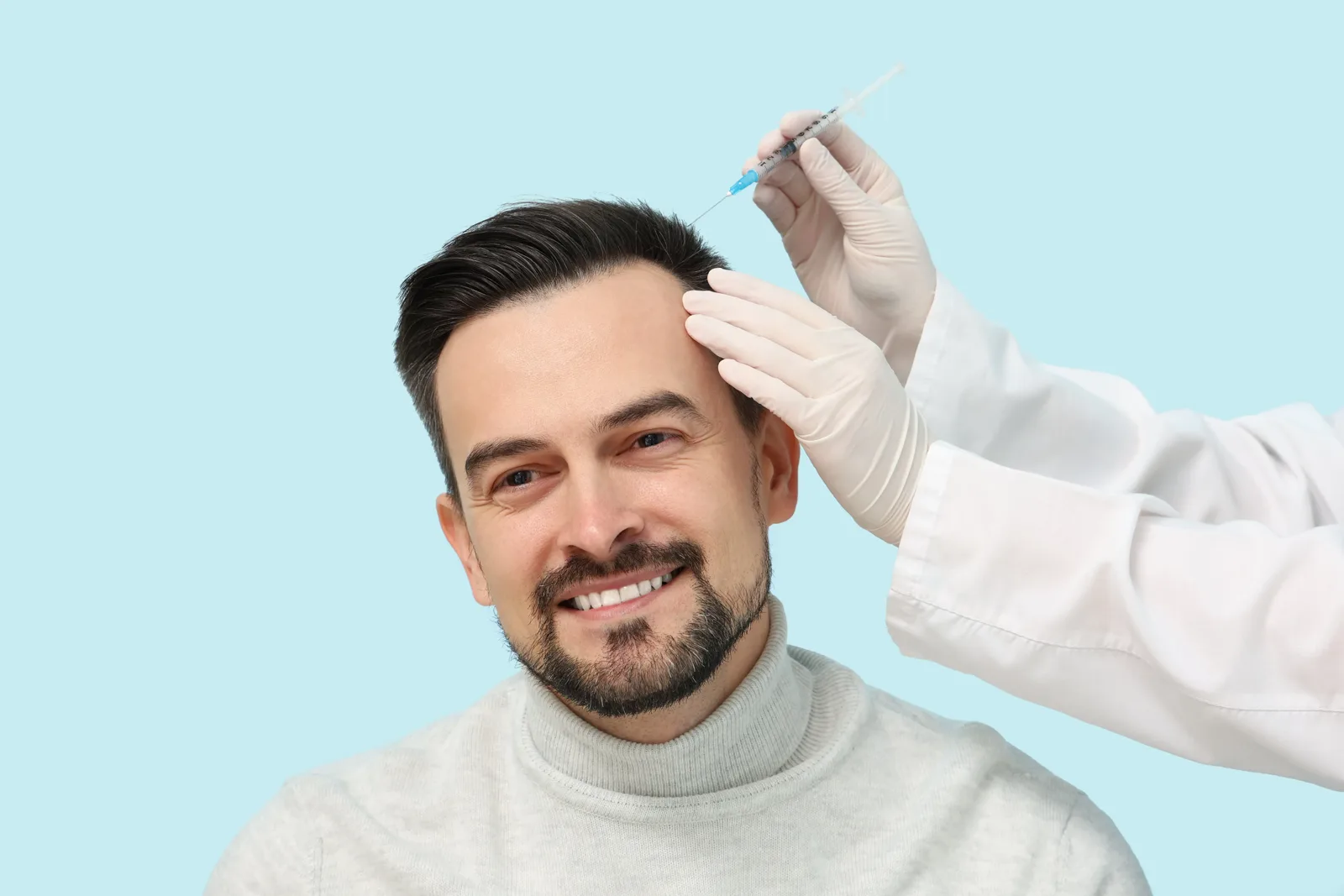
Hair loss can become both a physical and psychological challenge for many people. Today, hair transplantation stands out as one of the most effective solutions to this problem.
Learn MoreFill out the form for hair analysis, appointments, and consultation requests, or contact us directly.