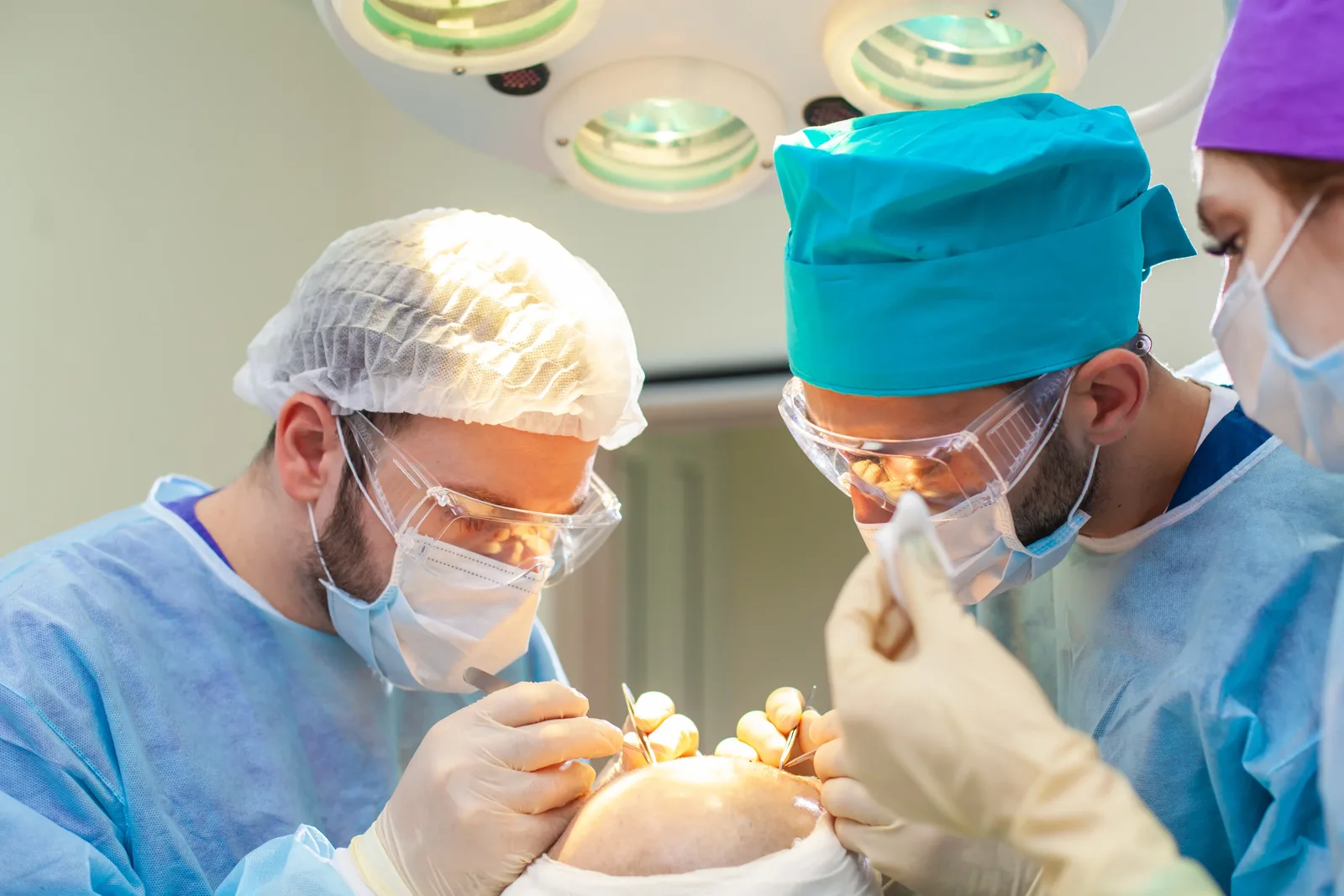
How does the hair transplant process in Turkey work? Discover a detailed guide about hair transplant in Istanbul, recovery, clinic selection, and the premium patient experience.
Learn More
Redness after a hair transplant is a common occurrence and an important aspect of the healing process. Adem Demiral, a hair transplant specialist in Atasehir, Istanbul, emphasizes that the duration and intensity of redness can vary based on several factors, including the technique used, individual healing response, and post-operative care.
After undergoing a hair transplant, patients often notice redness in the donor and recipient areas. This is a normal reaction to the surgical procedure and indicates that the body is healing. The extent of redness can depend on the technique employed, such as Diamond FUE, DHI Pro, or Sapphire FUE, all of which are offered at Adem Demiral's clinic in Atasehir, Istanbul. Each of these techniques involves different methods of extracting and implanting hair follicles, which can influence the degree of scalp trauma and, consequently, the amount of redness experienced post-operatively.
Redness is primarily due to increased blood flow to the affected areas as the body works to repair itself. This physiological response is essential for delivering nutrients and oxygen to the healing tissues. Additionally, inflammation is a natural part of the healing process, and while it can manifest as redness, it also serves to protect the area from infection and promote recovery. Understanding this process can help patients manage their expectations and alleviate concerns about the post-operative appearance of their scalp.
Furthermore, the healing process varies among individuals, influenced by factors such as skin sensitivity, overall health, and even genetic predispositions. For instance, patients with sensitive skin may experience more pronounced redness than those with thicker, less reactive skin. This variability underscores the importance of personalized care and attention during the recovery phase, as outlined by Dr. Demiral and his team.
The duration of redness can be influenced by various factors:
Additionally, the use of certain medications or supplements can also impact healing. Patients who are on anticoagulants or have conditions that affect blood clotting may experience prolonged redness due to increased bleeding or slower healing processes. It is crucial for patients to disclose their full medical history to their hair transplant specialist to tailor post-operative care effectively.
Moreover, environmental factors such as climate and exposure to irritants can also affect the duration of redness. For example, patients living in hot, humid climates may experience more inflammation due to increased sweating and irritation, which can prolong the healing process. Therefore, understanding these factors can help patients prepare better for their recovery journey.
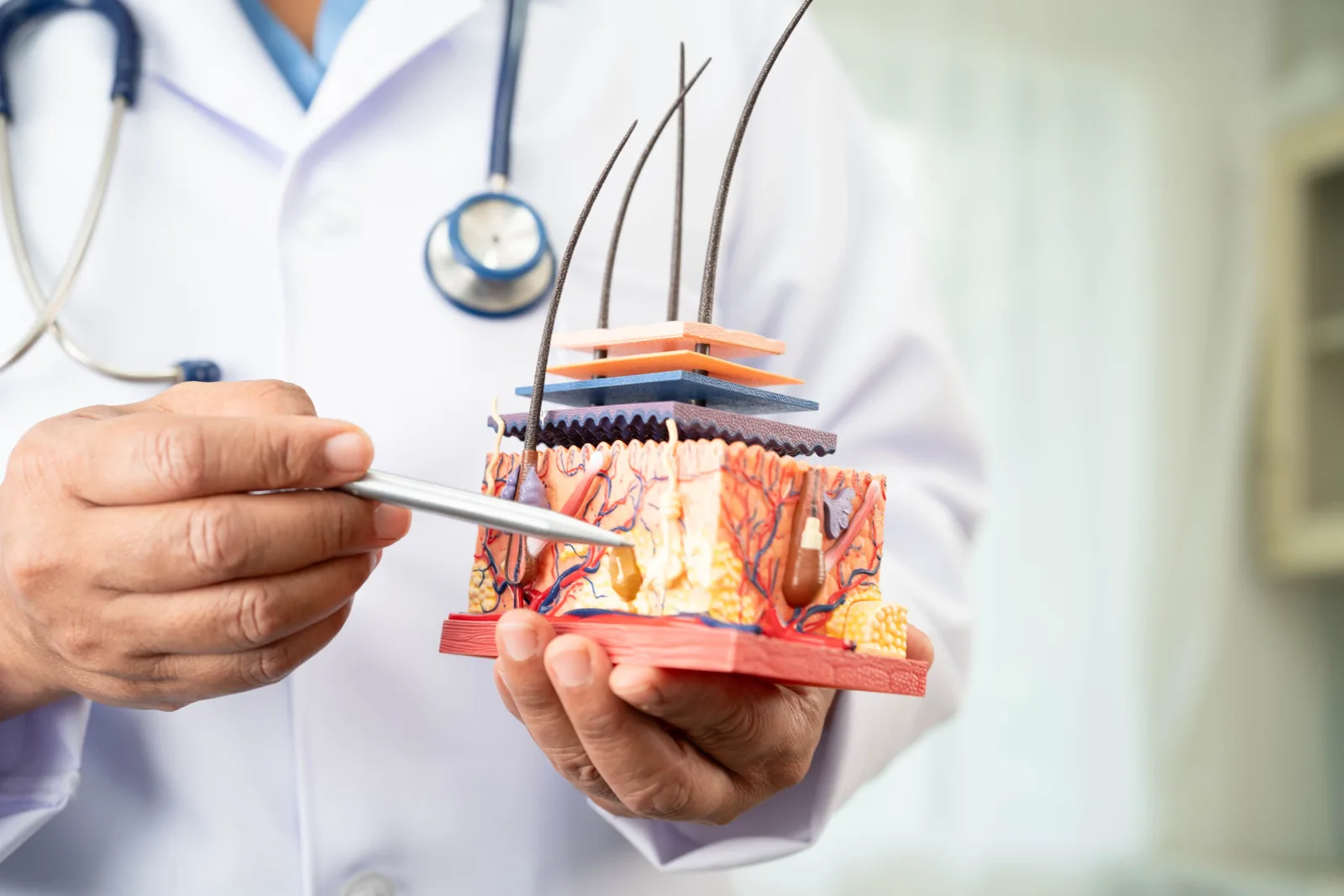
In most cases, redness can last anywhere from a few days to a couple of weeks. Generally, patients may expect the following timeline:
It is essential to note that while this timeline serves as a general guideline, individual experiences may vary. Factors such as the extent of the procedure, the number of grafts transplanted, and the patient's overall health can influence recovery time. Thus, it is vital for patients to remain patient and follow their specialist's advice closely during this period.
In some cases, patients may experience persistent redness beyond the typical timeframe. This can be due to various reasons, including infection, allergic reactions, or improper post-operative care. If redness continues beyond three weeks, it is advisable to seek medical advice to rule out any complications.
During the recovery phase, it’s essential to monitor the scalp for any unusual symptoms. Normal redness should gradually decrease, but if you notice increased swelling, pus, or severe discomfort, it’s crucial to contact the clinic. Adem Demiral's team provides comprehensive post-operative care instructions to ensure a smooth recovery. These instructions are tailored to the individual needs of each patient, taking into account the specific technique used and the patient's unique healing response.
Patients should also expect some degree of tenderness and sensitivity in the donor and recipient areas. This is a normal part of the healing process and can be managed with over-the-counter pain relief medications, as recommended by the specialist. Additionally, patients may experience some itching as the scalp begins to heal, which can be a sign of new hair growth. However, it is essential to avoid scratching or picking at the scalp to prevent irritation or infection.
Throughout the recovery process, patients are encouraged to maintain open communication with their hair transplant specialist. Regular follow-up appointments may be scheduled to monitor healing progress and address any concerns. These appointments provide an opportunity for patients to ask questions, receive reassurance, and ensure that their recovery is on track. The support and guidance from the medical team can significantly enhance the overall experience and outcomes of the hair transplant procedure.
To minimize redness and promote healing, consider the following tips:
In addition to these tips, patients should also consider incorporating gentle scalp massages into their routine after the initial healing period. This can help promote blood circulation and enhance nutrient delivery to the hair follicles, potentially supporting faster hair growth. However, it is essential to consult with the specialist before starting any new practices to ensure they align with the individual recovery plan.
Furthermore, managing stress levels can also contribute to a smoother recovery. Stress can negatively impact the body's healing processes, so engaging in relaxation techniques such as meditation, yoga, or deep breathing exercises can be beneficial. Overall, a holistic approach to recovery that encompasses physical health, emotional well-being, and adherence to medical advice can significantly enhance the healing experience.
If redness persists beyond the expected timeframe or if you experience other concerning symptoms, it’s advisable to consult with Adem Demiral, a hair transplant specialist in Atasehir, Istanbul. Early intervention can help address any potential complications. Signs that warrant immediate medical attention include increased swelling, the presence of pus, severe pain, or fever. These symptoms may indicate an infection or other complications that require prompt treatment.
Additionally, if patients notice any unusual changes in the appearance of their scalp, such as excessive scabbing, or if the hair follicles appear to be falling out in clumps, they should reach out to their specialist for guidance. It is always better to err on the side of caution when it comes to post-operative care, as timely intervention can prevent more serious issues from developing.
Patients should also be aware of the importance of follow-up appointments. These visits allow the specialist to monitor the healing process and make any necessary adjustments to the care plan. Consistent communication with the medical team can provide reassurance and ensure that patients are on the right track toward achieving their desired results.
Understanding how long redness can last after a hair transplant is essential for managing expectations during recovery. With proper care and attention, most patients find that redness diminishes significantly within a few weeks. For personalized advice and treatment options, consider reaching out to Adem Demiral’s clinic in Atasehir, Istanbul. The expertise and support provided by a qualified specialist can make a significant difference in the overall experience and success of the hair transplant journey.
Redness can last from a few days to about two weeks, depending on individual healing and care. Most patients see significant improvement within 2 to 3 weeks.
Factors include the technique used, individual healing response, and adherence to post-operative care. Environmental factors and overall health can also play a role.
If redness persists beyond three weeks or if you notice increased swelling or discomfort, contact your specialist. Early intervention can address potential complications.
Following post-operative care instructions and maintaining a healthy lifestyle can help facilitate healing. Staying hydrated and managing stress can also support recovery.
Yes, some redness is normal and indicates that the body is healing after the procedure. It is an expected part of the recovery process.
If you experience unusual symptoms like pus or severe pain, seek medical advice promptly. It is essential to address any concerns with your specialist to ensure proper care.
This article is published by Adem Demiral Hair Clinic for general information. It is not a diagnosis, a treatment plan, or a personal graft estimate. Suitability requires an in-person assessment in Atasehir.
How does the hair transplant process in Turkey work? Discover a detailed guide about hair transplant in Istanbul, recovery, clinic selection, and the premium patient experience.
Learn More
How does the recovery process after a hair transplant progress? Discover the first wash, shock loss, hair growth timeline, and the 12-month transformation in detail.
Learn More
Discover the differences between DHI and Sapphire FUE hair transplantation. A detailed comparison in terms of density, natural appearance, recovery process, and unshaven hair transplantation.
Learn More
Hair loss can become both a physical and psychological concern for many people. Today, hair transplantation stands out as one of the most effective solutions for addressing this issue.
Learn More
Hair loss can become both a physical and psychological challenge for many people. Today, hair transplantation stands out as one of the most effective solutions to this problem.
Learn MoreFill out the form for hair analysis, appointments, and consultation requests, or contact us directly.