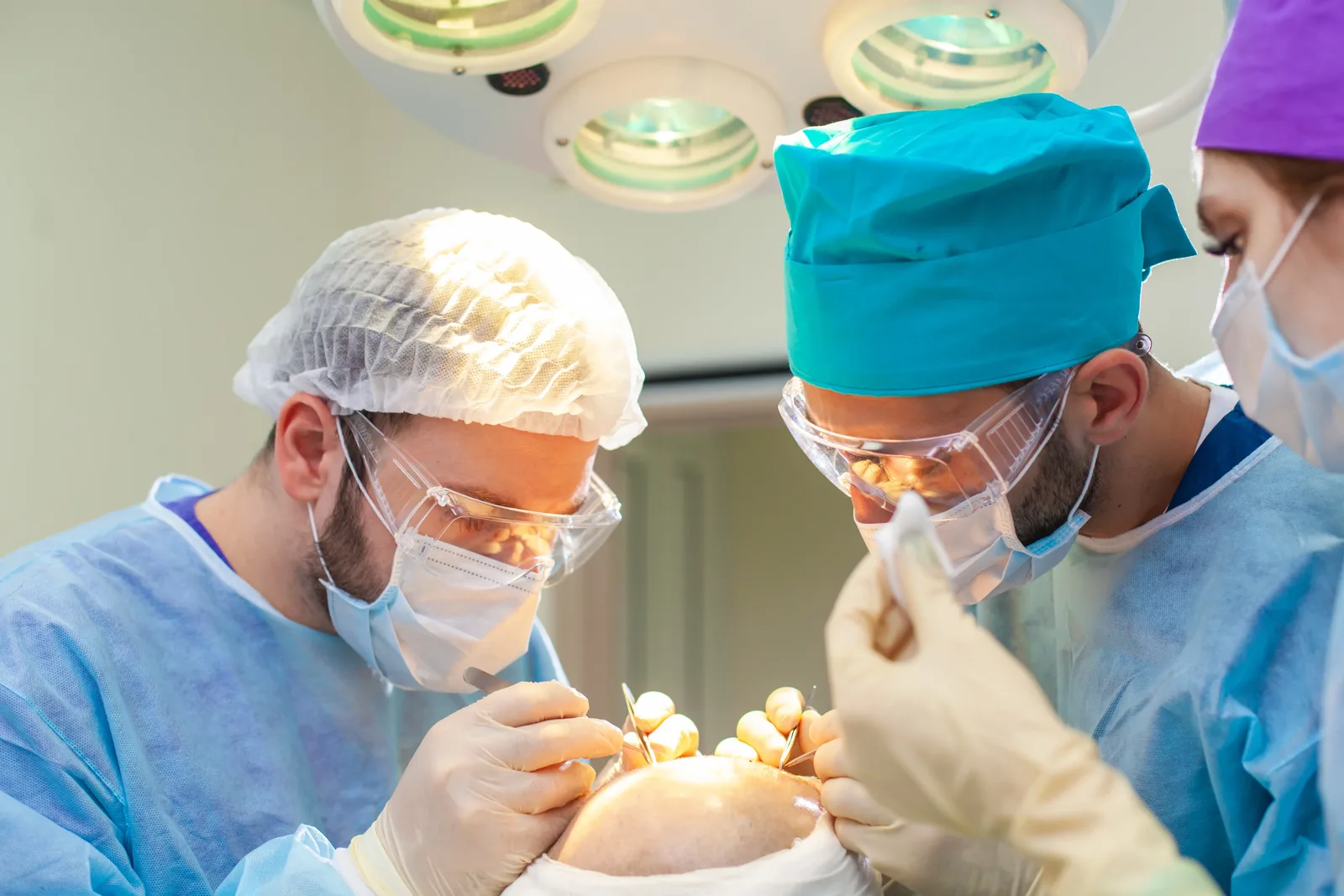
How does the hair transplant process in Turkey work? Discover a detailed guide about hair transplant in Istanbul, recovery, clinic selection, and the premium patient experience.
Learn More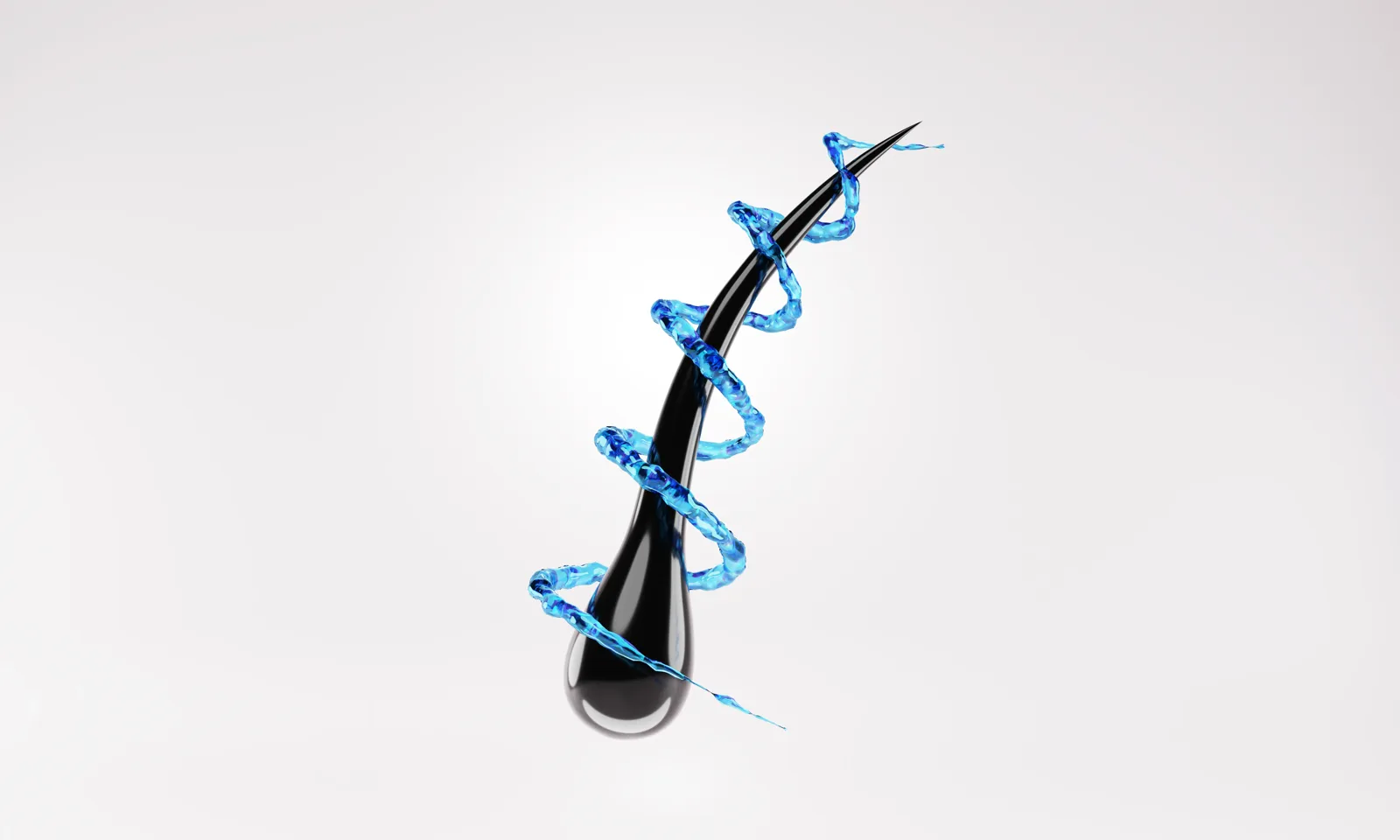
Hormones significantly influence hair health and loss, making them a critical consideration for anyone seeking hair restoration. Adem Demiral, a hair transplant specialist based in Atasehir, Istanbul, emphasizes the importance of understanding hormonal factors when considering hair transplants.
Hormones are chemical messengers in the body that regulate various physiological processes, including hair growth. They can affect hair follicles directly and indirectly, leading to conditions such as androgenetic alopecia, commonly known as male or female pattern baldness. The intricate balance of hormones in the body can determine the health of hair follicles, influencing hair density, growth cycles, and overall hair vitality.
Hair growth occurs in cycles, which are influenced by hormonal fluctuations. Androgens, estrogens, and thyroid hormones play pivotal roles in regulating these cycles. For instance, the hair growth cycle consists of three phases: anagen (growth), catagen (transitional), and telogen (resting). Hormonal imbalances can disrupt these phases, leading to premature hair shedding or stunted growth. Understanding how these hormones interact with hair follicles is essential for developing effective hair restoration strategies.
Moreover, the effects of hormonal changes are not uniform across genders. While men may experience more pronounced hair loss due to androgens, women may experience different patterns of thinning or shedding due to hormonal fluctuations during their menstrual cycles, pregnancy, or menopause. This gender-specific response to hormones underlines the necessity of personalized treatment approaches in hair restoration.
Androgens, particularly testosterone and its derivative dihydrotestosterone (DHT), are among the most influential hormones affecting hair follicles. In predisposed individuals, DHT can shrink hair follicles, leading to thinner hair and eventual hair loss. This process, known as miniaturization, is a hallmark of androgenetic alopecia. The sensitivity of hair follicles to DHT is largely determined by genetic factors, which is why some individuals experience significant hair loss while others retain a full head of hair despite similar levels of androgens.
The mechanism by which DHT affects hair follicles involves binding to androgen receptors located in the scalp. Once bound, DHT triggers a series of cellular responses that lead to follicular miniaturization. As the hair follicles shrink, the hair produced becomes finer and shorter, ultimately resulting in hair loss. This process can be gradual, often beginning in the late teens or early twenties, and can continue throughout a person's life.
In addition to genetic predisposition, other factors can exacerbate the effects of androgens on hair loss. For example, lifestyle factors such as stress, diet, and overall health can influence hormone levels and their impact on hair follicles. Managing these factors, alongside understanding the role of androgens, is crucial for effective hair loss prevention and treatment.
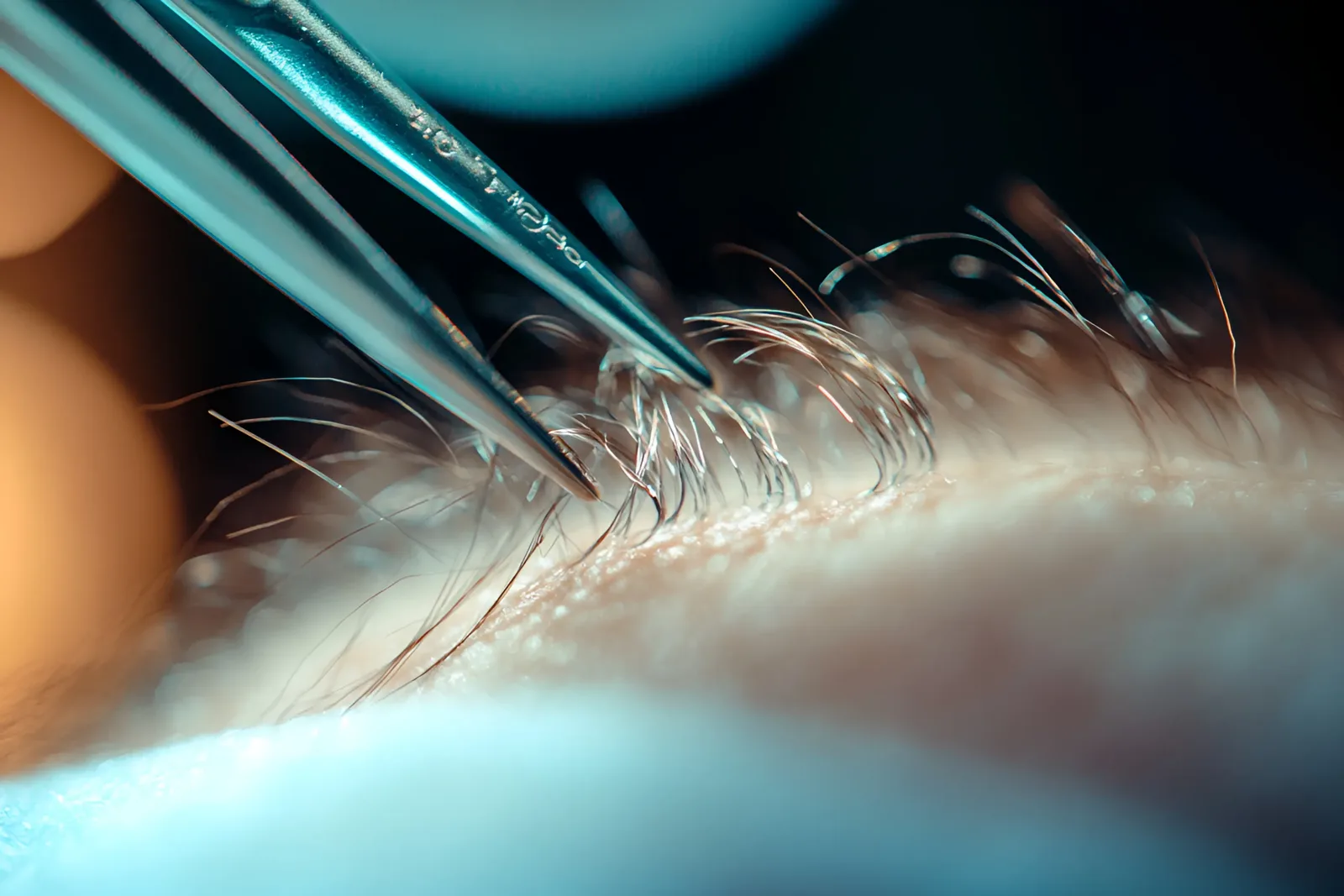
Estrogen, a hormone primarily associated with female reproductive health, also plays a role in hair growth. Higher estrogen levels can promote hair growth and prevent hair loss, which is why some women experience changes in hair density during different life stages, such as pregnancy or menopause. Estrogen is believed to prolong the anagen phase of the hair growth cycle, allowing hair to grow longer and thicker.
During pregnancy, for example, elevated estrogen levels can lead to increased hair fullness and reduced shedding. However, after childbirth, when estrogen levels drop, many women experience postpartum hair loss, as the hair that was retained during pregnancy enters the telogen phase more rapidly. This phenomenon illustrates the delicate balance of hormones and their direct impact on hair health.
Additionally, hormonal contraceptives that contain estrogen can also influence hair growth. Some women report thicker hair while on these medications, while others may experience hair thinning, particularly if they have a genetic predisposition to androgenetic alopecia. Understanding these hormonal influences is vital for women considering hair restoration options, as treatments may need to be tailored to their specific hormonal profiles.
The thyroid gland produces hormones that regulate metabolism and energy levels, which can also impact hair growth. An imbalance in thyroid hormones, whether hyperthyroidism or hypothyroidism, can lead to hair thinning or loss. In hypothyroidism, where there is an underproduction of thyroid hormones, individuals may experience dry, brittle hair and increased shedding. Conversely, hyperthyroidism can lead to fine, brittle hair and hair loss due to the accelerated metabolism.
Thyroid hormones influence the hair growth cycle by regulating the anagen phase. When thyroid hormone levels are optimal, hair follicles can thrive, resulting in healthy hair growth. However, when these levels are disrupted, the hair growth cycle can be interrupted, leading to thinning and loss. This is particularly relevant for individuals with autoimmune thyroid conditions, such as Hashimoto's thyroiditis, which can also contribute to hair loss.
For individuals experiencing hair loss, a thorough evaluation of thyroid function is essential. Blood tests measuring levels of thyroid-stimulating hormone (TSH), free T3, and free T4 can help identify thyroid imbalances. Addressing these issues through appropriate medical management can often lead to improvements in hair health and density.
Before undergoing a hair transplant at Adem Demiral Hair Clinic in Atasehir, Istanbul, it is essential to evaluate hormonal levels. Hormonal imbalances can affect the success of hair transplants and the overall health of existing hair. For instance, if a patient has elevated DHT levels, the newly transplanted hair follicles may also be susceptible to miniaturization, leading to suboptimal results.
Moreover, understanding a patient's hormonal profile can guide the choice of hair restoration techniques. For example, individuals with significant androgen-related hair loss may benefit from adjunct therapies such as finasteride or minoxidil, which can help stabilize hair loss and promote growth before and after the transplant procedure. This comprehensive approach ensures that all factors contributing to hair loss are addressed, maximizing the likelihood of a successful outcome.
Additionally, hormonal changes due to life events, such as pregnancy or menopause, should be considered when planning hair restoration. Women experiencing significant hormonal fluctuations may require a tailored approach, as their hair loss patterns may differ from those of men. By taking these factors into account, Adem Demiral Hair Clinic can provide personalized treatment plans that enhance the effectiveness of hair transplants.
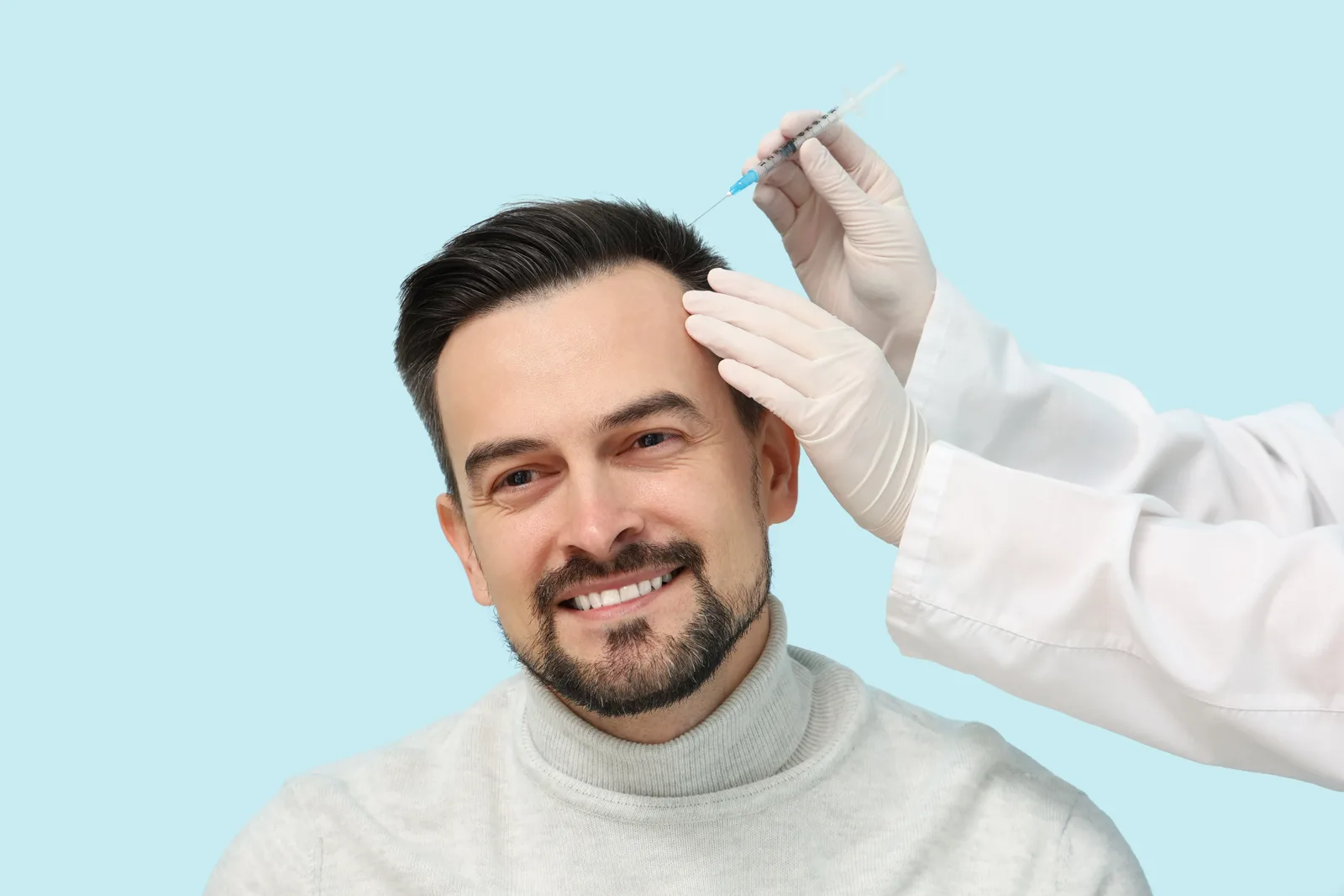
A thorough pre-evaluation is crucial in determining the right approach for hair restoration. During this assessment, hormonal levels will be checked to ensure that any underlying issues are addressed before proceeding with a hair transplant. This process typically involves a comprehensive medical history, physical examination, and laboratory tests to measure levels of key hormones, including androgens, estrogens, and thyroid hormones.
In addition to hormonal assessments, the pre-evaluation may also include scalp examinations and evaluations of hair density and quality. This holistic approach allows the hair transplant specialist to develop a comprehensive understanding of the factors contributing to hair loss, enabling them to recommend the most effective treatment options.
Patients are encouraged to be open and honest about their medical history, including any medications they are taking, as certain drugs can influence hormone levels and hair growth. By addressing all relevant factors during the pre-evaluation, patients can ensure that they receive a personalized treatment plan that considers their unique hormonal landscape.
In addition to traditional hair transplant methods, Adem Demiral Hair Clinic offers advanced treatments such as Platelet-Rich Plasma (PRP) and stem cell therapy. These treatments can enhance hair growth and improve the overall health of hair follicles, especially in patients with hormonal imbalances. PRP therapy involves drawing a small amount of the patient's blood, processing it to concentrate the platelets, and injecting it into the scalp. The growth factors in the PRP stimulate hair follicles, promoting new hair growth and improving hair density.
Stem cell therapy, on the other hand, utilizes the regenerative properties of stem cells to rejuvenate hair follicles. By isolating stem cells from the patient's own body, clinicians can create a treatment that encourages hair growth and revitalizes dormant follicles. Both PRP and stem cell therapies are minimally invasive and can be used in conjunction with hair transplant procedures to optimize results.
These advanced treatments are particularly beneficial for patients with hormonal imbalances, as they can help mitigate the effects of androgens and promote a healthier scalp environment. By incorporating these innovative therapies into the hair restoration process, Adem Demiral Hair Clinic aims to provide patients with the best possible outcomes.
Understanding the relationship between hormones and hair is vital for anyone considering a hair transplant. By addressing hormonal factors at Adem Demiral Hair Clinic in Atasehir, Istanbul, patients can improve their chances of achieving successful and sustainable hair restoration. The clinic’s comprehensive approach, which includes hormonal assessments, personalized treatment plans, and advanced therapies, ensures that patients receive the best possible care tailored to their unique needs.
Moreover, ongoing education about the role of hormones in hair health empowers patients to make informed decisions about their treatment options. By recognizing the interplay between hormones and hair growth, individuals can take proactive steps to manage their hair loss and enhance their overall hair health. This holistic understanding ultimately leads to better outcomes and increased satisfaction with hair restoration results.
Hormones like androgens and estrogen play significant roles in regulating hair growth cycles and can lead to hair loss when imbalanced. Androgens, particularly DHT, can shrink hair follicles, while estrogen can promote hair growth and prevent shedding.
DHT, a derivative of testosterone, can shrink hair follicles, leading to thinner hair and eventual hair loss in genetically predisposed individuals. Its effects are particularly pronounced in androgenetic alopecia, where hair follicles become increasingly sensitive to DHT.
Yes, hormonal changes during pregnancy can lead to increased hair growth due to elevated estrogen levels, but hair loss may occur postpartum as hormone levels normalize. This fluctuation can result in temporary hair thinning or shedding.
Consulting with a specialist at Adem Demiral Hair Clinic can help evaluate your hormonal levels through blood tests and assessments. This evaluation helps identify any imbalances that may impact hair health and restoration outcomes.
Treatments such as PRP and stem cell therapy are available at Adem Demiral Hair Clinic to support hair growth and health in patients with hormonal issues. These therapies can enhance the effectiveness of hair restoration procedures and improve overall hair density.
No, while hormonal imbalance is a significant factor, other causes of hair loss include genetics, stress, nutritional deficiencies, and medical conditions. A comprehensive evaluation is essential to identify all contributing factors to hair loss.
This article is published by Adem Demiral Hair Clinic for general information. It is not a diagnosis, a treatment plan, or a personal graft estimate. Suitability requires an in-person assessment in Atasehir.
How does the hair transplant process in Turkey work? Discover a detailed guide about hair transplant in Istanbul, recovery, clinic selection, and the premium patient experience.
Learn More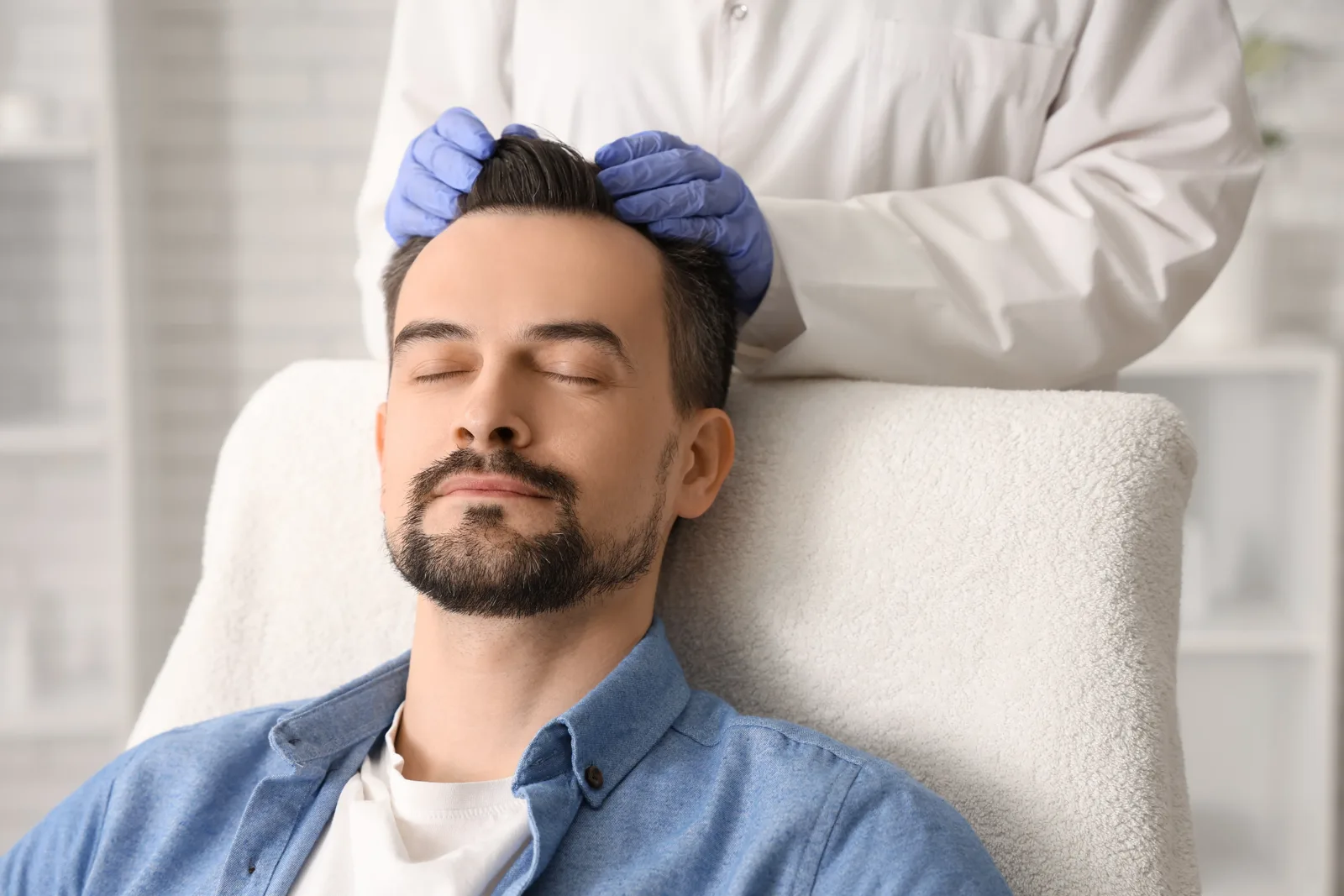
How does the recovery process after a hair transplant progress? Discover the first wash, shock loss, hair growth timeline, and the 12-month transformation in detail.
Learn More
Discover the differences between DHI and Sapphire FUE hair transplantation. A detailed comparison in terms of density, natural appearance, recovery process, and unshaven hair transplantation.
Learn More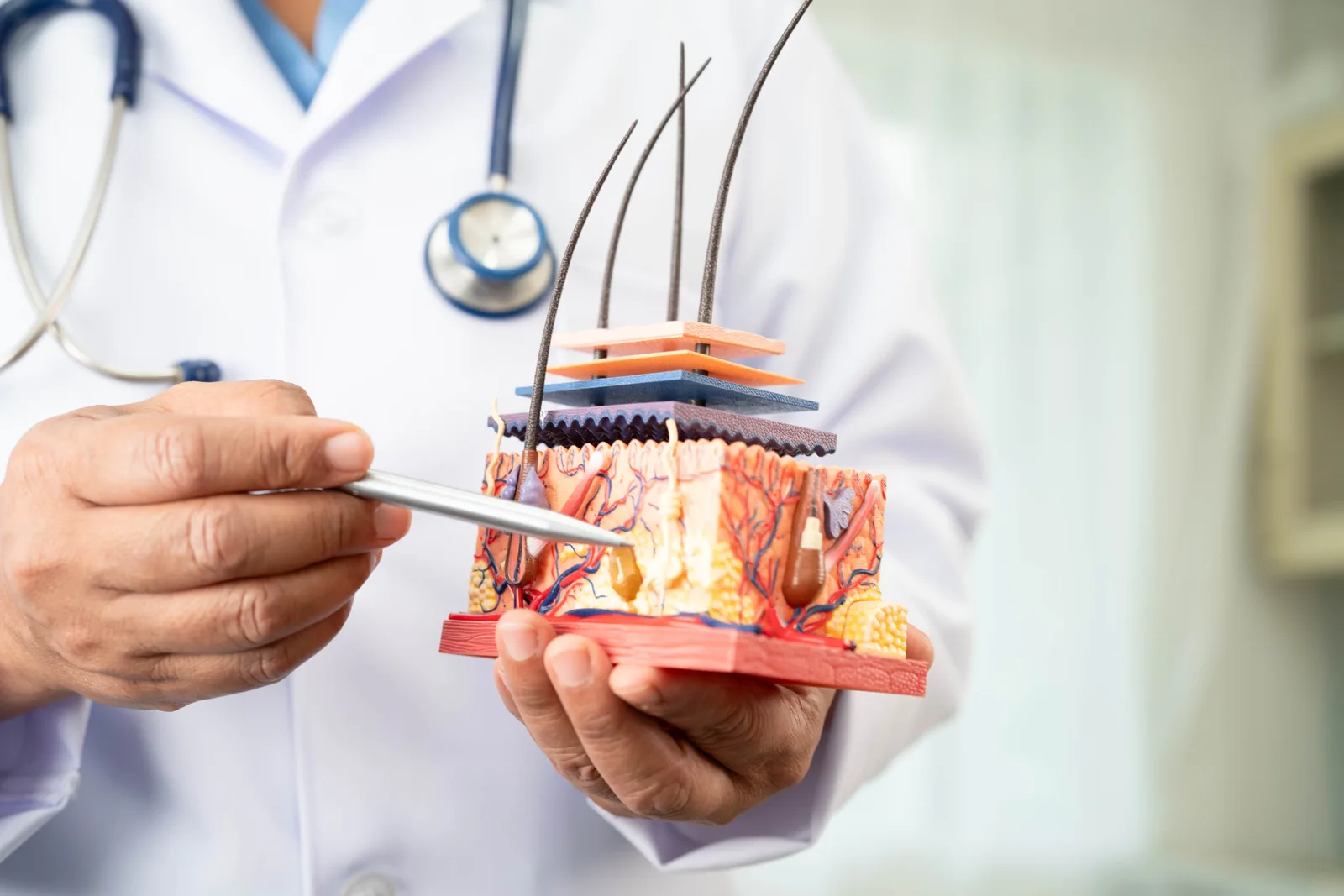
Hair loss can become both a physical and psychological concern for many people. Today, hair transplantation stands out as one of the most effective solutions for addressing this issue.
Learn More
Hair loss can become both a physical and psychological challenge for many people. Today, hair transplantation stands out as one of the most effective solutions to this problem.
Learn MoreFill out the form for hair analysis, appointments, and consultation requests, or contact us directly.