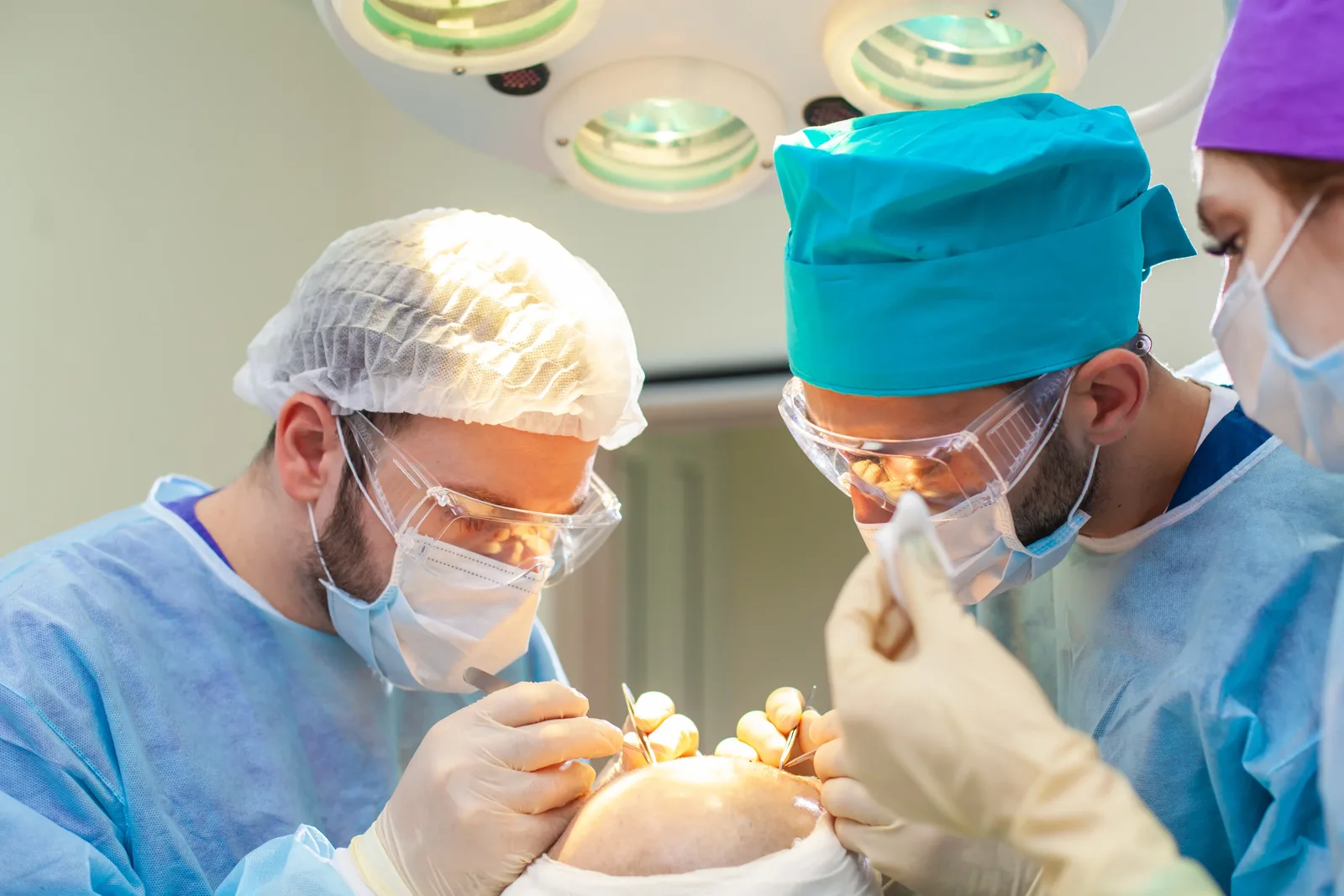
How does the hair transplant process in Turkey work? Discover a detailed guide about hair transplant in Istanbul, recovery, clinic selection, and the premium patient experience.
Learn More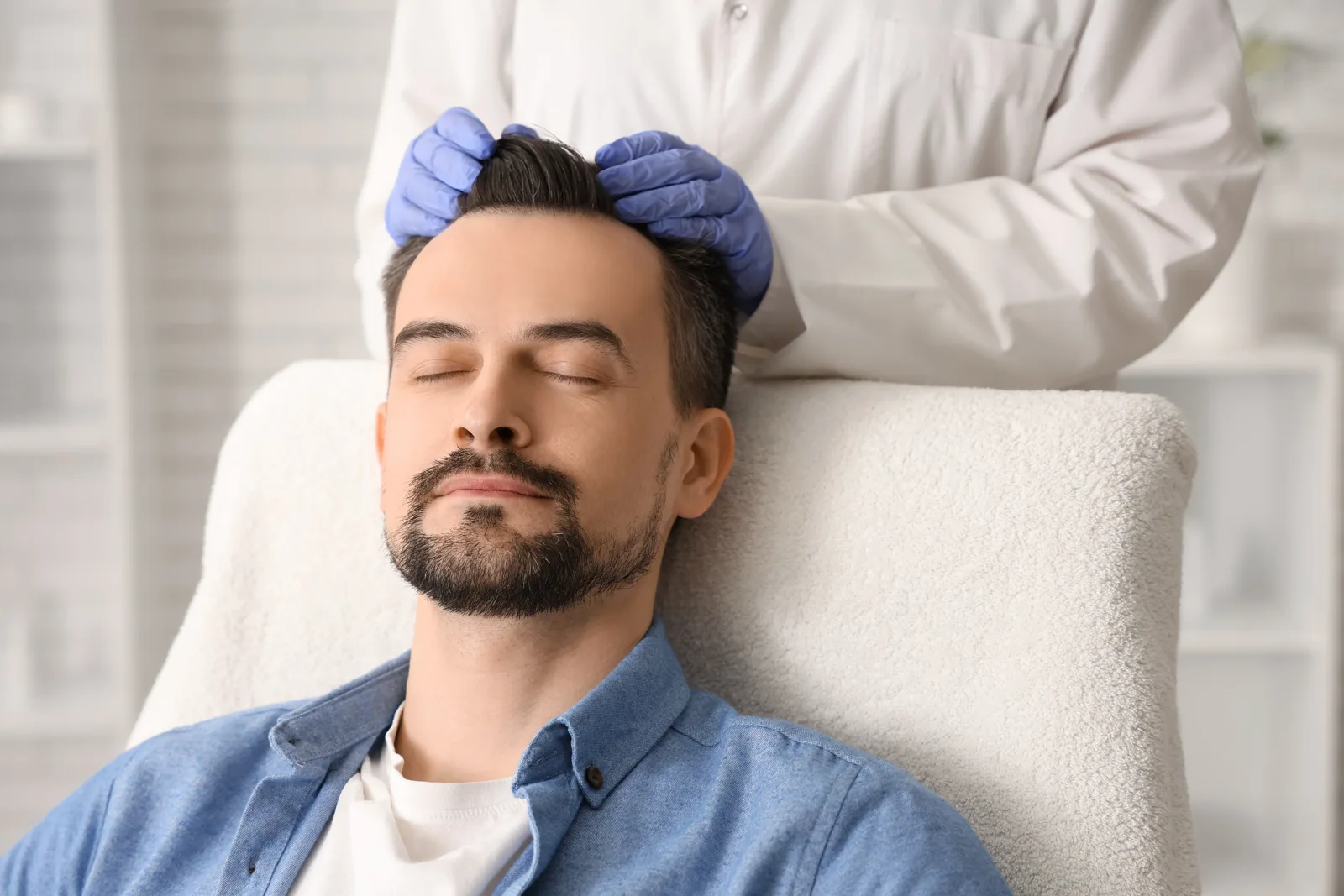
Adem Demiral, a hair transplant specialist located in Atasehir, Istanbul, provides insights into whether the season—winter or summer—affects the outcomes of hair transplant procedures. This article delves into the various factors that may influence the timing of hair transplants and helps you make an informed decision regarding your hair restoration journey.
Hair transplants are cosmetic procedures designed to restore hair to areas of the scalp that are thinning or balding. Techniques such as Diamond FUE, DHI Pro, and Sapphire FUE are commonly used in these procedures, alongside advanced care options like PRP and stem-cell supported treatments. At Adem Demiral Hair Clinic, we focus on providing personalized care to ensure the best possible results for our patients.
The fundamental principle of hair transplantation involves relocating hair follicles from a donor site, typically the back or sides of the head, to areas experiencing hair loss. This process allows for a natural-looking result, as the transplanted hair continues to grow in its new location. The choice of technique can significantly affect the outcome; for instance, Diamond FUE utilizes a specialized instrument that minimizes tissue damage and enhances healing, while DHI Pro allows for direct implantation of hair follicles, which can lead to more precise placement and improved density.
In addition to the surgical techniques employed, the postoperative care and follow-up provided by the clinic play a crucial role in the success of hair transplants. This includes not only monitoring the healing process but also implementing supportive treatments such as PRP (Platelet-Rich Plasma) therapy, which can enhance hair growth and improve the overall health of the scalp. Understanding these aspects is essential for prospective patients as they consider their options for hair restoration.
When considering a hair transplant, many patients wonder if the time of year affects the procedure's success. While the technical aspects of hair transplantation remain constant, environmental factors tied to seasonal changes may play a role in recovery and overall satisfaction. Factors such as temperature, humidity, and UV exposure can influence the healing process and the eventual outcome of the transplant.
Furthermore, seasonal changes can also affect the psychological state of patients. For instance, some individuals may feel more confident and willing to undergo cosmetic procedures during the winter months when they can easily conceal their heads, while others may prefer the summer for its association with outdoor activities and social events. Understanding these dynamics helps patients align their hair restoration journey with their lifestyle and expectations.
Ultimately, while the season may introduce various environmental factors, the expertise of the surgeon and the specific techniques employed will have a more significant impact on the success of the hair transplant. Therefore, it is crucial for patients to consult with specialists who can provide tailored advice based on their individual circumstances and preferences.
Several environmental factors associated with winter and summer can influence the hair transplant experience:
Humidity levels can significantly impact the healing process following a hair transplant. In summer, high humidity can lead to increased sweating, which may irritate the scalp and affect the delicate transplanted follicles. Excessive moisture can create a breeding ground for bacteria, increasing the risk of infection and hindering the healing process. Therefore, patients are advised to maintain a clean and dry scalp, especially during the initial recovery period.
Sun exposure is another critical consideration for patients undergoing hair transplants in the summer. The ultraviolet (UV) rays from the sun can be detrimental to the healing scalp, potentially leading to sunburn and increased sensitivity in the transplanted area. This is why it is essential for patients to take protective measures, such as wearing wide-brimmed hats or applying specialized sunscreen designed for the scalp, to safeguard against UV damage and promote optimal healing.
Conversely, winter presents its own set of challenges. The cold weather can lead to dry air, which may cause scalp dryness and irritation. This dryness can be exacerbated by indoor heating systems that further strip moisture from the air. As a result, patients may need to invest in hydrating scalp treatments and maintain a consistent moisturizing routine to support the healing process and encourage healthy hair growth.
Recovery after a hair transplant is critical for achieving optimal results. Each season presents unique challenges that can influence the healing process:
Winter’s cooler temperatures can be beneficial in some ways. Patients may find it easier to cover their heads with hats or scarves, protecting the transplanted area from environmental stressors. This added protection can be particularly advantageous in preventing exposure to harsh winds and cold temperatures that can irritate the scalp. Additionally, the lower likelihood of sweating can reduce the risk of complications associated with moisture and bacteria.
However, the dry air prevalent in winter can lead to scalp dryness, necessitating proper hydration and care. Patients are encouraged to use moisturizing shampoos and conditioners specifically designed for post-transplant care. Additionally, incorporating a humidifier in their living spaces can help maintain moisture levels in the air, thereby supporting scalp health during the recovery phase.
It's also essential for patients to be mindful of their overall health during winter recovery. Maintaining a balanced diet rich in vitamins and minerals can enhance healing and promote hair growth. Foods high in omega-3 fatty acids, antioxidants, and protein can be particularly beneficial. Staying hydrated, even in colder months, is crucial for overall well-being and can positively influence the recovery process.
In summer, patients must be cautious of sun exposure, as UV rays can damage the scalp and affect hair growth. It is advisable to wear protective hats and use sunscreen to shield the transplanted area. Additionally, the heat can lead to increased sweating, which may complicate the healing process. Patients are encouraged to keep their scalp clean and dry, particularly during the first few weeks after the procedure.
Moreover, summer offers an opportunity for outdoor activities, which can be beneficial for mental health and overall well-being. However, patients should avoid strenuous activities that may cause excessive sweating or strain on the scalp during the initial recovery period. Engaging in light activities and gradually increasing physical exertion can help ensure a smooth recovery while still allowing patients to enjoy the season.
Another consideration during summer recovery is the importance of staying hydrated. Increased temperatures can lead to dehydration, which may negatively impact the healing process. Patients should aim to drink plenty of water and consider electrolyte-rich beverages to maintain hydration levels. Proper hydration not only supports scalp health but also contributes to overall recovery and well-being.
Ultimately, the decision to undergo a hair transplant in winter or summer often comes down to personal preference. Some patients may prefer winter for the ease of covering their heads, while others may choose summer for the possibility of quicker recovery times as they can enjoy outdoor activities. At Adem Demiral Hair Clinic, we encourage patients to consider their lifestyle and comfort when choosing the timing of their procedure.
Additionally, patients should reflect on their social schedules and commitments when determining the best time for a hair transplant. For instance, those with significant social events or vacations planned may prefer to schedule their procedure well in advance to allow for adequate recovery time. Conversely, individuals who may have more flexibility in their schedules might opt for a summer procedure to take advantage of the longer days and warmer weather.
Furthermore, it is essential for patients to engage in open discussions with their hair transplant specialist regarding their preferences and any concerns they may have about the timing of the procedure. A qualified specialist can provide valuable insights and recommendations based on the patient's unique circumstances, ensuring that they feel informed and confident in their decision.
Before deciding on a hair transplant, it’s essential to undergo a thorough pre-evaluation. During this consultation, Adem Demiral will assess your individual needs and discuss the best timing for your procedure based on your unique circumstances. For more information on pre-evaluation, visit our pre-evaluation page.
The pre-evaluation process is a critical step in the hair transplant journey, as it allows the specialist to gain a comprehensive understanding of the patient's hair loss pattern, medical history, and personal goals. This assessment may include a physical examination of the scalp, discussions about previous treatments, and an evaluation of the patient's overall health. By gathering this information, the specialist can recommend the most suitable techniques and timing for the procedure.
Moreover, the consultation provides an opportunity for patients to ask questions and express any concerns they may have regarding the procedure. This open dialogue fosters a sense of trust and collaboration between the patient and the specialist, ultimately contributing to a more positive experience. Patients should feel empowered to discuss their preferences regarding seasonal timing and any lifestyle considerations that may impact their recovery.
In conclusion, while the season may have some impact on the hair transplant process, the most critical factors are the technique used and the care provided by a qualified specialist. Adem Demiral, a hair transplant specialist in Atasehir, Istanbul, emphasizes the importance of personalized care and thorough planning to ensure the best possible outcomes for patients. By considering the unique challenges and benefits associated with each season, patients can make informed decisions that align with their lifestyle and recovery goals.
Ultimately, the key to a successful hair transplant lies not only in the timing but also in the expertise of the surgeon and the quality of post-operative care. Patients are encouraged to prioritize their health and well-being throughout the process, ensuring that they follow the recommended guidelines and maintain open communication with their specialist. With the right approach, individuals can achieve satisfying and long-lasting results from their hair restoration journey.
While the season may influence recovery conditions, the technique and care provided are more critical to the success of hair transplants. Environmental factors can introduce challenges, but they do not outweigh the importance of skilled surgical execution and proper aftercare.
To ensure a smooth recovery in summer, avoid excessive sun exposure, wear protective headgear, and stay hydrated. Additionally, consider using gentle, hydrating products on the scalp to maintain moisture and prevent irritation.
Winter can be advantageous due to cooler temperatures, but patients should be mindful of dry air and scalp hydration. Taking proactive measures to maintain scalp moisture and protecting the area from cold winds can enhance the recovery experience.
Preparation includes a thorough consultation, understanding the procedure, and following pre-operative guidelines provided by your specialist. Patients should also consider their lifestyle and recovery goals when planning the timing of their procedure.
Adem Demiral utilizes advanced techniques such as Diamond FUE, DHI Pro, and Sapphire FUE to ensure optimal results for patients. Each technique has its unique advantages, and the choice will depend on the individual patient's needs and hair loss pattern.
For more information about our services and approach, visit our services page or contact us directly. We are committed to providing personalized care and ensuring that each patient feels confident and informed throughout their hair restoration journey.
This article is published by Adem Demiral Hair Clinic for general information. It is not a diagnosis, a treatment plan, or a personal graft estimate. Suitability requires an in-person assessment in Atasehir.
How does the hair transplant process in Turkey work? Discover a detailed guide about hair transplant in Istanbul, recovery, clinic selection, and the premium patient experience.
Learn More
How does the recovery process after a hair transplant progress? Discover the first wash, shock loss, hair growth timeline, and the 12-month transformation in detail.
Learn More
Discover the differences between DHI and Sapphire FUE hair transplantation. A detailed comparison in terms of density, natural appearance, recovery process, and unshaven hair transplantation.
Learn More
Hair loss can become both a physical and psychological concern for many people. Today, hair transplantation stands out as one of the most effective solutions for addressing this issue.
Learn More
Hair loss can become both a physical and psychological challenge for many people. Today, hair transplantation stands out as one of the most effective solutions to this problem.
Learn MoreFill out the form for hair analysis, appointments, and consultation requests, or contact us directly.