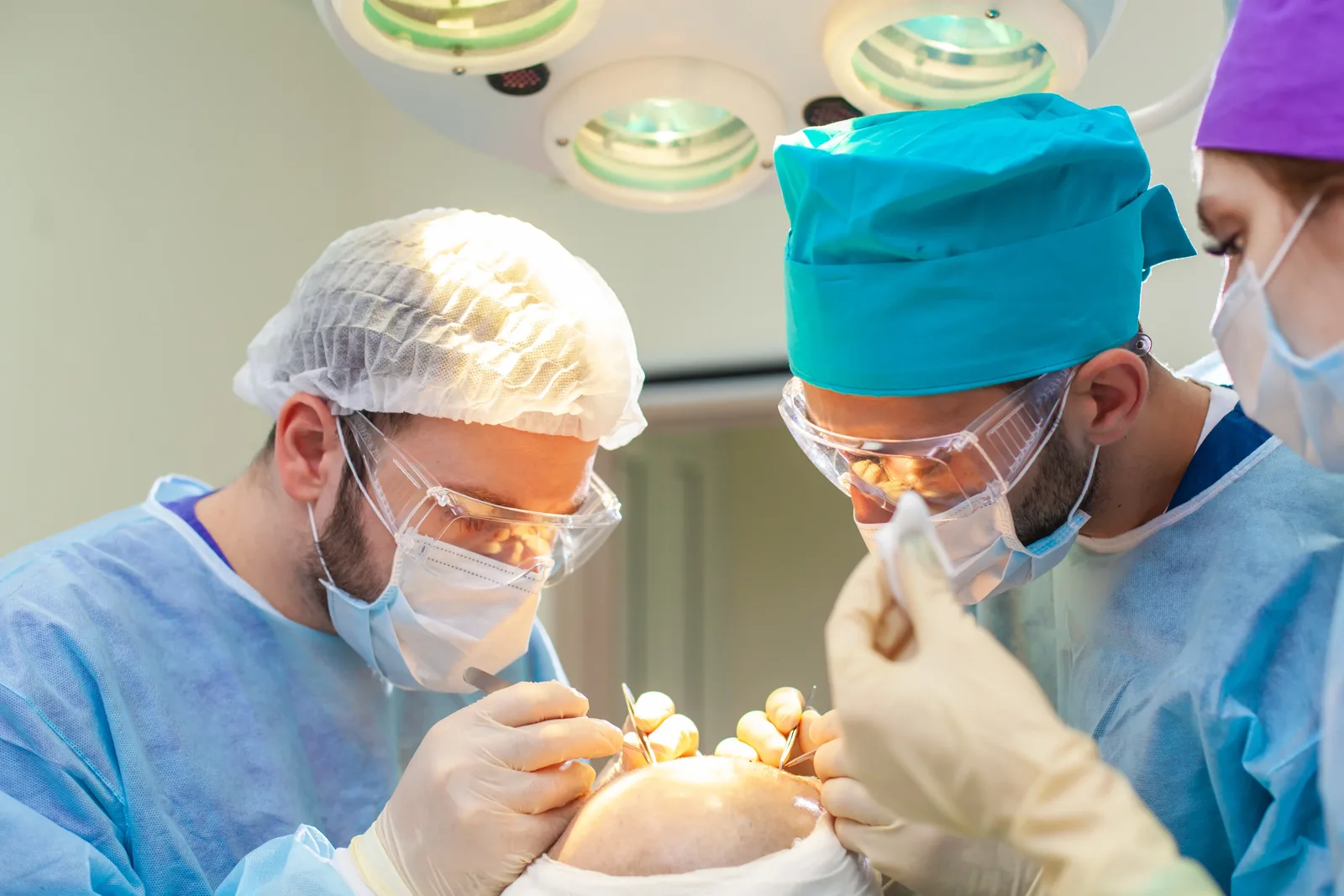
How does the hair transplant process in Turkey work? Discover a detailed guide about hair transplant in Istanbul, recovery, clinic selection, and the premium patient experience.
Learn More
Adem Demiral is a hair transplant specialist located in Atasehir, Istanbul, focusing on the unique needs of female patients considering hair transplants. Understanding how the evaluation process varies for women is crucial for achieving satisfactory results in hair restoration.
Hair loss in women can be influenced by various factors, including hormonal changes, genetics, and medical conditions. Unlike men, women often experience diffuse thinning rather than distinct bald patches, making the evaluation process more nuanced. This diffuse thinning can be attributed to a variety of conditions, including androgenetic alopecia, which is the most common form of hair loss in women and is often hereditary. Additionally, hormonal fluctuations during pregnancy, menopause, or due to the use of birth control can exacerbate hair loss, leading to increased anxiety and concern among female patients.
Furthermore, the psychological impact of hair loss is often more pronounced in women due to societal expectations regarding beauty and femininity. Women may feel a loss of identity or self-esteem when experiencing hair thinning or baldness. This emotional aspect necessitates a thorough understanding of the patient's individual circumstances, as it can significantly influence both their decision to pursue a hair transplant and their expectations of the results. A holistic approach that combines medical evaluation with emotional support is essential for effective treatment.
The initial consultation at Adem Demiral Hair Clinic is tailored to address the specific concerns of female patients. During this meeting, the hair transplant specialist assesses the patient's hair loss pattern, medical history, and personal expectations. This personalized approach begins with a detailed discussion about the patient's hair loss journey, including when they first noticed changes, any treatments they have tried, and their overall health status. Understanding the timeline of hair loss can help in diagnosing the underlying cause and determining the most effective treatment options.
In addition to assessing hair loss patterns, the consultation also serves as an opportunity for patients to express their goals and expectations. This dialogue is crucial, as it ensures that both the patient and the specialist are aligned in terms of desired outcomes. The specialist can provide insights into what can realistically be achieved through hair transplantation, addressing any misconceptions and setting clear, achievable goals. This open communication fosters trust and helps alleviate anxiety, allowing patients to feel more comfortable throughout the process.
For women, a comprehensive review of medical history is essential. Conditions such as polycystic ovary syndrome (PCOS), thyroid disorders, and anemia can contribute to hair loss, and understanding these factors helps in creating a personalized treatment plan. PCOS, for instance, is a hormonal disorder that can lead to thinning hair due to elevated androgen levels. Similarly, thyroid imbalances can cause hair to become brittle and fall out, emphasizing the need for thorough medical evaluation.
Additionally, medications and lifestyle factors such as stress, diet, and hair care routines can play a significant role in hair health. A detailed medical history allows the specialist to identify potential contraindications for certain treatments and to recommend lifestyle modifications that may support hair regrowth. For example, if a patient is found to have low iron levels contributing to hair loss, dietary recommendations or supplements may be advised as part of a holistic treatment strategy.
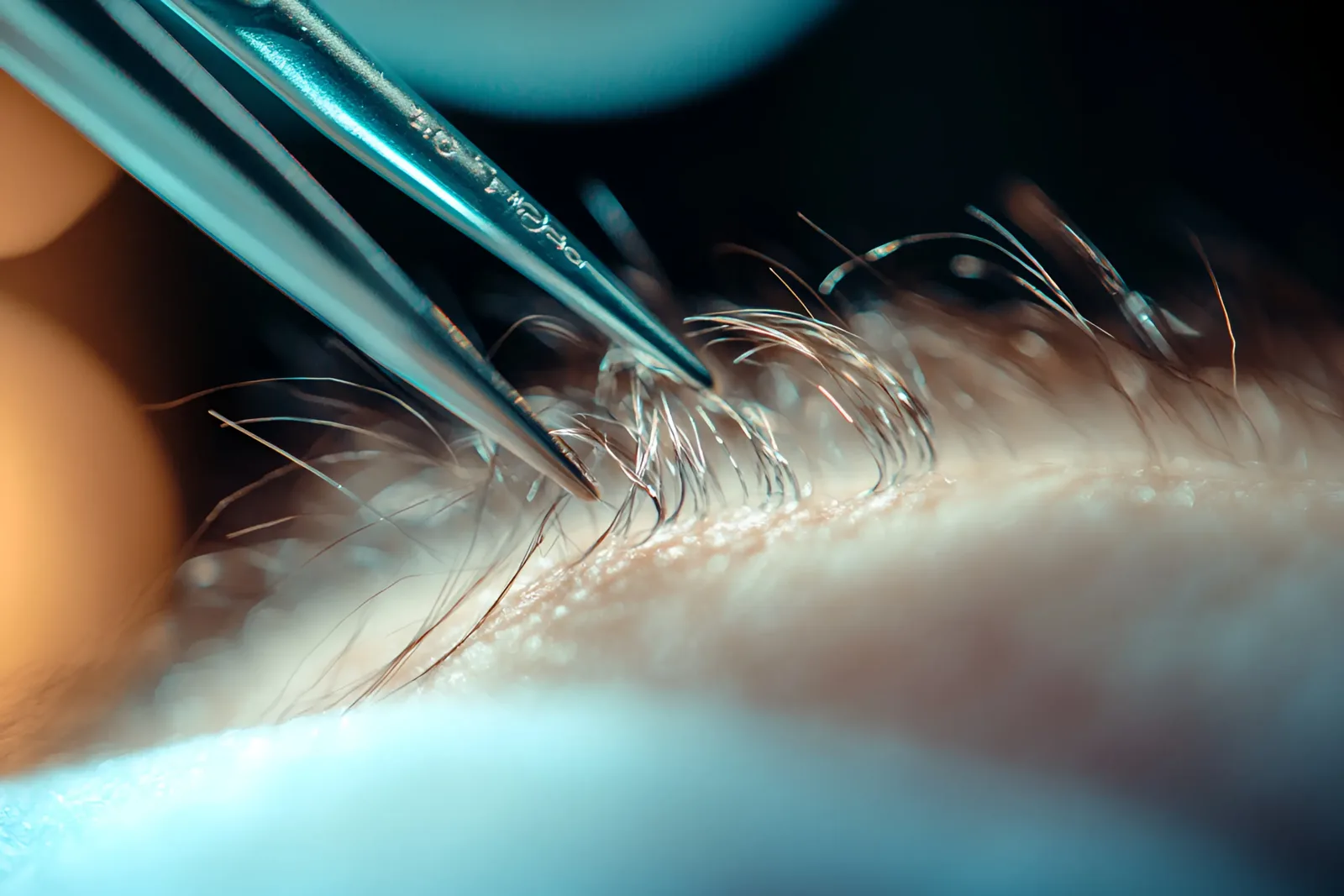
Adem Demiral utilizes advanced techniques to analyze the scalp and hair quality. This analysis includes evaluating hair density, follicle health, and the overall condition of the scalp, which are critical for determining the most appropriate hair transplant method. A thorough scalp examination can reveal issues such as inflammation, scarring, or infections that may need to be addressed prior to transplantation. Understanding the health of existing hair follicles is also vital, as it helps in predicting the likelihood of successful hair regrowth post-transplant.
Moreover, the use of technology such as trichoscopy (a non-invasive method of examining hair and scalp) allows for detailed visualization of hair follicles and scalp conditions. This diagnostic tool provides insights into the density and distribution of hair, helping to create a tailored treatment plan that considers the unique characteristics of the patient's hair loss. Such comprehensive analysis not only informs the choice of transplant technique but also enhances the overall success rate of the procedure.
Women may benefit from specific hair transplant techniques that cater to their unique needs. Options such as Diamond FUE, DHI Pro, and unshaven transplants can be discussed during the evaluation, allowing for a tailored approach that aligns with the patient’s lifestyle and preferences. The Diamond FUE technique, for instance, is known for its precision and minimal scarring, making it an excellent choice for women who may prefer to wear their hair short or in styles that expose the scalp.
Additionally, DHI Pro offers the advantage of direct implantation of hair follicles, which can lead to quicker recovery times and more natural-looking results. Unshaven transplants are particularly appealing for women who may not want to shave their heads, as this method allows for hair transplantation without the need for shaving the donor area. By discussing these options in detail, the specialist can help patients choose a technique that not only meets their aesthetic goals but also fits seamlessly into their lifestyle.
The psychological impact of hair loss can be significant for women. During the evaluation process, Adem Demiral emphasizes the importance of addressing emotional well-being and setting realistic expectations regarding the outcomes of hair restoration. Many women experience feelings of embarrassment, anxiety, or depression related to their hair loss, and these emotions can affect their overall quality of life. Acknowledging these feelings is crucial in the evaluation process, as it allows for a more comprehensive approach to treatment.
Incorporating psychological support into the hair restoration journey can help patients navigate their emotions and foster a more positive outlook. This may involve discussions about self-image, coping strategies, and the potential impact of hair restoration on their confidence and social interactions. By creating an environment where patients feel heard and supported, the clinic can enhance the overall experience and satisfaction with the treatment process.
The evaluation process also includes discussions about post-transplant care. Women may require specific guidance on hair care routines and follow-up treatments, such as PRP (Platelet-Rich Plasma) and stem-cell supported care, to ensure optimal results. Post-operative care is crucial for the success of the transplant, as it helps to minimize complications and promotes healthy hair growth. Patients are often advised on how to care for their scalp, including recommendations on washing techniques, the use of gentle hair products, and avoiding heat styling tools during the initial recovery phase.
Follow-up treatments, such as PRP therapy, can further enhance the results of the hair transplant by stimulating hair follicles and promoting growth. This treatment involves injecting the patient's own platelets into the scalp, which can improve blood circulation and provide essential nutrients to the hair follicles. Discussing these options during the evaluation ensures that patients are well-informed about the steps they can take to maximize their results and maintain their hair health in the long term.
In summary, the evaluation process for women considering hair transplants at Adem Demiral Hair Clinic in Atasehir, Istanbul, is comprehensive and tailored to individual needs. By understanding the unique factors that influence female hair loss, the clinic aims to provide effective solutions that enhance both hair growth and emotional well-being. This personalized approach not only addresses the physical aspects of hair restoration but also considers the psychological impact of hair loss, ensuring that women feel supported and empowered throughout their journey.
Hair loss in women can result from hormonal changes, genetics, medical conditions, and lifestyle factors. Conditions such as PCOS, thyroid issues, and stress can exacerbate hair thinning, making it essential to address these underlying causes.
The evaluation process for women involves a detailed medical history review, scalp analysis, and psychological considerations that are tailored to their unique needs. This ensures a holistic approach to treatment that addresses both physical and emotional aspects of hair loss.
Techniques such as Diamond FUE, DHI Pro, and unshaven transplants are often recommended for women, depending on their specific hair loss patterns and lifestyle preferences. Each technique offers different advantages that can be discussed during the consultation.
Yes, Adem Demiral emphasizes the importance of addressing emotional well-being and setting realistic expectations during the evaluation process. Psychological support is an integral part of the journey toward hair restoration.
Post-transplant care may include specialized hair care routines and follow-up treatments like PRP and stem-cell supported care for optimal results. These measures help to enhance hair growth and maintain scalp health.
For more information, you can visit the About page, check our Services, or contact us directly via the Contact page.
This article is published by Adem Demiral Hair Clinic for general information. It is not a diagnosis, a treatment plan, or a personal graft estimate. Suitability requires an in-person assessment in Atasehir.
How does the hair transplant process in Turkey work? Discover a detailed guide about hair transplant in Istanbul, recovery, clinic selection, and the premium patient experience.
Learn More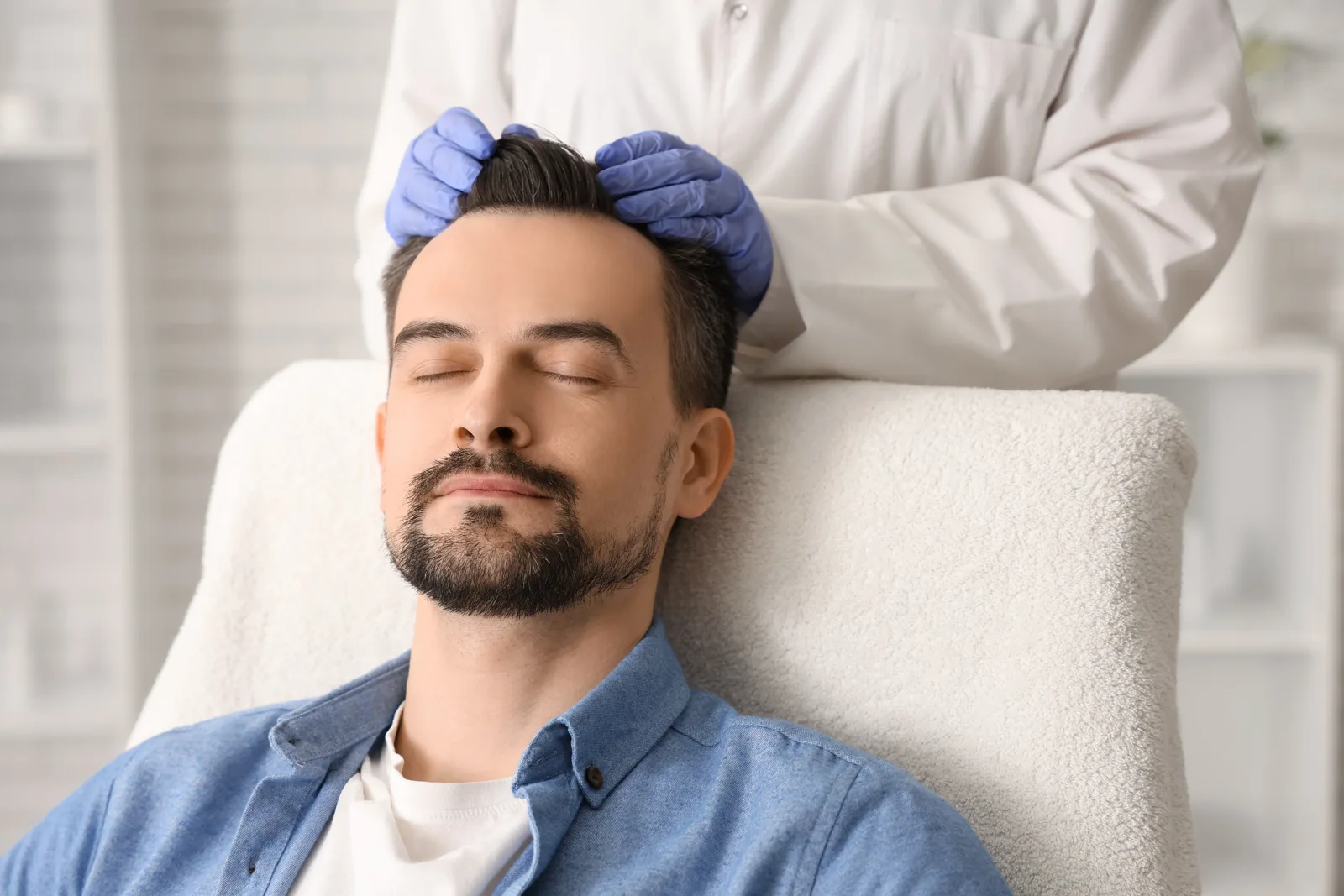
How does the recovery process after a hair transplant progress? Discover the first wash, shock loss, hair growth timeline, and the 12-month transformation in detail.
Learn More
Discover the differences between DHI and Sapphire FUE hair transplantation. A detailed comparison in terms of density, natural appearance, recovery process, and unshaven hair transplantation.
Learn More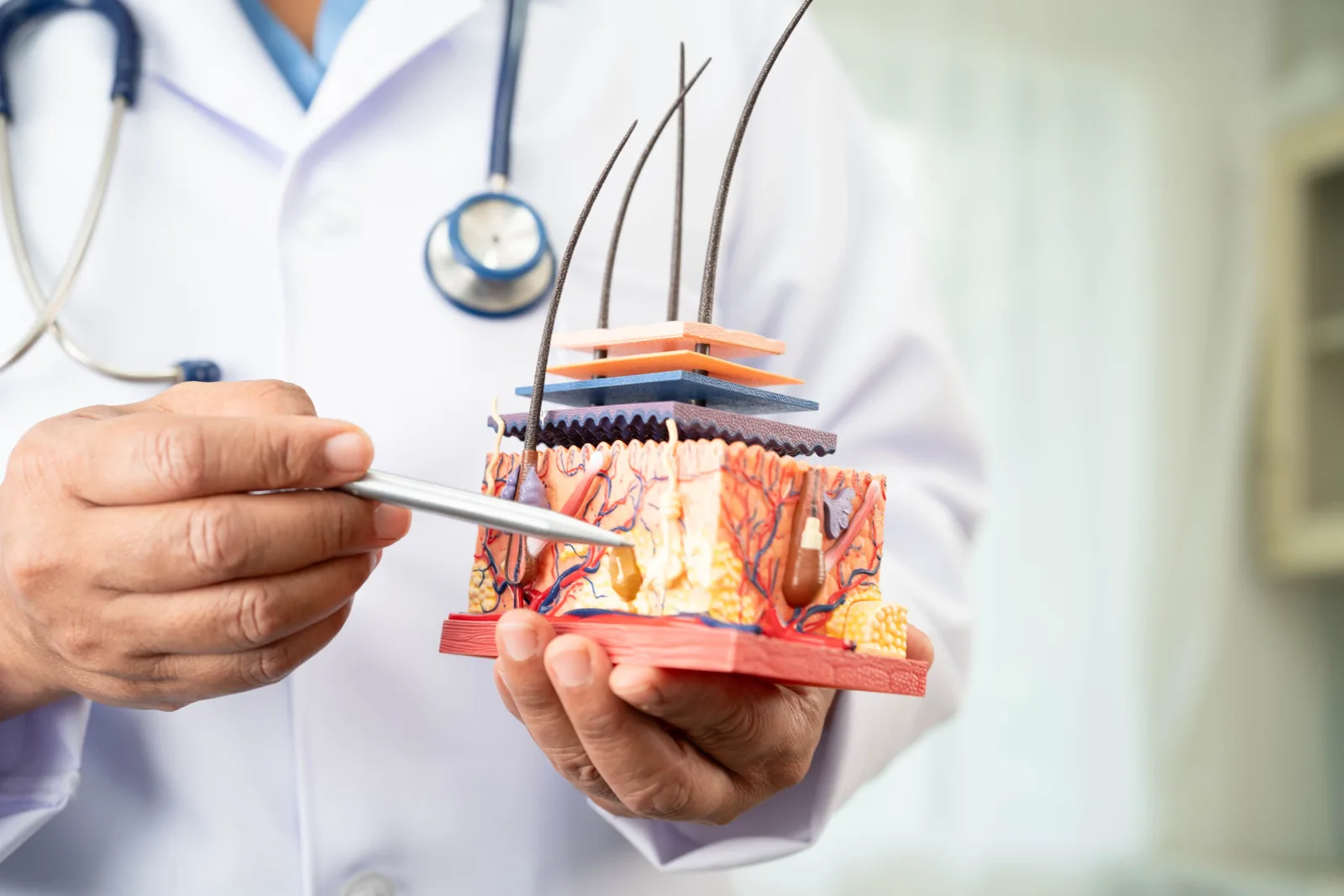
Hair loss can become both a physical and psychological concern for many people. Today, hair transplantation stands out as one of the most effective solutions for addressing this issue.
Learn More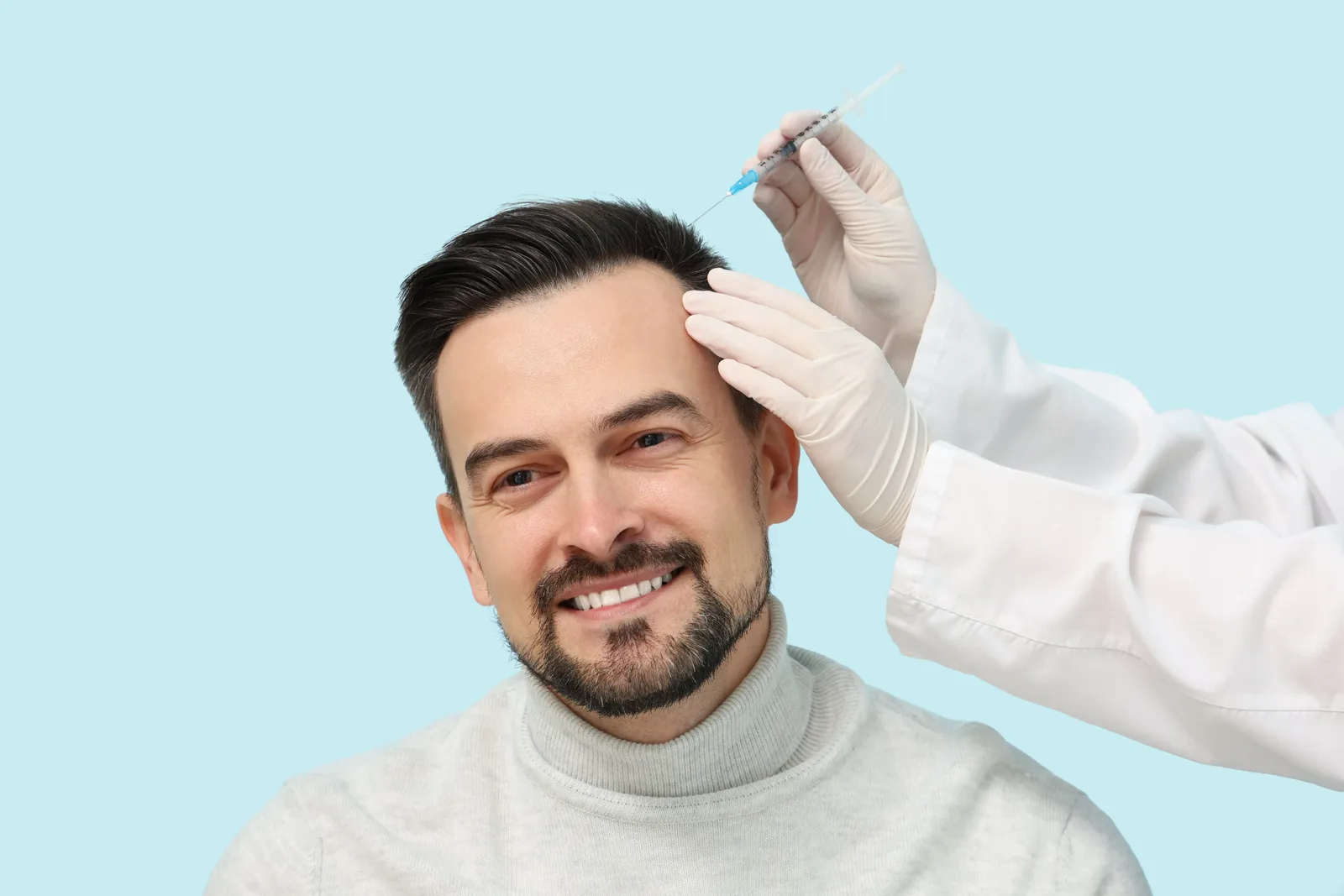
Hair loss can become both a physical and psychological challenge for many people. Today, hair transplantation stands out as one of the most effective solutions to this problem.
Learn MoreFill out the form for hair analysis, appointments, and consultation requests, or contact us directly.