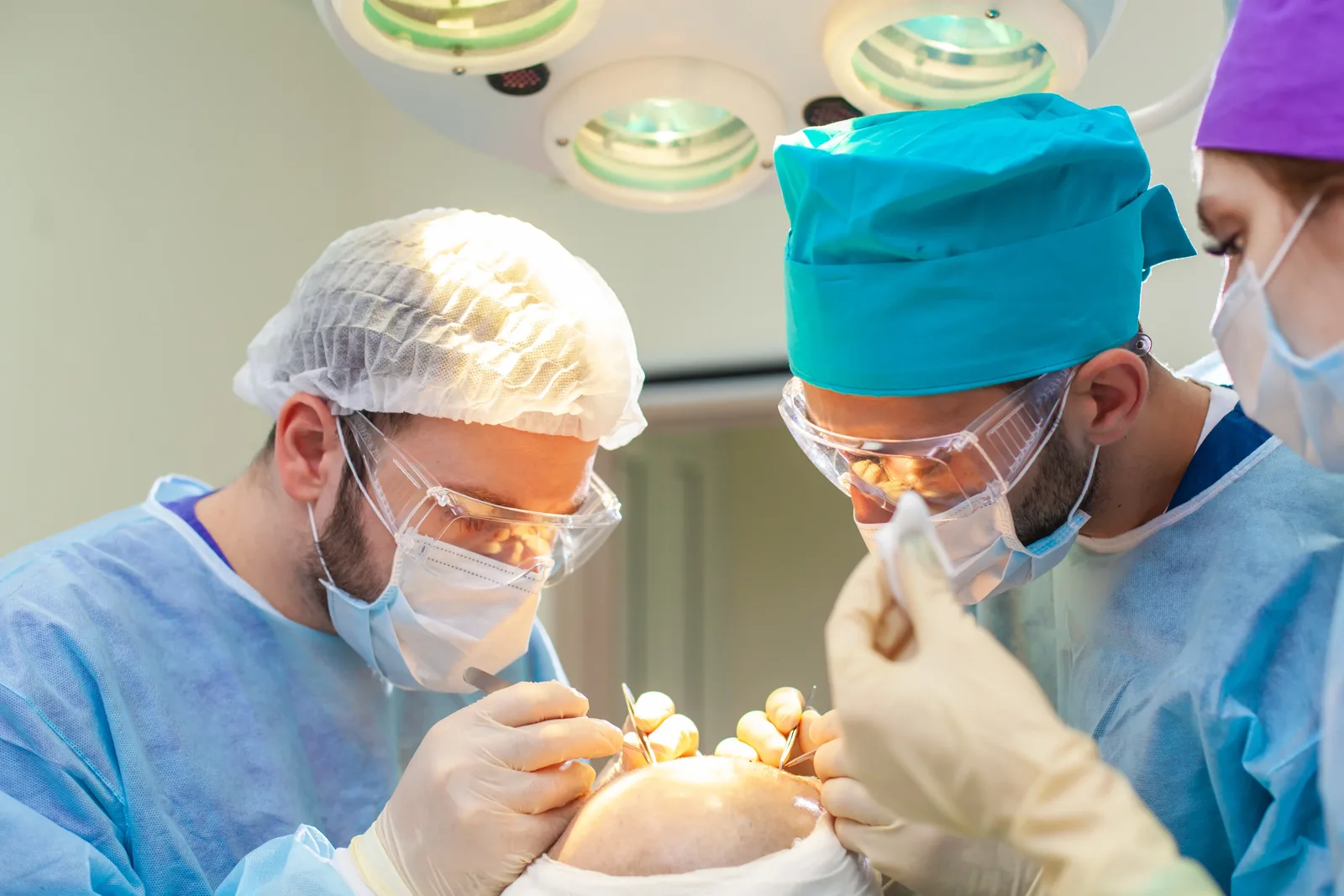
How does the hair transplant process in Turkey work? Discover a detailed guide about hair transplant in Istanbul, recovery, clinic selection, and the premium patient experience.
Learn More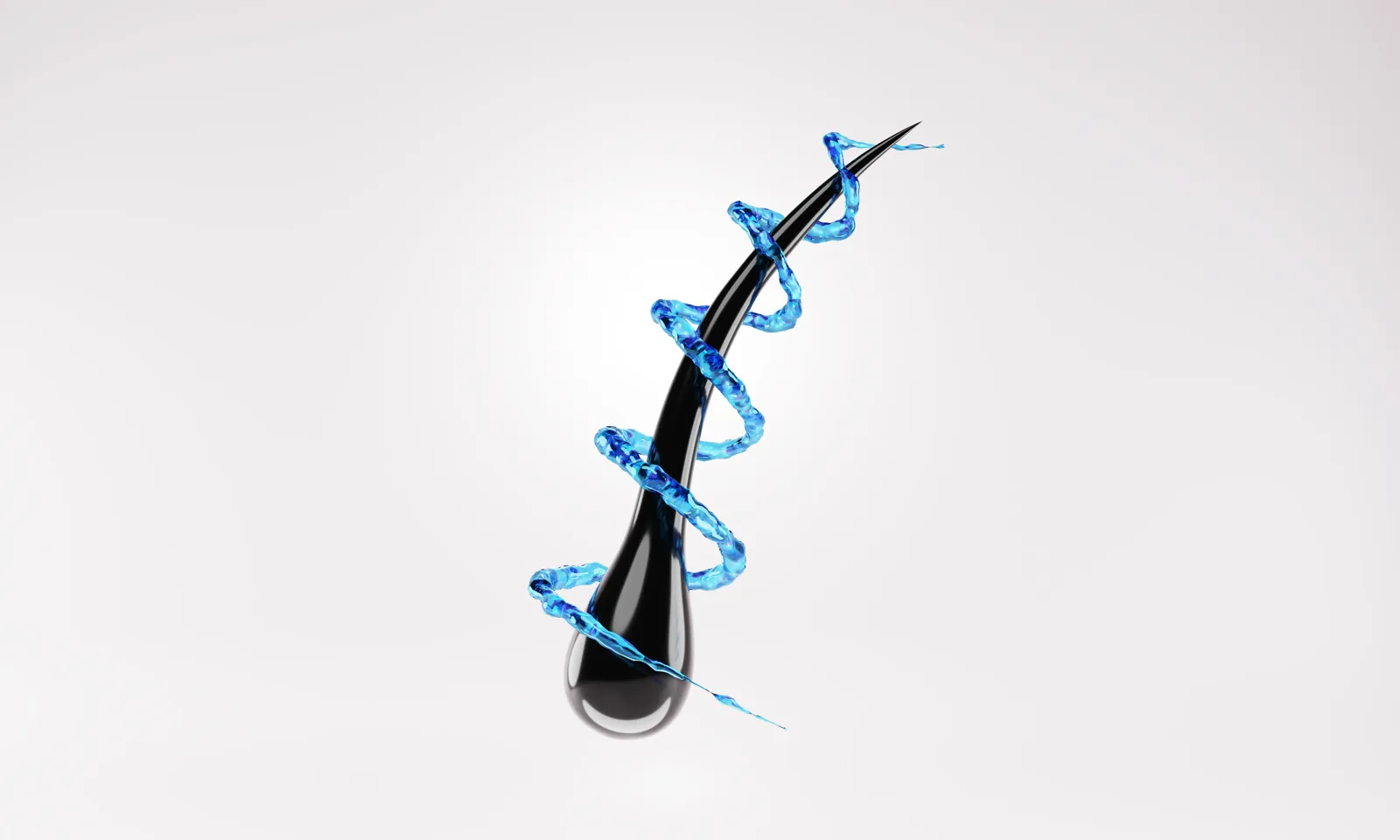
Hair health is intricately linked to nutrition, and understanding this relationship is essential for anyone looking to maintain or improve their hair condition. Adem Demiral, a renowned hair transplant specialist based in Atasehir, Istanbul, emphasizes the importance of a balanced diet in promoting healthy hair growth. The connection between what we eat and how our hair looks and feels cannot be overstated. A well-nourished body is more likely to produce strong, vibrant hair, while nutritional deficiencies can lead to a range of hair issues, including thinning, brittleness, and even loss. This article delves deeper into the various aspects of hair structure, the role of nutrition, practical dietary tips, common deficiencies, lifestyle factors, and the importance of consulting a specialist.
To appreciate how nutrition affects hair health, it is crucial to understand the basic structure of hair. Hair is primarily composed of a protein called keratin, which is produced in hair follicles. These follicles are small, tube-like structures in the skin that house the hair. Each strand of hair is made up of three layers: the cuticle, cortex, and medulla. The cuticle is the outer layer, providing protection, while the cortex contains the fibrous protein that gives hair its strength and color. The medulla is the innermost layer, which can be absent in some hair types.
The health of these follicles is influenced by various factors, including nutrition. Follicles require a steady supply of nutrients to produce healthy hair. Adequate blood circulation is essential for delivering these nutrients, and this is where diet plays a pivotal role. Nutrients such as proteins, vitamins, and minerals are vital for maintaining the integrity of hair follicles, which in turn affects hair growth and health. Understanding the composition of hair and its growth cycle can provide valuable insights into how to optimize hair care through nutrition.
Moreover, hair growth occurs in cycles: anagen (growth phase), catagen (transition phase), and telogen (resting phase). The duration and health of these phases can be influenced by nutritional status. For instance, a diet lacking in essential nutrients can shorten the anagen phase, leading to premature hair shedding. Therefore, maintaining a balanced diet rich in the right nutrients is not just about aesthetics; it is fundamental to the biological processes that govern hair growth.
Nutrition plays a vital role in the health of hair. A balanced diet rich in essential nutrients can significantly impact hair growth and overall vitality. Here are some key nutrients that contribute to healthy hair:
In addition to these nutrients, hydration plays a critical role in maintaining hair health. Water is essential for transporting nutrients to hair follicles and keeping the scalp hydrated. Dehydration can lead to dry, brittle hair that is more prone to breakage. Therefore, ensuring adequate fluid intake is as important as consuming nutrient-rich foods.
Furthermore, the timing and combination of nutrients can also influence hair health. For example, pairing iron-rich foods with vitamin C can enhance iron absorption, leading to better oxygen supply to hair follicles. Similarly, incorporating healthy fats in meals can aid in the absorption of fat-soluble vitamins like A, D, E, and K, further supporting hair health.
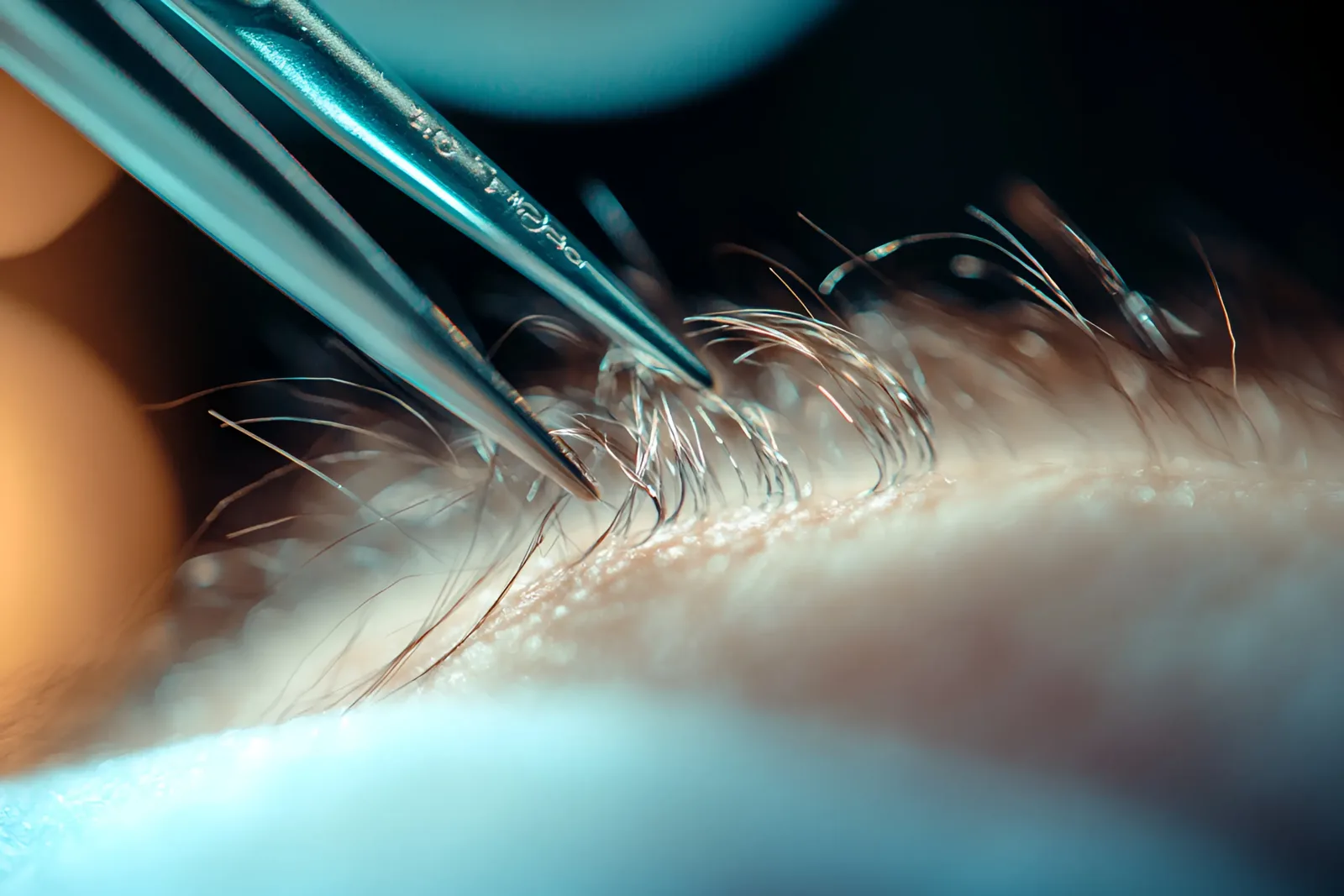
Incorporating the right foods into your diet can help promote hair health. Here are some practical dietary tips:
Additionally, being mindful of cooking methods can also impact the nutrient content of your food. Steaming or grilling vegetables rather than boiling can help preserve their vitamins. Similarly, using healthy cooking oils like olive oil can provide additional omega-3 fatty acids, further enhancing your diet.
Lastly, adopting a meal planning approach can ensure that you consistently consume a balanced diet. Preparing meals in advance allows you to incorporate a variety of nutrient-dense foods, making it easier to maintain healthy eating habits that support hair health.
Several nutritional deficiencies can adversely affect hair health. For instance:
Other deficiencies that can impact hair health include zinc, which is necessary for cell reproduction and tissue growth, and essential fatty acids, which support scalp health and reduce inflammation. Identifying and addressing these deficiencies through dietary changes or supplementation can lead to significant improvements in hair condition.
It is also important to note that some individuals may experience hair loss due to underlying medical conditions, such as thyroid disorders or hormonal imbalances, which can exacerbate the effects of nutritional deficiencies. Therefore, a comprehensive approach that includes both dietary and medical evaluations is essential for addressing hair health issues effectively.
Maintaining healthy hair requires a holistic approach that goes beyond diet. Here are additional lifestyle factors to consider:
Incorporating relaxation techniques into your daily routine can also enhance your mental health, which in turn can benefit your hair. Activities such as deep breathing, journaling, or spending time in nature can help reduce stress and promote a sense of calm.
Moreover, establishing a consistent hair care routine is essential. Regularly trimming split ends, using nourishing hair masks, and protecting hair from environmental damage can all contribute to healthier hair. By integrating these lifestyle practices with a balanced diet, you can create a supportive environment for optimal hair health.
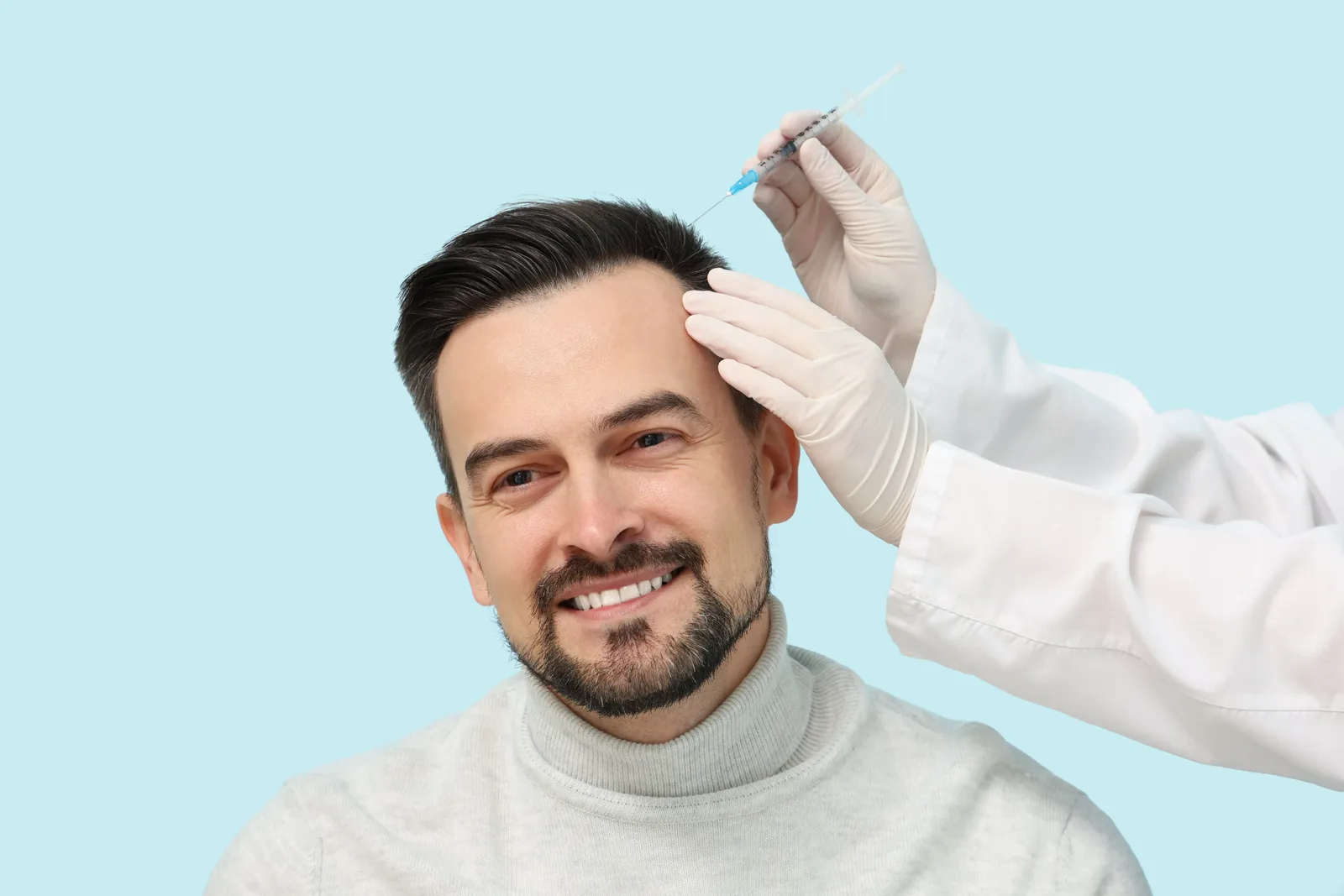
If you are experiencing significant hair loss or other hair-related issues, it is advisable to consult a specialist like Adem Demiral in Atasehir, Istanbul. A professional evaluation can help identify underlying causes and recommend appropriate treatments. Hair specialists can perform thorough assessments, including scalp examinations and blood tests, to determine any nutritional deficiencies or medical conditions contributing to hair problems.
In addition to diagnosing issues, specialists can provide tailored treatment plans that may include dietary recommendations, topical treatments, or medical interventions such as hair transplant procedures. Consulting a specialist ensures that you receive personalized care based on your unique needs, which can lead to more effective results.
Furthermore, staying informed about the latest advancements in hair restoration and treatment options can empower you to make informed decisions about your hair health. Specialists often stay updated on emerging research and technologies, which can provide additional avenues for addressing hair concerns.
Hair health is a reflection of overall well-being, and nutrition plays a crucial role in maintaining it. By adopting a balanced diet and healthy lifestyle practices, you can support your hair's vitality and appearance. For personalized advice and treatment options, consider reaching out to Adem Demiral, a hair transplant specialist in Atasehir, Istanbul. His expertise can guide you in achieving your hair health goals through a comprehensive approach that encompasses nutrition, lifestyle changes, and medical interventions when necessary.
A balanced diet provides essential nutrients that support hair growth and strength, influencing overall hair health. Nutrients like proteins, vitamins, and minerals are critical for maintaining healthy hair follicles, which are responsible for hair production.
Foods rich in protein, vitamins, and minerals such as fruits, vegetables, lean meats, and fish are beneficial for hair health. Incorporating a variety of these foods into your diet can help ensure you receive the necessary nutrients for optimal hair growth.
Supplements can be helpful if you have nutritional deficiencies, but it's best to consult a specialist before starting any regimen. A healthcare provider can recommend appropriate supplements based on your individual needs and dietary habits.
It is advisable to consult a hair specialist if you notice significant changes in your hair health or if you have concerns about hair loss. Regular check-ups can help monitor your hair condition and allow for timely interventions.
Regular exercise, stress management, and avoiding harsh hair treatments can all contribute to better hair health. Implementing a holistic approach that includes a balanced diet and healthy lifestyle practices is essential for maintaining vibrant hair.
For more information on hair treatments, you can visit the Adem Demiral Hair Clinic website or consult directly with the clinic. They provide resources and guidance on various hair health topics and treatment options.
This article is published by Adem Demiral Hair Clinic for general information. It is not a diagnosis, a treatment plan, or a personal graft estimate. Suitability requires an in-person assessment in Atasehir.
How does the hair transplant process in Turkey work? Discover a detailed guide about hair transplant in Istanbul, recovery, clinic selection, and the premium patient experience.
Learn More
How does the recovery process after a hair transplant progress? Discover the first wash, shock loss, hair growth timeline, and the 12-month transformation in detail.
Learn More
Discover the differences between DHI and Sapphire FUE hair transplantation. A detailed comparison in terms of density, natural appearance, recovery process, and unshaven hair transplantation.
Learn More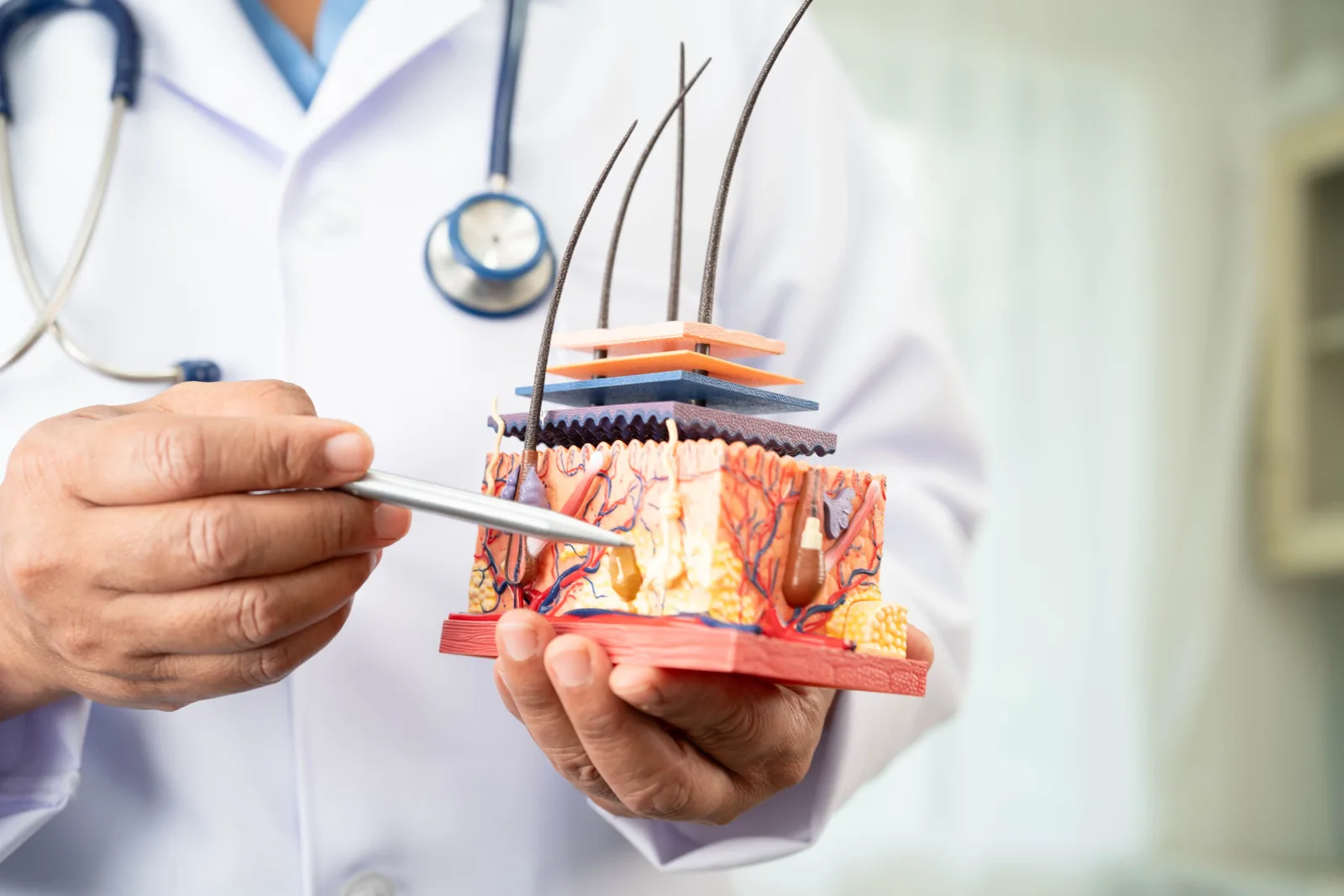
Hair loss can become both a physical and psychological concern for many people. Today, hair transplantation stands out as one of the most effective solutions for addressing this issue.
Learn More
Hair loss can become both a physical and psychological challenge for many people. Today, hair transplantation stands out as one of the most effective solutions to this problem.
Learn MoreFill out the form for hair analysis, appointments, and consultation requests, or contact us directly.