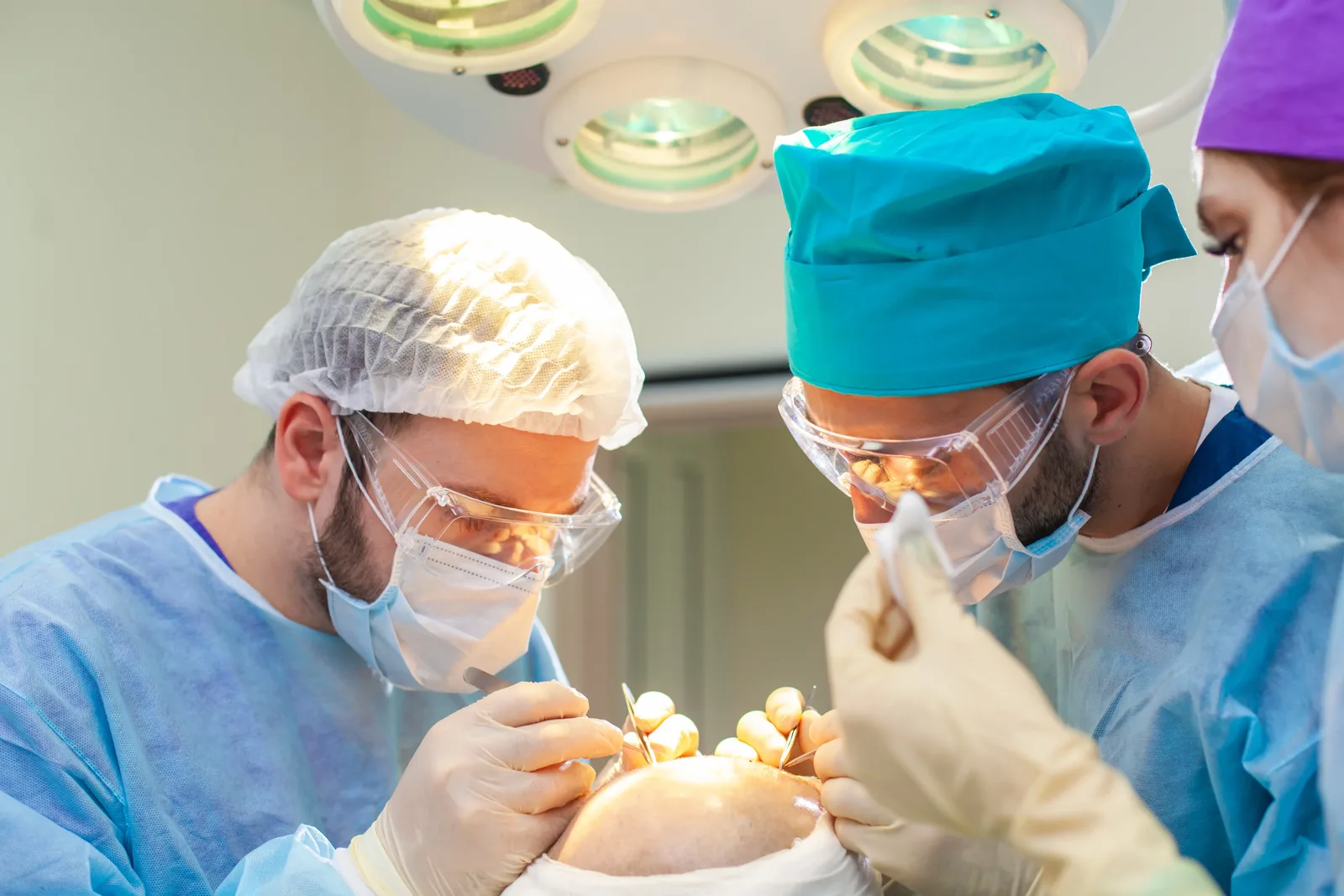
How does the hair transplant process in Turkey work? Discover a detailed guide about hair transplant in Istanbul, recovery, clinic selection, and the premium patient experience.
Learn More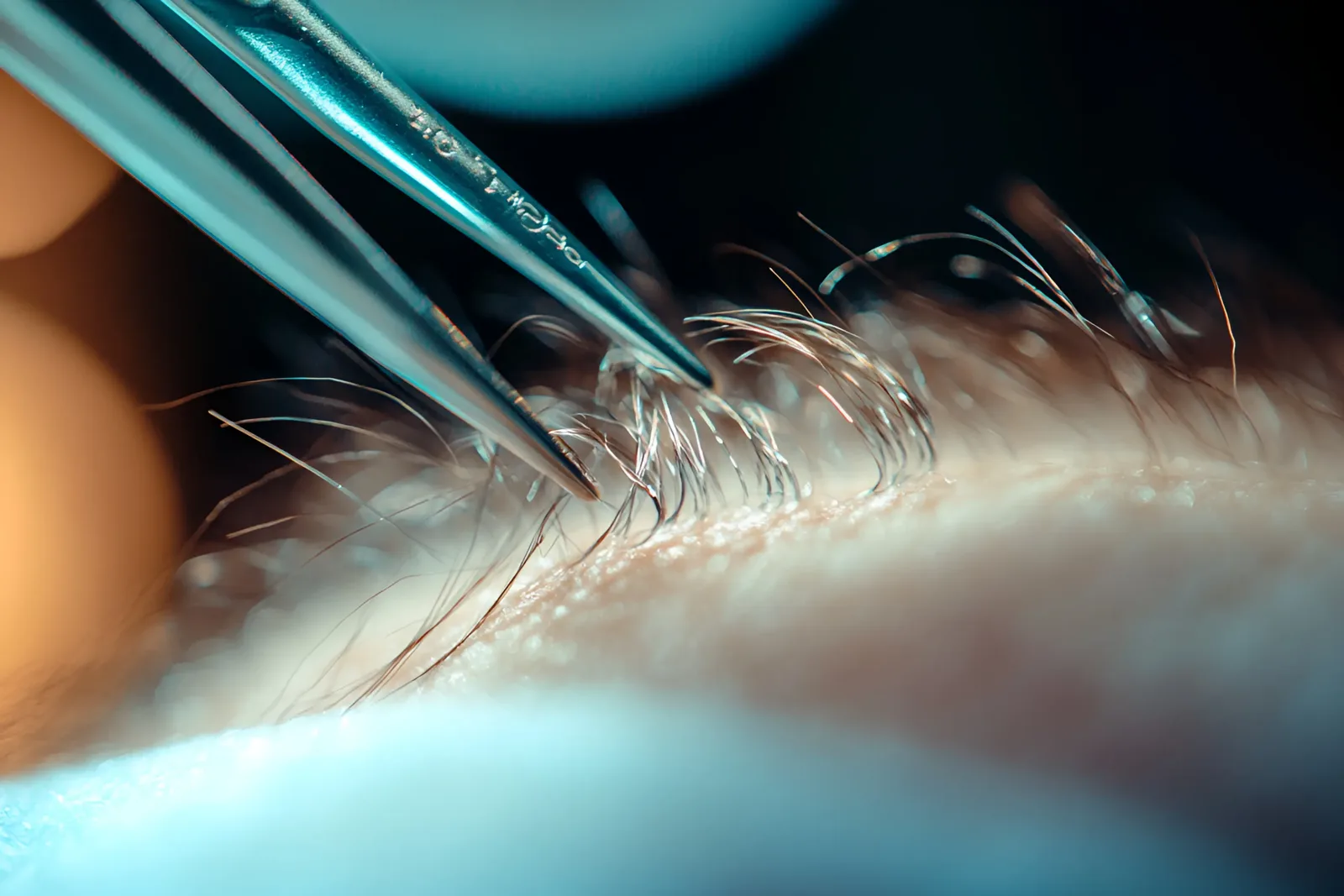
Adem Demiral, a hair transplant specialist in Atasehir, Istanbul, emphasizes the importance of understanding hair caliber in the context of hair transplant results. Hair caliber refers to the thickness or diameter of individual hair strands, and it can significantly influence the overall aesthetic outcome of hair restoration procedures.
Hair caliber is a term used to describe the thickness of hair strands, which can vary significantly among individuals. Generally, hair caliber can be classified into three categories: fine, medium, and coarse. Each type of hair caliber has distinct characteristics that can affect how hair transplant results are perceived. Fine hair, for example, tends to be softer and more delicate, often giving a more ethereal look but lacking in volume. Medium hair strikes a balance between fine and coarse, providing a decent amount of thickness without being too heavy. Coarse hair, on the other hand, is thicker and often more resilient, creating a fuller appearance that can mask thinning more effectively.
Understanding hair caliber is crucial not only for the aesthetic outcomes of hair transplants but also for the psychological aspects of hair loss. Many individuals who suffer from hair thinning or loss often feel a significant impact on their self-esteem and confidence. By recognizing the type of hair they possess and how it interacts with various transplant techniques, patients can better prepare themselves for the journey ahead. This understanding also aids in the decision-making process, allowing patients to select a specialist who is well-versed in addressing their unique hair characteristics.
The aesthetic outcome of a hair transplant is not solely determined by the number of grafts or the technique used; it is also heavily influenced by the caliber of the hair being transplanted. For instance, coarser hair tends to create a fuller appearance, while finer hair may result in a more delicate look. Understanding these differences can help patients set realistic expectations for their results. The visual impact of hair caliber is profound; a single graft of coarse hair can create the illusion of greater density compared to several grafts of fine hair, which may appear sparser even in larger quantities.
Moreover, the way hair caliber interacts with light can also affect the perceived fullness of a hair transplant. Coarse hair often reflects light differently than fine hair, contributing to an overall perception of thickness and volume. This is particularly important for patients who are considering their options and are concerned about the visibility of their hair restoration. By discussing these aesthetic aspects with a specialist like Adem Demiral, patients can gain insights into how their specific hair characteristics will influence the final outcome, thereby aligning their expectations with reality.

Density is a critical factor in the success of hair transplants. Patients with coarse hair may achieve a denser look even with fewer grafts, while those with finer hair might require a higher number of grafts to achieve a similar appearance. This difference is crucial for patients to understand when discussing their options with a hair transplant specialist like Adem Demiral. In practical terms, this means that a patient with coarse hair may be satisfied with a lower graft count, potentially reducing the cost and recovery time associated with the procedure.
Furthermore, the distribution of hair caliber across the scalp can also influence the overall density. For instance, if a patient has a mix of fine and coarse hair, the transplant strategy may need to be adjusted to accommodate this variability. A tailored approach that considers the distribution of hair caliber can lead to more natural-looking results and greater patient satisfaction. This is why it is essential for specialists to conduct thorough consultations and assessments before proceeding with any hair restoration procedure.
The survival rate of transplanted hair grafts can also be influenced by hair caliber. Coarse hair may have a more robust structure, which can contribute to higher survival rates post-transplant. In contrast, finer hair may be more susceptible to damage during the transplantation process, affecting the overall results. This susceptibility can be particularly pronounced if the grafts are not handled delicately or if the transplantation technique does not account for the fragility of finer hair.
Moreover, the biological characteristics of hair caliber can also play a role in graft survival. Coarser hair often has a thicker dermal papilla, which is essential for hair growth and health. This structural advantage can facilitate better integration of the grafts into the recipient area, leading to improved outcomes. On the other hand, finer hair may require additional care and consideration during the transplant process to ensure that the grafts are viable and capable of thriving in their new environment. Understanding these nuances can empower patients to make informed decisions and select the right specialist who can cater to their specific needs.
Adem Demiral employs various techniques tailored to individual hair characteristics, including Diamond FUE, DHI Pro, and Sapphire FUE. Each method has its advantages, and the choice of technique can be influenced by the caliber of the hair. For example, patients with finer hair may benefit from techniques that minimize trauma to the hair follicles. The Diamond FUE technique, known for its precision and minimal invasiveness, may be particularly advantageous for finer hair, as it reduces the risk of damage during the extraction process.
In contrast, coarser hair may respond well to techniques that allow for greater density and coverage, such as Sapphire FUE. This technique utilizes a sapphire blade for incisions, which can lead to more precise and efficient graft placement. Understanding the nuances of each technique and how they relate to hair caliber is essential for achieving optimal results. A thorough consultation with a hair transplant specialist can help patients determine which method is best suited for their individual hair characteristics and desired outcomes.

Unshaven hair transplants are gaining popularity, especially among individuals who prefer not to shave their heads prior to the procedure. The caliber of hair plays a significant role in the feasibility and aesthetic outcome of unshaven transplants. Coarser hair may provide better coverage and blend more seamlessly with existing hair, making it a suitable option for many patients. This technique allows for a more discreet recovery, as patients can maintain their normal appearance during the healing process.
However, unshaven transplants require a high level of skill and precision from the surgeon. The ability to extract and implant grafts without shaving the surrounding hair demands an understanding of hair caliber and growth patterns. Adem Demiral's expertise in this area ensures that patients receive optimal results, regardless of their hair type. Additionally, the choice of unshaven transplant can also be influenced by lifestyle factors, as some patients may find it more convenient to avoid shaving their heads.
Post-transplant care is crucial for ensuring optimal results, and the caliber of hair can influence the type of care recommended. Adem Demiral often suggests PRP (Platelet-Rich Plasma) and stem-cell supported care to enhance healing and promote hair growth. These treatments can be particularly beneficial for patients with finer hair, as they may require additional support to thrive. PRP therapy, for instance, utilizes the patient's own growth factors to stimulate hair follicles, which can be especially advantageous for finer hair that may struggle to establish itself after transplantation.
Furthermore, the post-transplant care regimen may also include specific products designed to nourish and strengthen hair based on its caliber. For example, coarser hair may benefit from heavier oils and conditioners that provide moisture and protection, while finer hair may require lighter formulations to avoid weighing it down. Understanding the unique needs of different hair calibers can significantly impact the success of the transplant and the overall health of the hair in the long term.
It is essential for patients to have realistic expectations regarding their hair transplant results. Understanding how hair caliber impacts the appearance of transplanted hair can help patients make informed decisions. Adem Demiral encourages open discussions about these factors during pre-evaluation consultations, ensuring that patients are well-informed about their options. This dialogue is vital for aligning patient expectations with achievable outcomes, which can lead to higher satisfaction rates.
Moreover, setting realistic expectations also involves understanding the timeline for hair growth post-transplant. Patients with finer hair may experience a different growth trajectory compared to those with coarser hair, and this can influence their perception of the results. By providing patients with a comprehensive overview of what to expect at each stage of the healing process, specialists can help mitigate anxiety and foster a more positive experience throughout the hair restoration journey.
In conclusion, hair caliber is a significant factor that influences the aesthetic outcomes of hair transplants. By understanding the implications of hair thickness, patients can better navigate their hair restoration journey. For more information about hair transplant techniques and personalized care, visit Adem Demiral's About page, explore services offered, or schedule a pre-evaluation. The journey to hair restoration is not just about the procedure itself; it is also about understanding the intricacies of hair biology and how they relate to individual needs and expectations.
Hair caliber refers to the thickness or diameter of individual hair strands, which can vary from fine to coarse. This classification is essential for understanding how hair restoration procedures will affect overall aesthetics.
Hair caliber influences the density and overall appearance of hair transplant results, with coarser hair typically providing a fuller look. This can affect the number of grafts needed and the techniques used during the procedure.
Yes, the survival rate of transplanted hair grafts can be influenced by hair caliber, with coarser hair often having higher survival rates due to its robust structure, which supports better integration into the recipient area.
Adem Demiral utilizes various techniques, including Diamond FUE, DHI Pro, and Sapphire FUE, tailored to individual hair characteristics. Each technique has its specific advantages based on hair caliber.
An unshaven hair transplant is a procedure where patients do not shave their heads prior to the transplant, allowing for a more discreet recovery. The choice of this technique often depends on hair caliber and patient preferences.
Post-transplant care, including PRP and stem-cell treatments, can enhance healing and promote hair growth, particularly for finer hair types. Tailored care regimens can significantly improve the outcomes of hair restoration procedures.
This article is published by Adem Demiral Hair Clinic for general information. It is not a diagnosis, a treatment plan, or a personal graft estimate. Suitability requires an in-person assessment in Atasehir.
How does the hair transplant process in Turkey work? Discover a detailed guide about hair transplant in Istanbul, recovery, clinic selection, and the premium patient experience.
Learn More
How does the recovery process after a hair transplant progress? Discover the first wash, shock loss, hair growth timeline, and the 12-month transformation in detail.
Learn More
Discover the differences between DHI and Sapphire FUE hair transplantation. A detailed comparison in terms of density, natural appearance, recovery process, and unshaven hair transplantation.
Learn More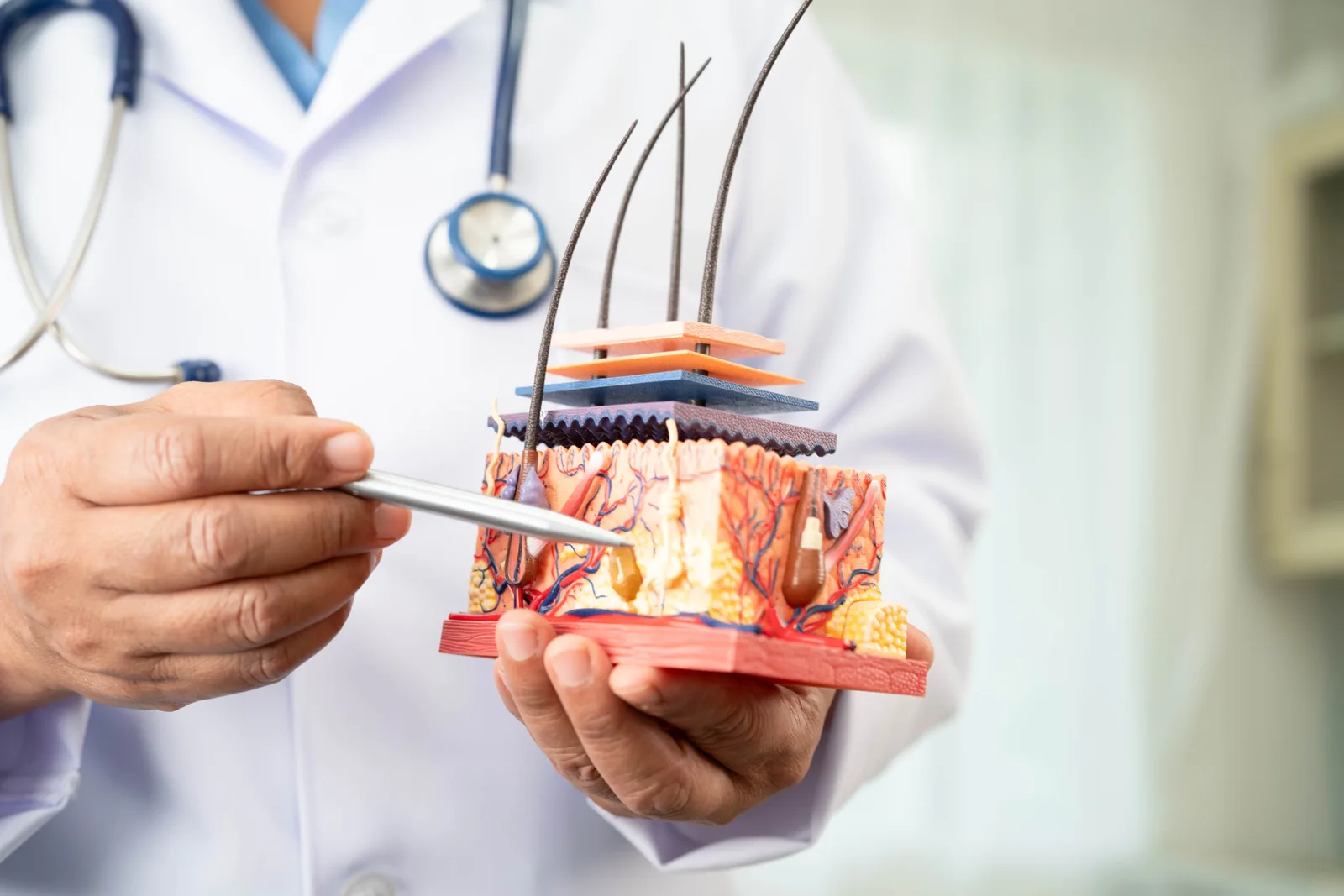
Hair loss can become both a physical and psychological concern for many people. Today, hair transplantation stands out as one of the most effective solutions for addressing this issue.
Learn More
Hair loss can become both a physical and psychological challenge for many people. Today, hair transplantation stands out as one of the most effective solutions to this problem.
Learn MoreFill out the form for hair analysis, appointments, and consultation requests, or contact us directly.