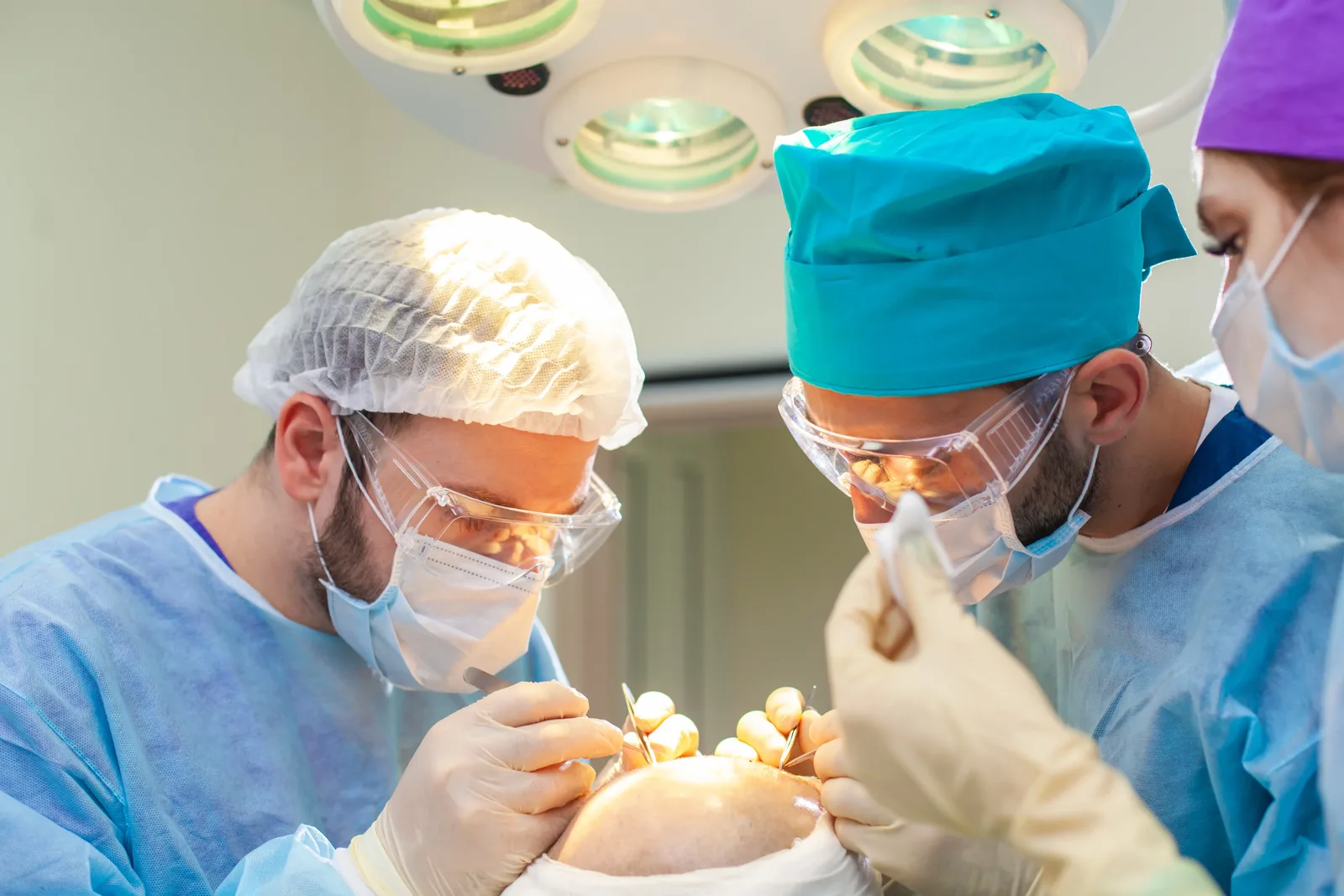
How does the hair transplant process in Turkey work? Discover a detailed guide about hair transplant in Istanbul, recovery, clinic selection, and the premium patient experience.
Learn More
Adem Demiral is a hair transplant specialist located in Atasehir, Istanbul, focusing on advanced hair restoration techniques. This article explores the implications of greying hair and how it affects appearance after a hair transplant.
Greying hair, a natural part of the aging process, can significantly influence an individual's appearance. As people age, the production of melanin, the pigment responsible for hair color, decreases, leading to the gradual loss of color in hair strands. This phenomenon can begin as early as in the late 20s for some individuals, while others may not experience it until much later. The transition from colored to grey hair can be emotionally challenging, as it often symbolizes aging and the associated societal perceptions of vitality and attractiveness.
Moreover, greying hair can also be influenced by genetic factors, lifestyle choices, and health conditions. For instance, oxidative stress, nutritional deficiencies, and certain medical conditions can accelerate the greying process. Understanding the underlying causes of greying hair is crucial for individuals considering hair transplant options, as it allows for a more comprehensive approach to hair restoration that addresses not just the aesthetic aspects but also the health and vitality of the hair.
Many people seek hair transplant procedures to restore not only hair density but also the youthful look associated with a full head of color. The emotional impact of greying hair can lead individuals to explore various options, including hair coloring, wigs, and ultimately, hair transplants. The desire to regain a more youthful appearance can drive patients to seek expert advice on how to navigate the complexities of hair restoration when grey hair is involved.
At Adem Demiral Hair Clinic, various hair transplant techniques are employed, each designed to cater to different patient needs and preferences. The clinic prides itself on utilizing state-of-the-art technology and methods to ensure optimal results for every individual. Understanding the nuances of each technique is essential for patients considering a hair transplant, particularly those with grey hair.
Each of these techniques has its unique advantages, and the choice often depends on the patient's specific circumstances, including the extent of hair loss, hair type, and personal preferences. At Adem Demiral Clinic, a thorough consultation is conducted to determine the most suitable method for each patient, ensuring that their unique needs are met with precision and care.
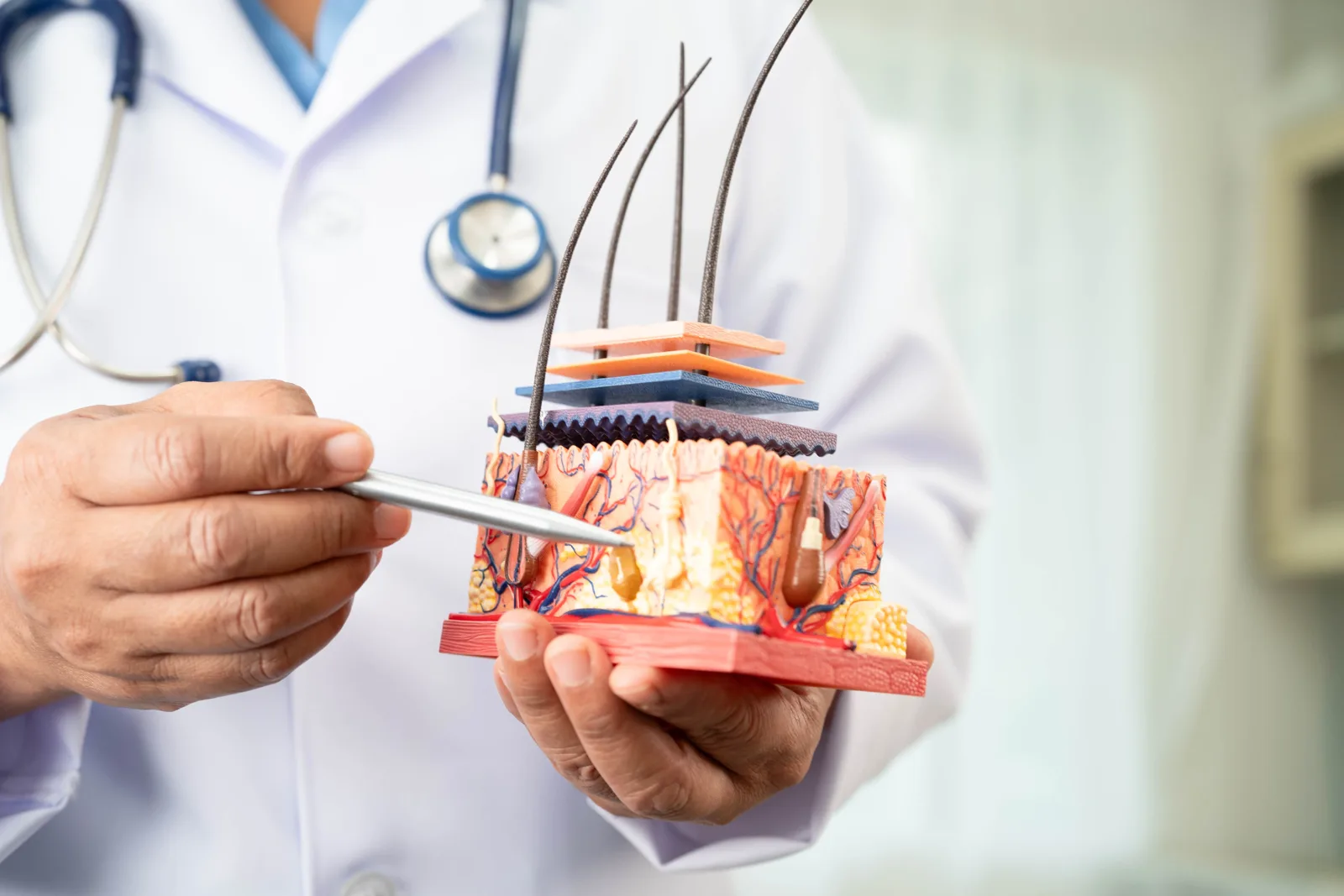
When considering a hair transplant, the presence of grey hair can be a significant factor in the overall treatment plan. Patients often inquire about how their grey hair will blend with transplanted hair, especially when the donor hair is of a different color. The integration of grey hair with transplanted hair requires careful consideration of several key aspects, including color matching, texture, and density.
One of the primary concerns for patients with grey hair is achieving a natural look post-transplant. The color of the transplanted hair should ideally match the existing grey hair for a seamless appearance. This can be particularly challenging if the donor hair is dark or has a different hue. Surgeons at Adem Demiral Clinic are trained to assess the best color match for each patient, utilizing advanced techniques to ensure that the transplanted hair blends harmoniously with the existing hair. This attention to detail is crucial in achieving a natural and aesthetically pleasing outcome.
Additionally, the density and coverage provided by the transplanted hair can significantly influence how well it blends with grey hair. Patients with a higher density of grey hair may require a more strategic approach to ensure that the transplanted hair does not appear out of place. Surgeons often recommend a tailored approach, taking into account the patient’s hair characteristics, to create a fuller and more balanced appearance. This personalized strategy is vital for patients seeking to restore not just hair density but also the youthful vibrancy associated with a full head of color.
After a hair transplant, the appearance of grey hair can vary based on several factors. Understanding these factors is essential for patients to set realistic expectations and to appreciate the potential outcomes of their procedure.
Post-transplant care is crucial for ensuring that both the existing grey hair and the newly transplanted hair thrive. Patients are encouraged to follow a tailored hair care regimen that includes regular moisturizing, avoiding excessive heat styling, and protecting the hair from environmental stressors. Such practices can significantly impact the longevity and appearance of the hair, leading to better overall satisfaction with the transplant results.
At Adem Demiral Hair Clinic, we offer PRP (Platelet-Rich Plasma) and stem-cell supported care as adjunct therapies. These treatments can enhance the health of existing hair and potentially improve the appearance of grey hair post-transplant. PRP therapy involves drawing a small amount of the patient's blood, processing it to concentrate the platelets, and then injecting it into the scalp. This process stimulates hair follicles, promoting hair growth and improving overall hair health.
Stem-cell therapy is another innovative approach that utilizes the regenerative properties of stem cells to rejuvenate hair follicles. This treatment can be particularly beneficial for patients with grey hair, as it may help restore some pigmentation and improve the texture and density of the hair. By combining these advanced therapies with traditional hair transplant techniques, patients can achieve more comprehensive results that address both the aesthetic and health aspects of their hair.
Furthermore, ongoing research into the effectiveness of PRP and stem-cell therapies continues to reveal promising outcomes for patients experiencing hair loss and greying. As these treatments gain traction in the field of hair restoration, they offer hope for individuals seeking to enhance their hair's appearance and health beyond what traditional methods can provide. At Adem Demiral Clinic, we are committed to staying at the forefront of these advancements to offer our patients the best possible care.
Before undergoing a hair transplant, it is essential to have a thorough pre-evaluation. During this consultation, our specialists will assess your hair type, color, and the extent of greying to tailor a personalized treatment plan. This evaluation process is critical for understanding the unique characteristics of each patient's hair and scalp, allowing for a more precise approach to hair restoration.
During the consultation, patients are encouraged to discuss their goals and expectations openly. This dialogue helps the specialists at Adem Demiral Clinic to align their treatment strategies with the patient's desired outcomes. Factors such as the patient's age, hair loss pattern, and lifestyle are all taken into account to create a comprehensive plan that addresses both aesthetic and functional needs.
Additionally, the consultation provides an opportunity for patients to ask questions and gain a deeper understanding of the hair transplant process. Education is a vital component of the journey, as it empowers patients to make informed decisions regarding their hair restoration options. By fostering a collaborative relationship between the patient and the medical team, the clinic ensures that each individual receives the highest standard of care tailored to their specific circumstances.
Greying hair can impact the results of a hair transplant, but with the right techniques and care, it is possible to achieve a natural and aesthetically pleasing outcome. At Adem Demiral Hair Clinic in Atasehir, Istanbul, we are committed to providing personalized solutions for all hair types and conditions. Our focus on advanced techniques, patient education, and comprehensive care ensures that every individual receives the best possible treatment tailored to their unique needs.
As the field of hair restoration continues to evolve, innovations in techniques and therapies offer new hope for those dealing with the challenges of greying hair. By leveraging these advancements, patients can achieve not only a fuller head of hair but also a renewed sense of confidence and vitality. The journey to hair restoration is a personal one, and at Adem Demiral Clinic, we are dedicated to supporting our patients every step of the way.
Greying hair can influence the color match and overall appearance of transplanted hair, making it essential to consider during the planning phase. The integration of grey hair with transplanted hair requires careful assessment to ensure a seamless and natural look.
Yes, individuals with grey hair can undergo hair transplant procedures, and specialists will work to ensure a natural look. The choice of donor hair and placement techniques can be adjusted to accommodate the unique characteristics of grey hair.
Techniques like DHI and Sapphire FUE are often recommended for their precision and ability to match hair color effectively. These methods allow for meticulous placement of hair follicles, which is crucial for achieving a harmonious appearance with existing grey hair.
Post-transplant care is generally similar, but specific products may be recommended to maintain the quality of grey hair. Patients may benefit from specialized hair care routines tailored to enhance the health and appearance of both grey and transplanted hair.
Results can typically be seen within a few months, but full results may take up to a year to fully manifest. The timeline for results can vary based on individual healing processes and hair growth cycles.
PRP treatments can enhance hair health and may help improve the appearance of grey hair, but results vary by individual. This therapy can stimulate hair follicles and promote overall hair vitality, offering additional benefits for those with greying hair.
This article is published by Adem Demiral Hair Clinic for general information. It is not a diagnosis, a treatment plan, or a personal graft estimate. Suitability requires an in-person assessment in Atasehir.
How does the hair transplant process in Turkey work? Discover a detailed guide about hair transplant in Istanbul, recovery, clinic selection, and the premium patient experience.
Learn More
How does the recovery process after a hair transplant progress? Discover the first wash, shock loss, hair growth timeline, and the 12-month transformation in detail.
Learn More
Discover the differences between DHI and Sapphire FUE hair transplantation. A detailed comparison in terms of density, natural appearance, recovery process, and unshaven hair transplantation.
Learn More
Hair loss can become both a physical and psychological concern for many people. Today, hair transplantation stands out as one of the most effective solutions for addressing this issue.
Learn More
Hair loss can become both a physical and psychological challenge for many people. Today, hair transplantation stands out as one of the most effective solutions to this problem.
Learn MoreFill out the form for hair analysis, appointments, and consultation requests, or contact us directly.