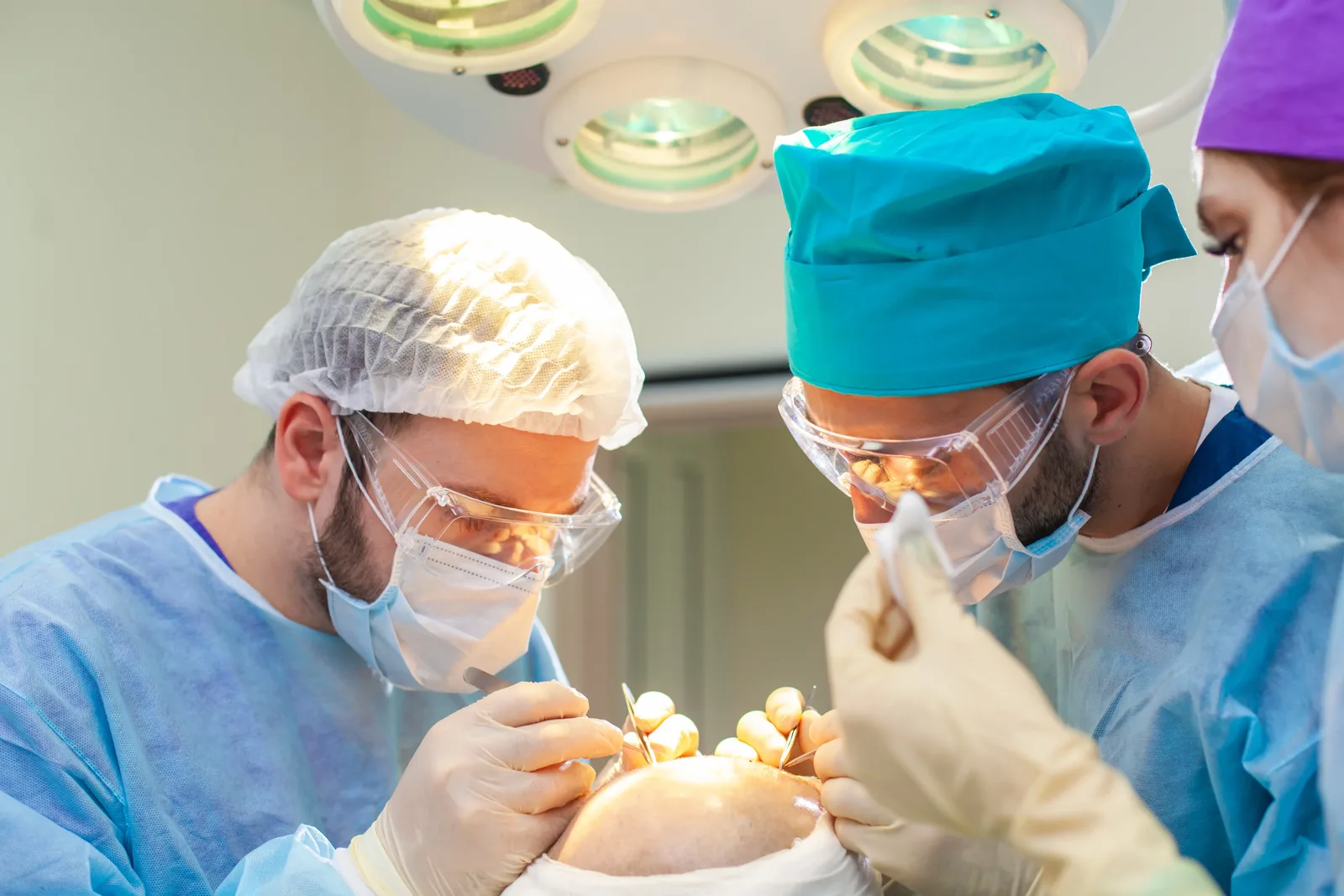
How does the hair transplant process in Turkey work? Discover a detailed guide about hair transplant in Istanbul, recovery, clinic selection, and the premium patient experience.
Learn More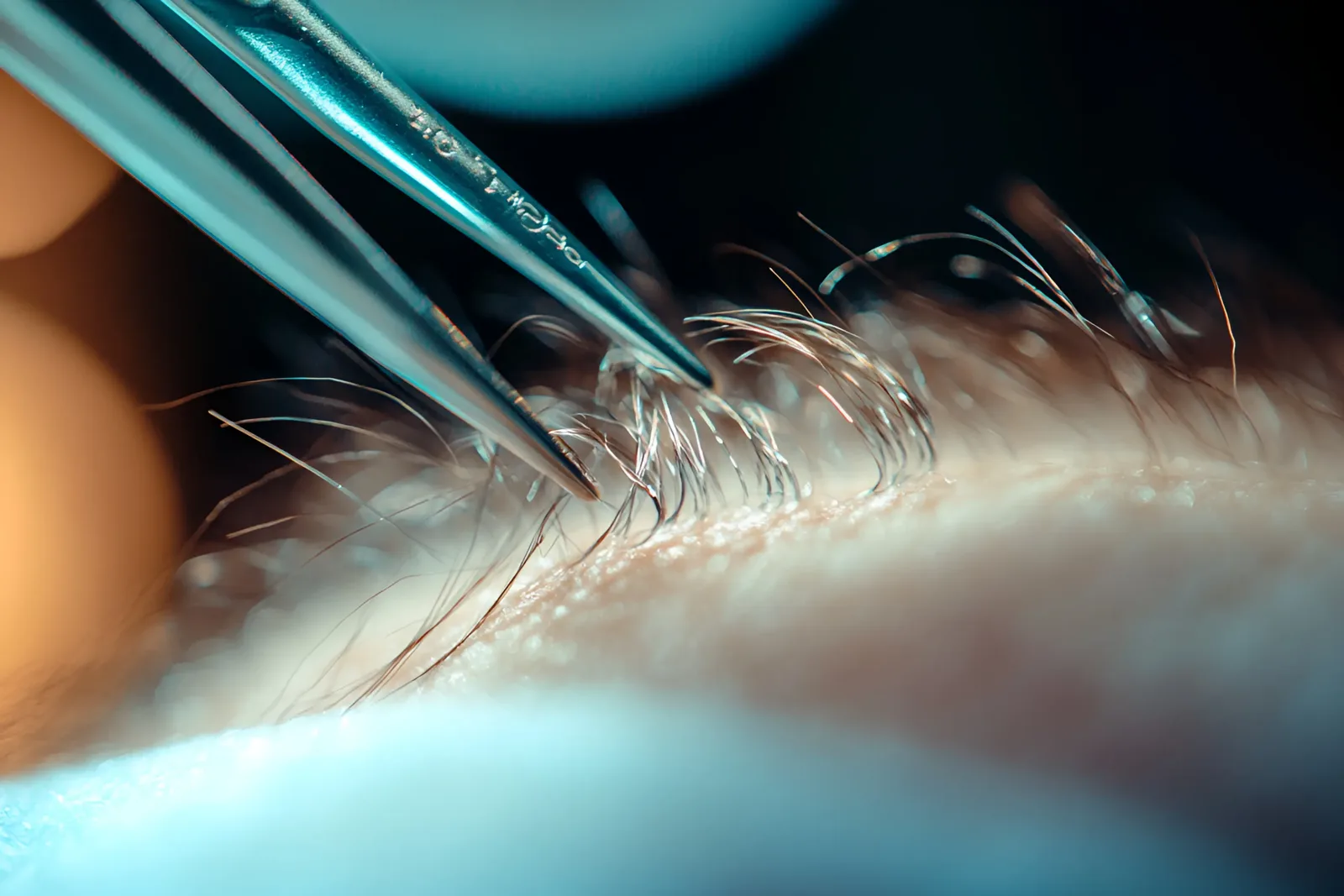
Adem Demiral is a hair transplant specialist located in Atasehir, Istanbul, focusing on the intricate aspects of hair restoration. One critical area of concern in hair transplants is the frontal third, which encompasses both the hairline and the temples. This part of the scalp plays a vital role in framing the face and significantly impacts overall aesthetics.
The frontal third refers to the anterior part of the scalp, which includes the hairline and the temples. When considering hair restoration, it's essential to evaluate this area carefully, as it contributes to the overall balance and symmetry of the face. A well-designed hairline can rejuvenate a person's appearance and restore confidence.
The frontal third is not merely a physical component of the scalp; it serves as a defining feature of one’s identity and charisma. The hairline, which marks the boundary between the forehead and hair, can dramatically alter how others perceive an individual. Moreover, the temples, which are often less discussed, play an equally crucial role in creating a balanced and proportionate facial structure. A receding hairline or thinning temples can lead to an unbalanced appearance, often contributing to feelings of self-consciousness and affecting social interactions.
In the realm of hair restoration, understanding the anatomy of the frontal third is paramount. The hairline should not only be aesthetically pleasing but should also take into account the natural growth patterns of hair. For instance, the hairline typically has a softer, irregular edge, which is a stark contrast to the straight lines often seen in less skilled transplants. This natural irregularity can be achieved through meticulous planning and execution, ensuring that the results are both pleasing and authentic.
The hairline is the most visible aspect of a hair transplant and can greatly influence the perception of youthfulness. A natural-looking hairline should mimic the irregularities of natural hair growth, featuring a soft and gradual transition. Adem Demiral employs advanced techniques such as Diamond FUE and Sapphire FUE to create hairlines that blend seamlessly with existing hair.
Hairline design goes beyond mere aesthetics; it encompasses the psychological aspects of self-image and confidence. A well-crafted hairline can restore not just hair but also a sense of identity and youthfulness. The psychological impact of hair loss is profound, often leading to a decrease in self-esteem and social withdrawal. By focusing on creating a natural-looking hairline, Adem Demiral's approach aims to mitigate these psychological effects, allowing patients to regain their confidence and embrace life more fully.
Furthermore, the design process involves a collaborative dialogue between the patient and the specialist. Understanding the patient's preferences, lifestyle, and expectations is crucial in the design phase. This collaborative approach ensures that the final outcome aligns with the patient's vision, creating a hairline that not only looks natural but also feels personal. The use of digital imaging technology can aid in visualizing potential outcomes, providing patients with a clearer understanding of what to expect post-procedure.

The temples are often overlooked in hair restoration discussions, yet they are crucial for achieving a harmonious look. Well-defined temples can enhance the overall shape of the face and contribute to a youthful appearance. Techniques like DHI Pro allow for precise placement of grafts in the temple area, ensuring a natural outcome.
Temple design is an art form that requires a keen understanding of facial proportions and symmetry. The temples frame the face and influence how other facial features are perceived. For instance, well-defined temples can create a more oval face shape, which is often associated with youth and beauty. Conversely, a lack of definition in this area can lead to a more square or angular appearance, which may not be desirable for many individuals.
Adem Demiral's expertise in temple design involves meticulous planning and execution. Each graft is placed with precision, taking into account the natural hair growth angle and direction. This attention to detail ensures that the temples not only look natural but also enhance the overall facial aesthetics. Additionally, the use of advanced techniques like DHI Pro allows for a minimally invasive approach, reducing recovery time and improving the overall patient experience.
Adem Demiral utilizes various techniques to address the frontal third effectively. Some of the prominent methods include:
Each of these techniques has its unique advantages, and the choice of method depends on the individual’s specific needs and conditions. For instance, the Diamond FUE technique is particularly beneficial for those who require a high level of precision in graft placement, while Sapphire FUE is ideal for patients concerned about scarring and recovery time. The use of sapphire blades allows for finer incisions, which can lead to less tissue trauma and quicker healing.
Moreover, the DHI Pro technique represents a significant advancement in hair restoration, allowing for the direct implantation of hair follicles without the need for prior incisions. This method not only minimizes discomfort but also enhances the survival rate of grafts, leading to more successful outcomes. The unshaven transplant technique is particularly appealing for individuals who wish to maintain discretion during the procedure, as it allows for hair restoration without the need to shave the donor area.
In addition to these surgical techniques, Adem Demiral incorporates PRP (Platelet-Rich Plasma) and stem-cell therapies into his practice. These regenerative treatments enhance healing and promote hair growth by utilizing the body’s natural healing mechanisms. By combining advanced surgical techniques with innovative regenerative therapies, Adem Demiral aims to provide comprehensive care that addresses both the aesthetic and health aspects of hair restoration.
To achieve a natural look in the frontal third, it is essential to consider the individual’s unique facial structure and hair characteristics. The placement of grafts must be strategic, ensuring that the hairline and temples complement the face's natural contours. Adem Demiral’s experience and artistic approach help create results that are both aesthetically pleasing and natural.
The concept of achieving a natural look extends beyond the immediate visual outcome; it encompasses the long-term viability and growth of the transplanted hair. A natural appearance is characterized by the integration of transplanted hair with existing hair, ensuring that the transition is seamless. This requires a deep understanding of hair growth patterns, density, and texture, all of which are integral to creating a harmonious look.
Moreover, the artistry involved in hair restoration cannot be overstated. Each graft must be placed with an eye for detail, considering factors such as the angle of hair growth and the distribution of density. Adem Demiral’s artistic approach ensures that every aspect of the hairline and temple design is meticulously crafted, resulting in a final outcome that not only looks natural but also enhances the patient’s overall appearance. The goal is to create a look that is indistinguishable from natural hair growth, allowing patients to regain their confidence and embrace their new look fully.

Before undergoing a hair transplant, a thorough consultation and pre-evaluation are crucial. During this process, Adem Demiral assesses the patient's hair loss pattern, discusses goals, and develops a personalized treatment plan. This initial step is vital for setting realistic expectations and ensuring patient satisfaction.
The consultation process is a critical component of the hair restoration journey. It provides an opportunity for patients to voice their concerns, ask questions, and gain a deeper understanding of the procedures involved. Adem Demiral takes the time to educate patients about their specific hair loss patterns, the available treatment options, and the expected outcomes. This transparency fosters trust and helps patients make informed decisions regarding their hair restoration journey.
In addition to discussing treatment options, the consultation also involves a thorough examination of the scalp and hair characteristics. This assessment allows Adem Demiral to determine the most suitable techniques for each individual, taking into account factors such as hair density, texture, and skin type. By developing a personalized treatment plan, patients can feel confident that their unique needs and goals are being addressed, setting the stage for a successful hair restoration experience.
Post-procedure care is essential for optimal recovery and results. Adem Demiral provides detailed instructions on how to care for the transplanted area, including the use of PRP and stem-cell therapies to support healing. Following these guidelines can significantly enhance the success of the hair transplant.
Understanding the importance of post-procedure care is vital for achieving the desired results. After a hair transplant, patients may experience some swelling, redness, or discomfort in the treated area. Adem Demiral emphasizes the significance of following post-operative instructions closely to minimize these effects and promote healing. This includes guidelines on washing the hair, avoiding strenuous activities, and protecting the scalp from sun exposure.
Incorporating PRP and stem-cell therapies into the post-procedure care regimen further enhances healing and promotes hair growth. PRP therapy utilizes the patient’s own blood to stimulate hair follicles, while stem-cell therapies leverage regenerative properties to support hair restoration. By integrating these advanced treatments into the recovery process, patients can optimize their results and achieve a fuller, more natural head of hair.
The frontal third, comprising the hairline and temples, is a critical area in hair restoration that requires careful consideration and expert execution. With over 25 years of experience in health and aesthetics, Adem Demiral’s clinic in Atasehir, Istanbul, is dedicated to providing personalized and effective hair transplant solutions. Understanding the importance of this area can lead to a more natural and youthful appearance, restoring not just hair but also confidence.
Ultimately, the journey of hair restoration is not just about aesthetics; it is about enhancing the quality of life for individuals experiencing hair loss. By focusing on the frontal third and employing advanced techniques, Adem Demiral aims to empower patients to embrace their appearance and regain their self-esteem. The combination of artistic vision, technical expertise, and a patient-centered approach sets the foundation for successful hair restoration outcomes, transforming lives one hair follicle at a time.
The frontal third refers to the area of the scalp that includes the hairline and temples, crucial for facial aesthetics.
A well-designed hairline enhances youthfulness and significantly influences the overall appearance of a person.
Techniques such as Diamond FUE, Sapphire FUE, and DHI Pro are commonly used to restore the frontal third effectively.
Temple design contributes to the overall shape of the face and can enhance a youthful appearance.
During the consultation, your hair loss pattern will be assessed, and a personalized treatment plan will be developed.
Post-procedure care is essential for optimal recovery and results, and following the provided guidelines can enhance the success of the transplant.
This article is published by Adem Demiral Hair Clinic for general information. It is not a diagnosis, a treatment plan, or a personal graft estimate. Suitability requires an in-person assessment in Atasehir.
How does the hair transplant process in Turkey work? Discover a detailed guide about hair transplant in Istanbul, recovery, clinic selection, and the premium patient experience.
Learn More
How does the recovery process after a hair transplant progress? Discover the first wash, shock loss, hair growth timeline, and the 12-month transformation in detail.
Learn More
Discover the differences between DHI and Sapphire FUE hair transplantation. A detailed comparison in terms of density, natural appearance, recovery process, and unshaven hair transplantation.
Learn More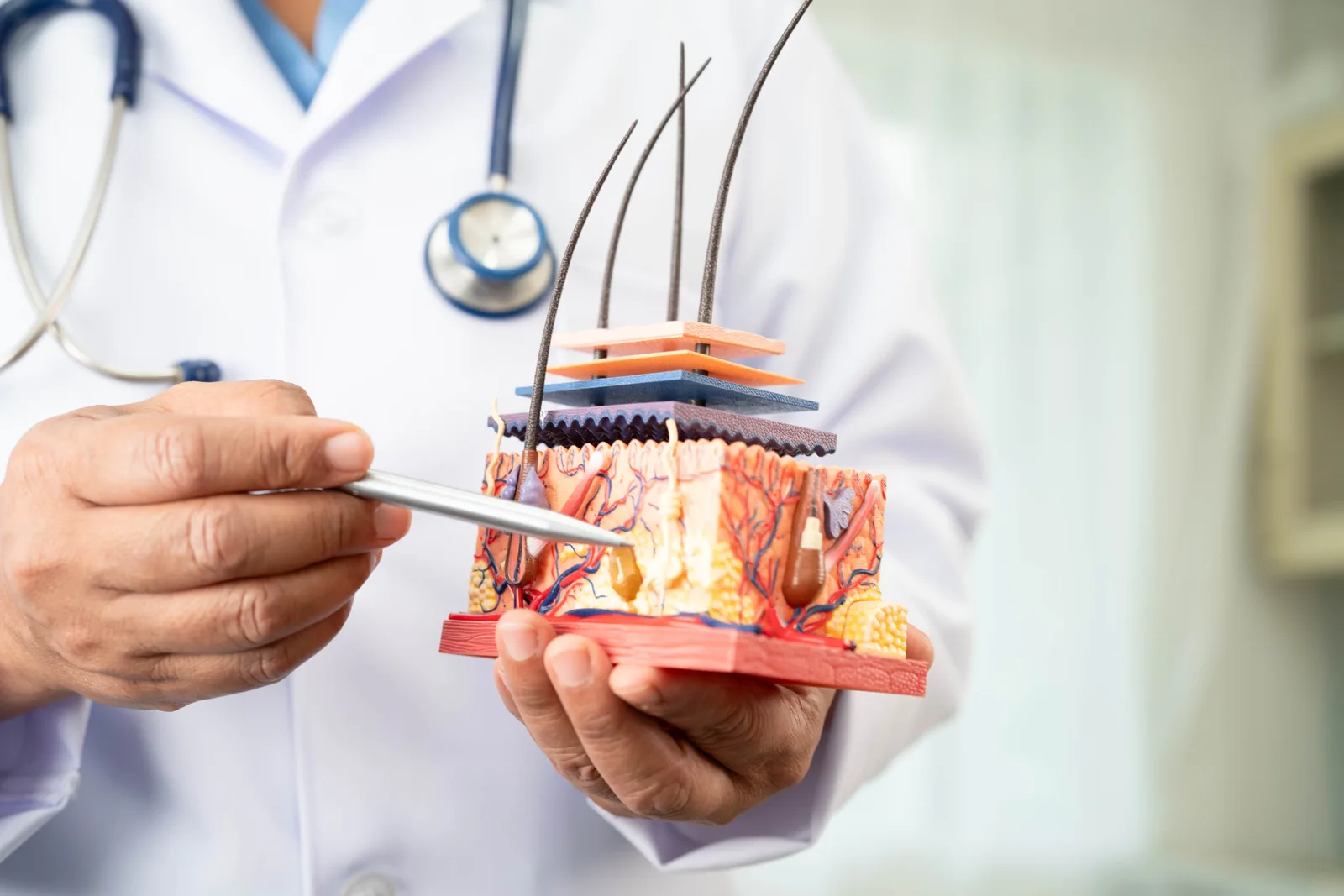
Hair loss can become both a physical and psychological concern for many people. Today, hair transplantation stands out as one of the most effective solutions for addressing this issue.
Learn More
Hair loss can become both a physical and psychological challenge for many people. Today, hair transplantation stands out as one of the most effective solutions to this problem.
Learn MoreFill out the form for hair analysis, appointments, and consultation requests, or contact us directly.