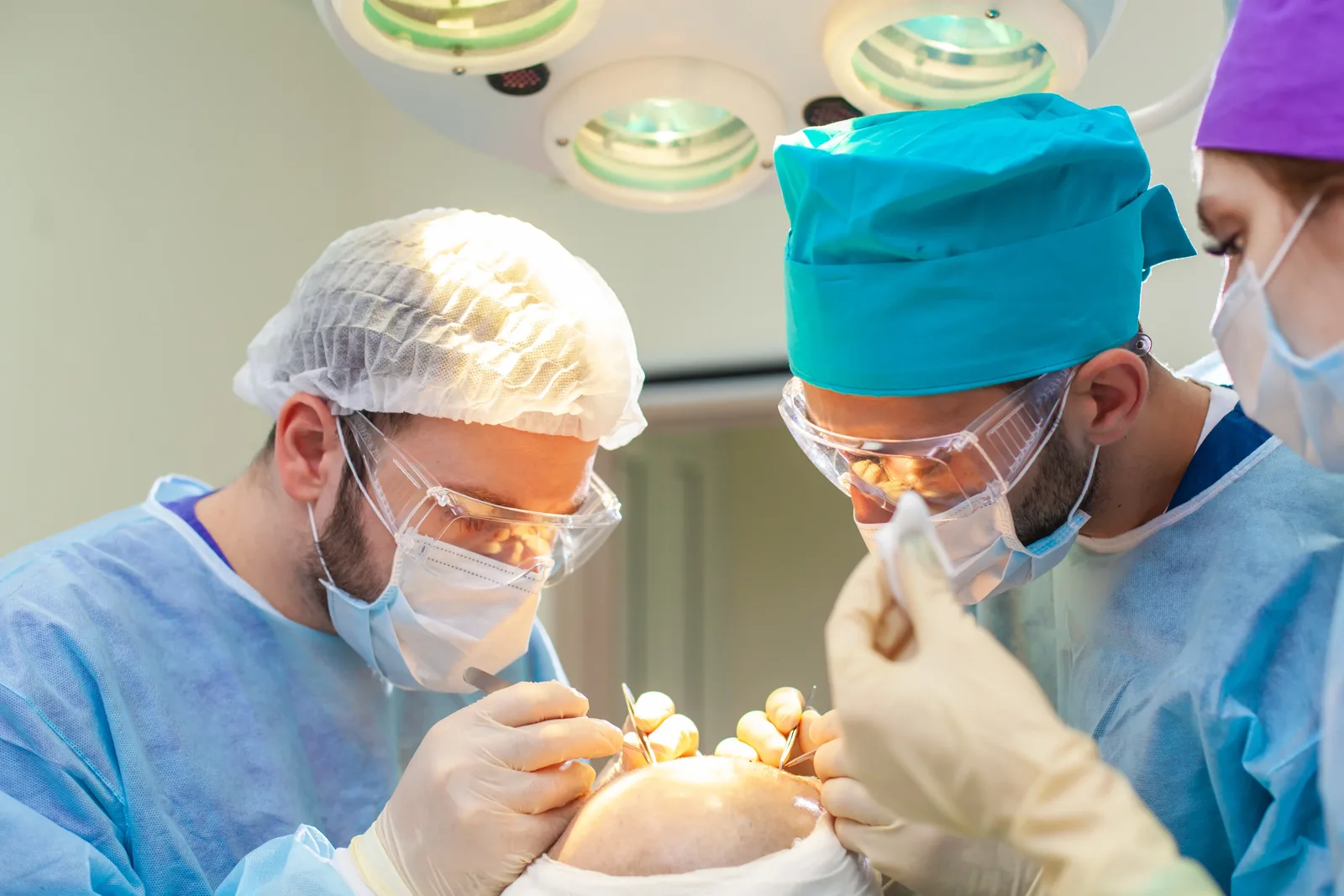
How does the hair transplant process in Turkey work? Discover a detailed guide about hair transplant in Istanbul, recovery, clinic selection, and the premium patient experience.
Learn More
Forehead and eyelid swelling can occur due to a variety of reasons, affecting individuals in different ways. Understanding the underlying causes is essential in addressing these symptoms effectively.
The swelling of the forehead and eyelids may arise from several common conditions. These can include:
Understanding the causes of forehead and eyelid swelling is crucial for effective treatment. Each cause can present with unique symptoms and may require different approaches for management. For example, allergic reactions often manifest quickly after exposure to an allergen, while infections may develop gradually and present with additional symptoms such as redness, discharge, or fever. Injury-related swelling may be accompanied by bruising or pain, which can further guide treatment decisions. Recognizing these nuances can help individuals and healthcare providers tailor their responses to these conditions.
Additionally, the severity and duration of swelling can vary widely depending on the underlying cause. In some cases, such as mild allergic reactions, swelling may resolve on its own within a few hours. In contrast, infections may require medical intervention, including antibiotics or antiviral medications, to address the underlying cause effectively. Understanding the common causes of forehead and eyelid swelling can empower individuals to seek appropriate care and manage their symptoms more effectively.
Allergic reactions are one of the most common causes of swelling in the forehead and eyelids. When the body encounters an allergen, it releases histamines, which can lead to inflammation and swelling. Common allergens include:
Allergic reactions can manifest in various ways, including localized swelling, redness, itching, and even systemic symptoms such as difficulty breathing or anaphylaxis in severe cases. The swelling associated with allergies is typically due to increased vascular permeability, which allows fluid to leak into surrounding tissues. This can lead to noticeable puffiness around the eyes and forehead, often exacerbated by rubbing or scratching the affected areas.
Identifying the specific allergen responsible for the reaction is crucial for effective management. Allergy testing, such as skin prick tests or blood tests, can help pinpoint the triggers. Once identified, avoidance of these allergens is the primary preventive strategy. Treatment options may include antihistamines to reduce symptoms, corticosteroids for more severe reactions, and in some cases, immunotherapy to desensitize the individual to specific allergens over time. Understanding the role of allergens in forehead and eyelid swelling can guide individuals in managing their symptoms and reducing the frequency of reactions.

Infections can also lead to swelling in the forehead and eyelids. Conditions such as conjunctivitis, commonly known as pink eye, can cause significant inflammation. Other infections that may lead to swelling include:
Infections can lead to a cascade of inflammatory responses, resulting in redness, warmth, and swelling in the affected areas. For instance, conjunctivitis can be caused by both viral and bacterial pathogens, leading to symptoms such as watery or purulent discharge, crusting of the eyelids, and significant discomfort. In addition to conjunctivitis, other infections like cellulitis can affect the eyelid and surrounding tissues, leading to more pronounced swelling and potentially serious complications if left untreated.
Diagnosis of infectious causes of swelling often involves a thorough clinical examination and may include laboratory tests to identify the specific pathogen involved. Treatment typically involves topical or systemic antibiotics for bacterial infections, while viral infections may require symptomatic management. In cases of styes, warm compresses and proper eyelid hygiene can help alleviate symptoms. Understanding the infectious causes of forehead and eyelid swelling is essential for prompt diagnosis and treatment, which can prevent complications and facilitate recovery.
Insect bites can result in localized swelling, particularly around sensitive areas such as the eyelids. The body’s immune response to the venom can cause inflammation, leading to noticeable swelling. Common insects that may cause such reactions include mosquitoes, bees, and wasps. The severity of the reaction can vary significantly among individuals, with some experiencing only mild swelling and others suffering from more severe allergic reactions.
The swelling from an insect bite is primarily due to the release of histamines and other inflammatory mediators in response to the venom. This swelling can be accompanied by redness, itching, and pain, which can significantly impact daily activities and quality of life. In some cases, individuals may develop a more severe allergic reaction known as anaphylaxis, which requires immediate medical attention.
Management of insect bite-related swelling typically involves the application of cold compresses to reduce inflammation and alleviate discomfort. Antihistamines can also be effective in managing itching and swelling. For individuals with a history of severe allergic reactions, carrying an epinephrine auto-injector is recommended as a precautionary measure. Understanding the potential impact of insect bites on forehead and eyelid swelling can help individuals take appropriate steps to prevent and manage these reactions effectively.
Physical injuries to the forehead or eye area can cause swelling as part of the body’s natural healing process. This inflammation is typically temporary and should subside as healing progresses. Common causes of injury include falls, sports-related incidents, and accidents. The swelling is often accompanied by bruising and tenderness, which can vary depending on the severity of the injury.
The inflammatory response following an injury involves increased blood flow to the affected area, leading to swelling as the body works to repair damaged tissues. While this response is a natural part of the healing process, excessive swelling can be uncomfortable and may require intervention to alleviate symptoms. In some cases, swelling can also be a sign of more serious injury, such as a fracture or contusion, necessitating further evaluation.
Management of swelling due to injury typically involves rest, ice application, compression, and elevation (RICE protocol). Over-the-counter pain relievers can also help manage discomfort. If swelling persists or is accompanied by severe pain, visual disturbances, or other concerning symptoms, it is crucial to seek medical evaluation to rule out more serious underlying conditions. Understanding the role of injury in forehead and eyelid swelling can aid individuals in recognizing when to seek medical attention and how to facilitate recovery.
Sinusitis, or inflammation of the sinus cavities, can lead to pressure and swelling in the forehead area. Symptoms may include headache, nasal congestion, and facial pain. The sinuses are air-filled cavities located around the nose and forehead, and when they become inflamed due to infection or allergies, they can cause significant discomfort and swelling.
The swelling associated with sinusitis is often due to the accumulation of mucus and inflammatory mediators in the sinus cavities, leading to increased pressure in the forehead and surrounding areas. This can result in noticeable swelling of the forehead, as well as symptoms such as a reduced sense of smell, post-nasal drip, and fatigue. Chronic sinusitis can lead to persistent swelling and discomfort, significantly impacting quality of life.
Management of sinusitis-related swelling typically involves addressing the underlying inflammation and infection. This may include the use of decongestants, nasal corticosteroids, and, in some cases, antibiotics if a bacterial infection is suspected. Home remedies such as steam inhalation and saline nasal rinses can also provide relief. Understanding the connection between sinusitis and forehead swelling can help individuals recognize symptoms early and seek appropriate treatment to prevent complications.
While minor swelling may resolve on its own, it’s important to seek medical attention if symptoms persist or are accompanied by other concerning signs. These may include:
Recognizing when to seek medical attention is crucial for effective management of forehead and eyelid swelling. While some causes of swelling may be benign and self-limiting, others can indicate more serious underlying conditions that require prompt intervention. For instance, swelling accompanied by vision changes may suggest a more severe issue, such as orbital cellulitis or other complications that could threaten vision. Similarly, the presence of fever may indicate an infectious process that requires immediate medical evaluation.
In general, individuals should err on the side of caution and seek medical attention if swelling is accompanied by significant discomfort, changes in vision, or if it does not improve with home care measures. Healthcare providers can perform a thorough evaluation, including physical examination and diagnostic tests, to determine the underlying cause of swelling and recommend appropriate treatment options. Understanding when to seek medical attention can empower individuals to take control of their health and ensure timely intervention when necessary.
To reduce the risk of forehead and eyelid swelling, consider the following preventive measures:
Implementing preventive measures is key to reducing the incidence of forehead and eyelid swelling. For individuals with known allergies, avoiding triggers and implementing strategies such as keeping windows closed during high pollen seasons, using air purifiers, and regularly cleaning living spaces can help minimize exposure to allergens. Additionally, practicing good hygiene, such as frequent handwashing and avoiding touching the face, can help reduce the risk of infections that may lead to swelling.
Using insect repellent when outdoors, especially in areas where insect bites are common, can also help prevent localized swelling from bites. For individuals engaging in activities that pose a risk of eye injury, wearing protective eyewear can be an effective preventive measure to avoid trauma-related swelling. By taking proactive steps to minimize risk factors, individuals can significantly reduce their chances of experiencing forehead and eyelid swelling.
Understanding the various causes of forehead and eyelid swelling can aid in effective management and prevention. If you experience persistent or severe symptoms, consulting a healthcare professional is advisable. Early intervention can lead to better outcomes and prevent complications associated with untreated conditions. By recognizing the signs and symptoms of swelling and understanding the underlying causes, individuals can take proactive steps toward managing their health and well-being.
The main causes of forehead swelling include allergic reactions, infections, insect bites, injuries, and sinusitis.
Home treatments for eyelid swelling may include applying a cold compress, taking antihistamines for allergies, and ensuring proper hygiene.
You should see a doctor for swelling if it persists, is accompanied by pain, vision changes, or fever.
Yes, sinusitis can lead to swelling in the forehead area due to inflammation of the sinus cavities.
While most insect bites are not serious, severe allergic reactions can occur, and medical attention should be sought if swelling is excessive or accompanied by other symptoms.
Preventive measures include avoiding allergens, practicing good hygiene, using insect repellent, and wearing protective eyewear.
This article is published by Adem Demiral Hair Clinic for general information. It is not a diagnosis, a treatment plan, or a personal graft estimate. Suitability requires an in-person assessment in Atasehir.
How does the hair transplant process in Turkey work? Discover a detailed guide about hair transplant in Istanbul, recovery, clinic selection, and the premium patient experience.
Learn More
How does the recovery process after a hair transplant progress? Discover the first wash, shock loss, hair growth timeline, and the 12-month transformation in detail.
Learn More
Discover the differences between DHI and Sapphire FUE hair transplantation. A detailed comparison in terms of density, natural appearance, recovery process, and unshaven hair transplantation.
Learn More
Hair loss can become both a physical and psychological concern for many people. Today, hair transplantation stands out as one of the most effective solutions for addressing this issue.
Learn More
Hair loss can become both a physical and psychological challenge for many people. Today, hair transplantation stands out as one of the most effective solutions to this problem.
Learn MoreFill out the form for hair analysis, appointments, and consultation requests, or contact us directly.