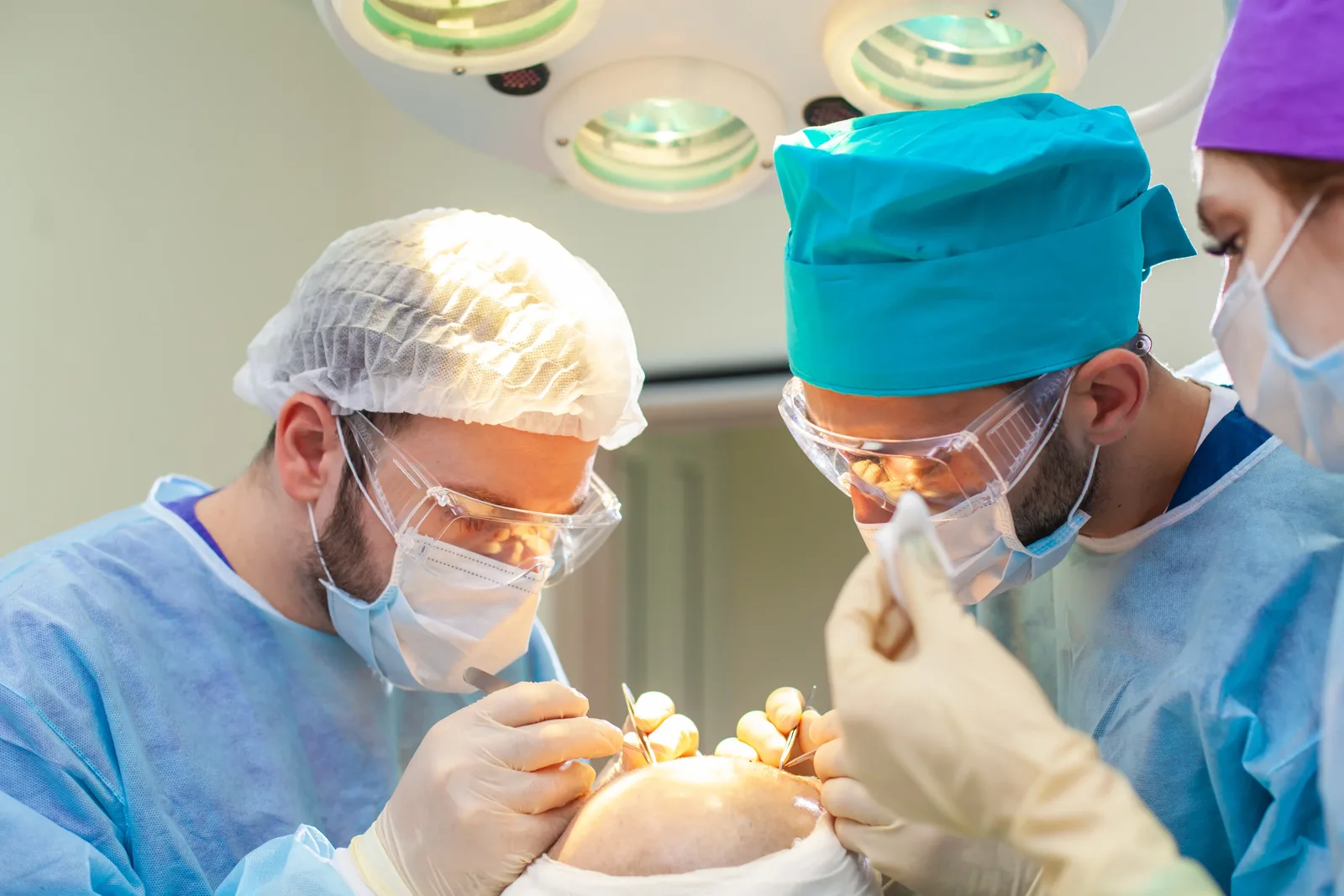
How does the hair transplant process in Turkey work? Discover a detailed guide about hair transplant in Istanbul, recovery, clinic selection, and the premium patient experience.
Learn More
Adem Demiral is a hair transplant specialist based in Atasehir, Istanbul, focusing on advanced techniques such as Diamond FUE, DHI Pro, and Sapphire FUE. The first month after a hair transplant is a vital period for both recovery and the initial appearance of the newly transplanted hair.
After undergoing a hair transplant at Adem Demiral Hair Clinic, patients can expect various changes in their scalp and hair during the first month. The healing process involves several stages, including swelling, redness, and the shedding of transplanted hair, known as shock loss. The healing timeline can vary among individuals due to factors such as skin type, age, and overall health, but understanding the general phases can help patients prepare for what lies ahead.
Initially, the body reacts to the trauma of the hair transplant procedure, which can lead to inflammation. This inflammation is a natural response as the body works to heal itself. The first few days post-surgery are often marked by noticeable swelling, particularly around the forehead and eyes, which can be alarming but is usually temporary. The redness at the transplant site is also part of the healing process and may last for a few weeks. It is essential to monitor these symptoms and communicate any concerns with your specialist.
As the healing progresses, patients may experience what is known as "shock loss," where some of the transplanted hair falls out. This phenomenon is common and can be attributed to the stress the hair follicles endure during the transplant process. Understanding that this is a temporary phase can help alleviate anxiety and set realistic expectations for recovery. The hair follicles remain alive and will eventually enter a new growth cycle, leading to the emergence of new hair in the following months.
During the first month, it is normal to experience the following:
Proper care during this time is essential to promote healing and ensure the best results. Here are some tips:
It’s important to manage expectations during the first month after a hair transplant. While some initial results may be visible, full results typically take several months to manifest. Patience is key during this period. The initial excitement of seeing new hair growth can be tempered by the reality that the full transformation will take time. Understanding the hair growth cycle can help set realistic expectations; after the initial shedding phase, it may take several months for the hair to grow to a noticeable length.
Many patients may feel discouraged if they do not see immediate results or if they experience shock loss. However, it is essential to remember that the transplanted hair follicles are still alive and will eventually produce new hair. The timeline for hair growth can vary significantly based on individual factors such as genetics, health, and adherence to post-operative care instructions. Keeping a positive mindset and focusing on the long-term results can help mitigate the anxiety that often accompanies this waiting period.
Support from family, friends, or online communities can also be beneficial during this time. Sharing experiences and hearing from others who have undergone similar procedures can provide reassurance and encouragement. Additionally, regular check-ins with your specialist can help keep you informed and motivated as you progress through the healing process.
Regular follow-ups with Adem Demiral, your hair transplant specialist, are crucial for monitoring progress and addressing any concerns. Do not hesitate to reach out for advice or clarification on your recovery process. These consultations allow your specialist to assess the healing of your scalp, evaluate the growth of your newly transplanted hair, and make any necessary adjustments to your care plan.
During these follow-up appointments, patients can discuss any issues they may be experiencing, such as discomfort, excessive redness, or unexpected hair loss. Your specialist can provide tailored advice on how to address these issues or reassure you if they are part of the normal healing process. Moreover, these appointments offer an opportunity to discuss long-term hair care strategies and any additional treatments that may enhance your results.
Communication with your specialist is key to ensuring a successful recovery. If you have any questions or uncertainties about your post-operative care, don't hesitate to reach out. Your specialist is there to support you and provide the guidance necessary for optimal healing and hair growth.
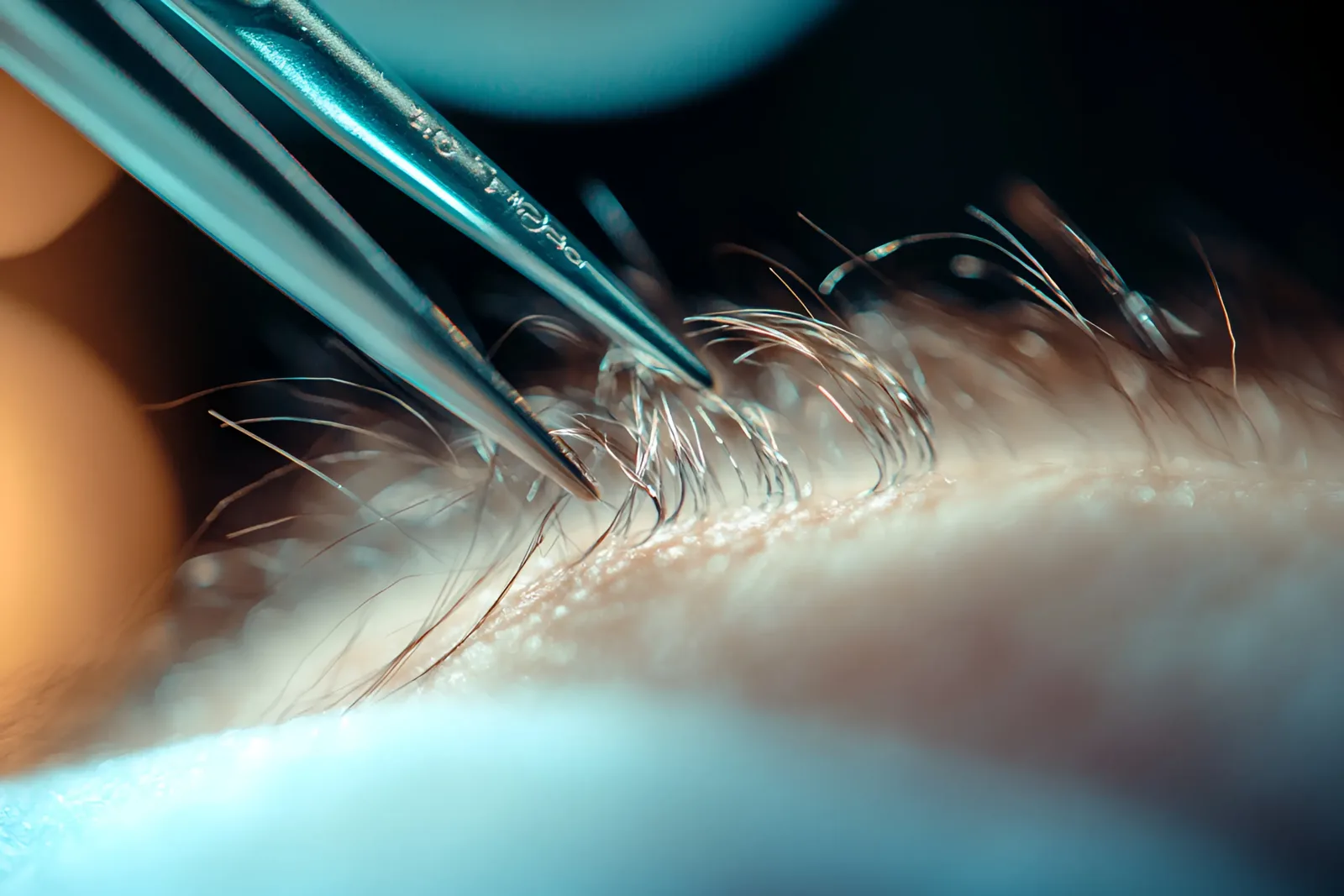
After the first month, care continues to be important. Maintaining a healthy scalp and hair routine will support the growth of your transplanted hair. It's essential to continue following the guidelines set forth by your specialist, which may evolve as you progress in your recovery. This ongoing care may include regular washing, using specialized hair products, and avoiding harsh chemicals that could damage the hair follicles.
Consider treatments such as PRP (Platelet-Rich Plasma) and stem-cell supported care offered at Adem Demiral Hair Clinic to enhance results. PRP therapy involves drawing a small amount of your blood, processing it to concentrate the platelets, and then injecting it back into the scalp to stimulate hair growth. This treatment can promote healing and improve the overall health of your hair follicles, enhancing the results of your hair transplant.
Additionally, maintaining a balanced diet rich in vitamins and minerals can support hair growth. Nutrients such as biotin, zinc, and omega-3 fatty acids are particularly beneficial for hair health. Supplements may also be recommended by your specialist to ensure you are getting the necessary nutrients to support your hair growth journey. Regularly scheduled follow-ups with your specialist can help monitor your progress and make any necessary adjustments to your care plan.
The first month after a hair transplant is a critical time for recovery and initial hair appearance. Following the care tips and maintaining communication with your specialist at Adem Demiral Hair Clinic in Atasehir, Istanbul, can lead to successful results. Remember that patience is essential, as the journey to fuller hair takes time and diligent care. With the right approach and support, you can look forward to the positive changes that lie ahead.
The healing process involves swelling, redness, and possible shock loss during the first month, followed by new hair growth. It is essential to follow post-operative care instructions to facilitate healing.
Use a mild shampoo and avoid vigorous scrubbing. Follow the specific washing instructions provided by your specialist to ensure that you do not disturb the healing process.
It is advisable to avoid strenuous exercise for at least a week post-surgery to minimize swelling and promote healing. Light activities such as walking can be resumed sooner, but it is essential to listen to your body.
Final results typically take several months to appear, with most patients seeing significant growth by the one-year mark. The timeline can vary based on individual factors, so patience is key.
Consider treatments like PRP and stem-cell supported care, which can be discussed with your specialist at Adem Demiral Hair Clinic. A healthy diet and proper scalp care can also contribute to optimal hair growth.
Yes, some shedding is normal during the first month, known as shock loss, and new hair growth will follow. Understanding this process can help alleviate concerns about the initial loss of hair.
This article is published by Adem Demiral Hair Clinic for general information. It is not a diagnosis, a treatment plan, or a personal graft estimate. Suitability requires an in-person assessment in Atasehir.
How does the hair transplant process in Turkey work? Discover a detailed guide about hair transplant in Istanbul, recovery, clinic selection, and the premium patient experience.
Learn More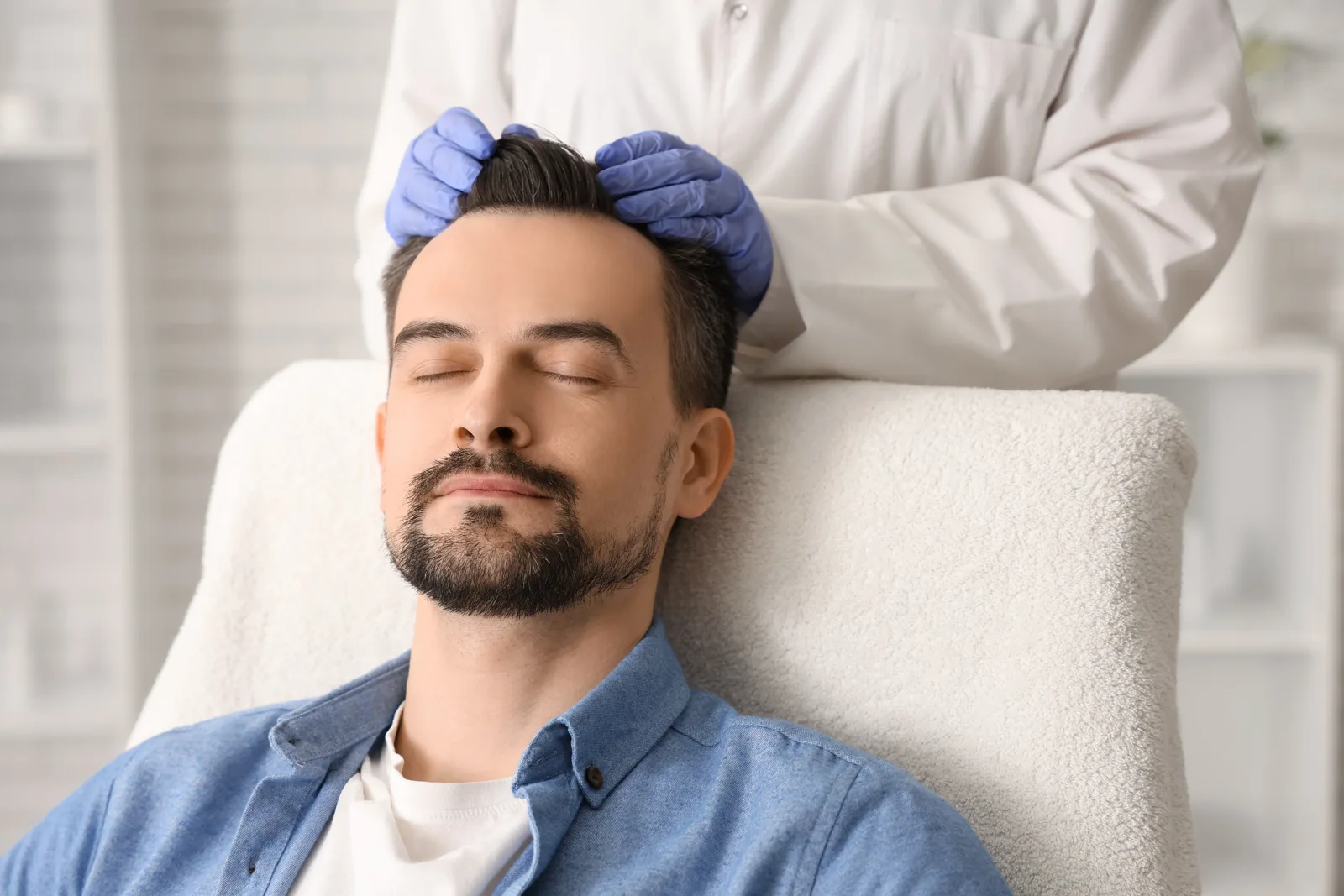
How does the recovery process after a hair transplant progress? Discover the first wash, shock loss, hair growth timeline, and the 12-month transformation in detail.
Learn More
Discover the differences between DHI and Sapphire FUE hair transplantation. A detailed comparison in terms of density, natural appearance, recovery process, and unshaven hair transplantation.
Learn More
Hair loss can become both a physical and psychological concern for many people. Today, hair transplantation stands out as one of the most effective solutions for addressing this issue.
Learn More
Hair loss can become both a physical and psychological challenge for many people. Today, hair transplantation stands out as one of the most effective solutions to this problem.
Learn MoreFill out the form for hair analysis, appointments, and consultation requests, or contact us directly.