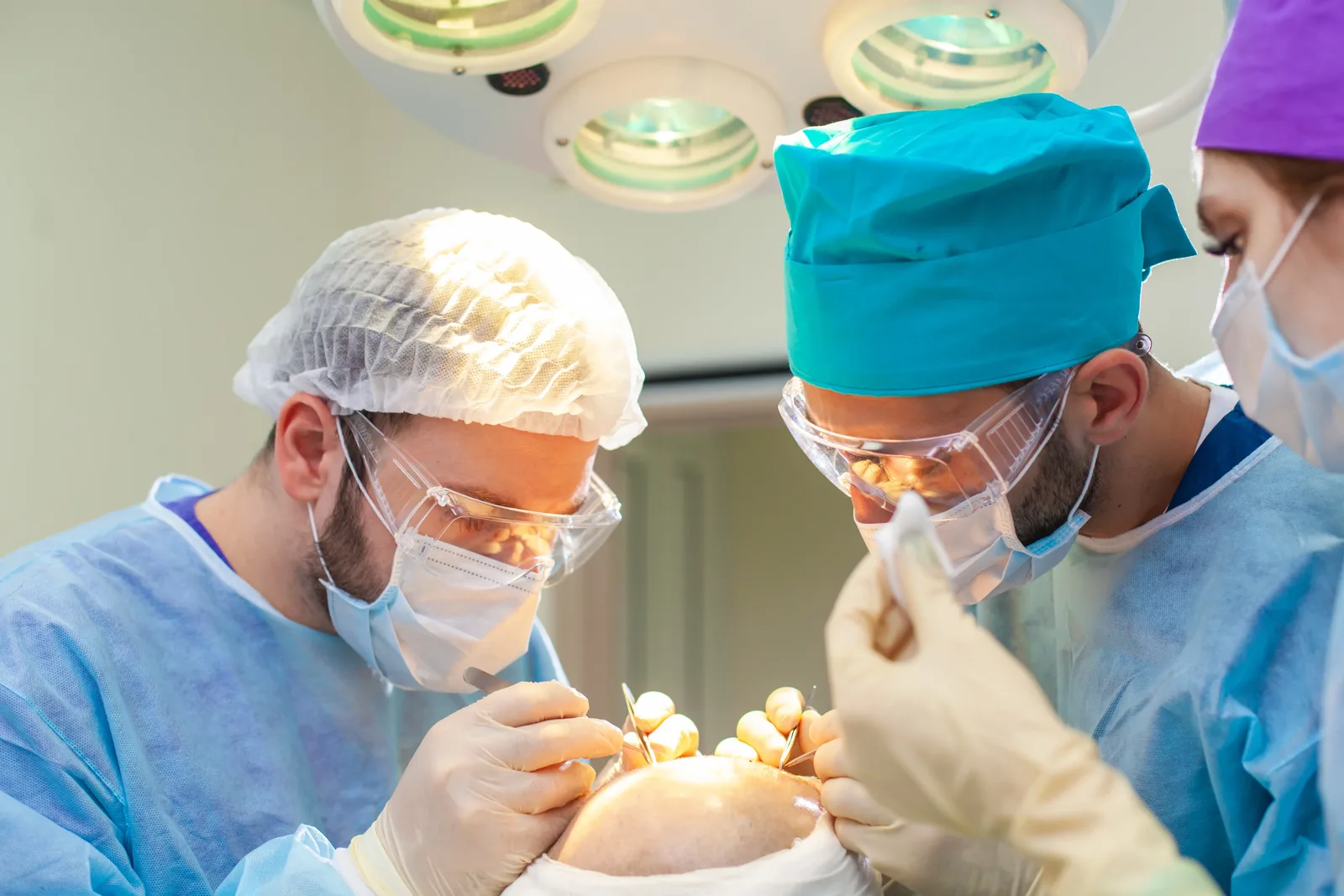
How does the hair transplant process in Turkey work? Discover a detailed guide about hair transplant in Istanbul, recovery, clinic selection, and the premium patient experience.
Learn More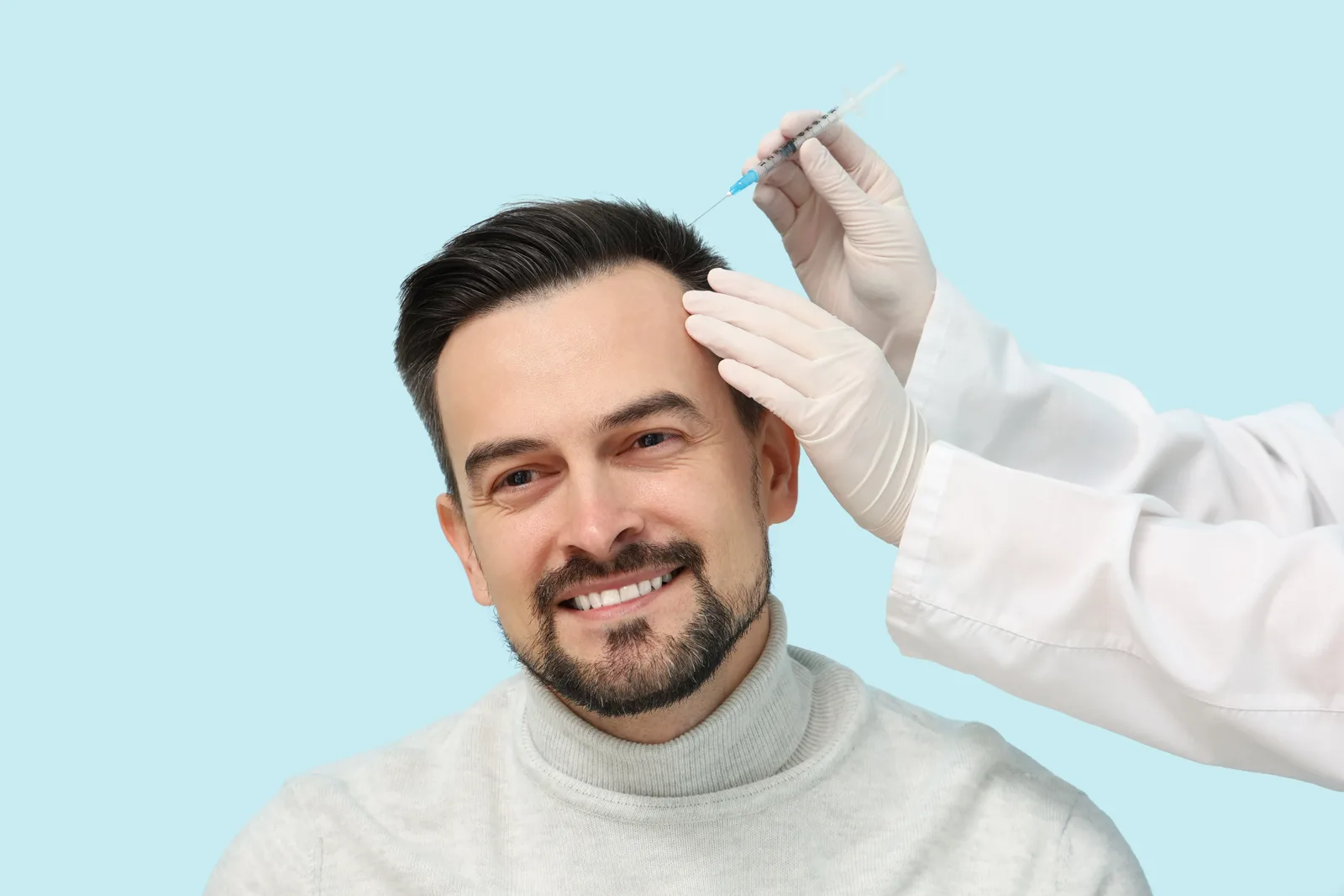
Finasteride is a medication commonly used in the treatment of hair loss, particularly in men. It is often discussed in the context of hair restoration procedures offered by specialists like Adem Demiral, a hair transplant specialist based in Atasehir, Istanbul.
Finasteride works by inhibiting the enzyme 5-alpha-reductase, which converts testosterone into dihydrotestosterone (DHT). DHT is a hormone that contributes to hair loss in genetically predisposed individuals. By lowering DHT levels, Finasteride can help slow down hair loss and, in some cases, promote regrowth. This mechanism is particularly beneficial for men suffering from androgenetic alopecia, the most common form of hair loss, characterized by a receding hairline and thinning crown.
The effectiveness of Finasteride is well-documented in clinical studies. Research has shown that men who take Finasteride can experience a significant reduction in hair loss and some degree of regrowth. However, results may vary based on individual factors such as the extent of hair loss, age, and genetic predisposition. Typically, users may start to see visible results after three to six months of consistent use, with optimal results often observed after one to two years. This timeline is essential for patients to understand, as expectations can significantly influence their satisfaction with the treatment.
It is also worth noting that Finasteride is not a cure for hair loss but rather a management tool. Once treatment is stopped, any hair that has been maintained or regrown during the course of treatment may be lost within a year. Therefore, ongoing consultation with a specialist like Adem Demiral is crucial for those considering long-term use of Finasteride as part of their hair restoration strategy.
In addition to Finasteride, there are other medications that aim to address hair loss. Some of the notable alternatives include:
Each of these medications has its own set of benefits and potential side effects, making it essential for individuals to work closely with a healthcare provider to determine the most appropriate treatment based on their unique situation. For instance, while Minoxidil can be beneficial for both genders, Finasteride is primarily indicated for men, and its use in women is generally discouraged due to the risk of birth defects.
Moreover, the choice of medication may also depend on the patient's overall health, medical history, and personal preferences. A comprehensive discussion with a specialist can help clarify these options and ensure that patients are well-informed before making a decision.

Individuals experiencing hair loss may explore medications like Finasteride or its alternatives. However, it is essential to consult with a healthcare professional or a hair transplant specialist like Adem Demiral in Atasehir, Istanbul, to determine the most suitable approach for individual cases. The decision to begin treatment should be based on a thorough evaluation of the patient's specific type of hair loss, medical history, and treatment goals.
Men with early signs of androgenetic alopecia, such as thinning hair or a receding hairline, are often prime candidates for Finasteride. The medication is most effective when initiated early in the hair loss process, as it can help preserve existing hair and stimulate regrowth. Conversely, individuals with advanced hair loss may still benefit from Finasteride but might also need to consider additional interventions, such as hair transplant surgery, to achieve their desired aesthetic outcomes.
Additionally, factors such as age and lifestyle should also be considered when discussing treatment options. Younger patients may respond better to Finasteride, while older individuals may have different expectations regarding hair restoration. Furthermore, lifestyle factors such as stress management, nutrition, and overall health can also play a significant role in hair loss and should be addressed as part of a comprehensive treatment plan.
While Finasteride and similar medications can be effective, they may also come with potential side effects. Some of the common side effects associated with Finasteride include:
It is crucial for individuals to weigh the benefits against the risks when considering these medications. While many users tolerate Finasteride well, some may experience adverse reactions that can impact their quality of life. Studies suggest that a small percentage of users may experience persistent sexual side effects even after discontinuation of the drug, a phenomenon known as post-finasteride syndrome. This potential risk underscores the importance of thorough pre-treatment counseling and ongoing monitoring by a healthcare professional.
Moreover, the psychological impact of hair loss and the associated treatment side effects can be significant. Many individuals may feel anxious or depressed about their hair loss, and the prospect of side effects from treatment can exacerbate these feelings. Therefore, it is essential for patients to have open discussions with their healthcare providers about their concerns, expectations, and any psychological support they may need during their treatment journey.
Overall, understanding the potential side effects of Finasteride and similar medications is vital for informed decision-making. Patients should feel empowered to ask questions, express their concerns, and discuss alternative treatment options if they are apprehensive about the risks associated with these medications.
In conjunction with medications like Finasteride, patients often consider additional treatments for hair restoration. At Adem Demiral Hair Clinic, various techniques such as Diamond FUE, DHI Pro, and PRP therapy are available to enhance results. These methods can complement the effects of medications and provide a more comprehensive approach to hair restoration.
Diamond FUE (Follicular Unit Extraction) is a minimally invasive hair transplant technique that involves extracting individual hair follicles from the donor area and implanting them into the thinning or balding areas of the scalp. This technique is known for its precision and reduced recovery time, making it an attractive option for patients looking for immediate results in addition to their medication regimen.
DHI Pro (Direct Hair Implantation) is another advanced hair transplant method that allows for the simultaneous extraction and implantation of hair follicles. This technique reduces the time that follicles spend outside the body, potentially improving graft survival rates. Both Diamond FUE and DHI Pro can be effectively combined with Finasteride treatment, as they address hair loss from different angles—medication helps manage the hormonal aspects, while transplantation provides immediate volume and coverage.
Platelet-Rich Plasma (PRP) therapy is another complementary treatment gaining popularity in the field of hair restoration. This procedure involves drawing the patient's blood, processing it to concentrate the platelets, and injecting it into the scalp to stimulate hair growth. PRP therapy can enhance the effectiveness of medications like Finasteride by promoting a healthier scalp environment and rejuvenating hair follicles. Combining these treatments can lead to synergistic effects, providing patients with a well-rounded approach to managing hair loss.
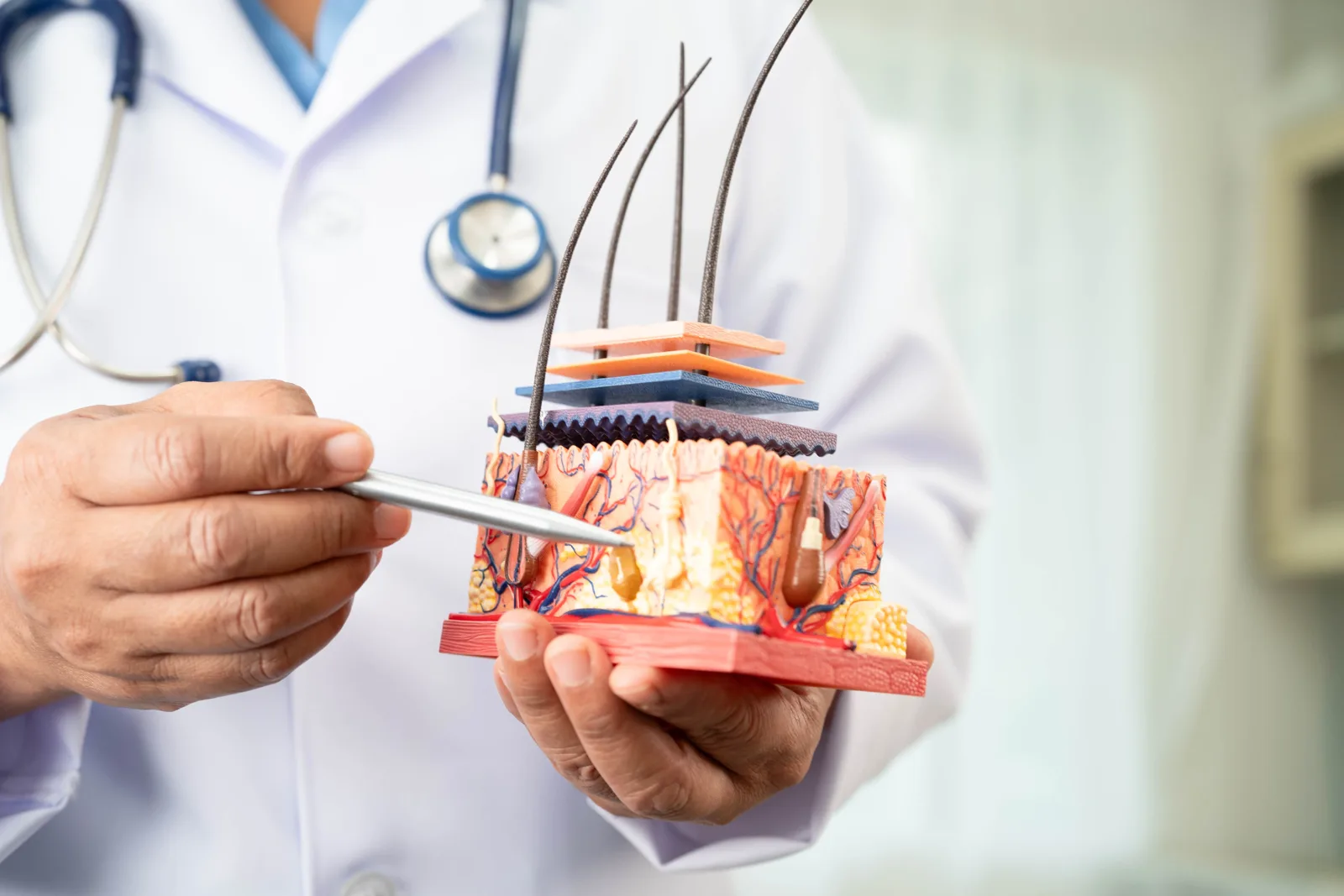
Before starting any medication for hair loss, a thorough pre-evaluation is essential. At Adem Demiral Hair Clinic, a detailed consultation can help assess the underlying causes of hair loss and determine the best treatment plan. This process ensures that patients receive personalized care tailored to their specific needs.
The consultation typically includes a comprehensive medical history review, a physical examination of the scalp, and possibly blood tests to rule out any underlying health conditions that may contribute to hair loss. Understanding the patient's lifestyle, family history, and previous treatments is also crucial in formulating an effective strategy. This holistic approach allows specialists to identify not only the type of hair loss but also any contributing factors that may need to be addressed concurrently.
Furthermore, during the consultation, patients are encouraged to discuss their goals and expectations regarding hair restoration. This dialogue is vital for aligning treatment options with the patient's desired outcomes. Whether the goal is to maintain existing hair, achieve fuller coverage, or address specific areas of thinning, having a clear understanding of these objectives will guide the treatment plan and enhance overall satisfaction.
Ultimately, the consultation and pre-evaluation process is a collaborative effort between the patient and the specialist, ensuring that all aspects of hair loss are considered and that the chosen treatment plan is both effective and safe.
Finasteride and similar medications can play a role in managing hair loss, but they are not a one-size-fits-all solution. Consulting a hair transplant specialist like Adem Demiral in Atasehir, Istanbul, is vital for understanding the potential benefits and risks associated with these treatments. For those interested in exploring hair restoration options, professional guidance is key to achieving the best results.
As the landscape of hair restoration continues to evolve, staying informed about the latest advancements and treatment modalities is essential for individuals seeking effective solutions. The combination of medical treatments, advanced surgical techniques, and supportive therapies offers a comprehensive approach to hair restoration that can be tailored to meet the unique needs of each patient.
Additionally, maintaining realistic expectations and understanding the commitment required for any hair restoration treatment is crucial. Patients should be prepared for a journey that may involve trial and error, as finding the right combination of treatments can take time. However, with the right support and expertise, individuals can achieve significant improvements in their hair density and overall confidence.
Finasteride is primarily used to treat male pattern baldness by reducing levels of DHT, a hormone linked to hair loss.
Yes, potential side effects include decreased libido, erectile dysfunction, and gynecomastia, among others. It is essential for patients to discuss these risks with their healthcare provider.
Finasteride is not typically recommended for women, especially those who are pregnant or planning to become pregnant due to potential risks to a developing fetus. Women experiencing hair loss may be better suited for alternative treatments.
Minoxidil is a topical treatment that stimulates hair growth, while Finasteride is an oral medication that reduces DHT levels. Both can be effective but work through different mechanisms.
It is essential to consult with a healthcare professional or a hair transplant specialist for a thorough evaluation and personalized recommendations. This step ensures that patients are informed and prepared for their treatment journey.
For more information on hair restoration options and treatments, visit the Adem Demiral Hair Clinic's website or schedule a consultation. This resource can provide valuable insights into the available treatments and help patients make informed decisions.
This article is published by Adem Demiral Hair Clinic for general information. It is not a diagnosis, a treatment plan, or a personal graft estimate. Suitability requires an in-person assessment in Atasehir.
How does the hair transplant process in Turkey work? Discover a detailed guide about hair transplant in Istanbul, recovery, clinic selection, and the premium patient experience.
Learn More
How does the recovery process after a hair transplant progress? Discover the first wash, shock loss, hair growth timeline, and the 12-month transformation in detail.
Learn More
Discover the differences between DHI and Sapphire FUE hair transplantation. A detailed comparison in terms of density, natural appearance, recovery process, and unshaven hair transplantation.
Learn More
Hair loss can become both a physical and psychological concern for many people. Today, hair transplantation stands out as one of the most effective solutions for addressing this issue.
Learn More
Hair loss can become both a physical and psychological challenge for many people. Today, hair transplantation stands out as one of the most effective solutions to this problem.
Learn MoreFill out the form for hair analysis, appointments, and consultation requests, or contact us directly.