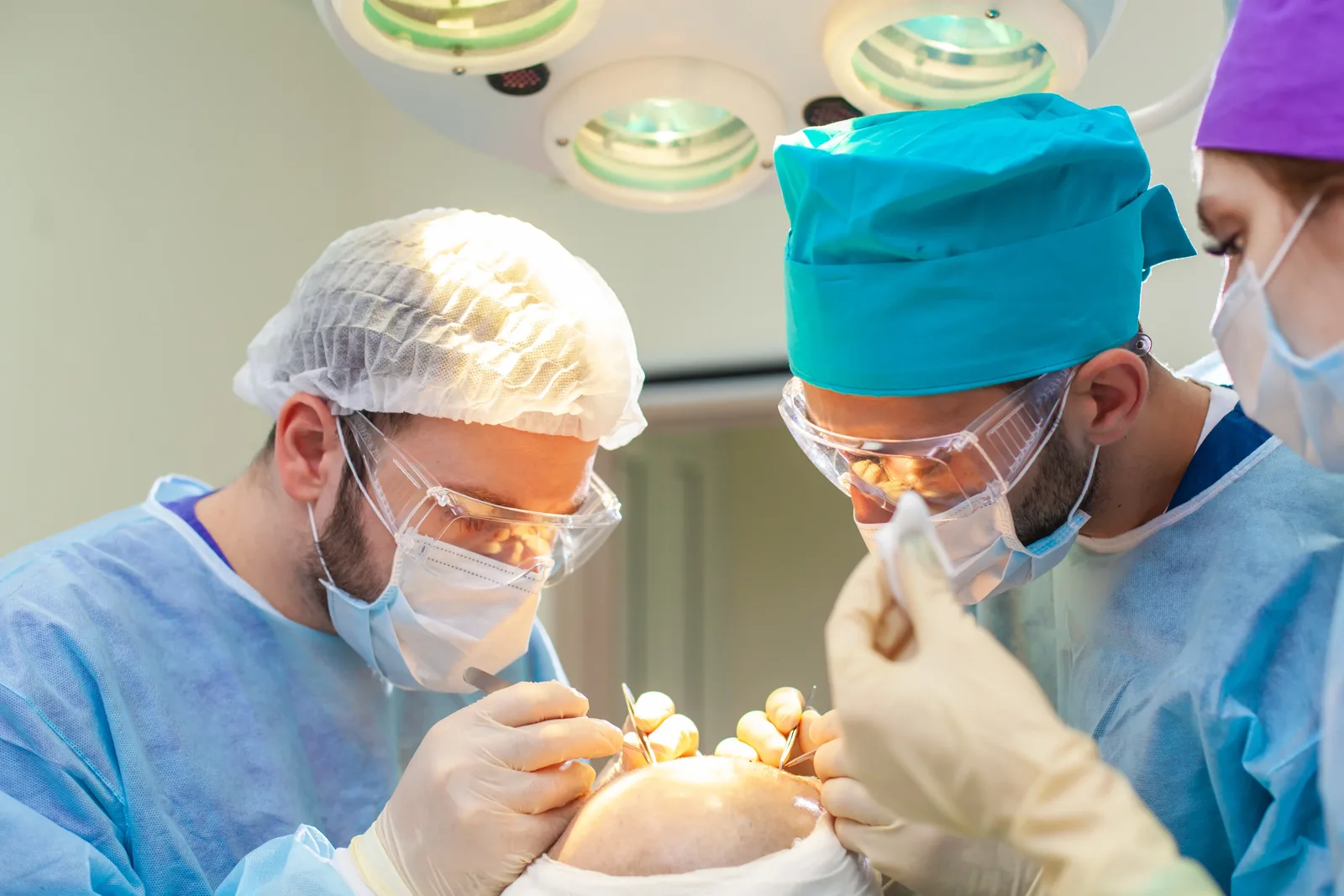
How does the hair transplant process in Turkey work? Discover a detailed guide about hair transplant in Istanbul, recovery, clinic selection, and the premium patient experience.
Learn More
Female hair thinning patterns refer to the various ways in which women experience hair loss, often due to a combination of genetic, hormonal, and environmental factors. Adem Demiral, a hair transplant specialist in Atasehir, Istanbul, provides insights into understanding these patterns and the available solutions.
Hair thinning in women can manifest in several ways, including diffuse thinning, localized thinning, and receding hairlines. Understanding these patterns is crucial for identifying the underlying causes and determining the most effective treatment approaches. Each pattern presents unique characteristics and challenges, which can significantly affect a woman’s self-esteem and overall quality of life.
Diffuse thinning typically results in an overall reduction in hair density across the scalp. This pattern is often less noticeable at first but can lead to significant hair loss if not addressed. Localized thinning, on the other hand, may occur in specific areas, such as the crown or temples, often leading to a more pronounced appearance of bald spots. Receding hairlines, although less common in women than men, can also be a source of distress and is often associated with hormonal changes.
Recognizing these patterns early can facilitate timely intervention, which is crucial for preventing further hair loss. Women experiencing any form of hair thinning should consult with a specialist to accurately diagnose their condition and explore potential treatment options. Awareness of these patterns not only aids in personal understanding but also empowers women to seek appropriate care.
There are several reasons why women may experience hair thinning, including:
Genetic predisposition is one of the most significant factors in female hair thinning. Women with a family history of hair loss are more likely to experience similar patterns. This hereditary condition, known as androgenetic alopecia, can manifest at any age, often starting in the late teens or early twenties. Understanding one’s genetic background can help in predicting the likelihood of hair thinning and in making informed decisions about preventive measures.
Hormonal changes are another major contributor to hair loss in women. Events such as pregnancy and menopause can cause fluctuations in hormone levels, leading to temporary or permanent hair thinning. Conditions like PCOS, which is characterized by hormonal imbalances, can also exacerbate hair loss. Addressing these hormonal issues through medical intervention can often lead to improvements in hair density.
In addition to genetic and hormonal factors, external influences such as stress and nutritional deficiencies play a critical role in hair health. Chronic stress can lead to a condition known as telogen effluvium, where hair follicles enter a resting phase and subsequently shed. Furthermore, a diet lacking in essential nutrients such as iron, zinc, and vitamins can weaken hair strands and follicles, making them more susceptible to thinning. A holistic approach that addresses both internal and external factors is essential for effective treatment.
Understanding the specific type of hair thinning can guide treatment options. The most common patterns include:
Diffuse thinning is characterized by a gradual reduction in hair density across the entire scalp, which can be particularly distressing as it often goes unnoticed until significant hair loss has occurred. This pattern is frequently linked to telogen effluvium, a condition where hair follicles prematurely enter the shedding phase. Identifying the triggers, such as stress or hormonal changes, is crucial for reversing this condition.
Androgenetic alopecia, or female pattern hair loss, is another prevalent form of hair thinning. This genetic condition typically presents as thinning at the crown and temples, often leading to a widening part. It is essential for women experiencing this type of hair loss to consult with a specialist, as early intervention can significantly improve outcomes. Treatment options may include medications like minoxidil or hair transplant procedures.
Alopecia areata is an autoimmune disorder that results in sudden, patchy hair loss. While the exact cause remains unclear, it is believed to be related to an abnormal immune response. Treatment for alopecia areata may involve corticosteroids or other immunotherapy approaches. Lastly, traction alopecia is caused by hairstyles that place excessive tension on hair follicles, such as tight ponytails or braids. Prevention through mindful styling choices is critical for preserving hair health.
At Adem Demiral Hair Clinic, a thorough evaluation is essential for diagnosing the cause of hair thinning. This may include a physical examination, medical history review, and possibly blood tests to assess hormone levels and nutritional status. For more information on the pre-evaluation process, visit our pre-evaluation page.
The diagnostic process begins with an in-depth consultation where the specialist will gather information about the patient's medical history, family history of hair loss, lifestyle factors, and any recent stressors or changes in health. This comprehensive approach allows for a more accurate diagnosis and tailored treatment plan. Additionally, a physical examination of the scalp can reveal patterns of hair loss and any underlying conditions that may be contributing to the thinning.
In some cases, blood tests may be necessary to evaluate hormone levels, iron levels, and other nutritional markers. These tests can help identify deficiencies or imbalances that may be exacerbating hair thinning. Advanced diagnostic tools, such as scalp biopsies or trichoscopy, may also be employed to assess the health of hair follicles and determine the most appropriate course of action. This meticulous evaluation process is crucial for effective treatment and long-term management of hair thinning.
There are various treatment options available for women experiencing hair thinning, including:
Topical treatments, particularly minoxidil, have been widely used for decades and are known for their effectiveness in stimulating hair growth. This FDA-approved treatment works by increasing blood flow to hair follicles, thereby promoting hair regrowth. It is available in various formulations, including foams and solutions, and can be easily integrated into a daily hair care routine.
Oral medications such as finasteride are also utilized in specific cases, particularly for women with hormonal imbalances. This medication works by inhibiting the conversion of testosterone to dihydrotestosterone (DHT), a hormone linked to hair loss. However, it is essential for women to consult with a healthcare provider before starting any medication, as potential side effects must be considered.
For those seeking more permanent solutions, hair transplant surgery has become increasingly popular. Techniques like Diamond FUE (Follicular Unit Extraction) and DHI (Direct Hair Implantation) offer minimally invasive options that can restore hair density effectively. These procedures involve harvesting hair follicles from donor areas and implanting them into thinning or bald regions. Additionally, innovative treatments such as PRP therapy and stem-cell supported care are gaining traction for their potential to enhance hair growth and promote follicle regeneration, offering hope for women experiencing hair thinning.

When seeking treatment for hair thinning, it is crucial to choose a reputable clinic. Adem Demiral Hair Clinic in Atasehir, Istanbul, offers specialized services tailored to women's unique needs. You can learn more about our services by visiting our services page.
Choosing the right clinic is a vital step in the journey to restoring hair health. Factors to consider include the clinic's credentials, the expertise of the medical staff, and the range of treatment options available. A reputable clinic will prioritize patient education and provide transparent information about procedures, expected outcomes, and potential risks.
At Adem Demiral Hair Clinic, we pride ourselves on our commitment to personalized care. Our team of specialists is dedicated to understanding each patient's unique situation and tailoring treatment plans accordingly. We utilize the latest techniques and technologies to ensure optimal results while prioritizing patient safety and comfort. By selecting a clinic that aligns with your needs and values, you can embark on your hair restoration journey with confidence.
After undergoing treatment, proper care is essential for achieving the best results. Patients are advised to follow a tailored aftercare plan, which may include specific hair care products and regular follow-up visits. For examples of successful outcomes, check our before and after gallery.
Post-treatment care is a critical component of the hair restoration process. Following the specialist's recommendations is essential for maximizing the benefits of the chosen treatment. This may involve using specific shampoos and conditioners designed to support hair health, avoiding heat styling tools, and protecting the scalp from sun exposure.
Regular follow-up visits are also crucial for monitoring progress and making any necessary adjustments to the treatment plan. These visits allow the specialist to assess hair growth, address any concerns, and provide ongoing support. Patients are encouraged to maintain open communication with their healthcare provider and report any unusual changes or side effects experienced during the recovery process.
Female hair thinning patterns can be distressing, but understanding the causes and exploring treatment options can lead to effective solutions. At Adem Demiral Hair Clinic in Atasehir, Istanbul, we are dedicated to providing personalized care for women experiencing hair loss. Our comprehensive approach combines advanced techniques with a deep understanding of the unique challenges women face regarding hair thinning.
By prioritizing education and individualized treatment plans, we empower our patients to make informed decisions about their hair health. Whether exploring non-surgical options or considering hair transplant surgery, our team is here to guide you every step of the way. Together, we can restore not only your hair but also your confidence and quality of life.
The main causes include genetics, hormonal changes, medical conditions, stress, and nutritional deficiencies.
A thorough evaluation by a hair transplant specialist can help identify the specific type of hair thinning and its underlying causes.
Treatments include topical solutions, oral medications, hair transplant surgeries, PRP therapy, and stem-cell supported care.
Yes, hair transplant surgery can be an effective option for women experiencing significant hair thinning or loss.
Results can vary; however, most patients may start to see improvements within a few months, depending on the treatment method.
Adem Demiral Hair Clinic is located in Atasehir, Istanbul, providing specialized hair restoration services.
This article is published by Adem Demiral Hair Clinic for general information. It is not a diagnosis, a treatment plan, or a personal graft estimate. Suitability requires an in-person assessment in Atasehir.
How does the hair transplant process in Turkey work? Discover a detailed guide about hair transplant in Istanbul, recovery, clinic selection, and the premium patient experience.
Learn More
How does the recovery process after a hair transplant progress? Discover the first wash, shock loss, hair growth timeline, and the 12-month transformation in detail.
Learn More
Discover the differences between DHI and Sapphire FUE hair transplantation. A detailed comparison in terms of density, natural appearance, recovery process, and unshaven hair transplantation.
Learn More
Hair loss can become both a physical and psychological concern for many people. Today, hair transplantation stands out as one of the most effective solutions for addressing this issue.
Learn More
Hair loss can become both a physical and psychological challenge for many people. Today, hair transplantation stands out as one of the most effective solutions to this problem.
Learn MoreFill out the form for hair analysis, appointments, and consultation requests, or contact us directly.