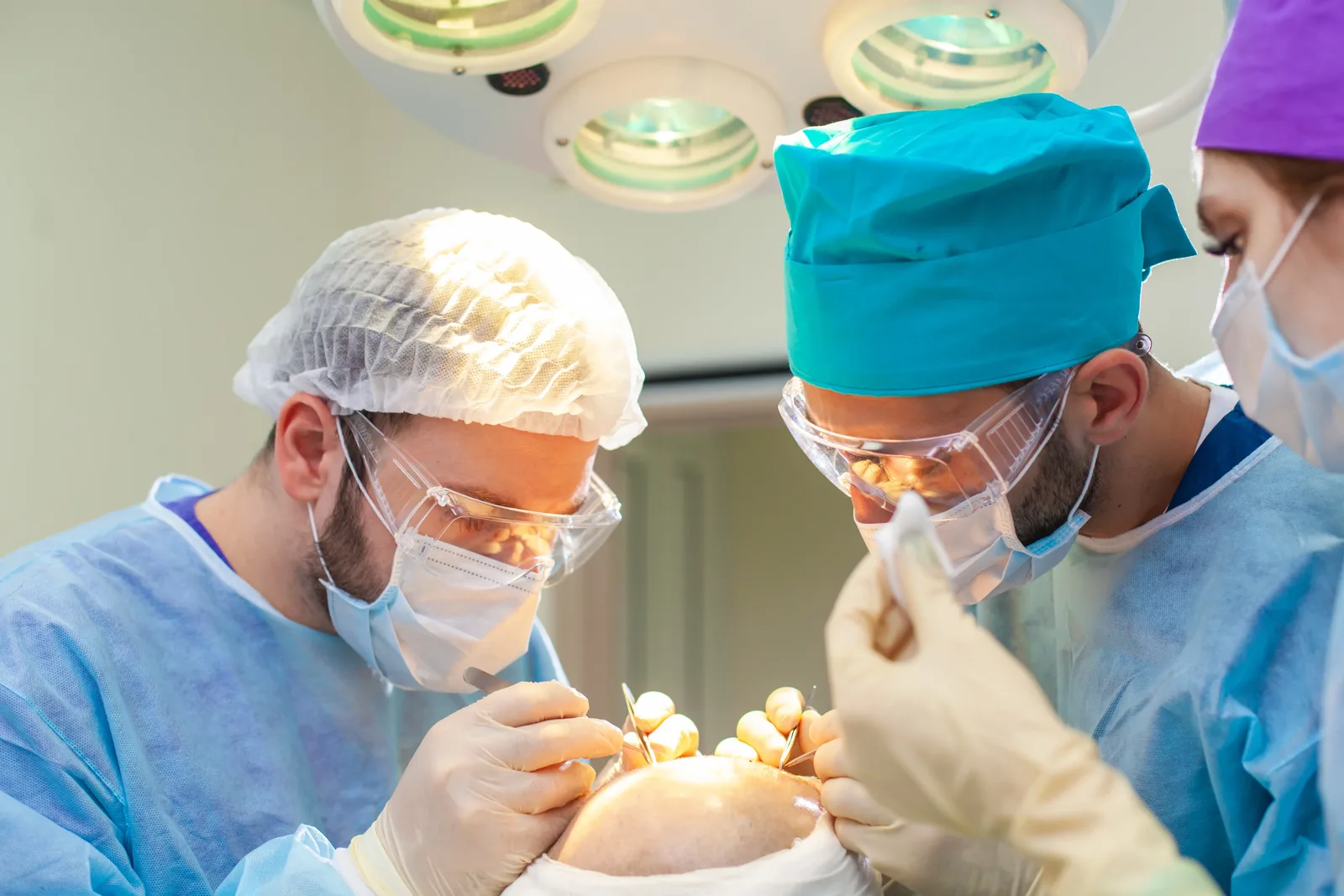
How does the hair transplant process in Turkey work? Discover a detailed guide about hair transplant in Istanbul, recovery, clinic selection, and the premium patient experience.
Learn More
Adem Demiral, a hair transplant specialist based in Atasehir, Istanbul, emphasizes the importance of family history in hair loss when planning hair restoration procedures. Understanding genetic predispositions can significantly influence the strategies employed during hair transplant treatments.
Family history of hair loss often indicates a genetic predisposition to conditions such as androgenetic alopecia, commonly known as male or female pattern baldness. This hereditary aspect can provide valuable insights into the potential progression of hair loss in individuals, helping specialists like Adem Demiral tailor their approach to hair transplant procedures. The pattern of hair loss can vary significantly from one individual to another, and it is often influenced by the hair loss patterns observed in close relatives.
Moreover, understanding family history can also help in identifying potential risk factors associated with hair loss. For instance, if both parents have experienced hair thinning or baldness, the likelihood of their offspring facing similar issues increases. This information can be crucial for both the patient and the specialist to make informed decisions regarding the timing and type of hair restoration treatments. Additionally, recognizing these patterns allows for better patient education regarding the natural progression of hair loss, setting realistic expectations for the outcomes of any procedures undertaken.
Furthermore, family history can also shed light on other underlying health issues that may contribute to hair loss. Conditions such as thyroid disorders, autoimmune diseases, and hormonal imbalances can have a genetic component and may exacerbate hair loss. By considering these factors, specialists can adopt a more holistic approach to hair restoration, addressing not just the cosmetic aspects but also the underlying health concerns that could affect the success of the treatment.
Genetics plays a crucial role in determining the likelihood and pattern of hair loss. If immediate family members have experienced significant hair loss, it is likely that the individual may face similar challenges. This genetic background can inform the choice of hair transplant techniques, such as Diamond FUE, DHI Pro, and Sapphire FUE, which are available at Adem Demiral Hair Clinic. Each of these techniques has its own set of advantages and is suited for different types of hair loss scenarios, influenced heavily by genetic predispositions.
For example, individuals with a family history of aggressive hair loss may require a more robust and comprehensive approach, such as the DHI Pro technique, which allows for more precise implantation of hair follicles and can yield denser results. On the other hand, those with a less severe family history of hair loss may benefit from the Sapphire FUE technique, which offers a minimally invasive option with quicker recovery times. Understanding the genetic factors at play allows specialists to customize the treatment plan to maximize efficacy and patient satisfaction.
In addition to the immediate implications for hair transplant techniques, genetics can also inform long-term management strategies. By understanding the hereditary patterns of hair loss, specialists can advise patients on lifestyle changes, preventive measures, and supplementary treatments that may help mitigate future hair loss. This proactive approach not only enhances the results of the hair transplant but also empowers patients to take control of their hair health.
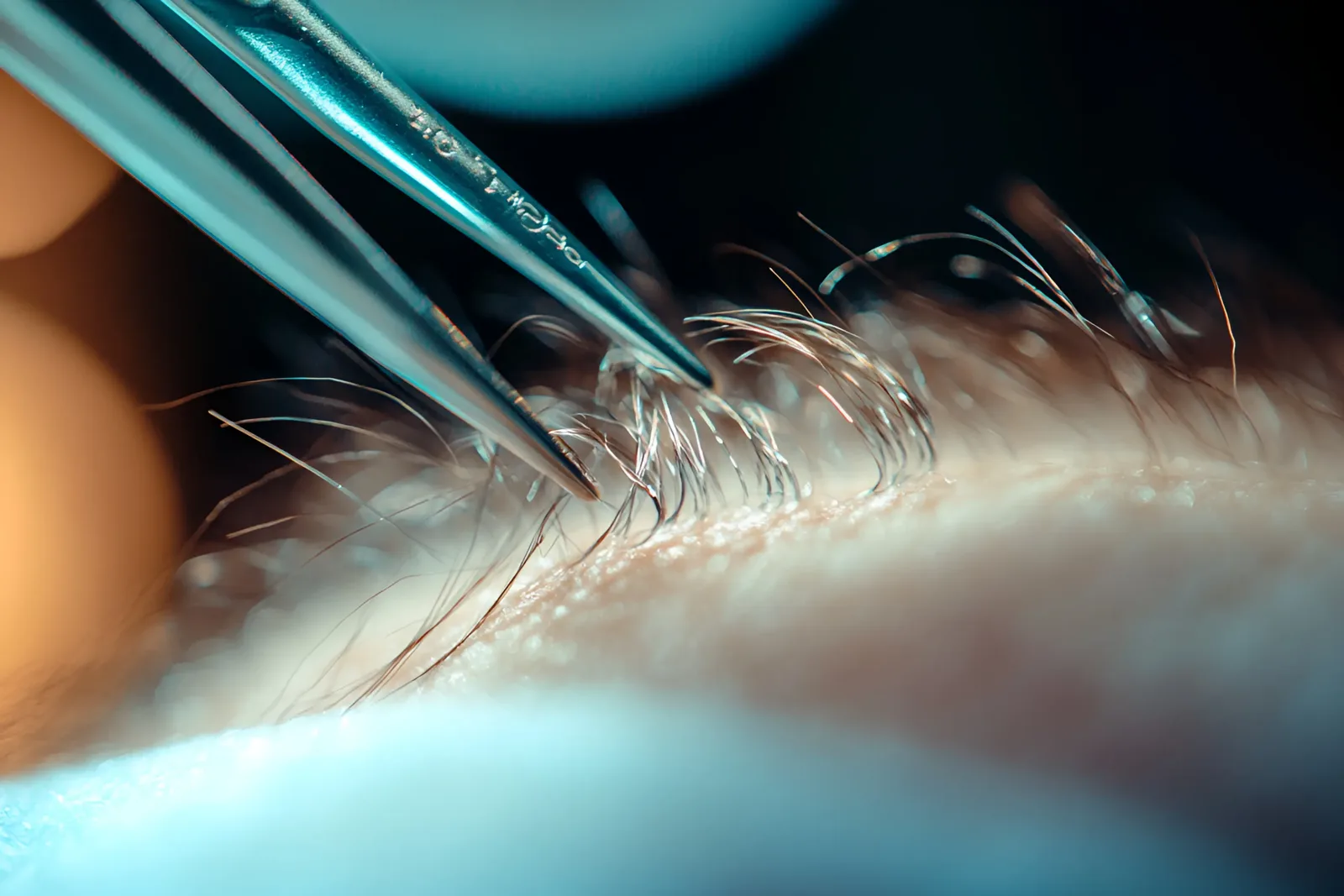
During an initial consultation at Adem Demiral Hair Clinic, the hair transplant specialist will assess the patient's family history alongside their current hair condition. This assessment helps in understanding the expected pattern of hair loss, which is critical for planning effective treatment. Factors such as age, gender, and the extent of hair loss in family members are considered during this evaluation. This comprehensive analysis allows for the identification of specific patterns that may be prevalent within the family, such as a receding hairline or thinning at the crown.
Additionally, the specialist will often utilize advanced diagnostic tools to assess the patient's current hair density, scalp health, and the viability of donor hair follicles. This multifaceted approach ensures that all relevant factors are considered, leading to a more accurate prediction of hair loss progression and the most suitable intervention strategies. Understanding these patterns not only aids in treatment planning but also helps in educating patients about the likely course of their hair loss, fostering a more informed and engaged patient experience.
Furthermore, assessing hair loss patterns can also help in identifying any potential psychological impacts associated with hair loss. Many individuals experience anxiety, depression, or decreased self-esteem due to their hair loss, particularly if it mirrors patterns seen in their family. By discussing these patterns openly during the consultation, specialists can provide not only medical but also emotional support, guiding patients towards resources that can help them cope with the psychological aspects of hair loss.
Once the family history is understood, the planning phase can begin. The hair transplant specialist will discuss various techniques that may be suitable based on the individual's specific needs. For instance, those with a strong family history of hair loss may benefit from unshaven transplant techniques, which allow for a more discreet recovery process. This technique is particularly advantageous for individuals who are concerned about the visibility of the procedure during the healing phase, as it allows them to maintain a more natural appearance while the scalp heals.
In addition to discussing techniques, the specialist will also outline the expected timeline for the procedure, recovery, and the subsequent hair growth process. This includes setting realistic expectations regarding the final results, as full hair restoration can take several months to achieve. By providing a clear roadmap, patients can feel more confident and prepared for the journey ahead.
Moreover, the planning stage also includes discussions about post-operative care and follow-up appointments. Given the genetic predispositions that may influence hair loss, ongoing monitoring and support are crucial for ensuring the longevity of the results. The specialist will provide tailored advice on scalp care, lifestyle adjustments, and potential supplementary treatments that can enhance the overall success of the hair transplant.
In addition to the hair transplant procedure, Adem Demiral Hair Clinic offers PRP (Platelet-Rich Plasma) and stem-cell supported care. These treatments can enhance hair growth and improve the overall health of the scalp, especially for those with a family history of hair loss. By integrating these supportive therapies, patients can achieve more satisfying results. PRP therapy utilizes the patient's own blood, which is processed to concentrate the platelets and growth factors that can stimulate hair follicles and promote healing.
Stem-cell treatments, on the other hand, harness the regenerative properties of stem cells to encourage hair growth and improve scalp health. These therapies can be particularly beneficial for individuals with a genetic predisposition to hair loss, as they can help to strengthen existing hair follicles and potentially prolong their lifespan. The combination of these advanced treatments with traditional hair transplant techniques provides a comprehensive approach to hair restoration, addressing both immediate and long-term needs.
Furthermore, the integration of PRP and stem-cell therapies into the hair restoration process can also enhance patient satisfaction by promoting a more natural-looking result. By improving the health and vitality of the scalp, these treatments can lead to a more robust and fuller appearance of hair, which is particularly important for those who may be concerned about the aesthetics of their hair post-transplant. This holistic approach not only focuses on restoring hair but also on enhancing the overall health and appearance of the scalp, which is essential for achieving optimal results.

Planning for hair loss treatment is not just about immediate results; it also involves long-term considerations. Understanding family history can help anticipate future hair loss patterns, allowing for proactive measures to be taken. This foresight is essential for maintaining a natural hairline and overall appearance as the individual ages. Specialists like Adem Demiral emphasize the importance of developing a long-term hair care strategy that considers both the genetic predispositions and the individual’s lifestyle.
Long-term considerations may include regular follow-up appointments to monitor hair growth and scalp health, as well as adjustments to treatment plans as needed. For example, if a patient begins to experience increased hair loss in areas that were previously stable, the specialist may recommend additional treatments or modifications to the existing plan. This ongoing relationship between the patient and the specialist is crucial for ensuring sustained results and addressing any emerging concerns promptly.
Additionally, patients are encouraged to adopt a holistic approach to hair health that includes proper nutrition, stress management, and lifestyle choices that support overall well-being. Research has shown that factors such as diet, exercise, and mental health can significantly impact hair health. By promoting a comprehensive approach to hair care, specialists can empower patients to take an active role in their hair restoration journey, leading to better long-term outcomes.
For individuals concerned about hair loss and its familial ties, a consultation at Adem Demiral Hair Clinic in Atasehir, Istanbul, is a vital first step. Here, patients can discuss their family history, explore treatment options, and receive personalized advice tailored to their unique situation. The consultation process is designed to be thorough and informative, allowing patients to gain a comprehensive understanding of their hair loss and potential solutions.
During the consultation, patients will undergo a detailed assessment of their hair and scalp, along with a discussion of their family history of hair loss. This information is crucial for developing a customized treatment plan that aligns with the patient’s specific needs and goals. Additionally, the specialist will take the time to answer any questions and address any concerns the patient may have, ensuring that they feel informed and confident in their treatment choices.
Moreover, the clinic prides itself on providing a welcoming and supportive environment where patients can feel comfortable discussing sensitive topics related to hair loss. The goal is to create a collaborative relationship between the patient and the specialist, fostering open communication and trust throughout the treatment process. This supportive approach is essential for helping patients navigate their hair restoration journey with confidence and peace of mind.
In summary, family history of hair loss significantly influences the planning and execution of hair transplant procedures. By understanding genetic factors, hair transplant specialists like Adem Demiral can provide targeted treatments that cater to the individual needs of each patient, ensuring optimal outcomes for hair restoration. This personalized approach not only enhances the effectiveness of the treatment but also fosters a sense of empowerment among patients, allowing them to take control of their hair health.
As the field of hair restoration continues to evolve, the integration of advanced techniques and supportive therapies will only enhance the potential for successful outcomes. By prioritizing a thorough understanding of family history and genetics, specialists can continue to refine their approaches, ultimately leading to improved patient satisfaction and long-term results.
Family history can indicate a genetic predisposition to hair loss, affecting treatment planning and expected outcomes. Understanding these patterns allows specialists to tailor their approach to the individual’s unique situation.
Genetics helps determine the potential pattern and progression of hair loss, guiding the choice of transplant techniques. This information is crucial for developing a customized treatment plan that addresses the patient’s specific needs.
While family history informs planning, the success of a hair transplant also depends on individual factors such as scalp health and hair characteristics. A thorough assessment during the consultation can help set realistic expectations for the outcome.
Adem Demiral Hair Clinic offers various techniques, including Diamond FUE, DHI Pro, Sapphire FUE, and unshaven transplants. Each technique has its advantages and is chosen based on the patient’s unique situation.
PRP and stem-cell treatments can improve scalp health and promote hair growth, enhancing the results of hair transplant procedures. These supportive therapies play a critical role in achieving optimal hair restoration outcomes.
During a consultation, you will discuss your family history, current hair condition, and explore personalized treatment options with the specialist. The process is designed to be thorough and informative, ensuring you feel confident in your treatment choices.
This article is published by Adem Demiral Hair Clinic for general information. It is not a diagnosis, a treatment plan, or a personal graft estimate. Suitability requires an in-person assessment in Atasehir.
How does the hair transplant process in Turkey work? Discover a detailed guide about hair transplant in Istanbul, recovery, clinic selection, and the premium patient experience.
Learn More
How does the recovery process after a hair transplant progress? Discover the first wash, shock loss, hair growth timeline, and the 12-month transformation in detail.
Learn More
Discover the differences between DHI and Sapphire FUE hair transplantation. A detailed comparison in terms of density, natural appearance, recovery process, and unshaven hair transplantation.
Learn More
Hair loss can become both a physical and psychological concern for many people. Today, hair transplantation stands out as one of the most effective solutions for addressing this issue.
Learn More
Hair loss can become both a physical and psychological challenge for many people. Today, hair transplantation stands out as one of the most effective solutions to this problem.
Learn MoreFill out the form for hair analysis, appointments, and consultation requests, or contact us directly.