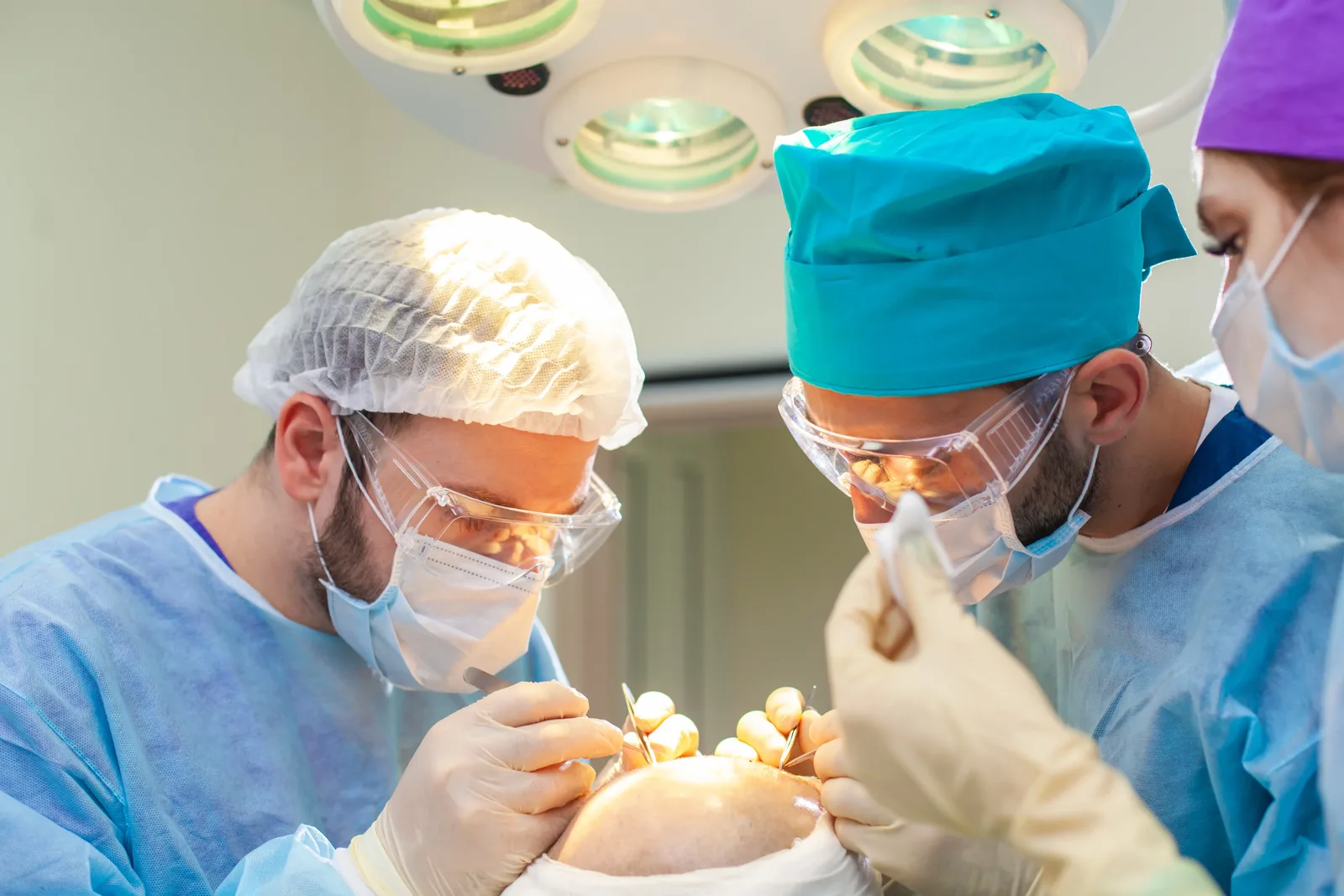
How does the hair transplant process in Turkey work? Discover a detailed guide about hair transplant in Istanbul, recovery, clinic selection, and the premium patient experience.
Learn More
Adem Demiral is a renowned hair transplant specialist based in Atasehir, Istanbul, focusing on the long-term appearance of donor hair following extraction. Understanding the extraction pattern is crucial for achieving natural-looking results in hair restoration.
The extraction pattern refers to the method and approach used to harvest hair follicles from the donor area during a hair transplant procedure. Different techniques, such as FUE (Follicular Unit Extraction) and DHI (Direct Hair Implantation), can influence the density and appearance of the donor area post-procedure. The extraction pattern not only affects the immediate results of the hair transplant but also plays a significant role in the long-term viability and aesthetic of the transplanted hair.
In essence, the extraction pattern is a blueprint for the hair restoration process. It dictates how hair follicles are removed, the spacing between extractions, and the overall strategy for ensuring that the donor area remains healthy and visually appealing. A well-thought-out extraction pattern minimizes trauma to the scalp, promotes quicker healing, and ensures that the remaining hair follicles are not compromised. This planning is essential to achieve a natural look, as it allows for a balanced distribution of hair in both the donor and recipient areas.
Moreover, the extraction pattern can also be adjusted based on individual factors such as hair type, density, and the specific areas of thinning or baldness. For instance, patients with curly hair may require a different approach compared to those with straight hair, as the angle and direction of hair growth can affect how follicles are best harvested.
The choice of extraction pattern significantly impacts the long-term look of the donor area. A well-planned extraction pattern can ensure that the donor site maintains a natural appearance, minimizing the risk of visible scarring or thinning. This is particularly important for patients who may have shorter hairstyles or who wish to wear their hair in a way that exposes the donor area. The aesthetic outcome of a hair transplant is not solely determined by the quality of the grafts used but also by how effectively the donor area is managed during the extraction process.
Furthermore, an optimal extraction pattern can help in preserving the hair density in the donor area. By strategically selecting the follicles to extract, a skilled surgeon can maintain a balance that prevents the donor area from appearing sparse or uneven. This is crucial for ensuring that patients can continue to style their hair as they wish without the fear of revealing an unnatural appearance.
Additionally, the psychological aspect of hair restoration cannot be overlooked. Many patients experience anxiety about the visibility of their donor area post-surgery. By employing an effective extraction pattern, surgeons can significantly alleviate these concerns, leading to improved patient satisfaction and confidence in their appearance. The importance of this aspect cannot be overstated, as it plays a vital role in the overall success of the hair restoration journey.

Each of these techniques has its unique advantages and potential drawbacks, and the choice of which to use should be based on a thorough consultation with a qualified specialist. Factors such as hair type, desired density, and personal preferences should all be considered when determining the most suitable extraction technique.
Moreover, advancements in technology and techniques continue to evolve, leading to improved outcomes in hair restoration procedures. As a result, staying informed about the latest developments in extraction techniques is essential for both patients and practitioners in the field.
After hair extraction, the donor area can exhibit various long-term effects, depending on the extraction pattern used. A well-executed extraction pattern can lead to:
Additionally, the long-term effects of extraction patterns extend beyond just the appearance of the donor area. They can also influence the overall health of the scalp and the growth of the transplanted hair. For instance, techniques that promote faster healing can lead to a healthier scalp environment, which is conducive to hair growth and longevity.
Moreover, the psychological impact of a well-executed extraction pattern should not be underestimated. Patients who are satisfied with the appearance of their donor area are more likely to feel confident in their overall hair restoration results. This confidence can have a significant positive effect on their self-esteem and quality of life.
Several factors can influence the long-term appearance of the donor area, including:
Moreover, individual factors such as skin type, hair type, and overall health can also contribute to the appearance of the donor area. For instance, individuals with oily skin may experience different healing patterns compared to those with dry skin, which can affect the visibility of scars. Similarly, hair texture and density can influence how well the donor area blends with the surrounding hair.
Understanding these factors is crucial for both patients and practitioners. By taking a comprehensive approach that considers all aspects of hair restoration, including extraction patterns and individual characteristics, the likelihood of achieving optimal results is significantly increased.
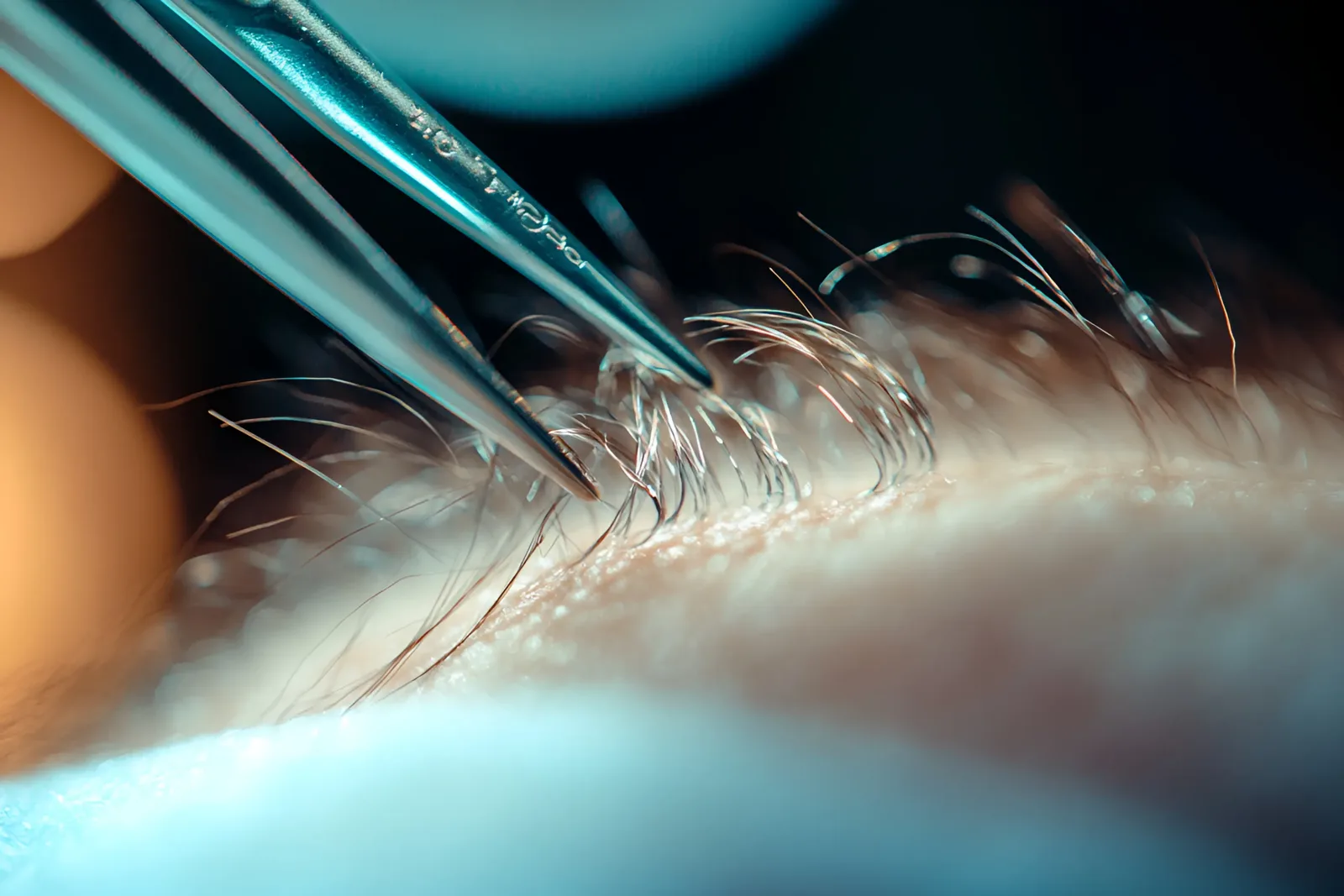
Incorporating PRP (Platelet-Rich Plasma) and stem-cell treatments can support the healing of the donor area. These treatments help stimulate hair growth and improve the overall health of the scalp, contributing to a more favorable long-term appearance. PRP therapy, in particular, has gained popularity in recent years as a complementary treatment for hair restoration procedures.
PRP therapy involves drawing a small amount of the patient’s blood, processing it to concentrate the platelets, and then injecting it into the scalp. The growth factors present in the platelets can stimulate hair follicles, promote healing, and enhance the overall health of the scalp. This can lead to improved hair density and a more natural appearance in the donor area.
Stem-cell treatments are another innovative approach that can enhance the healing process. By utilizing the regenerative properties of stem cells, these treatments can promote tissue repair and improve the overall health of the scalp. This can be particularly beneficial for patients who may be at risk of scarring or thinning in the donor area post-extraction.
Both PRP and stem-cell treatments can be integrated into the hair restoration process to optimize outcomes. By combining these therapies with effective extraction techniques, patients can enjoy improved healing, enhanced hair growth, and a more aesthetically pleasing appearance in the donor area.
Before undergoing a hair transplant, it is essential to have a thorough pre-evaluation. This assessment helps determine the most suitable extraction pattern based on individual hair characteristics and goals. A comprehensive consultation allows the specialist to evaluate the patient’s hair type, density, and specific areas of concern, which are critical for developing a tailored treatment plan.
During the consultation, patients can discuss their expectations and desired outcomes, which can significantly influence the choice of extraction pattern. The specialist will also assess the donor area to determine its viability for extraction and discuss any potential risks or considerations associated with the chosen technique.
For more information, visit our pre-evaluation page. This resource provides valuable insights into what to expect during the consultation process and how to prepare for a successful hair restoration journey. Understanding the importance of this initial assessment can lead to better outcomes and a more satisfying experience for patients.
In summary, the extraction pattern plays a vital role in the long-term appearance of the donor area after a hair transplant. By understanding the various techniques and their implications, patients can make informed decisions about their hair restoration journey with Adem Demiral, a hair transplant specialist in Atasehir, Istanbul. The choice of extraction pattern, combined with the surgeon’s expertise and post-operative care, can significantly influence the overall success of the procedure.
As advancements in hair restoration techniques continue to evolve, staying informed about the latest developments and options available is essential for achieving the best possible results. Patients are encouraged to actively participate in their hair restoration journey by asking questions, seeking information, and working closely with their specialist to ensure a successful outcome.
Techniques like Diamond FUE and Sapphire FUE are known for their precision, which can help minimize scarring in the donor area. The use of advanced tools and techniques allows for cleaner extractions, resulting in less visible scars and a more natural appearance.
A well-planned extraction pattern ensures an even distribution of hair follicles, which can maintain optimal hair density in the donor area. By strategically selecting which follicles to extract, the surgeon can preserve the overall density of the donor area, preventing a patchy or sparse appearance.
Yes, the unshaven transplant technique allows for hair restoration without shaving the donor area, making it a discreet option. This technique is particularly appealing for individuals who wish to maintain their normal appearance during the recovery phase.
Proper post-operative care is crucial for healing and can significantly influence the long-term appearance of the donor area. Following the surgeon's instructions, such as avoiding sun exposure and keeping the area clean, can enhance healing and improve the overall aesthetic outcome.
PRP therapy can enhance healing and stimulate hair growth, improving the overall appearance of the donor site over time. The growth factors in PRP promote tissue regeneration and can lead to better outcomes in hair restoration procedures.
Consulting a specialist like Adem Demiral ensures that the extraction pattern and technique are tailored to your individual needs for the best possible results. A thorough consultation allows for a personalized approach to hair restoration, increasing the likelihood of achieving desired outcomes.
This article is published by Adem Demiral Hair Clinic for general information. It is not a diagnosis, a treatment plan, or a personal graft estimate. Suitability requires an in-person assessment in Atasehir.
How does the hair transplant process in Turkey work? Discover a detailed guide about hair transplant in Istanbul, recovery, clinic selection, and the premium patient experience.
Learn More
How does the recovery process after a hair transplant progress? Discover the first wash, shock loss, hair growth timeline, and the 12-month transformation in detail.
Learn More
Discover the differences between DHI and Sapphire FUE hair transplantation. A detailed comparison in terms of density, natural appearance, recovery process, and unshaven hair transplantation.
Learn More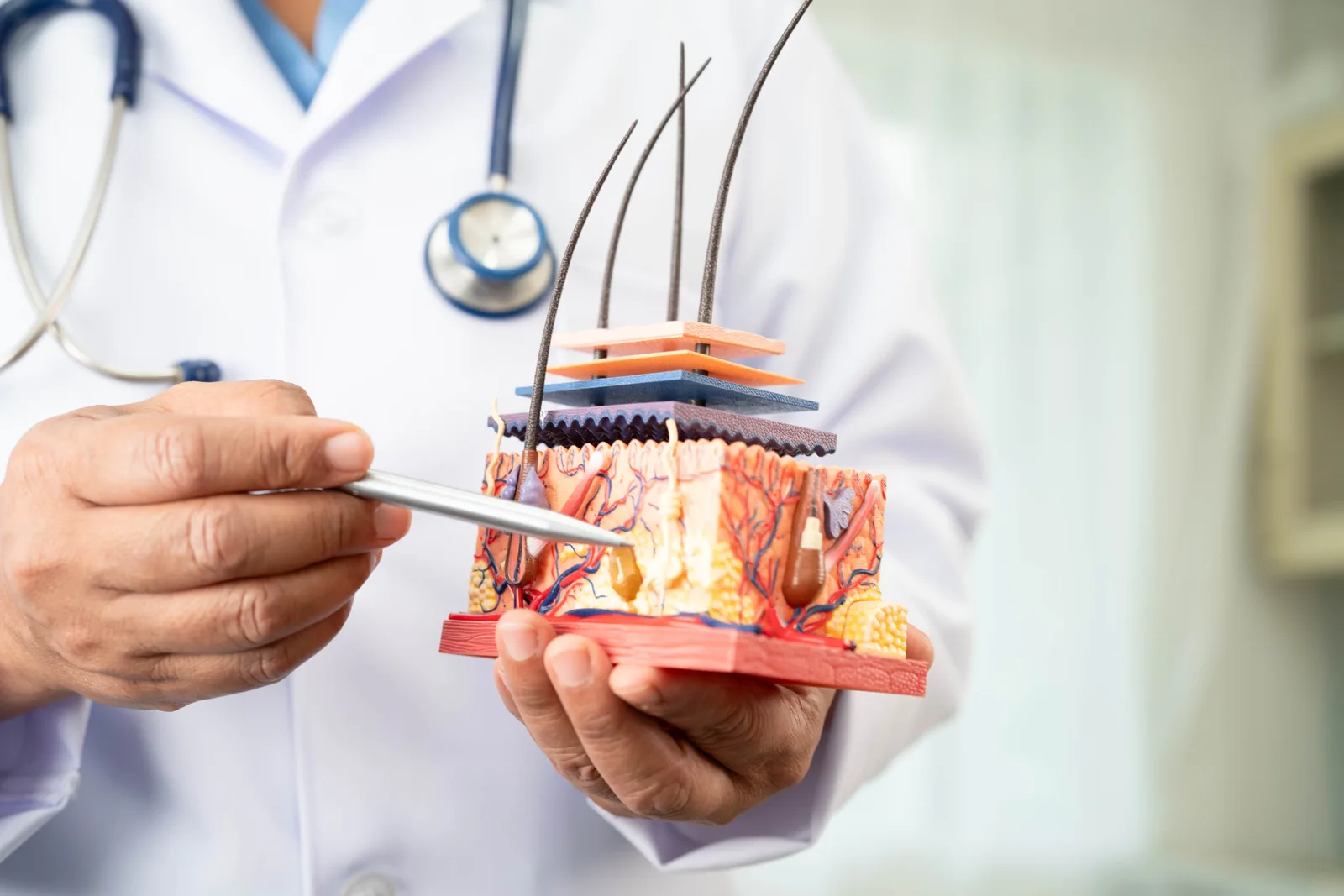
Hair loss can become both a physical and psychological concern for many people. Today, hair transplantation stands out as one of the most effective solutions for addressing this issue.
Learn More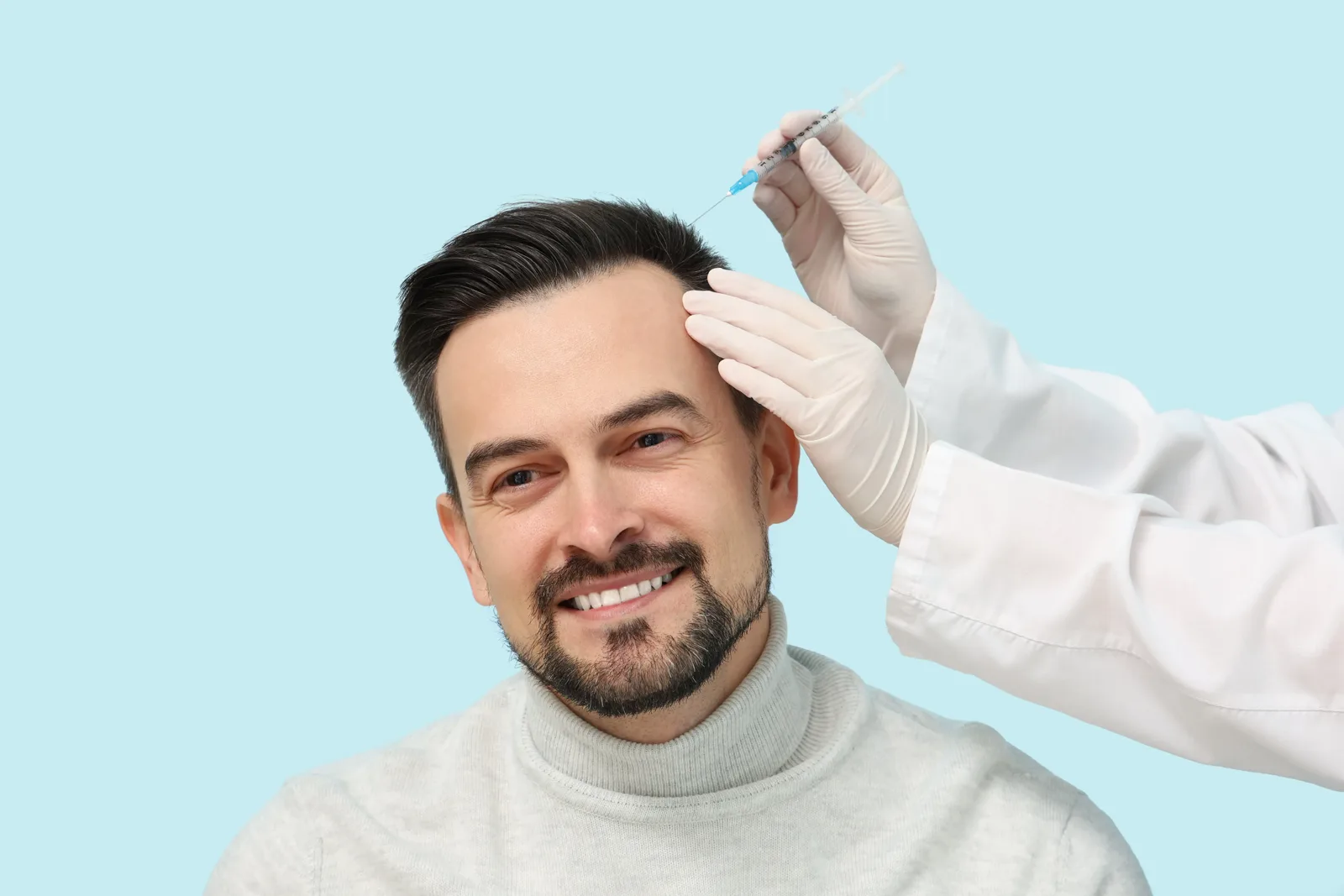
Hair loss can become both a physical and psychological challenge for many people. Today, hair transplantation stands out as one of the most effective solutions to this problem.
Learn MoreFill out the form for hair analysis, appointments, and consultation requests, or contact us directly.