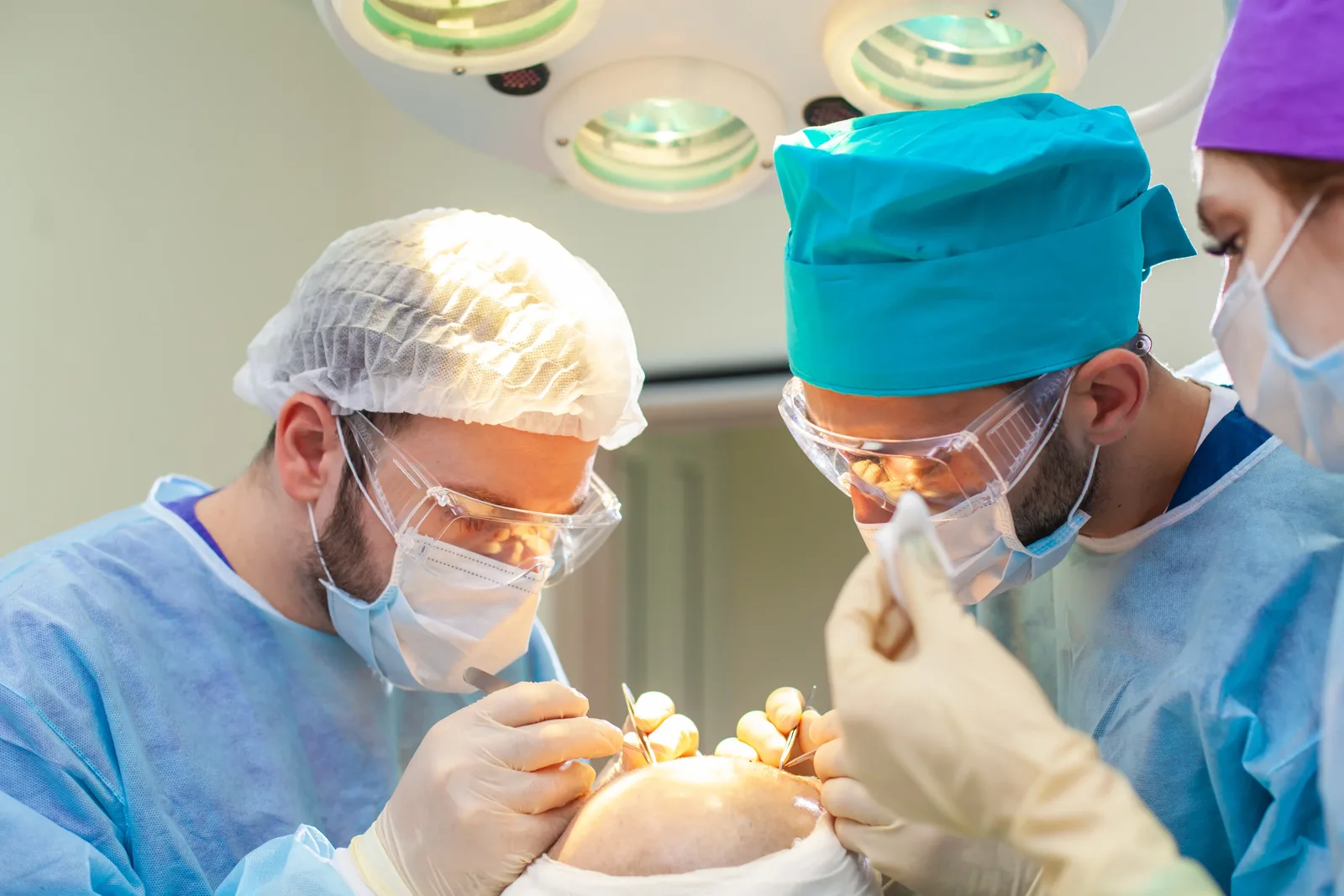
How does the hair transplant process in Turkey work? Discover a detailed guide about hair transplant in Istanbul, recovery, clinic selection, and the premium patient experience.
Learn More
When considering a hair transplant, understanding the concept of the donor area is essential. Located at the back and sides of the scalp, this region is the primary source of hair follicles used in transplant procedures. As a hair transplant specialist in Atasehir, Istanbul, I emphasize the importance of protecting the donor area to ensure the best possible outcomes for my patients.
The donor area is defined as the part of the scalp where hair follicles are harvested for transplantation. Typically, this area contains hair that is genetically resistant to balding, making it ideal for use in hair restoration. The most common methods for harvesting hair follicles include:
Each of these techniques has its advantages, but they all rely on the health and viability of the donor area to achieve successful results. The FUE method, for example, involves extracting individual hair follicles using a specialized tool, which minimizes scarring and allows for quicker recovery. DHI, on the other hand, combines extraction and implantation in one step, ensuring that the follicles are implanted immediately after extraction, which can enhance their survival rate.
Understanding the characteristics of the donor area is vital for both the patient and the surgeon. The quality of hair in this region can vary significantly among individuals, influenced by genetic factors, age, and overall health. A thorough assessment of the donor area during the initial consultation helps to determine the feasibility of the transplant and the expected outcomes.
Moreover, the donor area is not solely limited to the scalp. In some cases, hair follicles can be harvested from other body parts, such as the beard or chest, particularly for patients with limited scalp donor hair. This flexibility allows for more personalized treatment plans, catering to the unique needs of each patient.
The donor area is crucial for several reasons:
Additionally, the donor area plays a significant role in the overall aesthetic outcome of the procedure. A well-preserved donor area can enhance the natural look of the hairline and the overall fullness of the hair. Patients often desire a seamless blend between the transplanted hair and their existing hair, which is facilitated by a healthy donor area.
Furthermore, understanding the importance of the donor area can help patients set realistic expectations regarding their hair restoration journey. A knowledgeable specialist will provide insights into the potential limitations based on the condition of the donor area, allowing patients to make informed decisions about their treatment options.
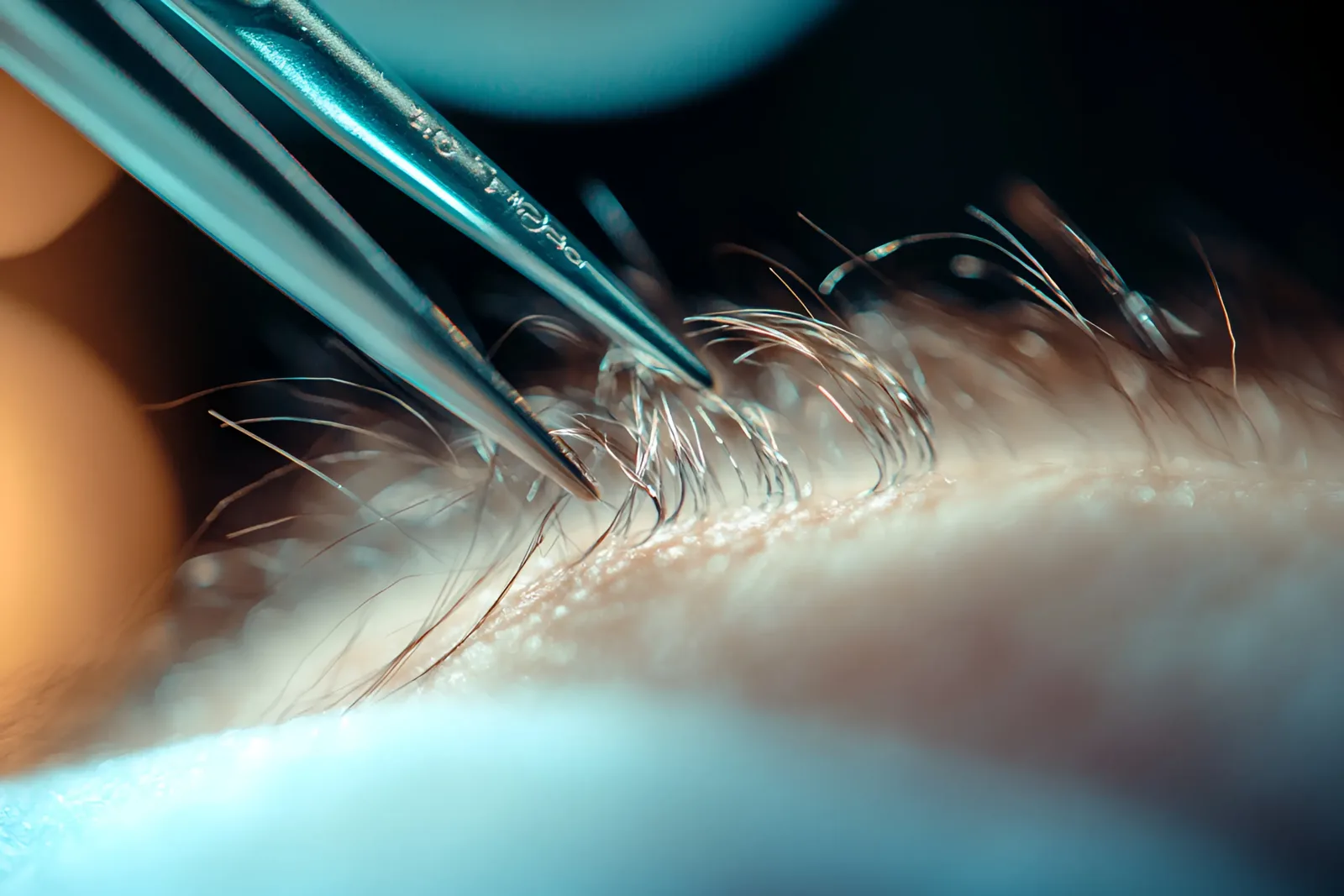
Protecting the donor area is essential for maintaining its health and ensuring the success of the hair transplant. Here are several strategies:
In addition to these strategies, patients should also be aware of their overall health and lifestyle choices, as these can impact the donor area's condition. Factors such as nutrition, hydration, and stress levels can influence healing and hair growth. A balanced diet rich in vitamins and minerals, particularly those known to promote hair health, can be beneficial.
Moreover, avoiding smoking and excessive alcohol consumption is crucial, as these habits can impair blood circulation and hinder the healing process. By adopting a holistic approach to care, patients can enhance the health of their donor area and improve the likelihood of successful hair transplant outcomes.
Many patients have concerns regarding the donor area, especially related to scarring and hair loss. Here are some common questions:
Scarring can vary depending on the technique used. FUE typically results in minimal scarring, while strip harvesting may leave a linear scar. A skilled hair transplant specialist can minimize scarring through careful technique. In FUE, the extraction of individual follicles creates tiny, dot-like scars that are often undetectable, especially with shorter haircuts. Conversely, strip harvesting involves removing a strip of scalp, which can leave a more noticeable scar, particularly if the patient has a tight scalp or if the incision is not closed properly.
Patients can also take proactive measures to minimize scarring. Following post-operative care instructions, avoiding sun exposure, and using silicone gel sheets or ointments can help improve the appearance of scars over time. Discussing scar management options with the specialist during the consultation can also provide patients with additional reassurance.
While hair loss in the donor area is rare, it can occur due to various factors, including genetics and health conditions. Maintaining the health of the donor area is crucial for preventing this issue. Patients with a family history of hair loss may be at a higher risk for experiencing thinning in the donor area over time. Additionally, conditions such as alopecia areata or other forms of hair loss can also impact the donor area's viability.
To mitigate the risk of hair loss in the donor area, patients should engage in preventive measures, such as maintaining a healthy lifestyle, managing stress levels, and considering medical treatments that promote hair health. Regular consultations with a specialist can help monitor the condition of the donor area and implement any necessary interventions early.
In summary, the donor area is a critical component of any hair transplant procedure. Understanding its importance and taking steps to protect it can significantly influence the success of the transplant and the overall satisfaction of the patient. If you are considering a hair transplant, I encourage you to learn more about our services and the techniques we offer at Adem Demiral Hair Clinic in Atasehir, Istanbul. Our team is dedicated to providing personalized care and ensuring the best possible outcomes for each patient.
Investing in a hair transplant is a significant decision, and understanding the role of the donor area can empower patients to take an active role in their hair restoration journey. By prioritizing the health of the donor area and following expert guidance, patients can achieve natural-looking results that enhance their confidence and quality of life.
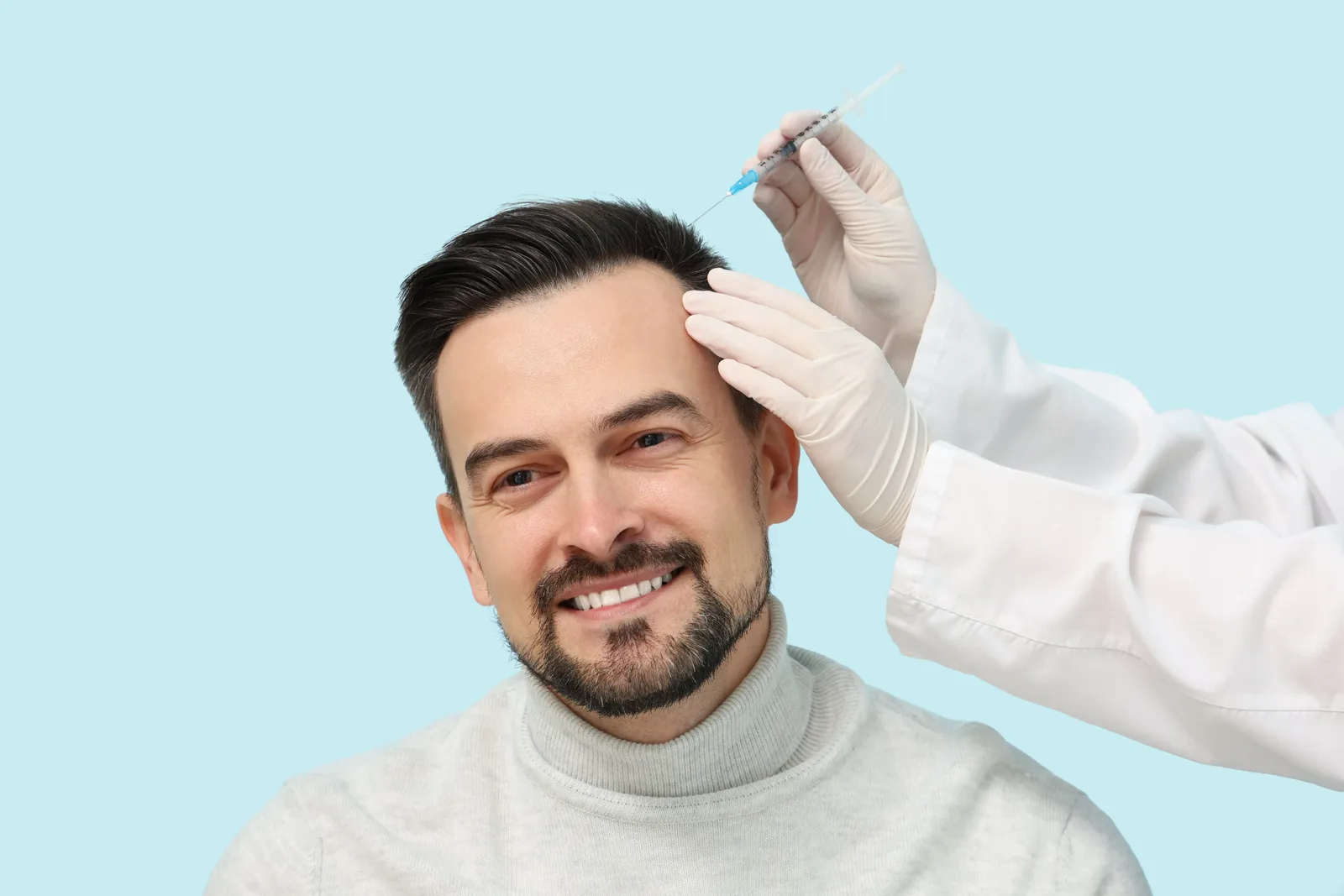
After surgery, it is important to follow your specialist's post-operative care instructions, keep the area clean, and avoid sun exposure. Additionally, maintaining a healthy diet and staying hydrated can support the healing process.
Healing time can vary, but most patients see significant healing within a few weeks. Full recovery may take several months. During this time, patients should monitor the area for any signs of infection or complications and communicate with their specialist if any concerns arise.
Yes, many patients can undergo additional hair transplants if the donor area is healthy and there are sufficient follicles available. A thorough evaluation of the donor area during follow-up appointments can help determine the appropriateness of a second procedure.
During your consultation, your hair transplant specialist will assess the donor area and discuss the best techniques for harvesting hair follicles based on your individual needs. This assessment will include evaluating the density and quality of hair in the donor area, as well as discussing your goals and expectations for the transplant.
While there is a risk of damage, skilled techniques and experienced specialists can minimize this risk significantly. Proper planning and execution of the harvesting technique are essential to preserving the integrity of the donor area.
This article is published by Adem Demiral Hair Clinic for general information. It is not a diagnosis, a treatment plan, or a personal graft estimate. Suitability requires an in-person assessment in Atasehir.
How does the hair transplant process in Turkey work? Discover a detailed guide about hair transplant in Istanbul, recovery, clinic selection, and the premium patient experience.
Learn More
How does the recovery process after a hair transplant progress? Discover the first wash, shock loss, hair growth timeline, and the 12-month transformation in detail.
Learn More
Discover the differences between DHI and Sapphire FUE hair transplantation. A detailed comparison in terms of density, natural appearance, recovery process, and unshaven hair transplantation.
Learn More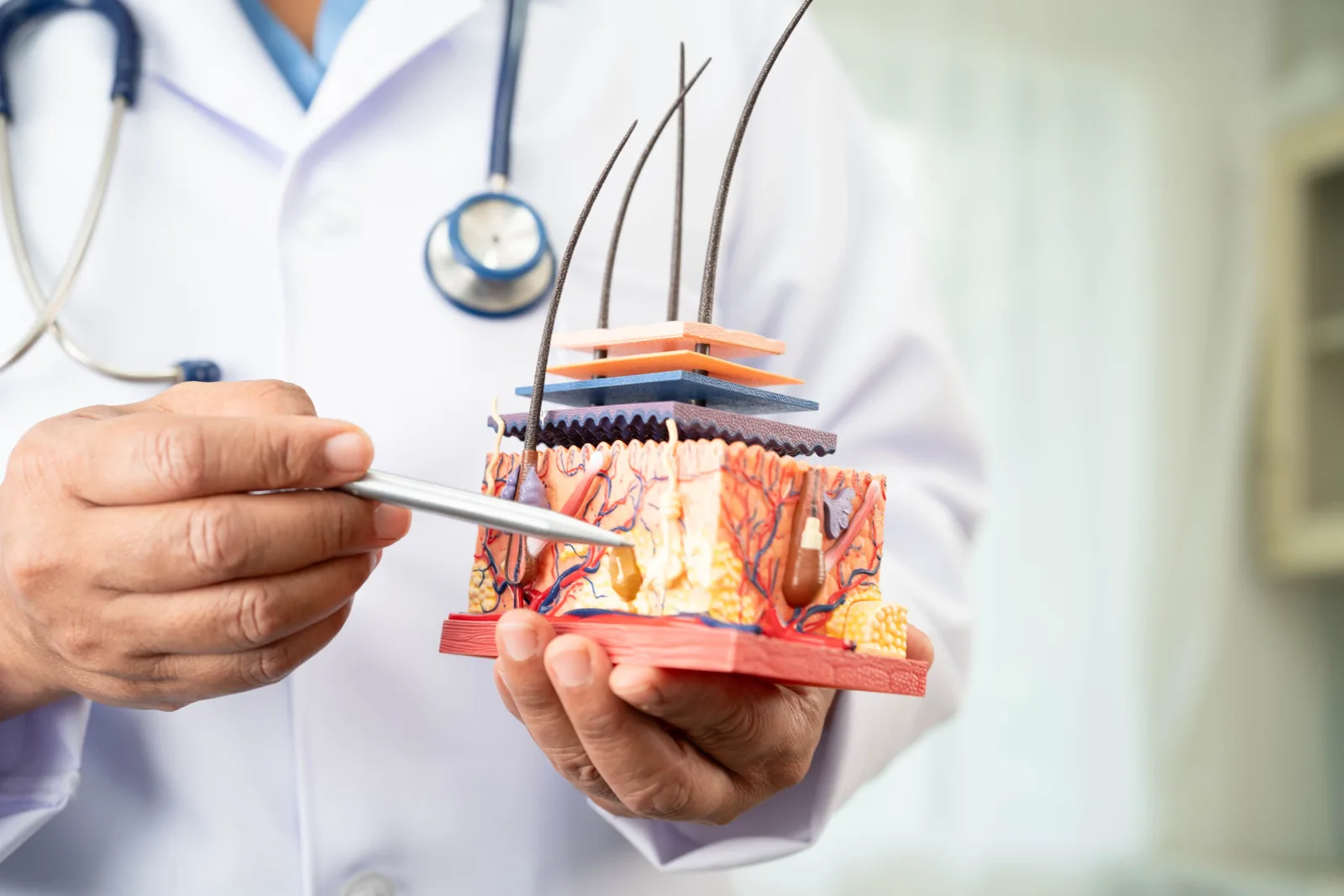
Hair loss can become both a physical and psychological concern for many people. Today, hair transplantation stands out as one of the most effective solutions for addressing this issue.
Learn More
Hair loss can become both a physical and psychological challenge for many people. Today, hair transplantation stands out as one of the most effective solutions to this problem.
Learn MoreFill out the form for hair analysis, appointments, and consultation requests, or contact us directly.