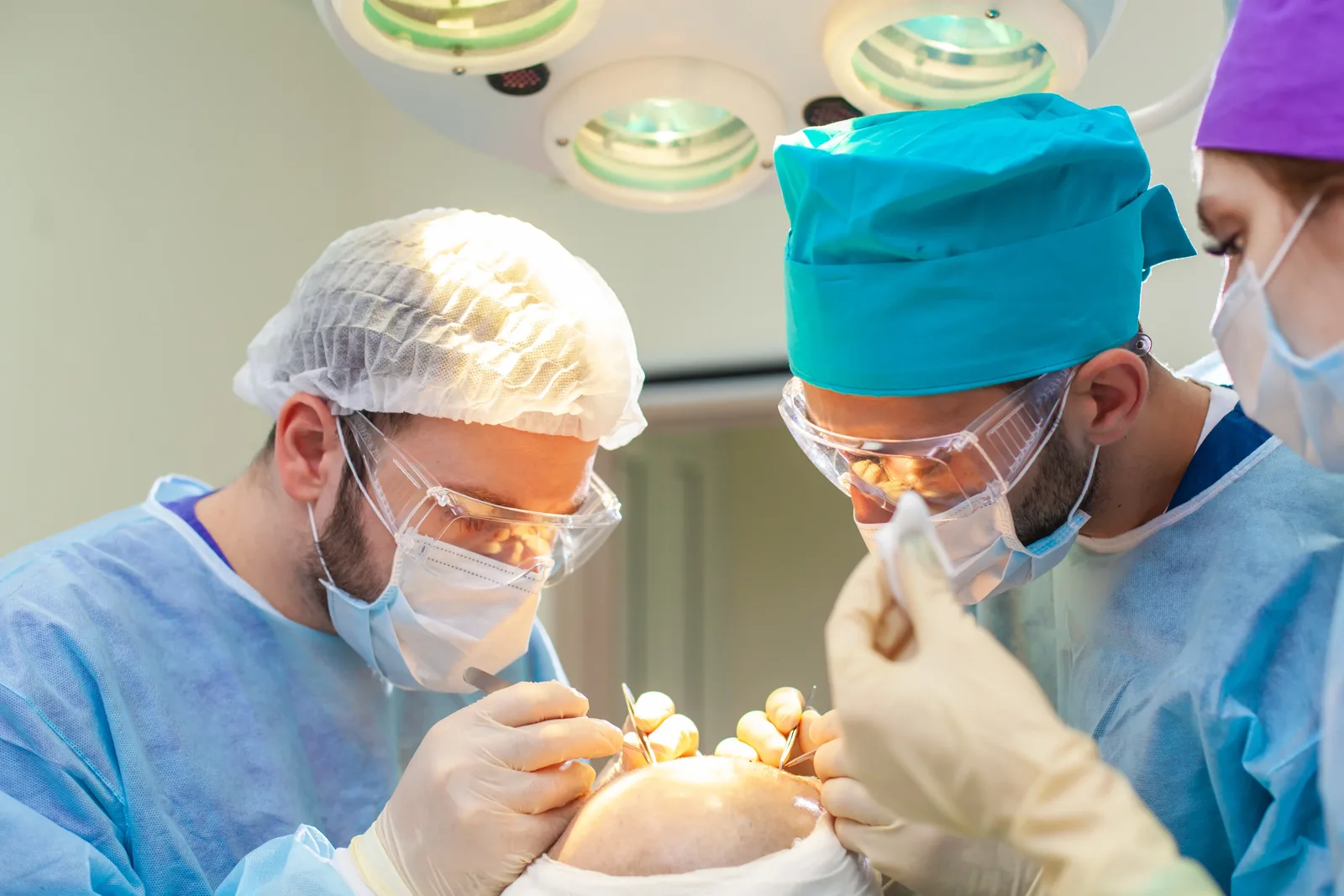
How does the hair transplant process in Turkey work? Discover a detailed guide about hair transplant in Istanbul, recovery, clinic selection, and the premium patient experience.
Learn More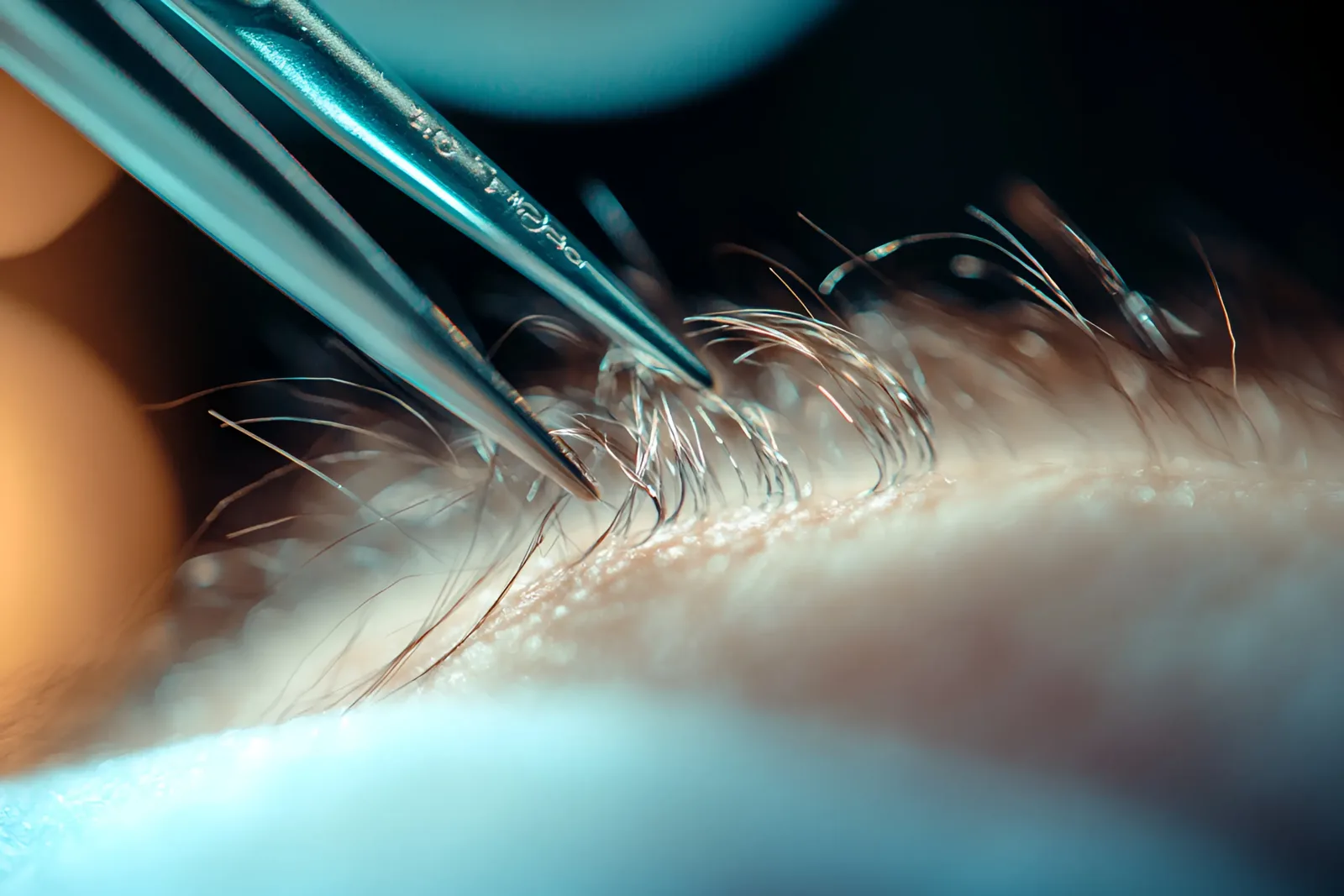
Adem Demiral is a hair transplant specialist located in Atasehir, Istanbul, who focuses on post-operative care and patient comfort. Understanding the differences between common and urgent discomfort after hair transplant surgery is crucial for ensuring a smooth recovery process.
After undergoing a hair transplant procedure, patients may experience varying levels of discomfort. This discomfort can range from mild and manageable to more severe and concerning. Recognizing these differences can help patients respond appropriately and seek assistance when necessary. The emotional and psychological aspects of undergoing a hair transplant can also contribute to the overall experience of discomfort. Patients often have high expectations for the results, and any unexpected discomfort can lead to anxiety about the outcome.
It is essential for patients to communicate openly with their healthcare providers about their pain levels and any discomfort they are experiencing. This communication can help providers adjust pain management strategies and ensure that patients feel supported throughout their recovery. Furthermore, understanding the healing process can alleviate some of the worries that patients may have, allowing them to focus on their recovery rather than potential complications.
In addition to physical discomfort, patients may also experience emotional discomfort related to their appearance during the healing process. Social interactions can be challenging, and some patients may feel self-conscious about their appearance immediately after surgery. Recognizing that these feelings are normal and temporary can help patients cope better with the emotional aspects of recovery.
Common discomforts are typically mild and manageable. They often include:
These common discomforts typically resolve within a few days to a week and can often be managed with over-the-counter pain relief and proper post-operative care. It is important for patients to follow the specific aftercare instructions provided by their hair transplant surgeon to ensure optimal healing and comfort.
In addition to these common discomforts, patients should also be aware of the importance of keeping the scalp clean and avoiding any activities that could lead to irritation or infection. By adhering to the post-operative care guidelines, patients can significantly reduce their discomfort and promote a smoother recovery process.

While most discomforts are manageable, some symptoms may indicate a more serious issue. Patients should be vigilant for:
If any of these urgent discomforts occur, it is essential to contact Adem Demiral Hair Clinic in Atasehir, Istanbul, immediately for further evaluation. Early intervention can prevent complications and ensure a better outcome for the patient.
Patients should also be aware that some discomforts may be more pronounced depending on individual factors such as skin type, healing capacity, and the extent of the procedure performed. Therefore, it is crucial to maintain open lines of communication with the clinic, as they can provide personalized guidance based on each patient's unique situation.
To minimize discomfort after surgery, patients can follow these care tips:
Adem Demiral emphasizes the importance of adhering to these guidelines to enhance recovery and minimize discomfort. Additionally, patients should consider scheduling follow-up appointments to monitor their healing progress and address any concerns that may arise.
Furthermore, patients should engage in gentle activities that do not strain the scalp or body during the recovery period. Light walking and stretching can promote circulation and overall well-being without putting undue stress on the healing areas. However, strenuous activities and heavy lifting should be avoided for a few weeks post-surgery.
Patients should feel empowered to reach out to the clinic if they have any concerns regarding their recovery. It is always better to err on the side of caution, especially when it comes to potential complications. The team at Adem Demiral Hair Clinic is available to address any questions or issues that may arise during the recovery process. Patients should not hesitate to contact the clinic if they experience any discomfort that is outside the norm or if they have any worries about their healing progress.
Moreover, establishing a support system during the recovery period can greatly benefit patients. Family members and friends can provide emotional support, assist with daily tasks, and help monitor recovery progress. Having someone to lean on can alleviate anxiety and make the recovery process more manageable.
Patients should also consider keeping a journal to document their recovery journey. This can include noting pain levels, any discomfort experienced, and how they managed it. Such documentation can be helpful during follow-up appointments, as it allows the healthcare provider to assess recovery and make any necessary adjustments to the care plan.

Understanding the difference between common and urgent discomfort after hair transplant surgery is vital for a successful recovery. By being aware of the symptoms and following post-operative care instructions, patients can ensure a smoother healing process. For more information on our services, visit our services page or contact us through our contact page. The team at Adem Demiral Hair Clinic is dedicated to providing comprehensive support throughout the hair transplant journey, ensuring that patients feel safe, informed, and cared for during their recovery.
Normal discomfort includes minor pain, swelling, and itching, which usually resolve within a few days. Patients may also experience some redness and dryness, which are typical parts of the healing process.
Common discomfort can be managed with over-the-counter pain relief and following post-operative care instructions. It is essential to stay in communication with the clinic if discomfort persists or worsens.
You should contact the clinic if you experience severe pain, excessive swelling, or any signs of infection. Prompt communication can help prevent complications and ensure a smoother recovery.
Signs of serious complications include severe pain, fever, continuous bleeding, and unusual discharge from the surgical sites. Patients should be vigilant and proactive in monitoring their recovery.
Yes, redness is common and typically subsides within a few days post-surgery. This redness is a natural response to the surgical procedure and indicates that the healing process is underway.
Most common discomforts resolve within a few days to a week, depending on individual healing processes. Each patient's recovery timeline may vary based on several factors, including the extent of the procedure and adherence to post-operative care.
This article is published by Adem Demiral Hair Clinic for general information. It is not a diagnosis, a treatment plan, or a personal graft estimate. Suitability requires an in-person assessment in Atasehir.
How does the hair transplant process in Turkey work? Discover a detailed guide about hair transplant in Istanbul, recovery, clinic selection, and the premium patient experience.
Learn More
How does the recovery process after a hair transplant progress? Discover the first wash, shock loss, hair growth timeline, and the 12-month transformation in detail.
Learn More
Discover the differences between DHI and Sapphire FUE hair transplantation. A detailed comparison in terms of density, natural appearance, recovery process, and unshaven hair transplantation.
Learn More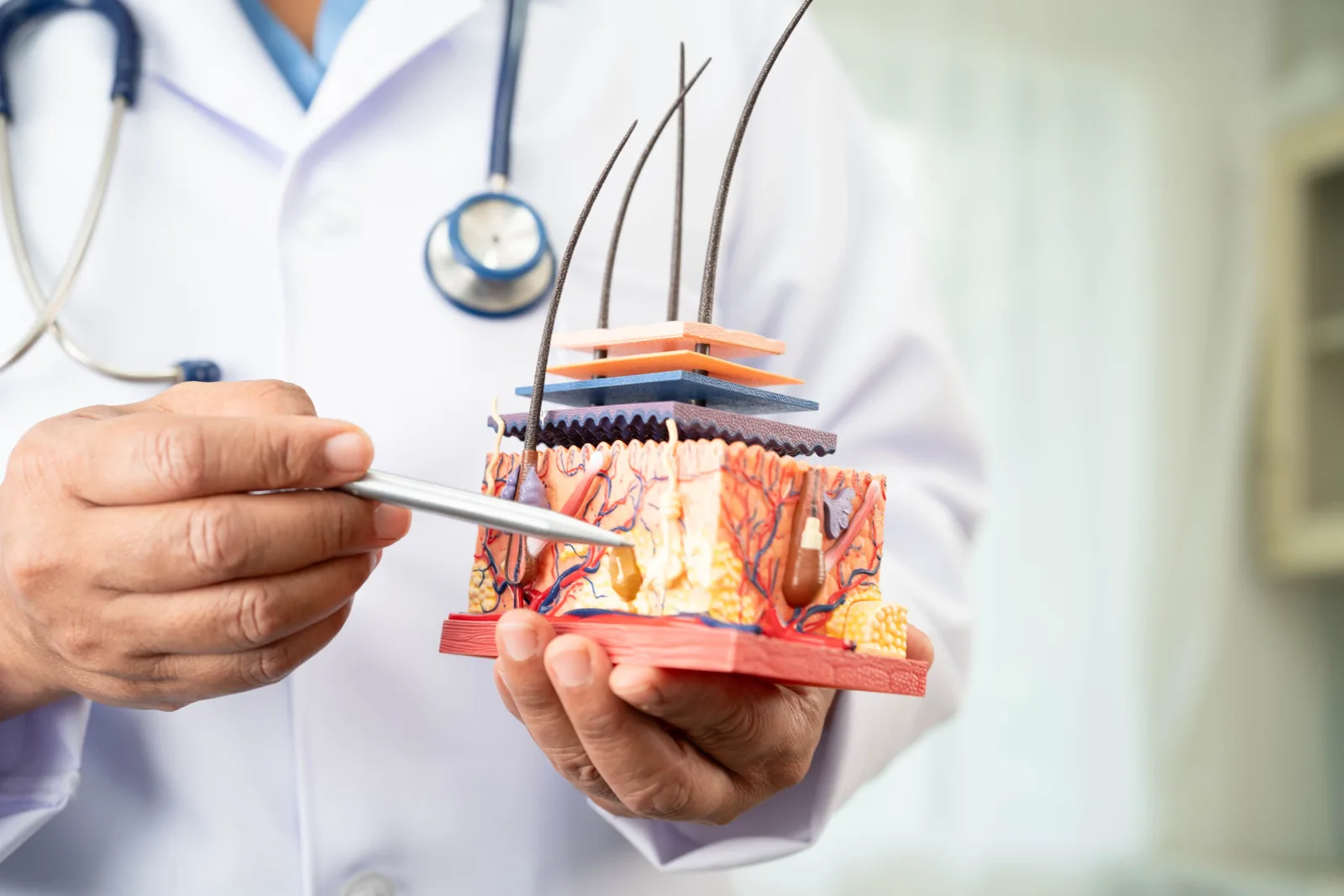
Hair loss can become both a physical and psychological concern for many people. Today, hair transplantation stands out as one of the most effective solutions for addressing this issue.
Learn More
Hair loss can become both a physical and psychological challenge for many people. Today, hair transplantation stands out as one of the most effective solutions to this problem.
Learn MoreFill out the form for hair analysis, appointments, and consultation requests, or contact us directly.