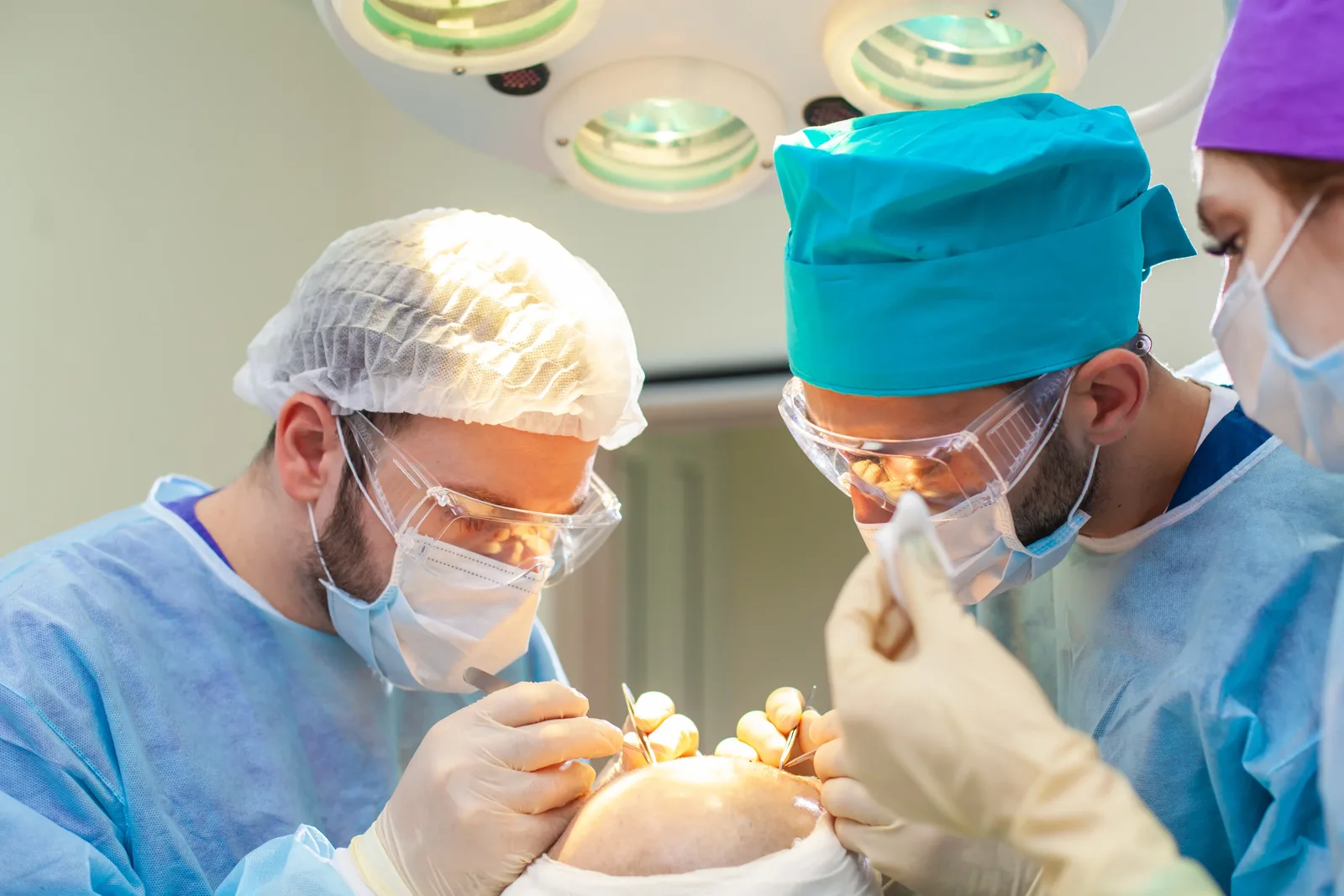
How does the hair transplant process in Turkey work? Discover a detailed guide about hair transplant in Istanbul, recovery, clinic selection, and the premium patient experience.
Learn More
The DHI pen technique, developed to enhance the precision of hair transplantation, is a method that allows for the direct implantation of hair follicles into the scalp. This technique, utilized by Adem Demiral, a hair transplant specialist based in Atasehir, Istanbul, emphasizes the importance of placement angle in achieving natural-looking results.
The DHI (Direct Hair Implantation) pen technique is a minimally invasive method that allows for the extraction and implantation of hair follicles without the need for prior channel creation. This results in a more efficient procedure with reduced trauma to the scalp. The DHI pen enables the surgeon to control the depth, direction, and angle of each hair follicle, which is crucial for achieving a natural appearance. Unlike traditional methods, where channels are created first and then follicles are placed, the DHI technique allows for simultaneous extraction and implantation, which can significantly enhance the overall procedure's efficiency.
One of the standout features of the DHI pen is its design, which resembles a pen-like instrument equipped with a hollow needle. This design allows the surgeon to extract hair follicles from the donor area and implant them directly into the recipient area without the need for additional tools or incisions. Additionally, the DHI pen's precise mechanism minimizes the risk of damaging the hair follicles during the implantation process, which is a common concern in traditional hair transplant methods.
Moreover, the DHI technique is particularly beneficial for patients with limited donor hair or those who require a more refined approach to achieve a natural look. By allowing for greater control over the implantation process, the DHI pen technique can accommodate various hair types and textures, making it a versatile option for many patients seeking hair restoration.
Placement angle refers to the angle at which hair follicles are inserted into the scalp. This angle plays a vital role in how natural the final result will appear. A well-placed hair follicle mimics the natural growth pattern of hair, which is essential for creating a seamless look. Adem Demiral emphasizes that understanding the natural hair growth angle is key to successful hair transplantation. Each individual's hair grows at a specific angle, influenced by factors such as the hair's natural direction, the curvature of the scalp, and the overall hairstyle preference. Therefore, achieving the correct placement angle is paramount in ensuring that the transplanted hair blends seamlessly with existing hair.
Furthermore, the placement angle also affects how light interacts with the hair, which can impact the perceived density and overall aesthetic of the hair restoration. When hair follicles are placed at the appropriate angle, they not only look more natural but also enhance the illusion of volume, making the hair appear fuller. This is particularly important for patients with thinning hair or those who have experienced significant hair loss, as the right angle can significantly improve the overall appearance of their hair.
In addition to aesthetic considerations, the placement angle can also influence the long-term viability of the transplanted hair follicles. Follicles placed at an incorrect angle may be more prone to damage or stress, which can lead to poor growth or even loss of the transplanted hair. This underscores the importance of a skilled practitioner like Adem Demiral, who can assess each patient's unique hair characteristics and ensure that the placement angle is optimized for the best possible outcomes.
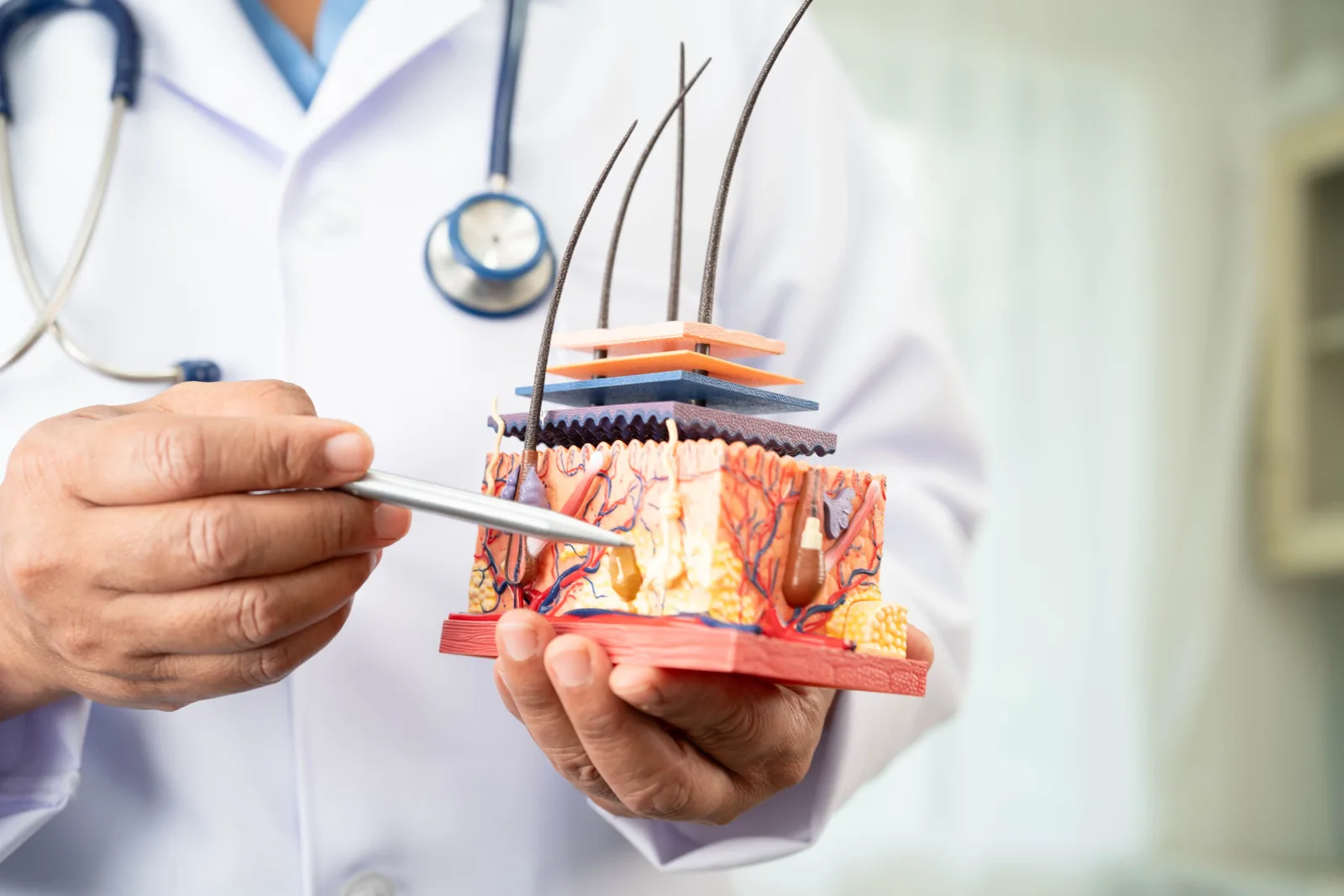
Natural hair growth patterns are often influenced by genetics, ethnicity, and even age. For example, individuals of different ethnic backgrounds may have distinct hair growth angles and patterns, which must be taken into account during the DHI procedure. By analyzing these patterns, Adem Demiral can create a customized treatment plan that respects the patient's unique hair characteristics and desired outcomes.
Hair type also plays a significant role in determining the optimal placement angle. Curly hair, for instance, may require a different approach compared to straight hair, as the way hair grows and falls can alter the perceived angle and density. Thicker hair may need a more acute angle to avoid appearing overly bulky, while finer hair might benefit from a more relaxed angle to create the illusion of fullness. This nuanced understanding of hair types allows for a more tailored approach to each patient's hair restoration journey.
Additionally, the condition of the scalp itself can impact the feasibility of certain angles. Scarring, inflammation, or other scalp conditions may limit the angles at which follicles can be placed effectively. A thorough scalp assessment is crucial to identify any potential issues that could affect the success of the transplantation. Adem Demiral's expertise in evaluating scalp conditions ensures that any potential challenges are addressed prior to the procedure, allowing for the best possible placement outcomes.
Utilizing the DHI pen technique offers several advantages:
In addition to these benefits, the DHI pen technique also allows for greater flexibility in terms of the number of grafts that can be implanted in a single session. Because the technique is less invasive, surgeons can often implant a higher number of follicles without compromising the quality of the procedure. This is particularly advantageous for patients with extensive hair loss, as it can significantly reduce the number of sessions required to achieve their desired results.
Moreover, the DHI pen technique is suitable for a wide range of patients, including those with limited donor hair or those seeking to fill in specific areas of thinning hair. The versatility of the technique allows for targeted treatments that can address individual concerns, making it a popular choice among patients of varying hair types and loss patterns.
Another significant advantage of the DHI pen technique is the reduced risk of transection, which refers to the damage or severing of hair follicles during the extraction and implantation process. The precision of the DHI pen minimizes the chances of transection, ensuring that a higher percentage of transplanted follicles survive and thrive post-procedure. This contributes to improved overall hair density and a more satisfying outcome for patients.
At his clinic in Atasehir, Istanbul, Adem Demiral employs a meticulous approach to the DHI pen technique. He conducts thorough pre-evaluations to understand each patient’s unique hair characteristics and desired outcomes. This personalized approach ensures that the placement angle is optimized for each individual. During the initial consultation, Adem takes the time to discuss the patient's medical history, hair loss patterns, and aesthetic goals. This comprehensive assessment allows him to tailor the treatment plan to each patient's specific needs.
Additionally, Adem Demiral utilizes advanced imaging technology to analyze the patient's scalp and hair follicles. This technology provides valuable insights into the health of the hair and scalp, enabling Adem to make informed decisions about the optimal placement angle and technique. By leveraging these tools, he can enhance the precision of the DHI pen technique and ensure that the results meet the patient's expectations.
Throughout the procedure, Adem emphasizes patient comfort and safety. He employs local anesthesia to minimize any discomfort during the extraction and implantation processes, allowing patients to remain relaxed and at ease. Furthermore, he closely monitors the patient's vital signs and overall well-being throughout the procedure, ensuring a safe and effective experience. This commitment to patient care is a hallmark of Adem Demiral's practice and contributes to the high satisfaction rates among his patients.
After undergoing the DHI pen technique, patients receive comprehensive care and support. Adem Demiral offers PRP (Platelet-Rich Plasma) and stem-cell supported care to enhance healing and encourage hair growth. This post-procedure care is crucial for achieving the best possible results. PRP therapy involves drawing a small amount of the patient's blood, processing it to concentrate the platelets, and then injecting it back into the scalp. This process stimulates hair follicles and promotes healing, enhancing the overall effectiveness of the hair transplant.
In addition to PRP therapy, Adem provides detailed post-operative instructions to ensure optimal recovery. Patients are advised on how to care for their scalp, including recommendations for washing, avoiding sun exposure, and managing any discomfort. This guidance is essential for minimizing the risk of complications and ensuring that the transplanted follicles have the best chance of thriving.
Moreover, Adem Demiral encourages regular follow-up appointments to monitor the progress of hair growth and address any concerns that may arise during the recovery process. These follow-ups allow for adjustments to the treatment plan if necessary and provide patients with ongoing support as they transition into the next phase of their hair restoration journey. The combination of advanced techniques, personalized care, and comprehensive post-operative support sets Adem Demiral apart as a leader in the field of hair transplantation.
The DHI pen technique represents a significant advancement in hair transplantation, particularly due to its focus on placement angle. As a hair transplant specialist in Atasehir, Istanbul, Adem Demiral is dedicated to providing personalized care that prioritizes natural-looking results. The combination of meticulous pre-evaluations, advanced technology, and comprehensive post-procedure support ensures that patients receive the highest standard of care throughout their hair restoration journey. For more information about the DHI technique and other services offered, visit our services page.
The DHI pen technique is a hair transplantation method that allows for direct implantation of hair follicles without channel creation, enhancing precision and reducing scalp trauma.
Placement angle is crucial for mimicking natural hair growth patterns, which contributes to achieving a seamless and natural appearance in hair transplants.
Adem Demiral conducts thorough pre-evaluations to understand each patient’s hair characteristics and desired outcomes, ensuring the placement angle is tailored to individual needs.
Benefits include minimized scarring, faster recovery, enhanced precision, and less trauma to the scalp compared to traditional hair transplant methods.
Post-procedure care includes PRP and stem-cell supported treatments to enhance healing and promote hair growth, ensuring optimal results after the DHI procedure.
Adem Demiral’s clinic is located in Atasehir, Istanbul, providing specialized hair transplant services to patients.
This article is published by Adem Demiral Hair Clinic for general information. It is not a diagnosis, a treatment plan, or a personal graft estimate. Suitability requires an in-person assessment in Atasehir.
How does the hair transplant process in Turkey work? Discover a detailed guide about hair transplant in Istanbul, recovery, clinic selection, and the premium patient experience.
Learn More
How does the recovery process after a hair transplant progress? Discover the first wash, shock loss, hair growth timeline, and the 12-month transformation in detail.
Learn More
Discover the differences between DHI and Sapphire FUE hair transplantation. A detailed comparison in terms of density, natural appearance, recovery process, and unshaven hair transplantation.
Learn More
Hair loss can become both a physical and psychological concern for many people. Today, hair transplantation stands out as one of the most effective solutions for addressing this issue.
Learn More
Hair loss can become both a physical and psychological challenge for many people. Today, hair transplantation stands out as one of the most effective solutions to this problem.
Learn MoreFill out the form for hair analysis, appointments, and consultation requests, or contact us directly.