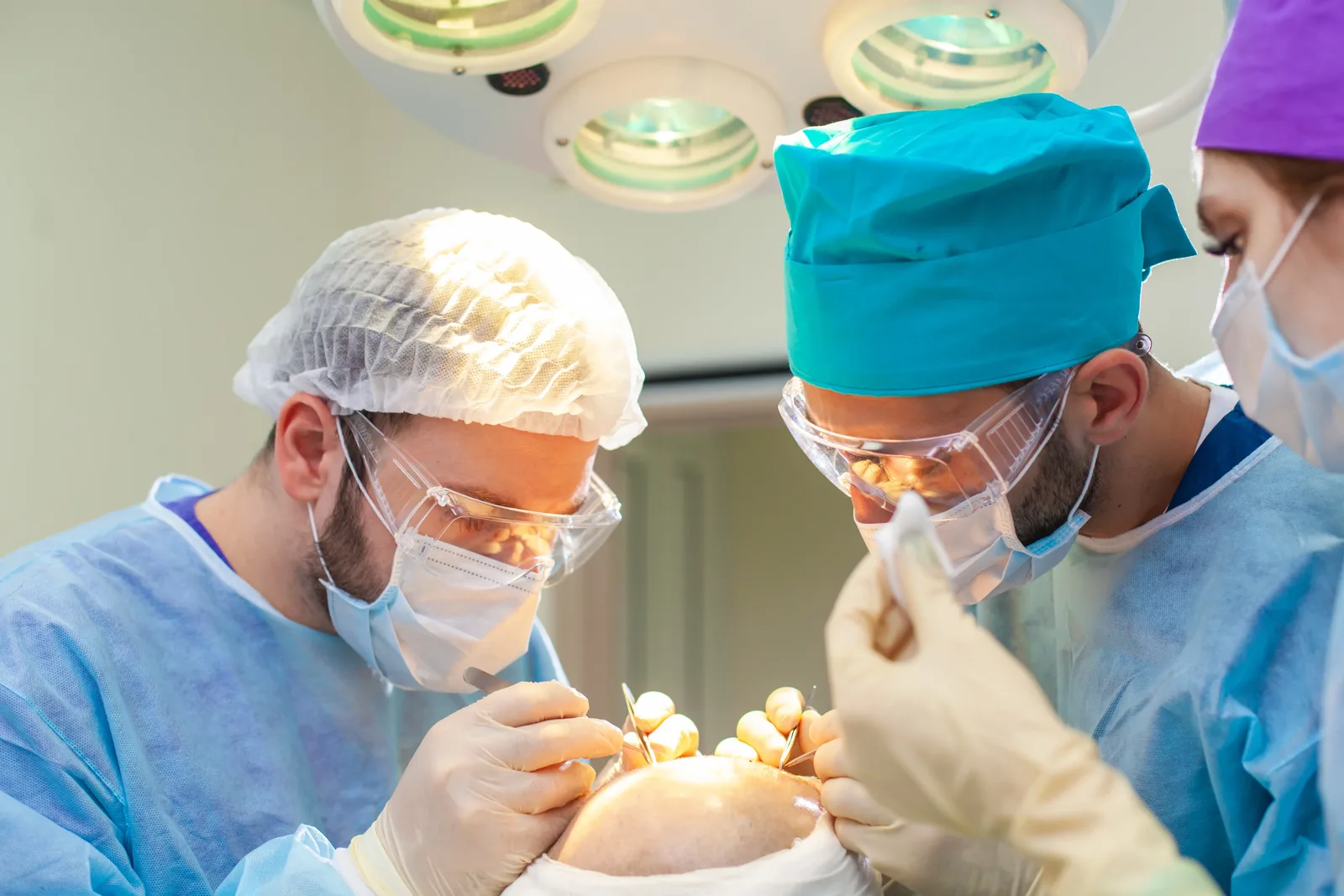
How does the hair transplant process in Turkey work? Discover a detailed guide about hair transplant in Istanbul, recovery, clinic selection, and the premium patient experience.
Learn More
Dandruff and seborrheic dermatitis are common scalp conditions that can significantly affect individuals' hair health and the outcomes of hair transplant procedures. At Adem Demiral Hair Clinic, a hair transplant specialist based in Atasehir, Istanbul, we emphasize the importance of understanding these conditions in the context of hair transplant planning.
Dandruff is characterized by the presence of flakes on the scalp and can be accompanied by itching and irritation. It is often caused by a variety of factors, including dry skin, sensitivity to hair products, and fungal infections. While dandruff itself is not a serious medical condition, it can lead to discomfort and self-esteem issues.
There are several types of dandruff, each with its own underlying causes. For instance, dry dandruff is often linked to environmental factors such as low humidity or excessive heat, which can strip moisture from the scalp. On the other hand, oily dandruff may be associated with seborrheic dermatitis, where an overproduction of oil leads to the formation of greasy flakes. Understanding the specific type of dandruff is crucial for effective treatment, as it allows for targeted interventions that can alleviate symptoms and improve scalp health.
In addition to the physical symptoms, dandruff can have psychological effects. Many individuals experience embarrassment or self-consciousness due to visible flakes, which can affect social interactions and overall quality of life. As such, addressing dandruff not only has health implications but also plays a role in enhancing self-esteem and confidence. Treatment options range from over-the-counter shampoos containing active ingredients like salicylic acid, zinc pyrithione, or ketoconazole, to lifestyle changes that promote scalp health.
Seborrheic dermatitis is a more severe form of scalp condition that results in red, inflamed skin and greasy, yellowish flakes. This condition can affect not only the scalp but also other oily areas of the body, such as the face and chest. It is believed to be related to an overproduction of oil and a reaction to a type of yeast that is naturally found on the skin.
This condition can occur in various stages, with symptoms ranging from mild irritation to severe inflammation. In addition to the visible symptoms, seborrheic dermatitis can cause significant discomfort, including itching and burning sensations. Factors such as stress, hormonal changes, and certain medical conditions can exacerbate the symptoms, making it essential to adopt a comprehensive approach to management. Treatment often involves medicated shampoos, topical corticosteroids, and lifestyle modifications aimed at reducing triggers.
Moreover, seborrheic dermatitis can sometimes be mistaken for other skin conditions, such as psoriasis or eczema, which can complicate diagnosis and treatment. Therefore, it is crucial for individuals experiencing symptoms to consult with a dermatologist or hair specialist to obtain an accurate diagnosis and appropriate treatment plan. Early intervention can prevent the condition from worsening and help maintain healthy hair growth.
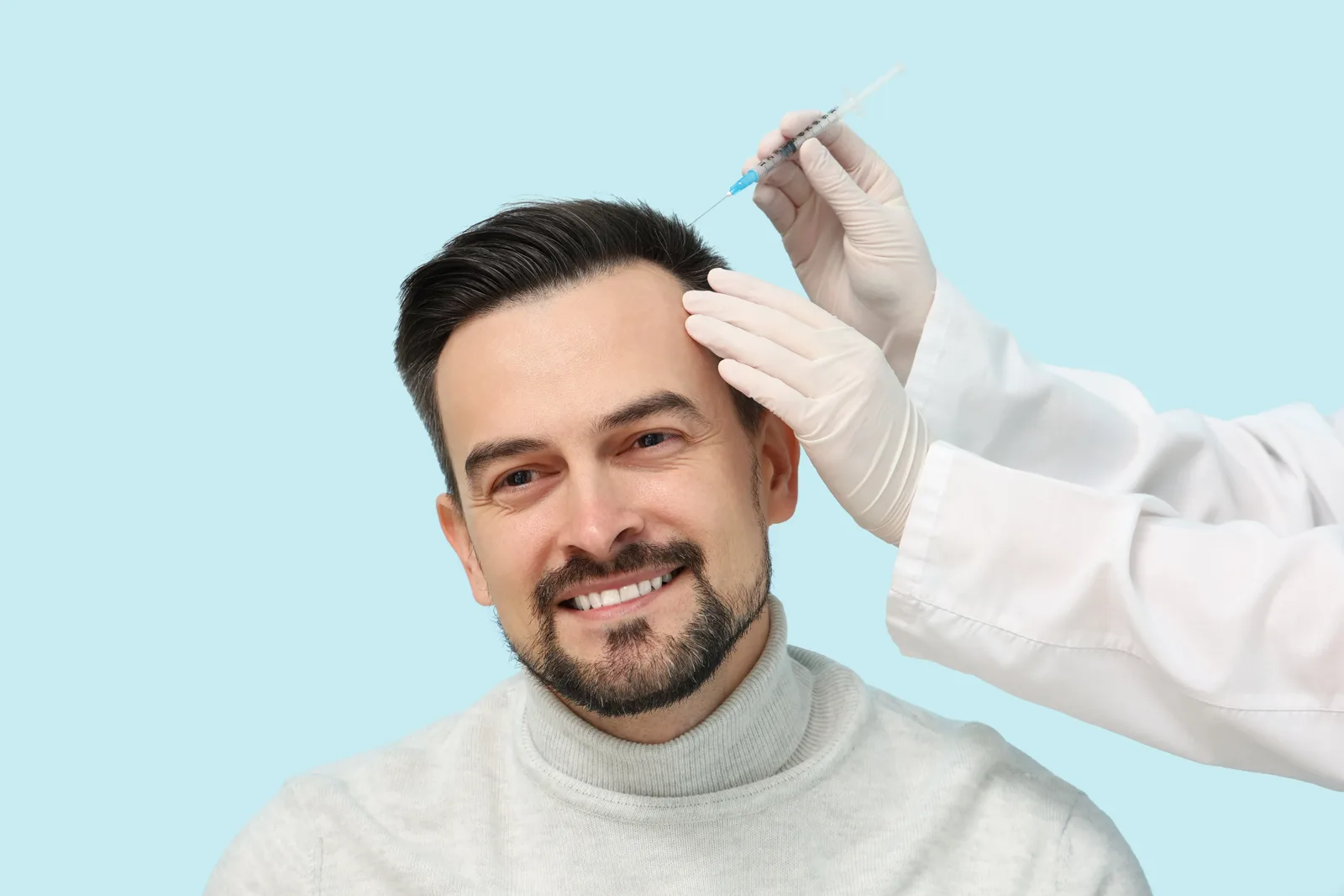
Both dandruff and seborrheic dermatitis can lead to hair thinning and loss if not addressed properly. The inflammation caused by seborrheic dermatitis can damage hair follicles, potentially impacting the success of hair transplant procedures. Therefore, it is essential to manage these conditions prior to considering a hair transplant.
Chronic inflammation in the scalp can disrupt the hair growth cycle, leading to telogen effluvium, where hair follicles prematurely enter the resting phase, resulting in increased shedding. Furthermore, the presence of flakes and irritation can create an unhealthy environment for hair follicles, making it difficult for transplanted hair to establish itself and thrive post-surgery. This underscores the importance of addressing any underlying scalp conditions before undergoing a hair transplant.
Additionally, the psychological impact of dandruff and seborrheic dermatitis can also affect hair health. Individuals who are self-conscious about their scalp conditions may avoid seeking treatment or may not adhere to post-transplant care instructions, which can compromise the success of the procedure. Comprehensive education about the relationship between scalp health and hair restoration is vital for patients considering a hair transplant, as it empowers them to take proactive steps in managing their conditions.
At Adem Demiral Hair Clinic, we offer a comprehensive pre-evaluation process to assess scalp health and identify any underlying conditions such as dandruff or seborrheic dermatitis. This evaluation is crucial for creating a tailored hair transplant plan that addresses the specific needs of each patient. Understanding the scalp's condition allows us to determine the best techniques and treatments to ensure optimal results.
The pre-evaluation process involves a thorough examination of the scalp, including a detailed medical history and assessment of any previous treatments. This information helps us identify the severity of the condition and any potential complications that may arise during the hair transplant procedure. We may also recommend diagnostic tests, such as scalp biopsies or fungal cultures, to rule out other conditions that could affect hair growth.
Moreover, our team educates patients about the importance of scalp care leading up to the transplant. This may include recommendations for specific shampoos or topical treatments to reduce inflammation and flaking. By taking a proactive approach to scalp health, we aim to optimize the conditions for hair transplant success and enhance the overall patient experience.
There are several hair transplant techniques that can be considered for patients with dandruff or seborrheic dermatitis:
Each of these techniques has its advantages, and the choice depends on individual patient factors, including the severity of scalp conditions, hair density, and personal preferences. Our team at Adem Demiral Hair Clinic is dedicated to providing personalized recommendations based on a thorough assessment of each patient's unique situation.
Furthermore, we continuously stay updated on advancements in hair transplant technology and techniques, ensuring that our patients receive the most effective and innovative treatments available. Our commitment to excellence in hair restoration means that we prioritize both the aesthetic and health aspects of the scalp and hair.
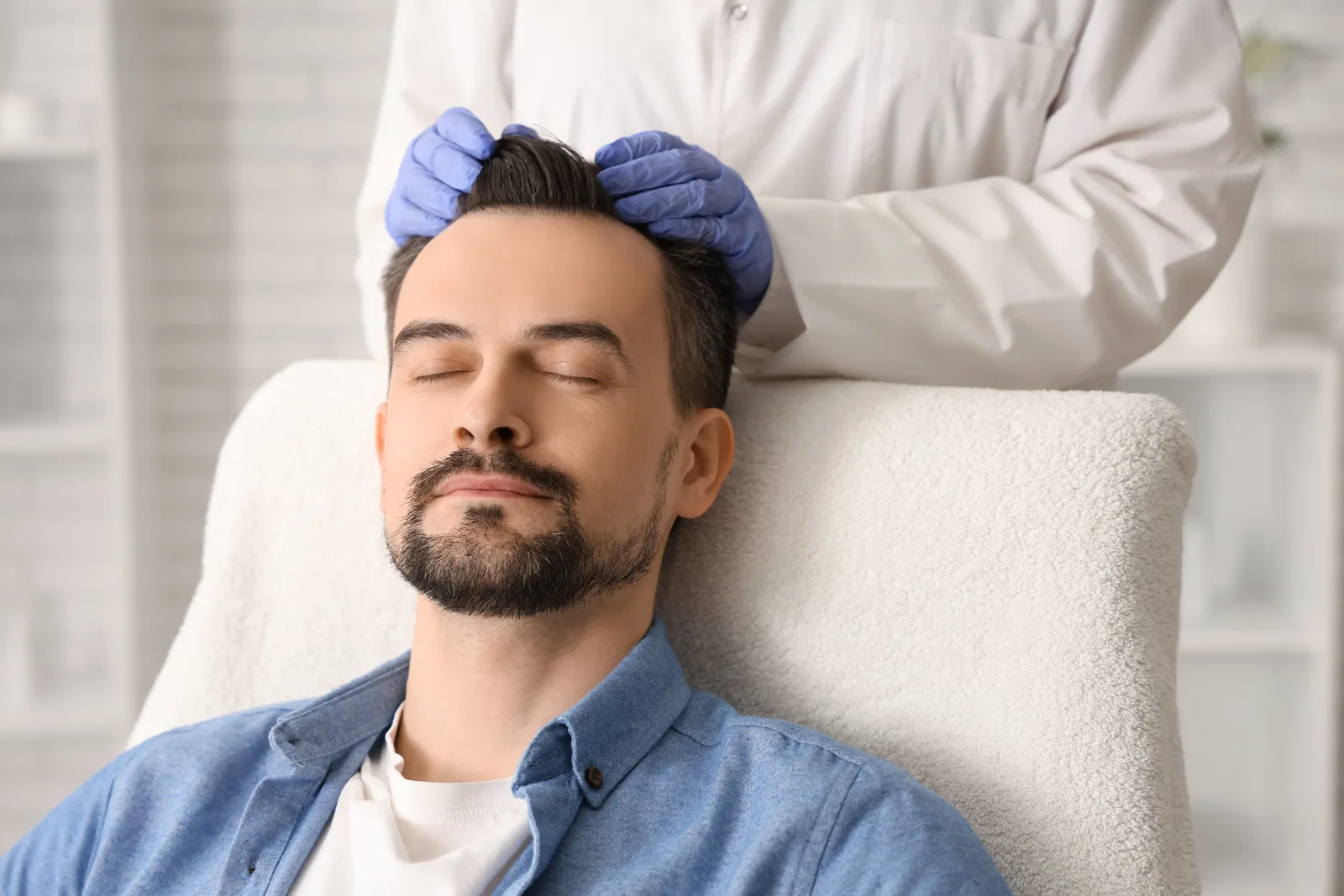
Post-transplant care is vital for ensuring the success of the procedure, especially for patients with previous scalp conditions. At Adem Demiral Hair Clinic, we provide detailed aftercare instructions, which may include the use of PRP (Platelet-Rich Plasma) treatments and stem-cell supported care to promote healing and hair growth. Managing any residual dandruff or seborrheic dermatitis is also essential during this phase to avoid complications.
Following the hair transplant, patients are typically advised to avoid harsh hair products and to use gentle, sulfate-free shampoos that do not irritate the scalp. Regular follow-up appointments are scheduled to monitor the healing process and to address any concerns that may arise. Our team is available to provide support and guidance throughout the recovery phase, ensuring that patients feel confident and informed about their care.
In cases where dandruff or seborrheic dermatitis persists post-transplant, we may recommend additional treatments, such as medicated shampoos or topical corticosteroids, to control inflammation and promote a healthy scalp environment. This ongoing management is crucial for maintaining the health of both transplanted and existing hair, as well as for preventing future hair loss.
Understanding the relationship between dandruff, seborrheic dermatitis, and hair transplant planning is crucial for achieving the best outcomes. At Adem Demiral Hair Clinic in Atasehir, Istanbul, we prioritize scalp health and personalized treatment plans to ensure that our patients receive the highest quality care. If you are considering a hair transplant, we encourage you to schedule a consultation to discuss your specific needs and conditions.
Our commitment to patient education, comprehensive evaluations, and tailored treatment options sets us apart as a leader in hair restoration. By addressing scalp conditions prior to hair transplantation, we aim to enhance the success rate of the procedure and improve overall patient satisfaction. Our goal is to help you achieve not just a fuller head of hair, but also a healthy scalp that supports long-term hair growth.
Dandruff can be caused by dry skin, sensitivity to hair products, or fungal infections, among other factors. Identifying the underlying cause is essential for effective treatment.
While both conditions involve flaking, seborrheic dermatitis is more severe and includes inflammation and greasy flakes. It often requires more intensive treatment than standard dandruff.
Yes, but it is essential to manage the dandruff condition prior to the procedure for optimal results. Addressing scalp health is crucial for the success of a hair transplant.
Techniques such as Diamond FUE and DHI Pro are often recommended for sensitive scalps due to their minimally invasive nature and reduced trauma to the scalp.
Preparing your scalp may involve treating any existing conditions like dandruff or seborrheic dermatitis, which can be assessed during the pre-evaluation at our clinic.
Post-transplant care may include specific aftercare instructions and treatments like PRP to support healing and hair growth, along with ongoing management of any scalp conditions.
This article is published by Adem Demiral Hair Clinic for general information. It is not a diagnosis, a treatment plan, or a personal graft estimate. Suitability requires an in-person assessment in Atasehir.
How does the hair transplant process in Turkey work? Discover a detailed guide about hair transplant in Istanbul, recovery, clinic selection, and the premium patient experience.
Learn More
How does the recovery process after a hair transplant progress? Discover the first wash, shock loss, hair growth timeline, and the 12-month transformation in detail.
Learn More
Discover the differences between DHI and Sapphire FUE hair transplantation. A detailed comparison in terms of density, natural appearance, recovery process, and unshaven hair transplantation.
Learn More
Hair loss can become both a physical and psychological concern for many people. Today, hair transplantation stands out as one of the most effective solutions for addressing this issue.
Learn More
Hair loss can become both a physical and psychological challenge for many people. Today, hair transplantation stands out as one of the most effective solutions to this problem.
Learn MoreFill out the form for hair analysis, appointments, and consultation requests, or contact us directly.