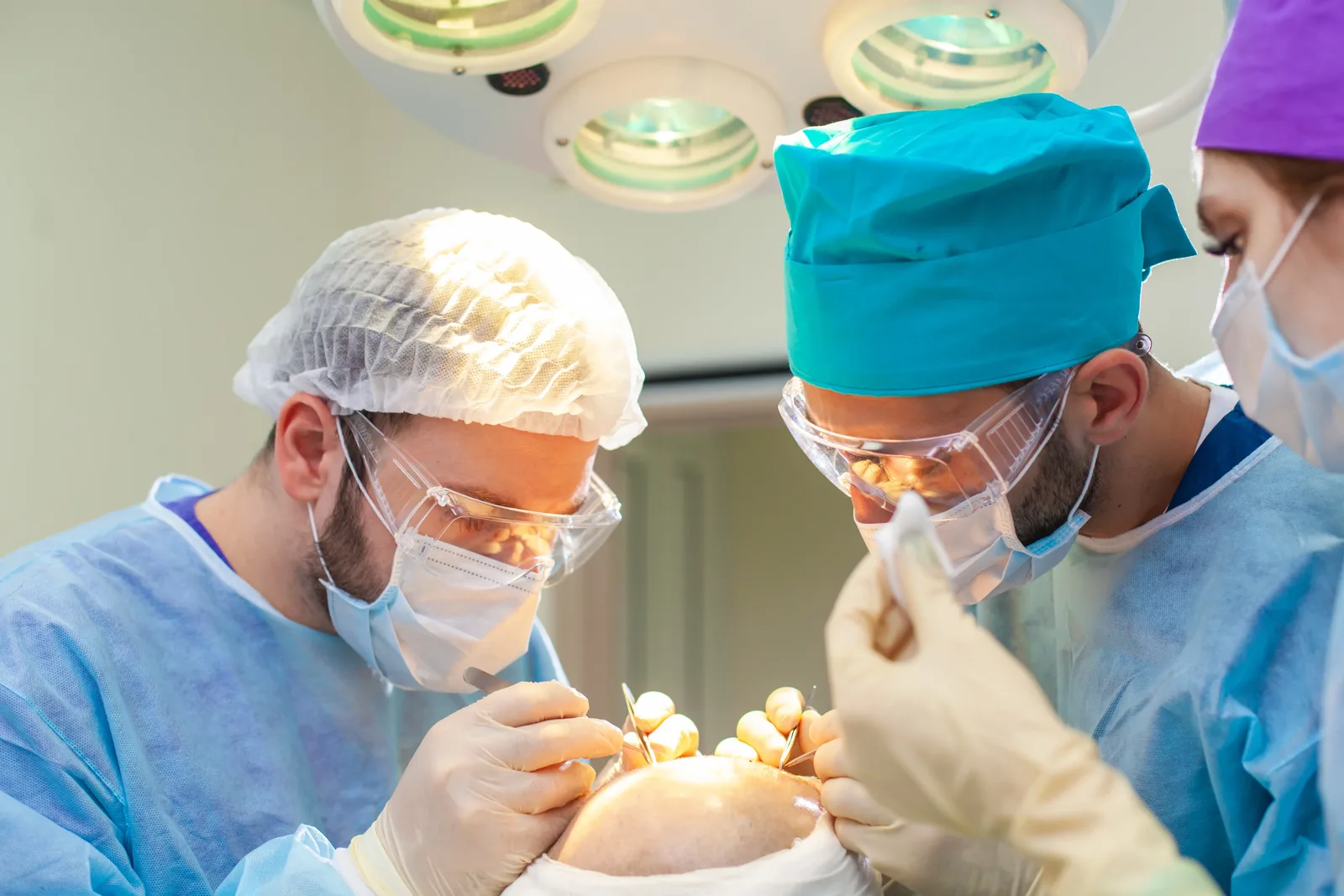
How does the hair transplant process in Turkey work? Discover a detailed guide about hair transplant in Istanbul, recovery, clinic selection, and the premium patient experience.
Learn More
Adem Demiral, a hair transplant specialist located in Atasehir, Istanbul, emphasizes the importance of achieving a natural appearance in hair transplants. One crucial aspect of this is the crown whorl, which plays a significant role in the overall aesthetics of hair restoration.
The crown whorl, or the spiral pattern of hair growth at the top of the head, is a defining characteristic of an individual's hair. It is essential to consider this natural feature when planning a hair transplant, as it influences how the hair will look post-procedure. The crown whorl is not just a random arrangement of hair; it is determined by the direction in which hair follicles grow and can vary significantly from person to person. This unique pattern can be influenced by genetic factors, ethnicity, and even environmental conditions.
In understanding the crown whorl, it is important to note that it typically appears at the vertex of the scalp and can be either clockwise or counterclockwise in orientation. This orientation can affect how hair appears to flow and can impact styling choices. A thorough examination of the crown whorl is essential during the initial consultation, as it will guide the hair transplant specialist in determining the most appropriate approach to graft placement.
Moreover, the crown whorl's position on the scalp can also influence the overall hair density and coverage. For instance, individuals with a pronounced whorl may require a different grafting strategy compared to those with a less defined crown. This assessment is critical in ensuring that the final result not only looks natural but also complements the patient’s existing hair characteristics.
The crown whorl contributes to the overall hairline and the way hair flows and falls. When a hair transplant is performed, maintaining the integrity of the crown whorl is vital for achieving a harmonious and natural appearance. A well-executed hair transplant that respects the natural crown whorl can significantly enhance the aesthetic outcome, providing a fuller and more youthful look that blends seamlessly with the existing hair.
Additionally, the crown whorl can influence how light interacts with the hair, affecting its perceived texture and volume. When the whorl is preserved correctly, the hair can appear more vibrant and dynamic, enhancing the overall aesthetic appeal. This is particularly important for individuals who are concerned about the visibility of thinning areas or bald spots, as a natural-looking crown can divert attention from these issues.
Furthermore, understanding the crown whorl's role extends beyond aesthetics; it also plays a functional role in how hair behaves in different conditions. For example, during windy weather or physical activity, hair that adheres to the natural growth pattern of the crown whorl is less likely to appear disheveled. This functional aspect is often overlooked but is crucial for individuals seeking a practical solution to hair loss.
To ensure that the crown whorl looks natural after a hair transplant, several advanced techniques can be employed. These methods are designed to respect the natural growth patterns and orientation of hair follicles, resulting in a more aesthetically pleasing outcome. Each technique has its unique advantages and can be tailored to meet the specific needs of the patient.
In addition to these techniques, ongoing research and development in hair restoration technology continue to yield new methods that enhance the ability to preserve the crown whorl. Innovations in graft storage, handling, and implantation processes are continually being explored to improve outcomes for patients. As a result, patients can expect a more refined and personalized approach to their hair restoration journey.
Before undergoing a hair transplant, it is crucial to have a thorough consultation with Adem Demiral. During this pre-evaluation, the crown whorl's characteristics will be assessed, and a personalized plan will be developed to ensure the best possible outcome. This initial consultation is an opportunity for patients to discuss their hair loss concerns, desired outcomes, and any specific questions they may have about the procedure.
During the consultation, Adem Demiral will conduct a comprehensive analysis of the patient's scalp, including the crown whorl's orientation, density, and overall hair health. This assessment will inform the grafting strategy, including the number of grafts needed and the most suitable techniques to employ. Additionally, patients will be educated about the expected timeline for recovery and the growth process, which can help manage expectations and alleviate any concerns they may have.
Furthermore, this consultation serves as a platform for establishing a rapport between the patient and the specialist. Open communication is vital for ensuring that the patient feels comfortable and confident in the proposed treatment plan. Adem Demiral encourages patients to express their aesthetic goals and any apprehensions they may have, allowing for a collaborative approach to hair restoration.
After the hair transplant procedure, proper care is essential for the crown whorl to heal and grow naturally. This includes following post-operative instructions and possibly utilizing treatments such as PRP (Platelet-Rich Plasma) and stem-cell supported care to enhance hair growth. Adhering to the guidelines provided by the specialist can significantly impact the success of the transplant and the appearance of the crown whorl in the long term.
Post-operative care typically involves avoiding strenuous activities, protecting the scalp from direct sunlight, and refraining from scratching or picking at the transplant site. Patients are also advised to maintain a clean scalp and follow specific washing instructions to promote healing. The use of gentle, non-irritating hair care products is recommended to support the health of both the transplanted and existing hair.
Incorporating treatments like PRP can further enhance the growth of transplanted hair by stimulating the hair follicles and improving blood circulation in the scalp. Stem-cell therapy is another innovative approach that can be discussed during the consultation, as it aims to promote hair regeneration and strengthen existing hair. These adjunctive therapies can be particularly beneficial for individuals with a pronounced crown whorl, as they help ensure that the area remains healthy and vibrant.
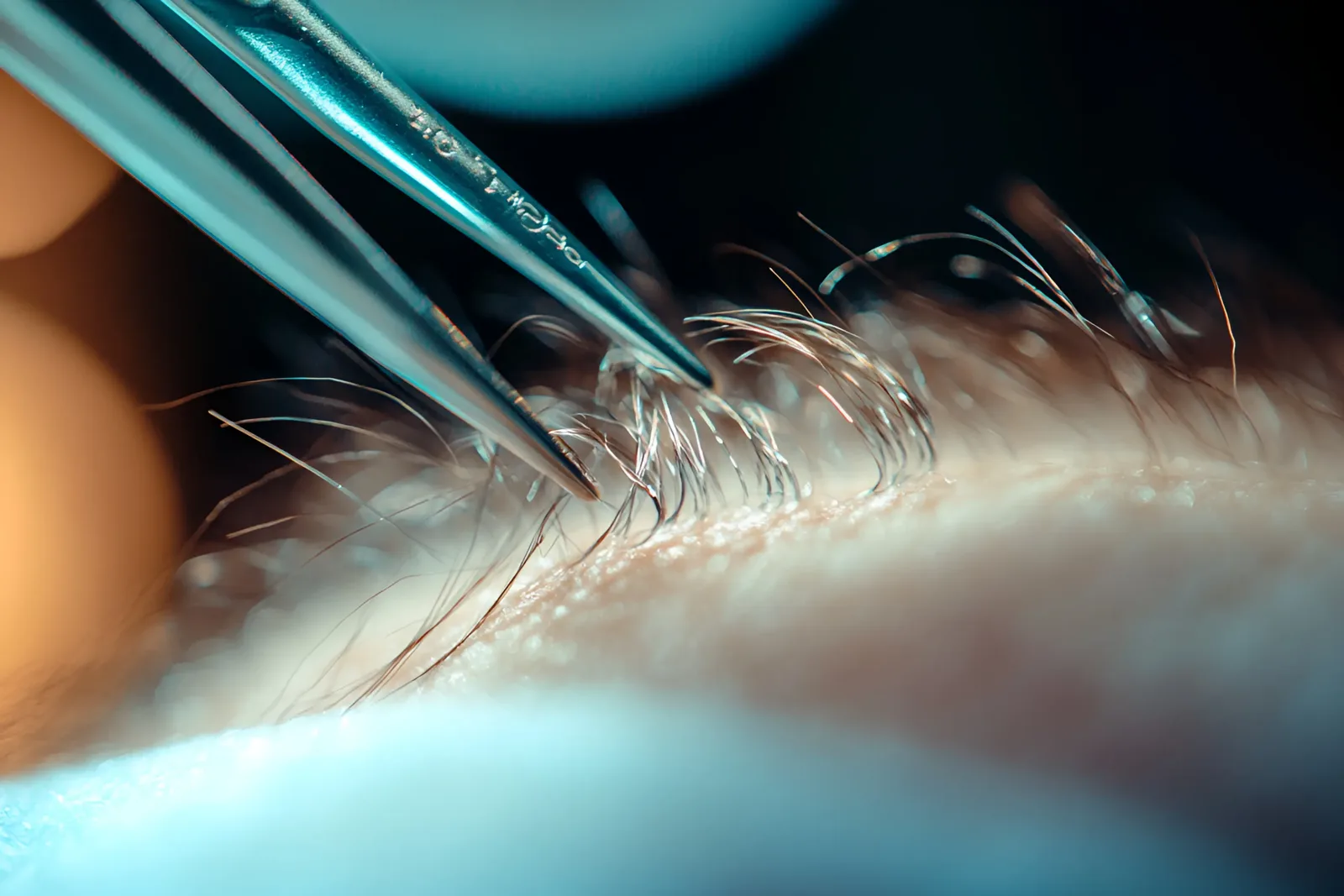
Patients often have concerns about how their crown whorl will look after a transplant. Understanding the techniques and care involved can alleviate these worries and help set realistic expectations. One common concern is whether the transplanted hair will match the existing hair in terms of texture, color, and growth pattern. A skilled specialist like Adem Demiral will take these factors into account when planning the transplant, ensuring that the new hair integrates seamlessly with the natural crown whorl.
Another concern relates to the potential for unnatural-looking results. Patients may fear that the transplanted hair will appear too dense or too straight, deviating from their natural growth pattern. By employing advanced techniques that prioritize the preservation of the crown whorl, the risk of unnatural results can be minimized. Educating patients about the importance of following post-operative care instructions is also crucial in addressing these concerns, as proper care can significantly enhance the final outcome.
Additionally, patients should be aware of the timeline for hair growth post-transplant. It can take several months for the transplanted hair to grow in fully, and some shedding is common in the initial weeks following the procedure. Understanding this process can help patients remain patient and optimistic about their results. Regular follow-ups with the specialist can also provide reassurance and allow for monitoring of the growth process.
In conclusion, maintaining the natural appearance of the crown whorl is a critical aspect of successful hair transplantation. By utilizing advanced techniques and individualized care plans, Adem Demiral, a hair transplant specialist in Atasehir, Istanbul, ensures that patients achieve their desired results while keeping their hair looking as natural as possible. The focus on the crown whorl not only enhances the aesthetic appeal of the hair restoration but also contributes to the overall satisfaction of the patient.
As the field of hair restoration continues to evolve, patients can expect ongoing advancements that prioritize natural results and improved techniques. The commitment to understanding and preserving the crown whorl is a testament to the dedication of specialists like Adem Demiral, who strive to provide the best possible outcomes for their patients. Ultimately, a successful hair transplant is one that not only restores hair but also enhances the individual’s confidence and quality of life.
The crown whorl is the spiral pattern of hair growth located at the top of the head, which is essential for natural-looking hair aesthetics. It is a defining feature that contributes to the overall appearance of a person's hairstyle.
Maintaining the crown whorl's natural pattern is crucial for achieving a harmonious and aesthetically pleasing result after a hair transplant. It influences how the hair flows and integrates with the existing hair.
Techniques such as Diamond FUE, DHI Pro, Sapphire FUE, and unshaven transplants are utilized to ensure the natural appearance of the crown whorl. Each technique offers unique benefits in terms of graft placement and healing.
Prepare for your consultation by gathering information about your hair loss, discussing your goals, and being ready to ask questions about the crown whorl and other concerns. This preparation will help facilitate a productive discussion with the specialist.
Post-operative care includes following specific instructions from your specialist and may involve treatments like PRP and stem-cell therapy to support hair growth. Adhering to these guidelines is essential for optimal healing and results.
For more information about Adem Demiral Hair Clinic, you can visit our About page or explore our Services. We provide comprehensive information about our techniques, team, and patient success stories.
This article is published by Adem Demiral Hair Clinic for general information. It is not a diagnosis, a treatment plan, or a personal graft estimate. Suitability requires an in-person assessment in Atasehir.
How does the hair transplant process in Turkey work? Discover a detailed guide about hair transplant in Istanbul, recovery, clinic selection, and the premium patient experience.
Learn More
How does the recovery process after a hair transplant progress? Discover the first wash, shock loss, hair growth timeline, and the 12-month transformation in detail.
Learn More
Discover the differences between DHI and Sapphire FUE hair transplantation. A detailed comparison in terms of density, natural appearance, recovery process, and unshaven hair transplantation.
Learn More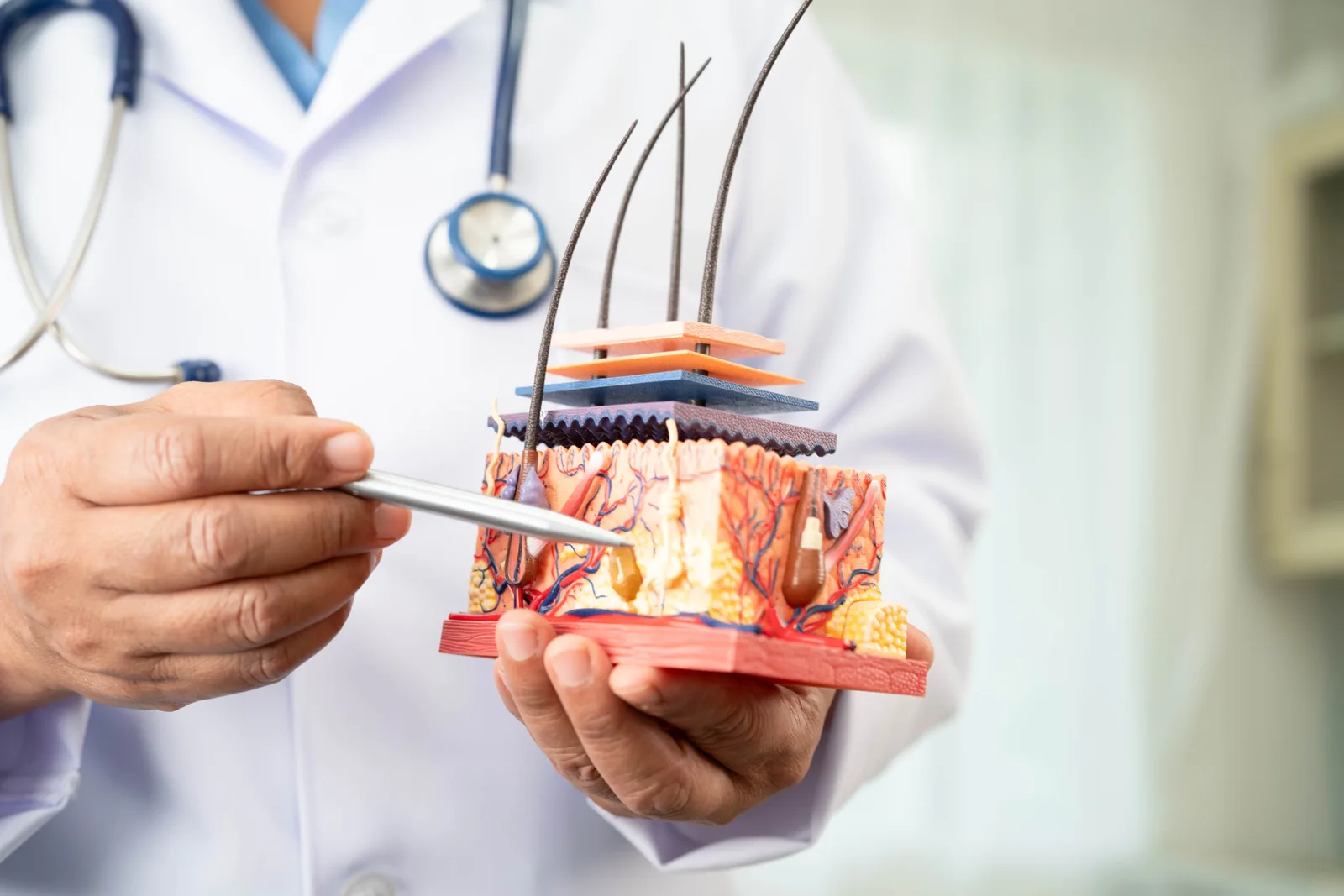
Hair loss can become both a physical and psychological concern for many people. Today, hair transplantation stands out as one of the most effective solutions for addressing this issue.
Learn More
Hair loss can become both a physical and psychological challenge for many people. Today, hair transplantation stands out as one of the most effective solutions to this problem.
Learn MoreFill out the form for hair analysis, appointments, and consultation requests, or contact us directly.