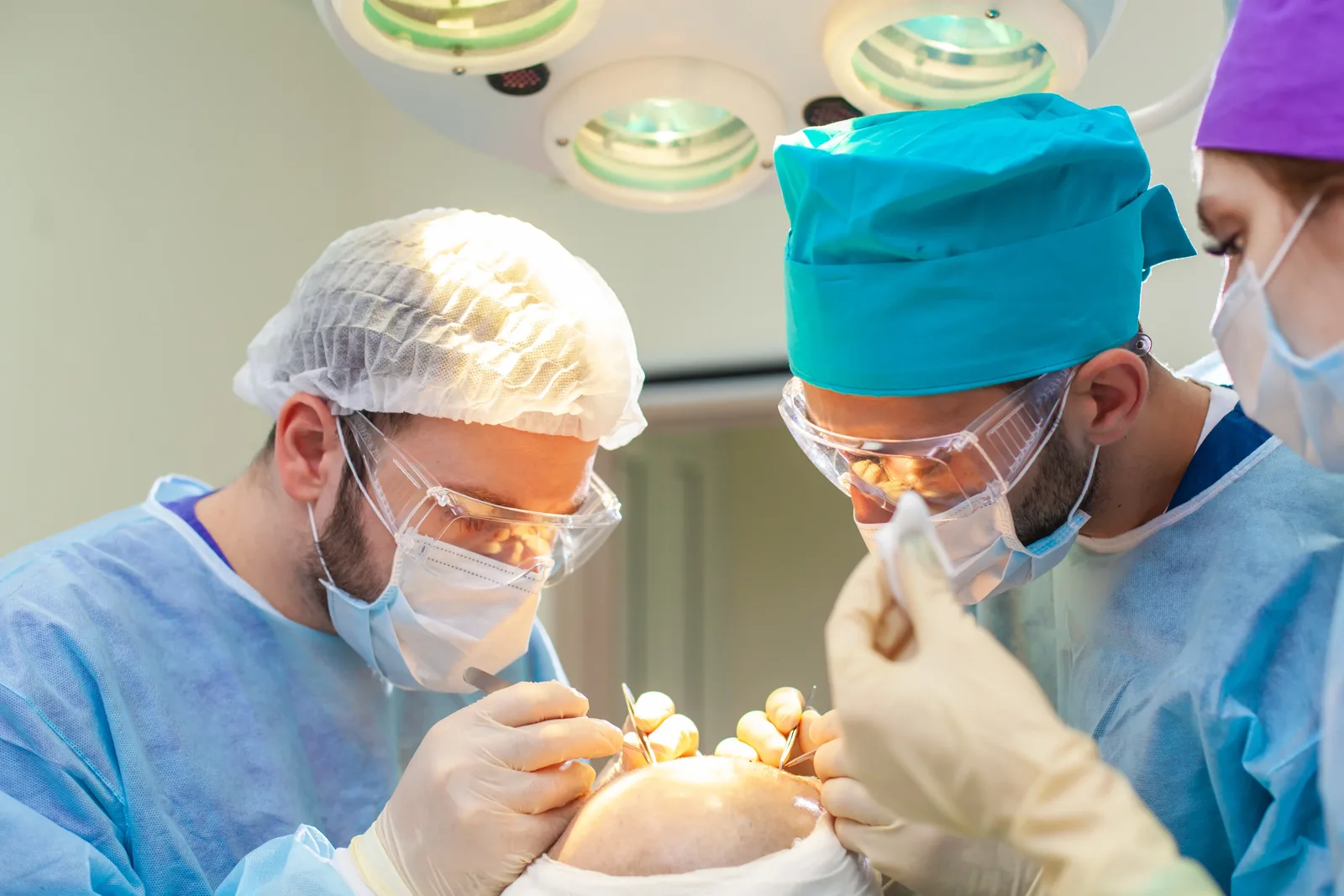
How does the hair transplant process in Turkey work? Discover a detailed guide about hair transplant in Istanbul, recovery, clinic selection, and the premium patient experience.
Learn More
Adem Demiral is a hair transplant specialist based in Atasehir, Istanbul, with extensive experience in aesthetic health. This article delves into the planning differences involved in crown hair transplantation, a critical area for achieving natural-looking results.
Crown hair transplantation focuses on the crown area of the scalp, which often requires distinct techniques compared to other regions. The planning phase is crucial, as it determines the overall aesthetic outcome and hairline design. The crown area, also known as the vertex, is particularly challenging because it is often the last area to receive attention in hair restoration. Many patients may not realize that the crown can significantly influence the overall appearance of their hair. Therefore, understanding the unique characteristics of this area is essential for achieving a natural look.
In addition to the aesthetic considerations, the crown area is also subjected to different patterns of hair loss. While some individuals may experience a receding hairline primarily at the front, others may notice thinning at the crown. This variability necessitates a tailored approach to each patient’s specific hair loss pattern. The unique nature of crown hair transplantation requires a comprehensive understanding of hair growth patterns, scalp anatomy, and the psychological aspects of hair restoration.
Furthermore, the crown area often experiences a different hair growth angle compared to other regions of the scalp. This angle can affect how the transplanted hair blends with existing hair. For optimal results, the angle and direction of hair follicles must be meticulously planned and executed. The goal is to create a seamless transition between existing hair and transplanted hair, ensuring that the final result is indistinguishable from natural hair growth.
Effective planning is a key component in any hair transplant procedure. It involves assessing the patient's hair loss pattern, scalp characteristics, and desired outcomes, particularly in the crown area where hair density and direction are vital. A thorough evaluation of these factors allows the specialist to create a customized treatment plan that addresses the unique needs of each patient. This personalized approach is critical for achieving satisfactory results and ensuring that patients feel confident in their appearance post-procedure.
One of the first steps in the planning process is to conduct a detailed assessment of the patient’s hair loss history. This includes understanding the progression of hair loss, family history, and any previous treatments the patient may have undergone. Such information is invaluable in predicting future hair loss patterns and determining the best course of action for the crown area. Additionally, the specialist must evaluate the donor area to ensure that there are sufficient healthy follicles available for transplantation.
Moreover, planning also involves setting realistic expectations. Patients must be educated about the limitations of hair transplantation and the potential for future hair loss. This is particularly important for younger patients, who may not yet fully understand the implications of their hair loss. A well-informed patient is more likely to be satisfied with the results, as they have a clearer understanding of what to expect. This educational component is a vital aspect of the planning phase, ensuring that patients are not only physically prepared but also mentally ready for the journey ahead.
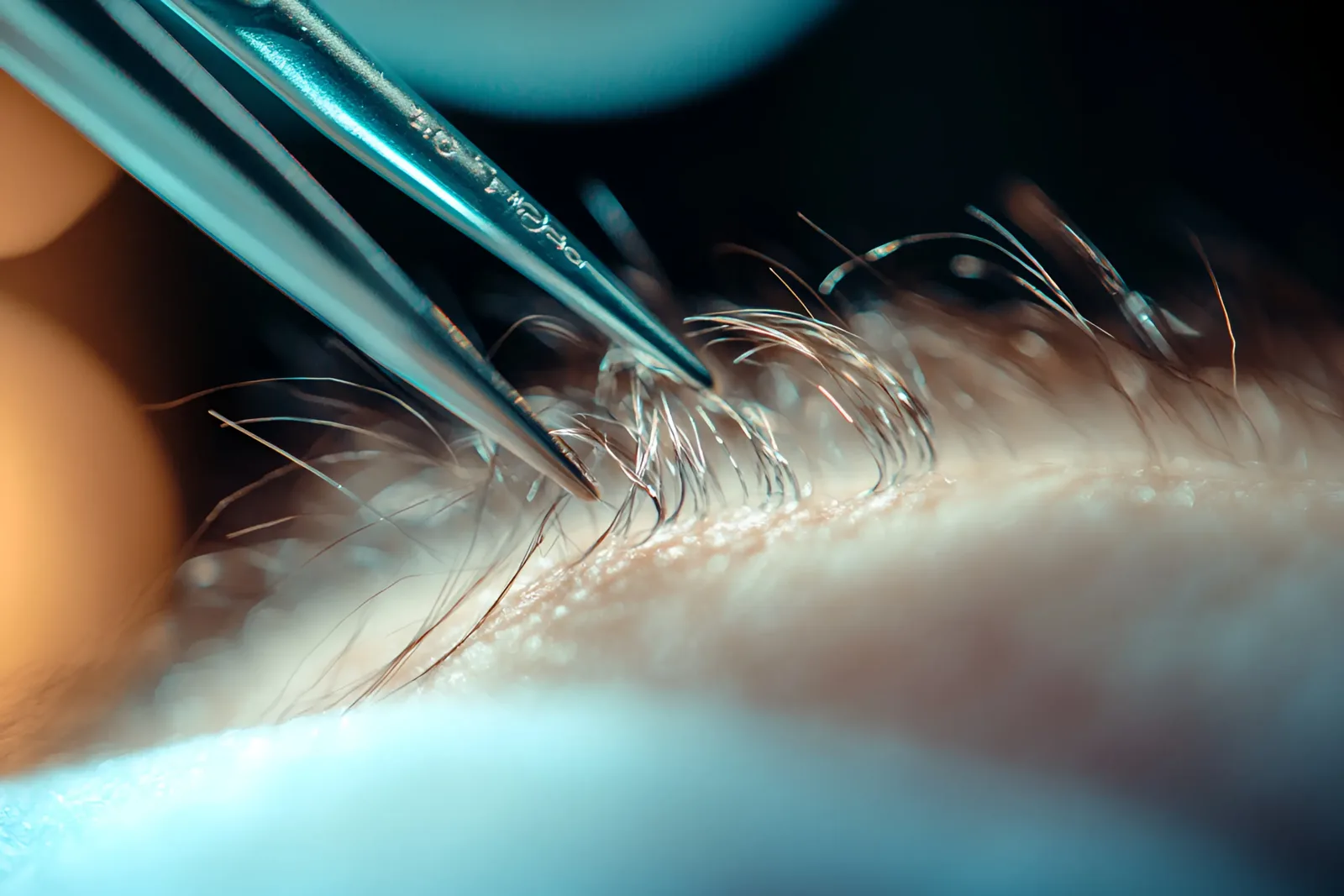
At Adem Demiral Hair Clinic, various advanced techniques are employed for crown hair transplantation, including:
Each of these techniques has its advantages and is selected based on the individual needs of the patient. The choice of technique can significantly impact the overall success of the transplant, making it essential for the specialist to have a comprehensive understanding of each method. Furthermore, the clinic stays updated with the latest advancements in hair restoration technology, ensuring that patients receive the most effective and innovative treatments available.
Post-operative care is crucial for the success of crown hair transplantation. Patients are advised to follow specific guidelines, including:
Additionally, patients are advised to avoid direct sunlight exposure to the scalp for a certain period following the procedure. Protecting the scalp from UV rays is essential for preventing irritation and promoting healing. Patients should also refrain from using hair products, such as gels or sprays, until the scalp has fully healed. This precaution helps to avoid any potential irritation or allergic reactions that could compromise the success of the transplant.
Furthermore, patients should be educated about the normal healing process and what to expect in the weeks following the transplant. It is common for transplanted hair to shed within the first few weeks, which can be concerning for some patients. However, this is a normal part of the hair growth cycle, and new hair growth typically begins within a few months. Providing patients with a clear understanding of the healing process can help alleviate anxiety and ensure a smoother recovery experience.
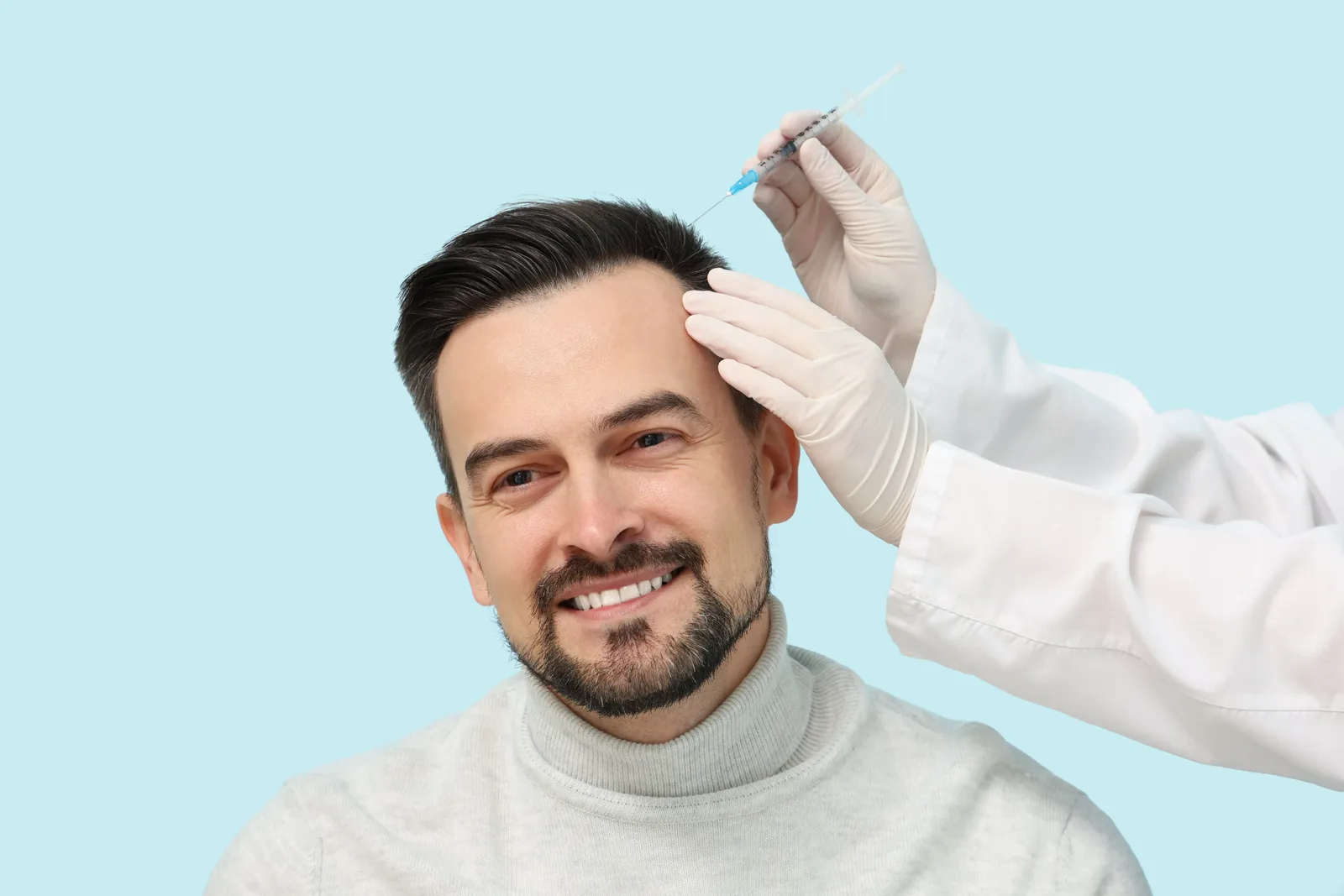
With over 25 years of experience in health and aesthetics, Adem Demiral provides tailored hair transplant solutions. The clinic's commitment to patient satisfaction and natural results sets it apart in Atasehir, Istanbul. The clinic employs a team of skilled professionals who are dedicated to providing the highest quality of care. Each patient receives a personalized consultation to discuss their unique needs and goals, ensuring that their hair restoration journey is as smooth and effective as possible.
Moreover, the clinic utilizes state-of-the-art technology and techniques to deliver optimal results. Continuous training and education for the staff ensure that they are well-versed in the latest advancements in hair transplantation. This commitment to excellence is reflected in the high satisfaction rates among patients, many of whom report significant improvements in their self-esteem and overall quality of life following their procedures.
Furthermore, the clinic places a strong emphasis on creating a comfortable and welcoming environment for patients. From the initial consultation to post-operative care, every aspect of the patient experience is designed to be as pleasant and stress-free as possible. This patient-centered approach not only enhances the overall experience but also contributes to the success of the hair transplant procedure.
Crown hair transplantation focuses on restoring hair in the crown area of the scalp, which often requires special planning and techniques. This area is particularly challenging due to its unique hair growth patterns and the impact it has on overall appearance.
Planning for crown transplants involves assessing hair density, direction, and future hair loss to ensure a natural-looking result. Each of these factors plays a critical role in determining the number of grafts needed and their placement for optimal aesthetic outcomes.
The clinic utilizes advanced techniques such as Diamond FUE, DHI Pro, and Sapphire FUE for crown hair transplantation. Each technique is chosen based on the individual needs of the patient, ensuring the best possible results.
Patients should avoid strenuous activities, follow medication guidelines, and attend follow-up appointments for optimal recovery. Proper post-operative care is essential for ensuring the success of the transplant and promoting healing.
The recovery process varies by individual but generally takes a few weeks for initial healing and several months for full results. Patients should be prepared for a gradual improvement in their hair density and appearance over time.
Yes, you can schedule a consultation through the clinic's website to discuss your hair restoration options. During the consultation, you will receive personalized recommendations based on your specific needs and goals.
This article is published by Adem Demiral Hair Clinic for general information. It is not a diagnosis, a treatment plan, or a personal graft estimate. Suitability requires an in-person assessment in Atasehir.
How does the hair transplant process in Turkey work? Discover a detailed guide about hair transplant in Istanbul, recovery, clinic selection, and the premium patient experience.
Learn More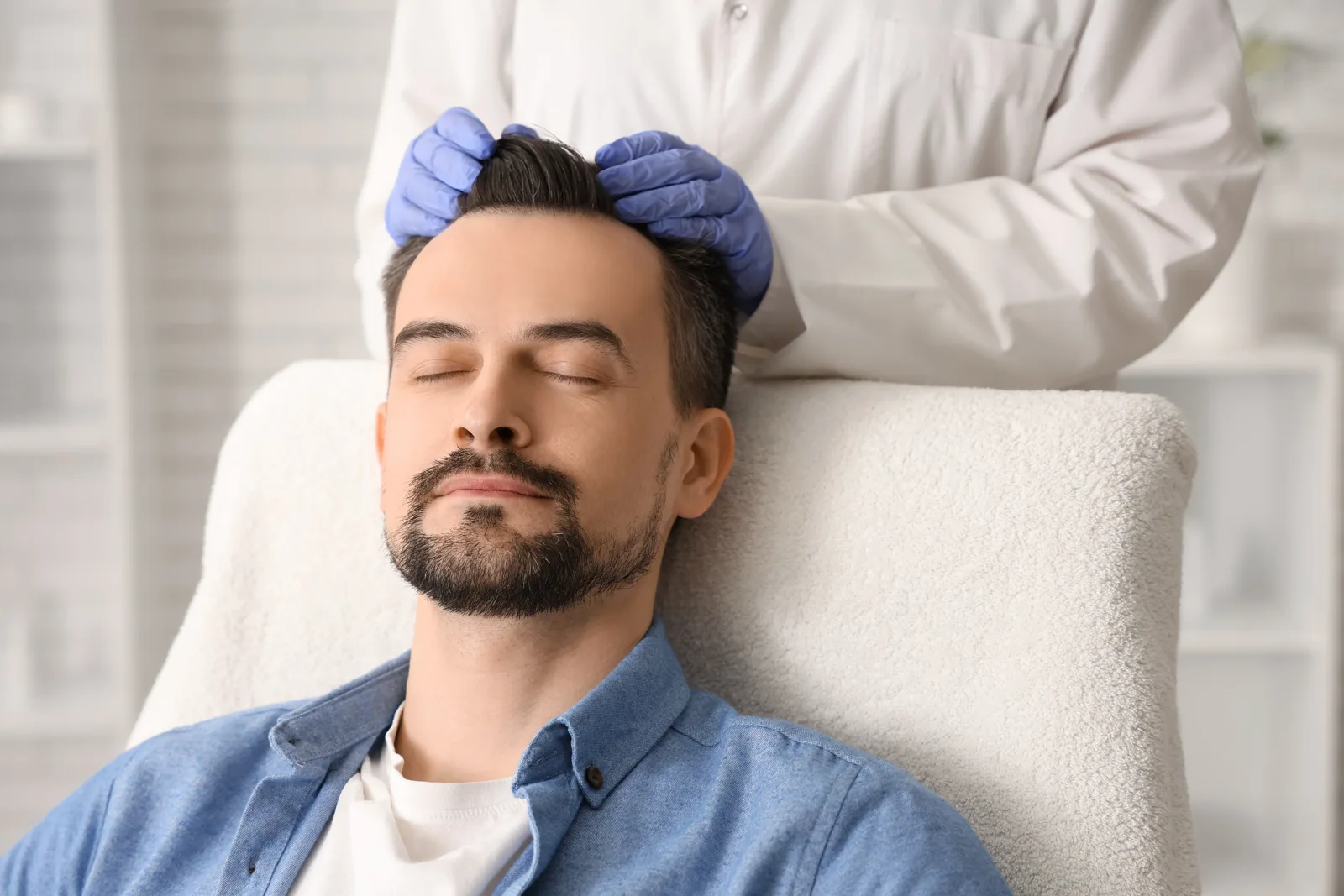
How does the recovery process after a hair transplant progress? Discover the first wash, shock loss, hair growth timeline, and the 12-month transformation in detail.
Learn More
Discover the differences between DHI and Sapphire FUE hair transplantation. A detailed comparison in terms of density, natural appearance, recovery process, and unshaven hair transplantation.
Learn More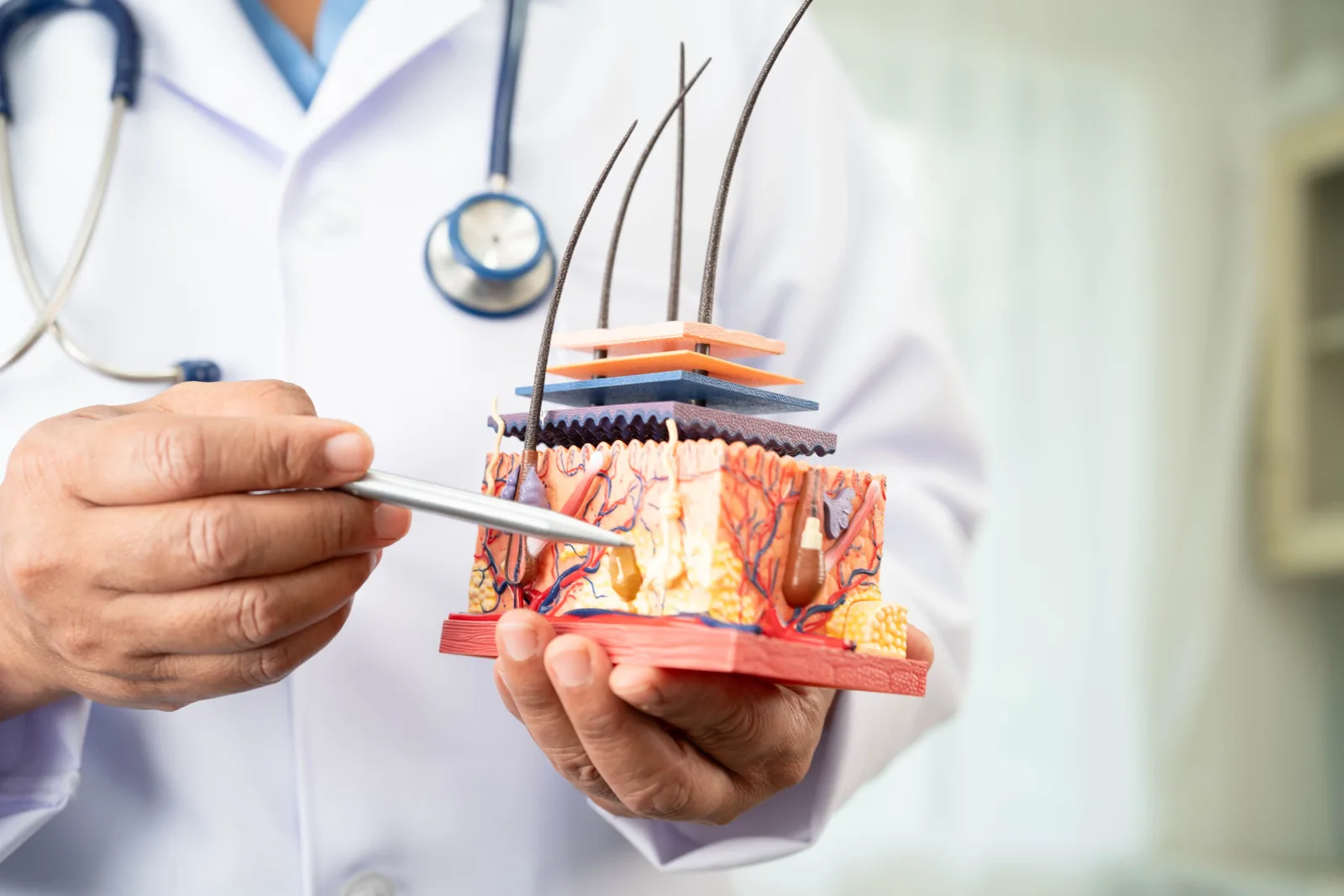
Hair loss can become both a physical and psychological concern for many people. Today, hair transplantation stands out as one of the most effective solutions for addressing this issue.
Learn More
Hair loss can become both a physical and psychological challenge for many people. Today, hair transplantation stands out as one of the most effective solutions to this problem.
Learn MoreFill out the form for hair analysis, appointments, and consultation requests, or contact us directly.