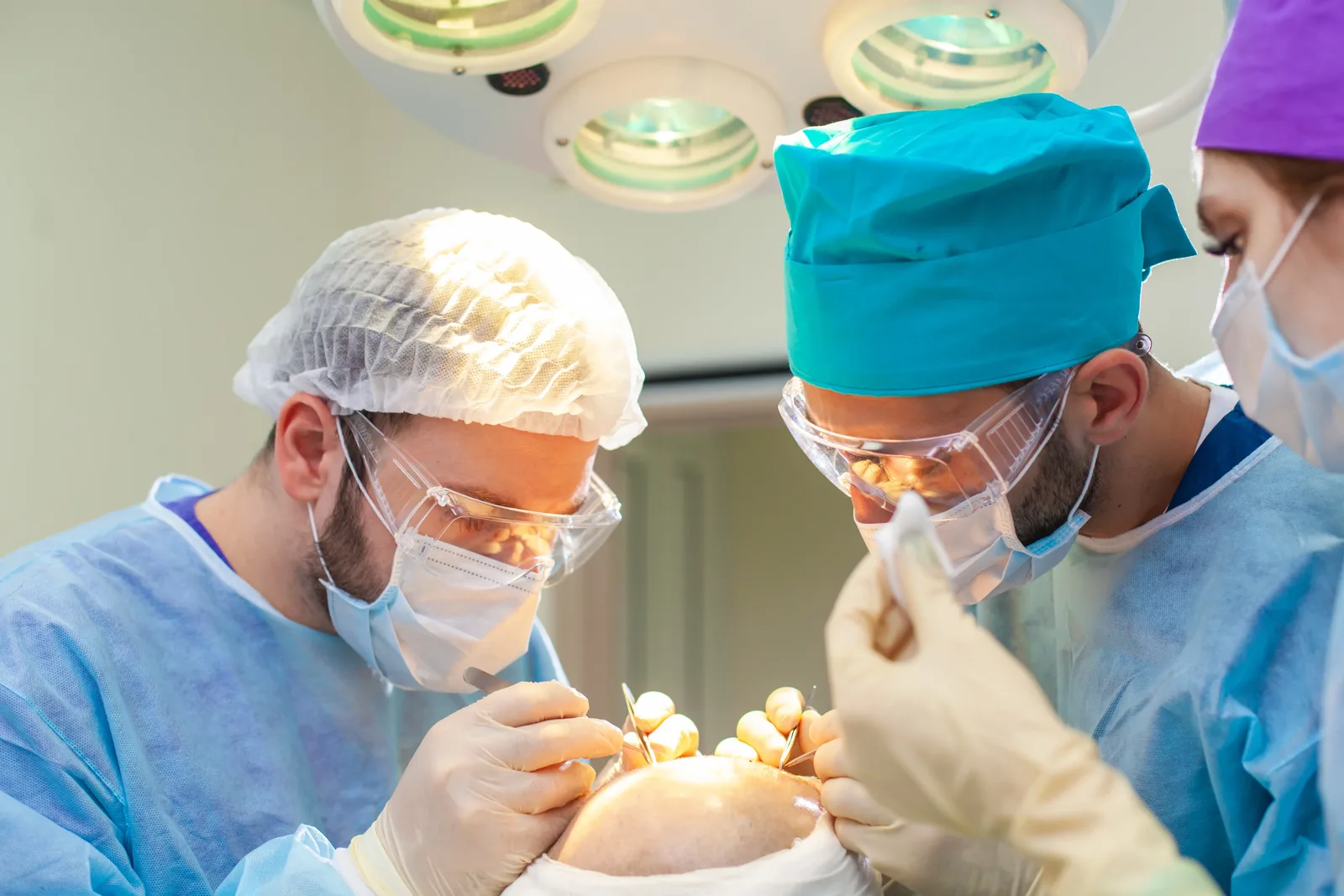
How does the hair transplant process in Turkey work? Discover a detailed guide about hair transplant in Istanbul, recovery, clinic selection, and the premium patient experience.
Learn More
Adem Demiral is a hair transplant specialist located in Atasehir, Istanbul, focusing on providing advanced hair restoration techniques. Understanding the difference between coverage and density in hair transplants is essential for anyone considering this procedure.
Coverage refers to the area of the scalp that is covered by hair follicles after a hair transplant. This is an important aspect because it determines how much of the bald or thinning area will be concealed post-procedure. Coverage is influenced by the number of grafts transplanted and their placement, which can vary based on individual needs and hair loss patterns. A successful hair transplant aims to achieve optimal coverage while maintaining a natural appearance, which requires a careful assessment of the patient's scalp and hair characteristics.
In practice, achieving adequate coverage involves not only the sheer number of grafts but also strategic placement. For instance, areas with significant thinning may require a different approach than areas with complete baldness. The surgeon must consider the natural hairline, the direction of existing hair growth, and the overall aesthetic goals of the patient. This nuanced understanding of coverage is critical in creating a hair restoration plan that meets the patient's expectations.
Moreover, the type of hair loss—whether it is androgenetic alopecia, alopecia areata, or other forms—can also dictate the coverage strategy. Each type of hair loss presents unique challenges and may require a tailored approach to ensure that the transplanted hair integrates well with existing hair. Therefore, a thorough evaluation during the consultation phase is essential for establishing realistic goals regarding coverage.
Density, on the other hand, refers to the number of hair follicles per square centimeter in a given area. High density means more hair follicles are packed closely together, resulting in a fuller appearance. Density is often a primary concern for patients who want their hair to look naturally thick and abundant. Achieving the desired density is crucial for creating a realistic and aesthetically pleasing outcome, as it impacts how the hair appears from various angles and under different lighting conditions.
In hair transplant procedures, density can be influenced by several factors, including the quality of the donor hair, the technique used for extraction and implantation, and the specific characteristics of the recipient area. For instance, finer hair may require a higher density to achieve the same visual fullness as coarser hair. This is where the skill and experience of the surgeon come into play, as they must assess these variables to optimize the final result.
Furthermore, patient expectations regarding density can vary widely. Some individuals may prioritize a natural look that blends seamlessly with their existing hair, while others may desire a more dramatic transformation. Understanding these preferences is essential for the surgeon to tailor the approach to density accordingly. In some cases, patients may opt for multiple sessions to gradually build up density, which can be a more effective strategy than attempting to achieve everything in a single procedure.

For potential hair transplant patients, grasping the distinction between coverage and density is crucial. This knowledge helps set realistic expectations and ensures that the chosen hair restoration method aligns with personal aesthetic goals. For instance, someone may desire full coverage of a balding area but also want a natural-looking density that mimics their original hair. Understanding these concepts allows patients to communicate effectively with their surgeon and make informed decisions about their treatment options.
Additionally, understanding the interplay between coverage and density can help patients appreciate the complexity of hair restoration procedures. Hair transplantation is not simply about filling in bald spots; it involves artistry and science to create a look that is both natural and satisfying. This understanding can alleviate anxiety and build trust between the patient and the surgeon, fostering a collaborative approach to achieving the desired outcome.
Moreover, patients who are well-informed about coverage and density are more likely to be satisfied with their results. They can better assess the effectiveness of the procedure and recognize that achieving their ideal look may take time and possibly multiple sessions. This perspective can lead to a more positive experience overall, as patients are less likely to have unrealistic expectations that could lead to disappointment.
At Adem Demiral Hair Clinic, we utilize various advanced techniques, including:
Each of these techniques has its own advantages and considerations, and the choice of method can significantly impact the final results. For example, while DHI Pro may offer superior density due to its direct implantation approach, Diamond FUE may be more suitable for patients with specific scalp conditions or those who prefer a less invasive extraction process. A comprehensive consultation with a specialist is essential to determine the best approach based on individual needs and goals.
Furthermore, advancements in technology continue to refine these techniques, allowing for improved outcomes in both coverage and density. Innovations such as robotic-assisted hair transplantation are emerging, which can enhance precision and efficiency in graft placement. Staying informed about these developments can empower patients to make educated choices regarding their hair restoration journey.
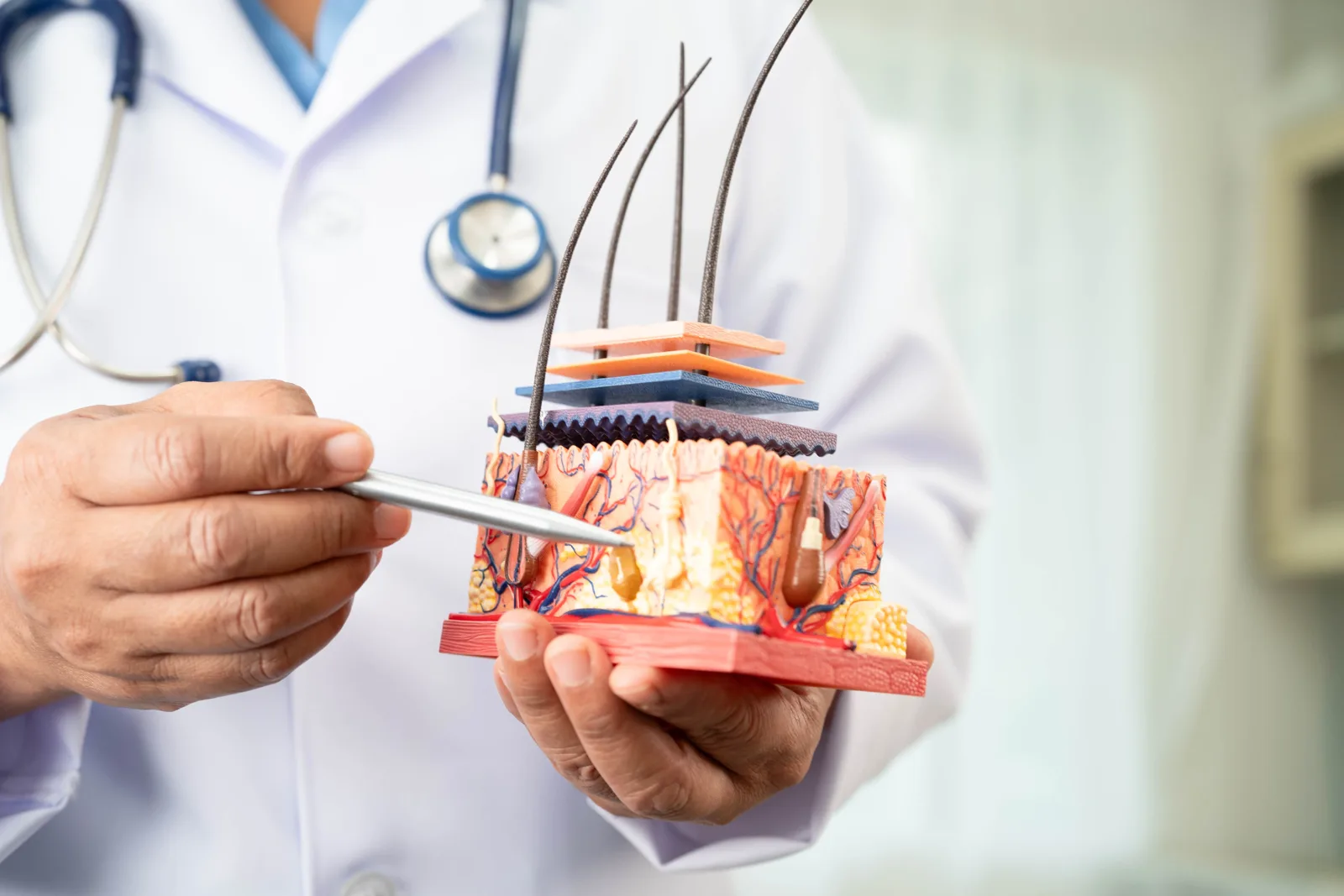
After a hair transplant, following a proper care regimen is vital for achieving the best results in both coverage and density. This includes:
Additionally, patients should be aware of the importance of maintaining a healthy lifestyle post-procedure. Factors such as nutrition, hydration, and stress management can significantly impact hair growth and overall scalp health. Incorporating a balanced diet rich in vitamins and minerals, particularly those known to support hair health, can contribute to optimal results.
Moreover, avoiding smoking and excessive alcohol consumption can enhance healing and promote better outcomes. Patients should also be mindful of sun exposure, as UV rays can damage the scalp and affect the health of the transplanted hair. Wearing a hat or using sunscreen on the scalp can provide protection during the recovery phase.
Understanding the differences between coverage and density is essential for anyone considering a hair transplant. By consulting with a skilled hair transplant specialist like Adem Demiral in Atasehir, Istanbul, you can tailor your hair restoration plan to meet your individual needs and aesthetic goals. This personalized approach ensures that both coverage and density are addressed, leading to a more satisfying and natural-looking outcome.
Ultimately, the journey to restoring hair is a collaborative effort between the patient and the specialist. By being informed about the intricacies of coverage and density, patients can engage in meaningful discussions with their surgeon, paving the way for a successful hair restoration experience.
Coverage refers to the area of the scalp that is covered by hair, while density refers to the number of hair follicles per square centimeter. Understanding this distinction is vital for setting realistic expectations regarding the outcome of the procedure.
Different techniques, such as Diamond FUE and DHI Pro, can influence how hair follicles are placed, thereby affecting both coverage and density. The choice of technique should align with the desired aesthetic goals of the patient.
Yes, it is possible to have high coverage with lower density, which may lead to a less natural appearance. It is crucial to discuss these aspects with your specialist to ensure that your expectations align with the achievable results.
Discussing these aspects helps set realistic expectations and ensures that the chosen hair restoration method aligns with your aesthetic goals. A thorough consultation can clarify priorities and inform the treatment plan.
Engaging in PRP and stem-cell supported care, along with following aftercare instructions, can enhance hair growth and density. Additionally, maintaining a healthy lifestyle can contribute to optimal results.
You can learn more about hair transplant options by visiting the services page or contacting Adem Demiral Hair Clinic for a consultation. Our team is dedicated to providing personalized care and answering any questions you may have.
This article is published by Adem Demiral Hair Clinic for general information. It is not a diagnosis, a treatment plan, or a personal graft estimate. Suitability requires an in-person assessment in Atasehir.
How does the hair transplant process in Turkey work? Discover a detailed guide about hair transplant in Istanbul, recovery, clinic selection, and the premium patient experience.
Learn More
How does the recovery process after a hair transplant progress? Discover the first wash, shock loss, hair growth timeline, and the 12-month transformation in detail.
Learn More
Discover the differences between DHI and Sapphire FUE hair transplantation. A detailed comparison in terms of density, natural appearance, recovery process, and unshaven hair transplantation.
Learn More
Hair loss can become both a physical and psychological concern for many people. Today, hair transplantation stands out as one of the most effective solutions for addressing this issue.
Learn More
Hair loss can become both a physical and psychological challenge for many people. Today, hair transplantation stands out as one of the most effective solutions to this problem.
Learn MoreFill out the form for hair analysis, appointments, and consultation requests, or contact us directly.