How does the hair transplant process in Turkey work? Discover a detailed guide about hair transplant in Istanbul, recovery, clinic selection, and the premium patient experience.
Learn More
Adem Demiral is a hair transplant specialist based in Atasehir, Istanbul, with extensive experience in various hair restoration techniques. One of the topics that often arises in consultations is the beard-to-scalp transfer, a procedure that can provide a solution for individuals experiencing hair loss.
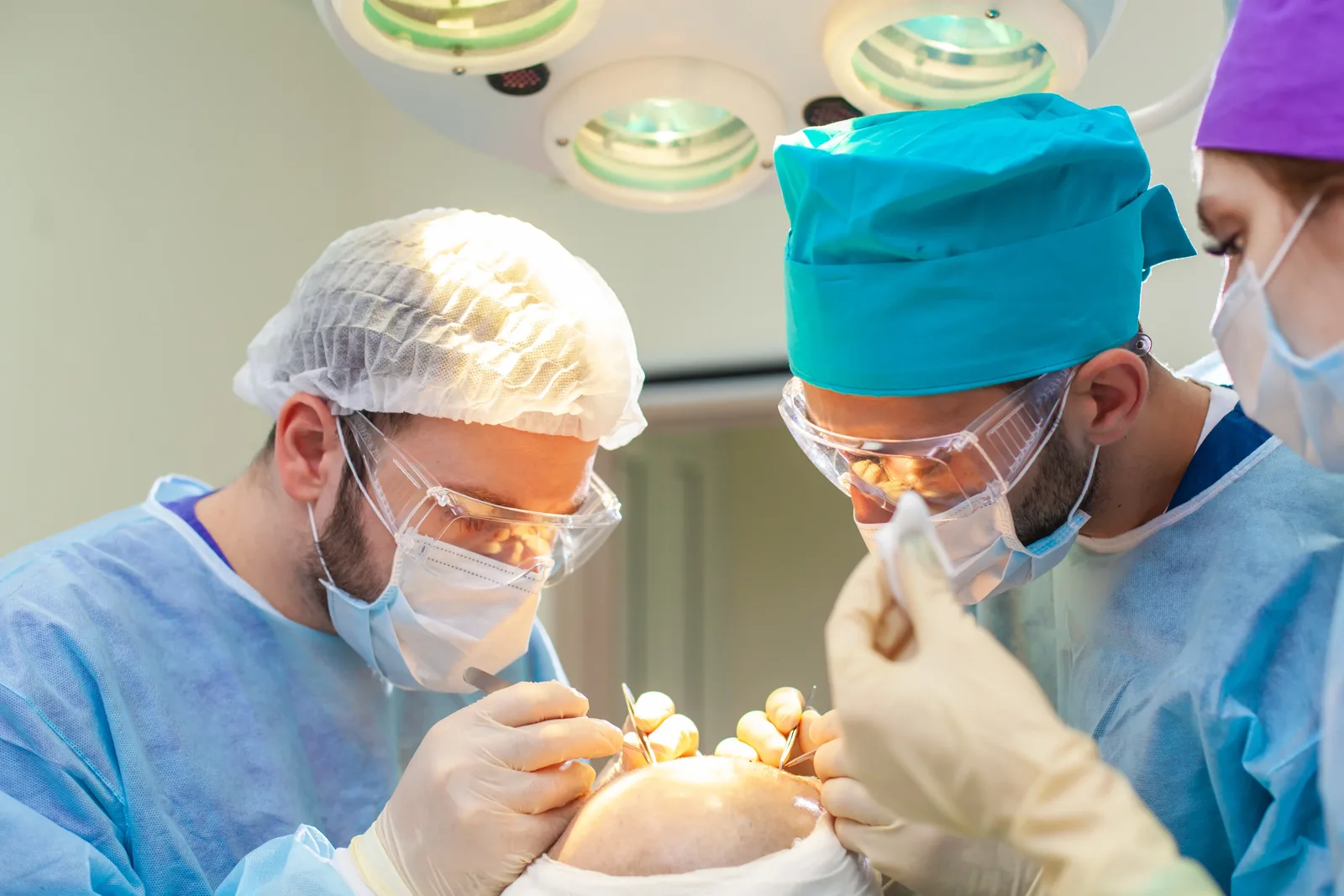
Beard-to-scalp transfer involves harvesting hair follicles from the beard area and transplanting them to the scalp. This method can be particularly beneficial for individuals who may not have sufficient donor hair on their scalp but possess a robust beard. The process begins with a thorough assessment of the patient's hair loss condition and the characteristics of their beard hair. The harvested follicles are then meticulously implanted into the thinning or balding areas of the scalp, allowing for a natural and aesthetically pleasing result.
One of the key advantages of this technique is that beard hair is often thicker and coarser than scalp hair, which can lead to a fuller appearance when transplanted. Additionally, beard hair tends to have a different growth cycle, which can provide a unique opportunity for patients who have previously experienced limited success with traditional hair restoration methods. By utilizing hair from the beard, patients can achieve a more satisfactory outcome, especially in areas where scalp hair is sparse.
Furthermore, the beard-to-scalp transfer is not just a simple procedure; it requires a skilled specialist who understands the nuances of hair characteristics and growth patterns. The expertise of Adem Demiral ensures that the procedure is performed with precision, maximizing the chances of successful integration of the transplanted follicles into the scalp.
This procedure is typically discussed when patients have:
Individuals experiencing androgenetic alopecia or pattern baldness may find this technique particularly advantageous. Those who have undergone previous hair transplants but are dissatisfied with the results may also benefit from this innovative approach. Beard-to-scalp transfer can serve as a complementary procedure to enhance the density and overall appearance of the hairline.
Moreover, candidates for this procedure should be in good overall health and have realistic expectations regarding the outcomes. It is essential for patients to engage in open discussions with Adem Demiral about their hair restoration goals, as this will help determine if beard-to-scalp transfer is the most suitable option for their unique situation. The consultation process is critical, as it allows for a personalized treatment plan tailored to the individual's specific needs.
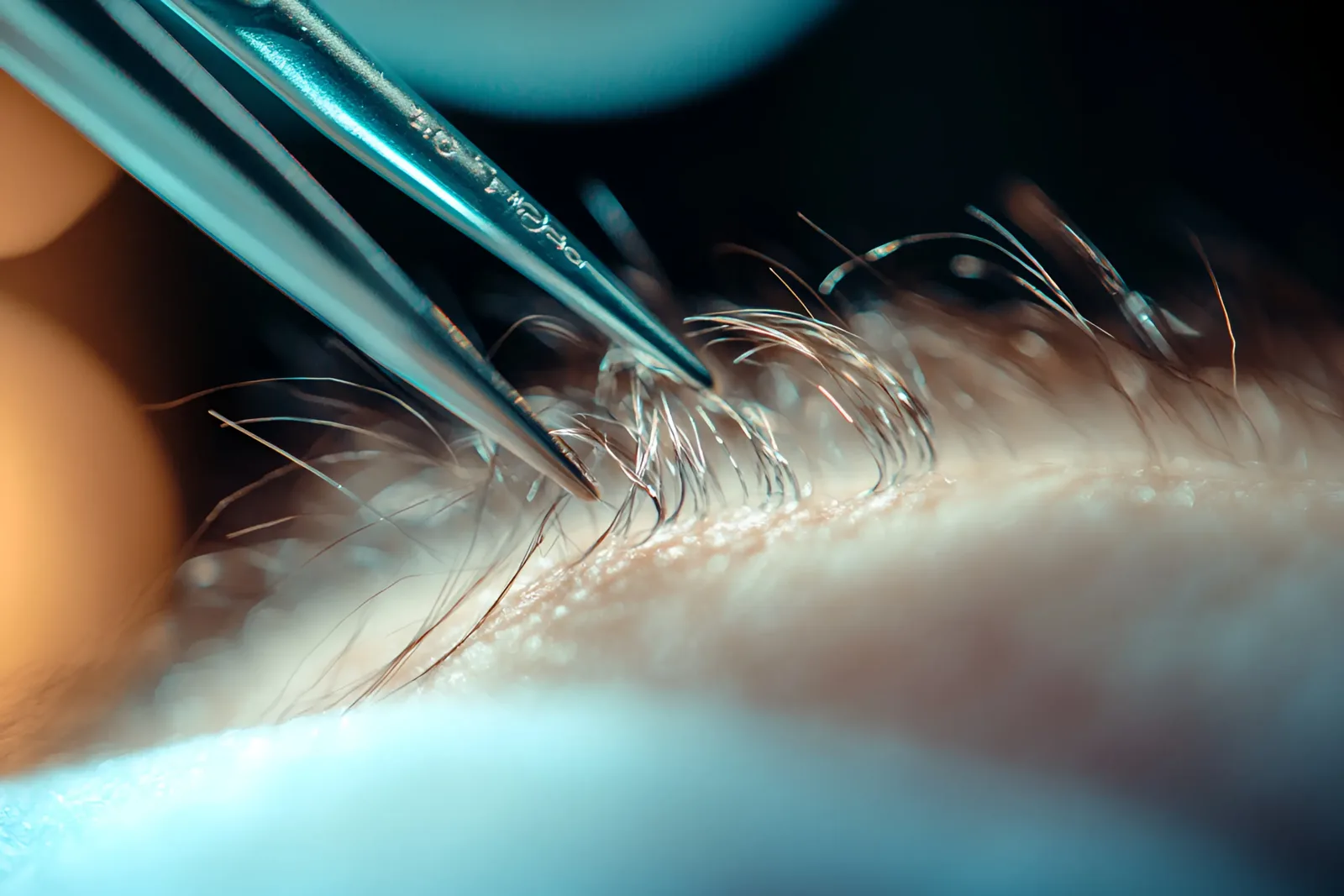
There are several advantages to considering beard-to-scalp transfer:
Additionally, beard-to-scalp transfer can be particularly beneficial for individuals who have experienced hair loss due to trauma or surgical procedures. The use of beard hair can provide a second chance for those who may have limited options due to previous scarring or hair loss patterns. Furthermore, the psychological benefits of restoring hair can significantly enhance a patient’s self-esteem and overall quality of life.
Another critical aspect is the longevity of the results. Hair follicles transplanted from the beard are often resistant to the hormonal factors that contribute to hair loss. This means that, once successfully integrated into the scalp, these follicles can continue to grow and thrive, providing a long-lasting solution for hair restoration.
During a consultation at Adem Demiral Hair Clinic, patients can discuss their specific needs and evaluate whether beard-to-scalp transfer is the right choice. The clinic offers a range of techniques, including Diamond FUE and DHI Pro, ensuring that each patient receives personalized care. The initial consultation is a comprehensive process that involves assessing the patient's hair loss condition, discussing medical history, and understanding their expectations.
Adem Demiral emphasizes the importance of creating a customized treatment plan that aligns with the patient's goals. This may include a combination of beard-to-scalp transfer and other hair restoration techniques, depending on the individual's unique profile. By leveraging advanced technologies and techniques, the clinic aims to provide optimal results while ensuring patient comfort and satisfaction.
Moreover, the consultation process also covers the potential risks and complications associated with the procedure. Patients are encouraged to ask questions and express any concerns they may have. This open dialogue fosters a trusting relationship between the patient and the specialist, which is essential for a successful outcome. Adem Demiral's commitment to patient education and transparency ensures that individuals feel empowered to make informed decisions about their hair restoration journey.
Several factors may influence the decision to proceed with a beard-to-scalp transfer:
Additionally, the age of the patient can play a role in the decision-making process. Younger individuals may experience progressive hair loss, which could affect the long-term viability of the transplanted hair. In such cases, it may be advisable to consider a comprehensive hair restoration strategy that includes ongoing monitoring and potential future procedures.
Furthermore, lifestyle factors such as smoking, nutrition, and stress levels can also impact hair health and the success of the procedure. Patients are encouraged to adopt a healthy lifestyle and follow pre-operative guidelines to optimize their candidacy for beard-to-scalp transfer. This holistic approach not only enhances the likelihood of successful outcomes but also promotes overall well-being.
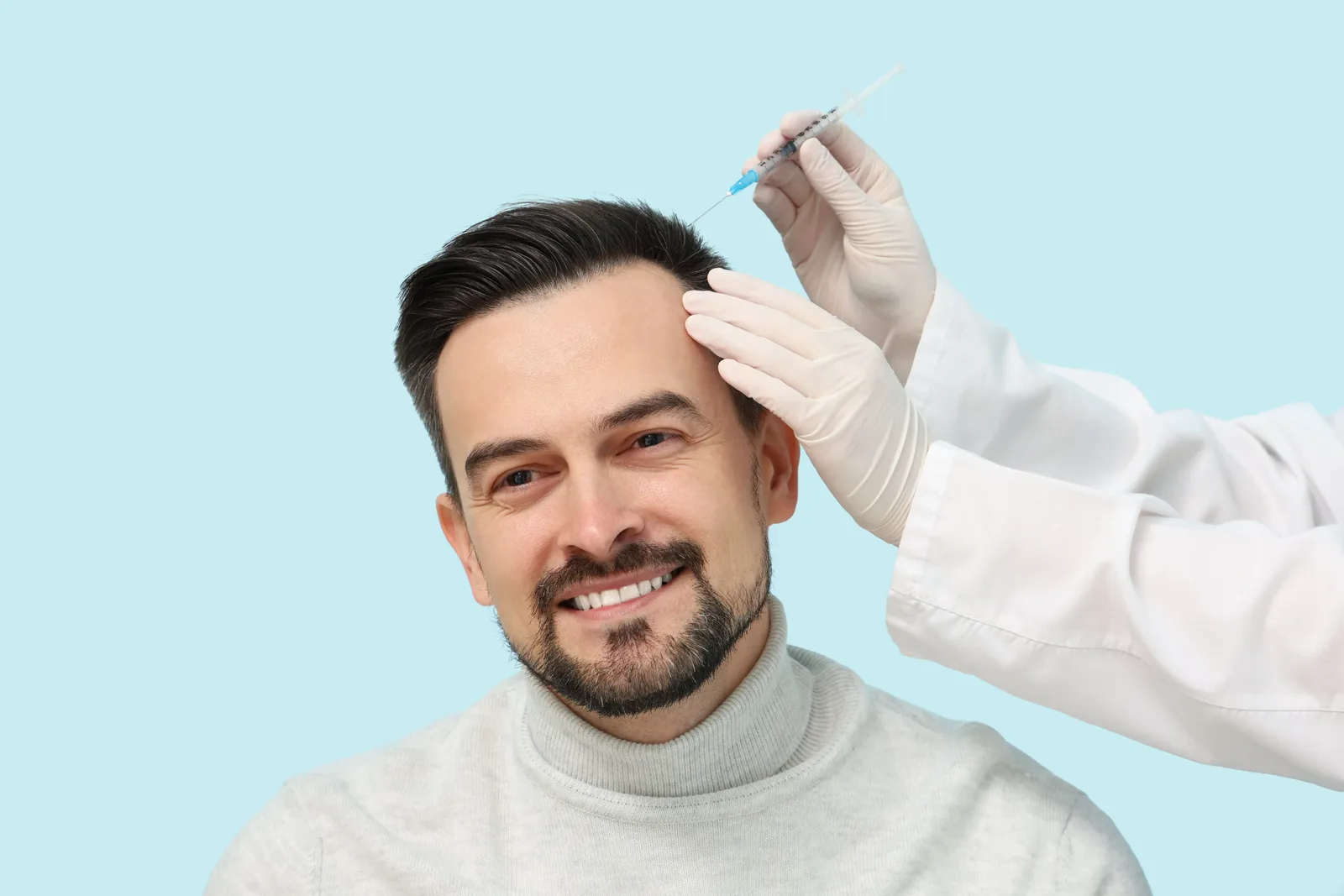
After undergoing beard-to-scalp transfer, patients must adhere to specific aftercare guidelines to promote healing and optimize results. This includes avoiding direct sunlight, following a prescribed hair care routine, and attending follow-up appointments. The initial healing phase is critical, and patients are advised to avoid strenuous activities that may lead to excessive sweating or strain on the scalp.
Patients should also be mindful of their hair care products. Using gentle, sulfate-free shampoos and conditioners can help maintain the health of both the transplanted and existing hair. Adem Demiral provides detailed aftercare instructions tailored to each patient's specific needs, ensuring that they have the necessary tools to support their recovery.
Follow-up appointments are essential for monitoring the healing process and assessing the growth of the transplanted hair. During these visits, Adem Demiral can address any concerns and make adjustments to the aftercare regimen if needed. Patients are encouraged to communicate openly about their experiences, as this feedback is invaluable in refining the overall treatment approach.
Beard-to-scalp transfer is a valuable option for individuals looking to restore their hair. With the expertise of Adem Demiral, a hair transplant specialist in Atasehir, Istanbul, patients can explore this innovative technique tailored to their unique needs. The combination of advanced techniques, personalized care, and a thorough understanding of hair restoration principles positions the clinic as a leader in the field.
As the demand for effective hair restoration solutions continues to grow, beard-to-scalp transfer stands out as a promising option for those seeking a natural and long-lasting solution to hair loss. By utilizing available donor hair from the beard, patients can achieve a fuller, more youthful appearance while enhancing their self-confidence. With proper consultation, care, and commitment, individuals can embark on a successful hair restoration journey that transforms not just their hair but their overall outlook on life.
Beard-to-scalp transfer is a hair restoration technique that involves harvesting hair follicles from the beard area and transplanting them to the scalp. This innovative approach allows for the utilization of available donor hair when traditional scalp donor areas are insufficient.
Individuals with thinning hair, a strong beard, and realistic expectations about results may be good candidates for beard-to-scalp transfer. It is particularly suitable for those who have experienced limited success with previous hair restoration techniques.
The duration of the procedure can vary based on the number of follicles being transplanted, but it typically lasts several hours. The complexity of the case and the specific techniques employed can also influence the overall time required.
Benefits include utilizing available donor hair, achieving a natural look, and minimizing visible scarring. Additionally, beard-to-scalp transfer can provide long-lasting results and enhance the overall density of hair in the treated areas.
Yes, patients must follow specific aftercare guidelines to ensure proper healing and optimal results. This includes avoiding direct sunlight, following a prescribed hair care routine, and attending follow-up appointments for monitoring.
Yes, beard-to-scalp transfer can be combined with other techniques like Diamond FUE or DHI Pro, depending on individual needs. A comprehensive approach may enhance overall results and address various aspects of hair restoration.
This article is published by Adem Demiral Hair Clinic for general information. It is not a diagnosis, a treatment plan, or a personal graft estimate. Suitability requires an in-person assessment in Atasehir.
How does the hair transplant process in Turkey work? Discover a detailed guide about hair transplant in Istanbul, recovery, clinic selection, and the premium patient experience.
Learn More
How does the recovery process after a hair transplant progress? Discover the first wash, shock loss, hair growth timeline, and the 12-month transformation in detail.
Learn More
Discover the differences between DHI and Sapphire FUE hair transplantation. A detailed comparison in terms of density, natural appearance, recovery process, and unshaven hair transplantation.
Learn More
Hair loss can become both a physical and psychological concern for many people. Today, hair transplantation stands out as one of the most effective solutions for addressing this issue.
Learn More
Hair loss can become both a physical and psychological challenge for many people. Today, hair transplantation stands out as one of the most effective solutions to this problem.
Learn MoreFill out the form for hair analysis, appointments, and consultation requests, or contact us directly.