
How does the hair transplant process in Turkey work? Discover a detailed guide about hair transplant in Istanbul, recovery, clinic selection, and the premium patient experience.
Learn More
Choosing the right shampoo and care products is crucial for maintaining healthy hair. Adem Demiral, a hair transplant specialist in Atasehir, Istanbul, emphasizes the importance of making informed decisions to avoid overkill in hair care.
Before selecting any hair care product, it's essential to understand your hair type and its specific needs. Hair can be categorized into various types, including straight, wavy, curly, and coily, each requiring different care approaches. Straight hair tends to be oilier, as the natural oils produced by the scalp can easily travel down the hair shaft. Wavy hair may require products that enhance its natural texture while controlling frizz. Curly hair often needs more moisture and definition to prevent dryness and breakage, while coily hair usually benefits from heavy creams and oils to maintain hydration and manageability.
Additionally, factors such as hair texture, thickness, and scalp condition should be considered. Fine hair may require lightweight products that do not weigh it down, while thick hair often benefits from richer formulations. Scalp conditions like dandruff, sensitivity, or oiliness also play a critical role in product selection. This knowledge helps in choosing products that enhance your hair's natural beauty without overwhelming it with unnecessary ingredients. Tailoring your hair care routine to your specific hair type and needs is fundamental in achieving optimal results.
Overusing hair care products can lead to several issues, including product buildup, scalp irritation, and compromised hair health. When too many products are applied, they can weigh hair down and make it appear greasy or lifeless. This can be particularly problematic for individuals with fine hair, who may find that their hair becomes limp and lacks volume due to excessive product application. Furthermore, excessive use of certain ingredients may lead to allergic reactions or sensitivities, which can manifest as itching, redness, or even hair loss in severe cases.
Understanding the balance between effective care and overindulgence is key to maintaining healthy hair. It is advisable to regularly assess the products in your hair care regimen and eliminate those that are not yielding desired results. A minimalist approach, focusing on a few high-quality products tailored to your specific needs, often proves more effective than using a multitude of products that may interact negatively with one another. Developing a thoughtful hair care routine can save both time and money while promoting healthier hair.
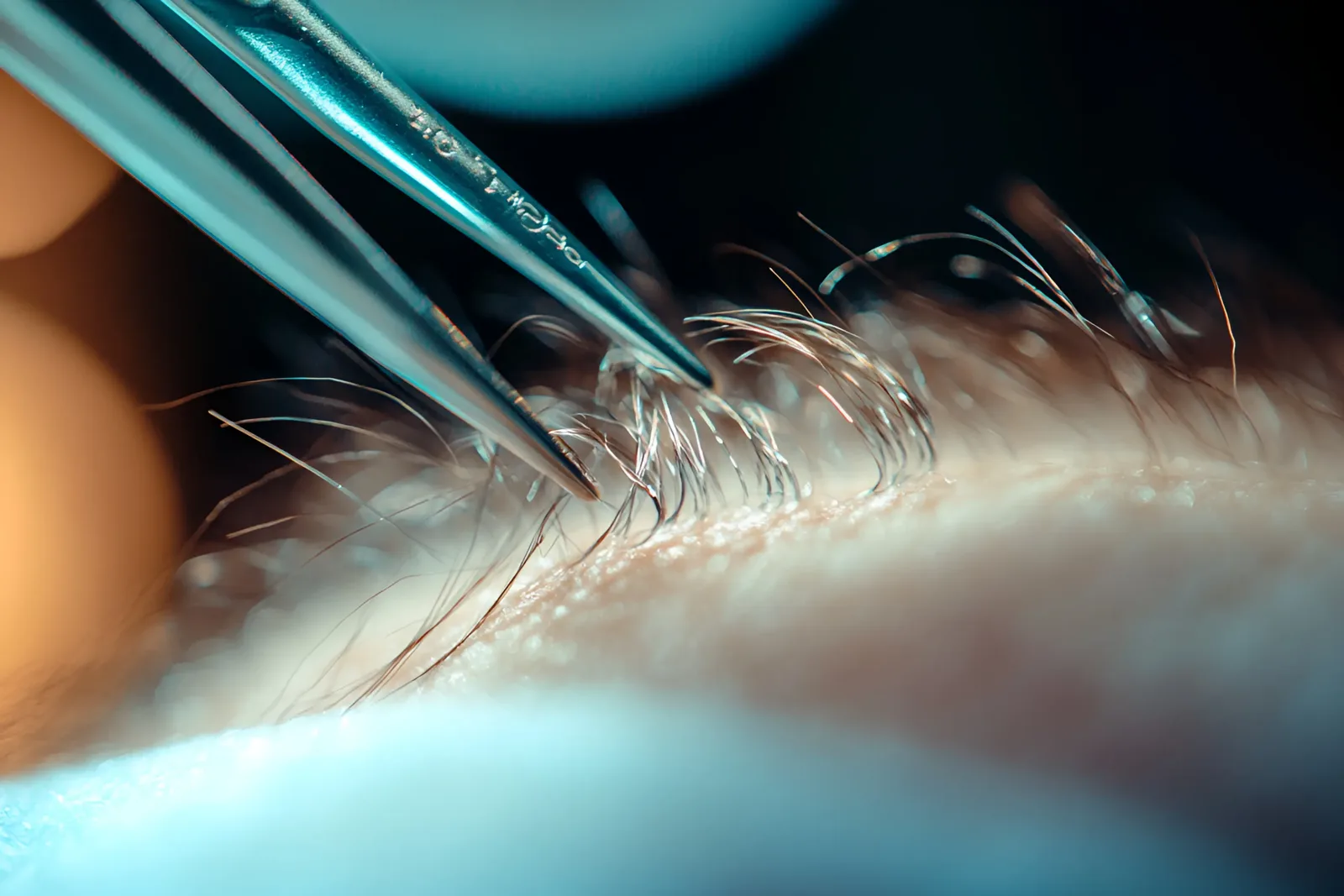
When selecting a shampoo, consider the following factors:
Choosing the right shampoo is not just about cleansing; it sets the foundation for the health of your hair. A well-formulated shampoo can enhance shine, improve manageability, and promote overall hair vitality. It is also beneficial to rotate shampoos occasionally, as your hair and scalp may adapt to a particular formula over time, leading to diminished results.
Conditioners and treatments are essential for maintaining hair health, but overusing them can lead to adverse effects. It's important to choose a conditioner that complements your shampoo and addresses your hair's needs. For example, if you have dry hair, opt for a moisturizing conditioner rich in emollients and humectants. On the other hand, if your hair is fine and prone to oiliness, a lightweight conditioner that provides hydration without heaviness is ideal.
Additionally, treatments such as masks or oils should be used sparingly and according to the manufacturer's instructions. Deep conditioning treatments can provide intensive moisture and repair, but they should not be used more than once a week, as over-conditioning can lead to limp hair. Hair oils can be beneficial for sealing in moisture but should be applied in moderation to avoid greasiness. Understanding the right balance and frequency of use for these products is crucial in achieving and maintaining healthy hair.
Familiarizing yourself with common hair care ingredients can help you make informed choices. Some beneficial ingredients include:
On the other hand, be cautious of ingredients like sulfates and parabens, which can strip hair of its natural oils and cause damage over time. Sulfates, commonly found in many shampoos, can lead to dryness and irritation, especially for those with sensitive scalps or color-treated hair. Parabens, used as preservatives, have raised concerns regarding their potential health effects. Opting for products labeled as sulfate-free and paraben-free can be a safer choice for maintaining hair health.
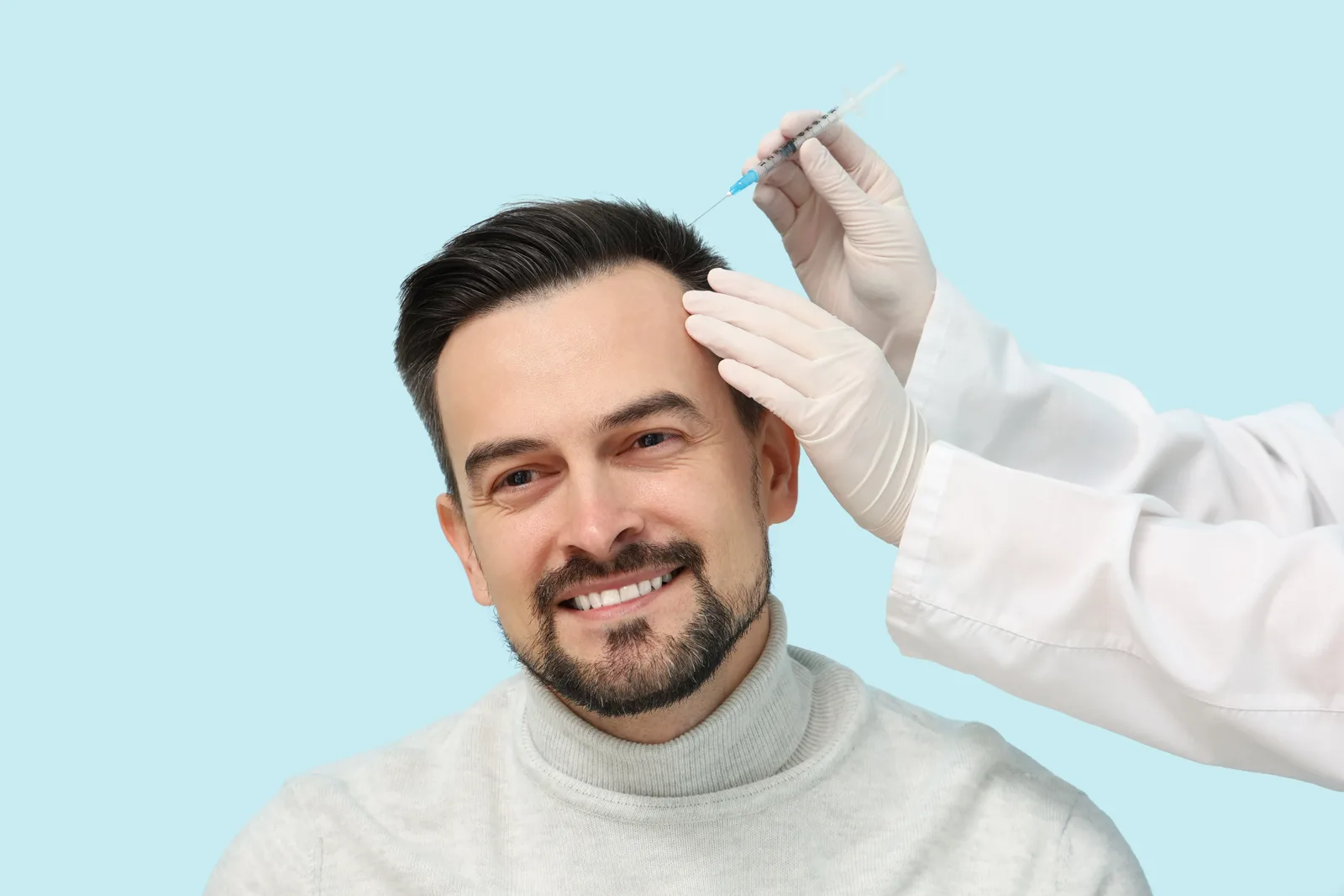
For personalized advice, consider consulting with a hair care professional or a specialist like Adem Demiral. His expertise can help you understand your hair's unique needs and recommend suitable products that avoid overkill. A professional assessment can also identify underlying issues that may require specialized treatment, such as scalp conditions or hair loss concerns.
Consultations with professionals can provide insights into the latest advancements in hair care technology and product formulations. They can also guide you in creating a tailored hair care regimen that incorporates both at-home care and professional treatments, ensuring that you achieve the best possible results for your hair type and condition. Regular follow-ups with a specialist can help you adapt your routine as your hair changes over time, keeping it healthy and vibrant.
Your lifestyle can significantly impact your hair health and the products you should use. Factors such as diet, stress levels, and environmental exposure play a role in how your hair behaves. Ensuring a balanced diet rich in vitamins and minerals can enhance hair health. Nutrients like biotin, vitamin E, and omega-3 fatty acids are essential for maintaining strong, healthy hair. Incorporating a variety of whole foods, including fruits, vegetables, lean proteins, and healthy fats, can provide the necessary building blocks for optimal hair growth.
Minimizing stress through relaxation techniques can prevent hair loss. Stress is known to trigger hair shedding and can exacerbate existing hair conditions. Techniques such as yoga, meditation, and regular exercise can help manage stress levels, contributing to overall well-being and healthier hair. Additionally, environmental factors such as pollution, sun exposure, and harsh weather conditions can affect hair health. Using protective products, such as leave-in conditioners with UV filters or wearing hats in extreme weather, can help shield your hair from environmental damage.
Finding the right products may require some trial and error. Start with a few essential items tailored to your hair type and needs, and gradually introduce new products if necessary. Monitoring how your hair responds to different products and adjusting your routine accordingly is crucial. Keep in mind that hair can change due to various factors, including hormonal fluctuations, seasonal changes, and health conditions, so being flexible and open to adjustments is key.
Documenting your experiences with different products can also be helpful. Keeping a hair journal to note the products used, how your hair feels and looks, and any changes observed can assist in identifying what works best for you. Remember, less is often more when it comes to hair care, and focusing on quality over quantity can lead to a more effective and satisfying hair care routine.
In summary, selecting the right shampoo and care products involves understanding your hair type, avoiding overuse, and consulting with professionals when needed. By making informed choices, you can maintain healthy hair without falling into the trap of overkill. For more information about hair care and services, visit our services page or contact us for personalized advice. Remember, the journey to healthy hair is a personal one, and investing time in understanding your hair's unique needs will yield the best results.
This article is published by Adem Demiral Hair Clinic for general information. It is not a diagnosis, a treatment plan, or a personal graft estimate. Suitability requires an in-person assessment in Atasehir.
How does the hair transplant process in Turkey work? Discover a detailed guide about hair transplant in Istanbul, recovery, clinic selection, and the premium patient experience.
Learn More
How does the recovery process after a hair transplant progress? Discover the first wash, shock loss, hair growth timeline, and the 12-month transformation in detail.
Learn More
Discover the differences between DHI and Sapphire FUE hair transplantation. A detailed comparison in terms of density, natural appearance, recovery process, and unshaven hair transplantation.
Learn More
Hair loss can become both a physical and psychological concern for many people. Today, hair transplantation stands out as one of the most effective solutions for addressing this issue.
Learn More
Hair loss can become both a physical and psychological challenge for many people. Today, hair transplantation stands out as one of the most effective solutions to this problem.
Learn MoreFill out the form for hair analysis, appointments, and consultation requests, or contact us directly.