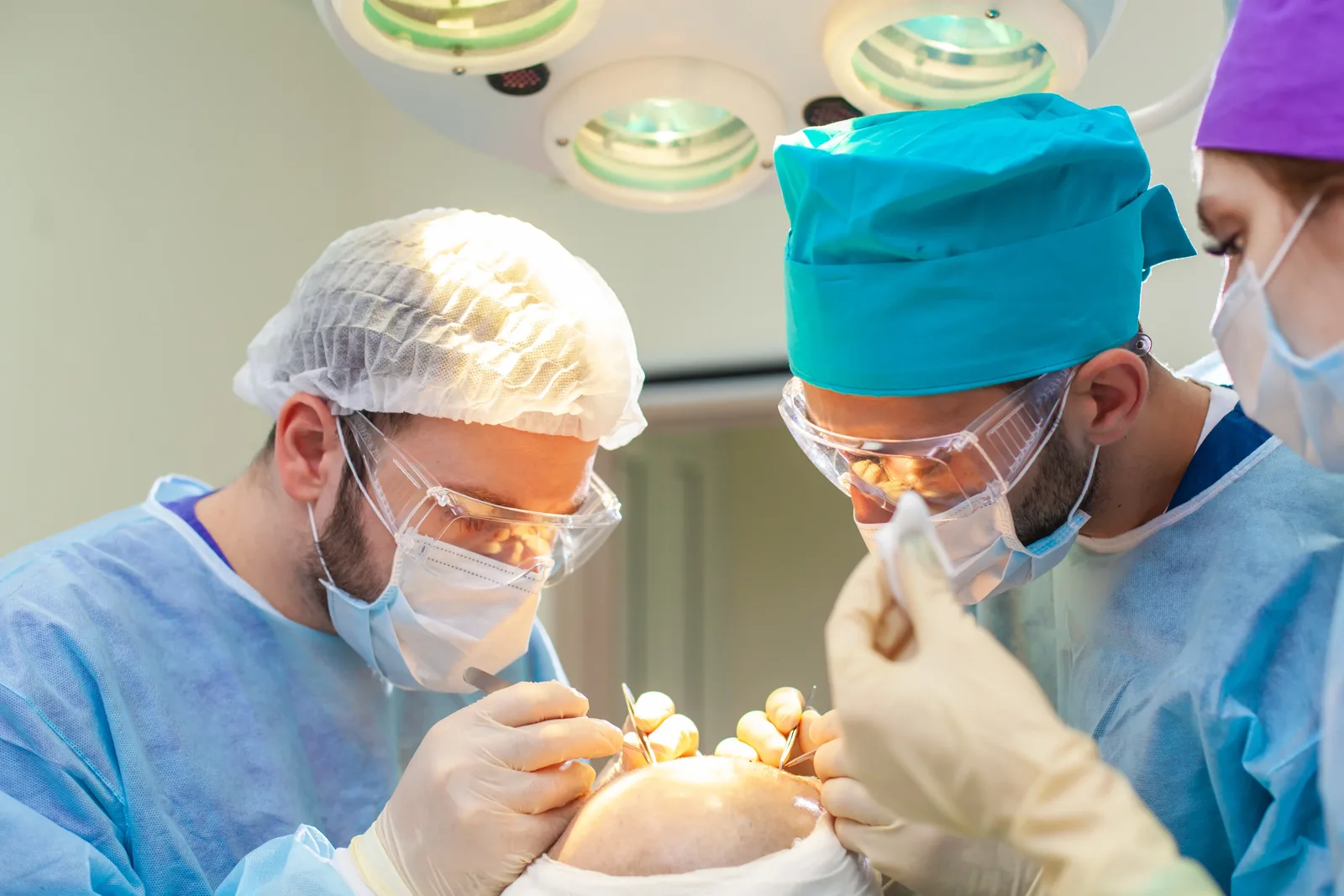
How does the hair transplant process in Turkey work? Discover a detailed guide about hair transplant in Istanbul, recovery, clinic selection, and the premium patient experience.
Learn More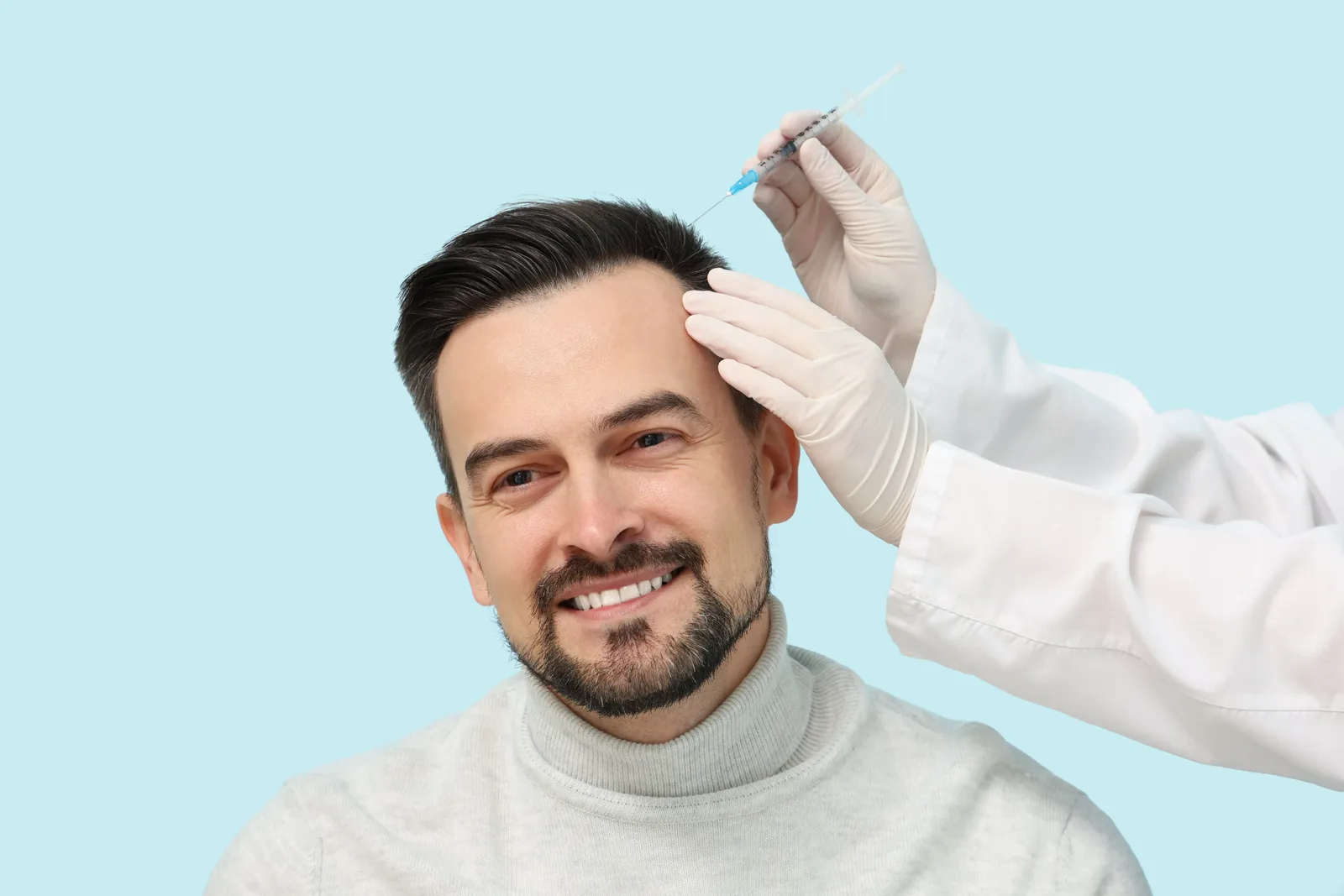
Adem Demiral, a hair transplant specialist located in Atasehir, Istanbul, emphasizes the crucial role of angle and direction in achieving a natural look in hair transplants. These elements are fundamental to creating a seamless integration of transplanted hair with the patient's existing hair.
Before delving into the specifics of angle and direction, it is essential to understand that hair grows in specific patterns. Each individual's hair has a natural growth direction, which can vary significantly from one person to another. A successful hair transplant must consider these patterns to ensure that the new hair follicles blend naturally with the existing hair.
Hair growth patterns are influenced by several factors, including genetics, ethnicity, and hormonal changes. For instance, individuals of different ethnic backgrounds may exhibit distinct hair growth orientations. Additionally, age can alter hair growth patterns, as many people experience changes in density and direction as they age. Understanding these patterns is crucial for hair transplant specialists to tailor their approach to each patient's unique needs.
Moreover, the density of existing hair can also impact how new hair follicles are placed. In areas where hair is thinning, the angle and direction of transplanted hair must be meticulously calculated to ensure that the final appearance is not only natural but also visually appealing. The goal is to create an illusion of fullness and volume, which requires a deep understanding of the patient's individual hair characteristics.
The angle at which hair follicles are implanted is one of the most critical factors influencing the outcome of a hair transplant. A natural hairline typically has a varying angle that mimics the way hair grows naturally. If the angle is too steep or too flat, the result can appear artificial.
When considering the angle, it is essential to recognize that the frontal hairline should ideally have a more acute angle, which creates a youthful look. In contrast, the crown area may benefit from a more obtuse angle, allowing for a softer, more natural appearance. This nuanced understanding of angles is what sets apart a skilled hair transplant specialist from a novice. The ability to adapt angles based on the specific area of the scalp being treated is a hallmark of expertise.
Furthermore, the use of variable angles throughout the scalp can enhance realism. For instance, the transition from the frontal hairline to the crown should be seamless, requiring a careful adjustment of angles to ensure that the hair appears to flow naturally. This level of detail is what can elevate a hair transplant from a simple procedure to an art form, resulting in a look that is indistinguishable from natural hair growth.
Each type of angle serves its purpose in achieving the desired outcome. Acute angles, for example, are critical for creating the illusion of a natural hairline, particularly in younger patients or those seeking to restore a youthful look. In contrast, obtuse angles are more appropriate for areas where hair naturally lays flatter, such as the crown, which can help in creating a more realistic and less rigid appearance.
Variable angles are particularly important in areas where hair density varies. By employing a mix of angles, specialists can create a more dynamic and lifelike hair pattern, avoiding the flat, uniform look that can often result from a one-size-fits-all approach. This attention to detail is what allows for a customized and tailored hair transplant experience, ensuring that each patient receives a result that is uniquely suited to their individual hair characteristics and aesthetic goals.

In addition to angle, the direction of hair follicles is equally important. Hair should be implanted in a direction that follows the natural growth pattern. This consideration helps in achieving a more realistic appearance, as hair that grows in the wrong direction can lead to an unnatural look.
Understanding the natural direction of hair growth is a critical component of the hair transplant process. Hair typically grows in patterns that are influenced by the shape of the scalp, the direction of the hair follicles, and the overall hair density. A skilled transplant specialist must assess these factors to ensure that each follicle is placed in a way that mimics natural growth. This includes not only the angle at which the hair is placed but also the specific trajectory that the hair will follow as it grows.
Moreover, the direction of hair growth can change based on the area of the scalp. For instance, hair on the sides of the head may grow in a different direction compared to hair on the crown or the back. This variability necessitates a careful examination of the scalp and a tailored approach to follicle placement. By ensuring that the direction aligns with the natural growth patterns, the transplant can achieve a level of realism that is often sought after by patients.
Several factors can influence the direction of hair growth, including:
Genetics play a significant role in determining not only the density and thickness of hair but also its natural growth direction. For example, individuals with curly hair may have a different growth pattern compared to those with straight hair. Understanding these genetic predispositions is essential for specialists when planning a hair transplant, as it allows them to anticipate how the hair will behave post-transplant.
Age is another critical factor, as hair may change in texture and direction over time. As individuals age, they may experience thinning hair or changes in the way their hair lays, which can complicate the transplant process. A thorough evaluation of the patient's hair history and current condition is essential to develop an effective transplant strategy that accounts for these changes.
Lastly, the type and texture of hair can significantly influence how it grows and lays on the scalp. For instance, fine hair may require a different approach compared to coarse hair, as the latter may need more careful placement to avoid clumping or an unnatural appearance. By considering these factors, specialists can ensure that the direction of the transplanted hair aligns with the patient's natural growth patterns, resulting in a more cohesive and authentic look.
At Adem Demiral Hair Clinic, various advanced techniques are employed to ensure optimal angle and direction for hair transplants. These techniques include:
The Diamond FUE technique is particularly noteworthy for its precision. By utilizing diamond-tipped tools, hair follicles can be extracted and implanted with minimal trauma to the surrounding tissue. This precision not only enhances the overall aesthetic outcome but also promotes faster healing and reduces the risk of complications.
The DHI Pro technique further enhances the control that specialists have over the angle and direction of hair follicles. This method allows for the direct implantation of hair follicles into the recipient area without the need for prior incisions. This not only streamlines the process but also allows for real-time adjustments based on the natural growth patterns observed during the procedure.
Sapphire FUE is another advanced technique that employs sapphire blades for follicle extraction and implantation. The use of sapphire blades allows for finer incisions, which can lead to less scarring and a more natural appearance. This technique is particularly beneficial for patients seeking to minimize visible signs of the procedure.
Lastly, the unshaven transplant technique is a game-changer for those who prefer to maintain their existing hairstyle during the transplant process. By allowing for discreet procedures, this technique caters to patients who may be concerned about the visibility of their transplant while still providing the same level of care and precision.
After the transplant, proper care is essential to support the natural growth of hair. Techniques such as PRP (Platelet-Rich Plasma) therapy and stem-cell supported care can enhance the healing process and promote healthier hair growth.
PRP therapy is a cutting-edge treatment that utilizes the patient's own blood to promote healing and stimulate hair growth. The process involves drawing a small amount of blood, which is then processed to concentrate the platelets and growth factors. This concentrated solution is then injected into the scalp, where it can enhance blood circulation and encourage the regeneration of hair follicles. Many patients report improved hair density and vitality following PRP therapy, making it a valuable addition to post-transplant care.
Stem-cell supported care is another innovative approach that is gaining traction in the field of hair restoration. This technique involves the use of stem cells to promote healing and stimulate hair growth. By harnessing the regenerative properties of stem cells, specialists can enhance the overall effectiveness of the transplant and support the natural growth process. This is particularly beneficial for patients who may have experienced significant hair loss or thinning, as it can help to rejuvenate the scalp and create a more conducive environment for hair regrowth.
In addition to these advanced therapies, patients are advised to follow specific post-operative care instructions, including avoiding strenuous activities, protecting the scalp from sun exposure, and adhering to a proper hair care regimen. By following these guidelines, patients can maximize their results and enjoy the full benefits of their hair transplant.
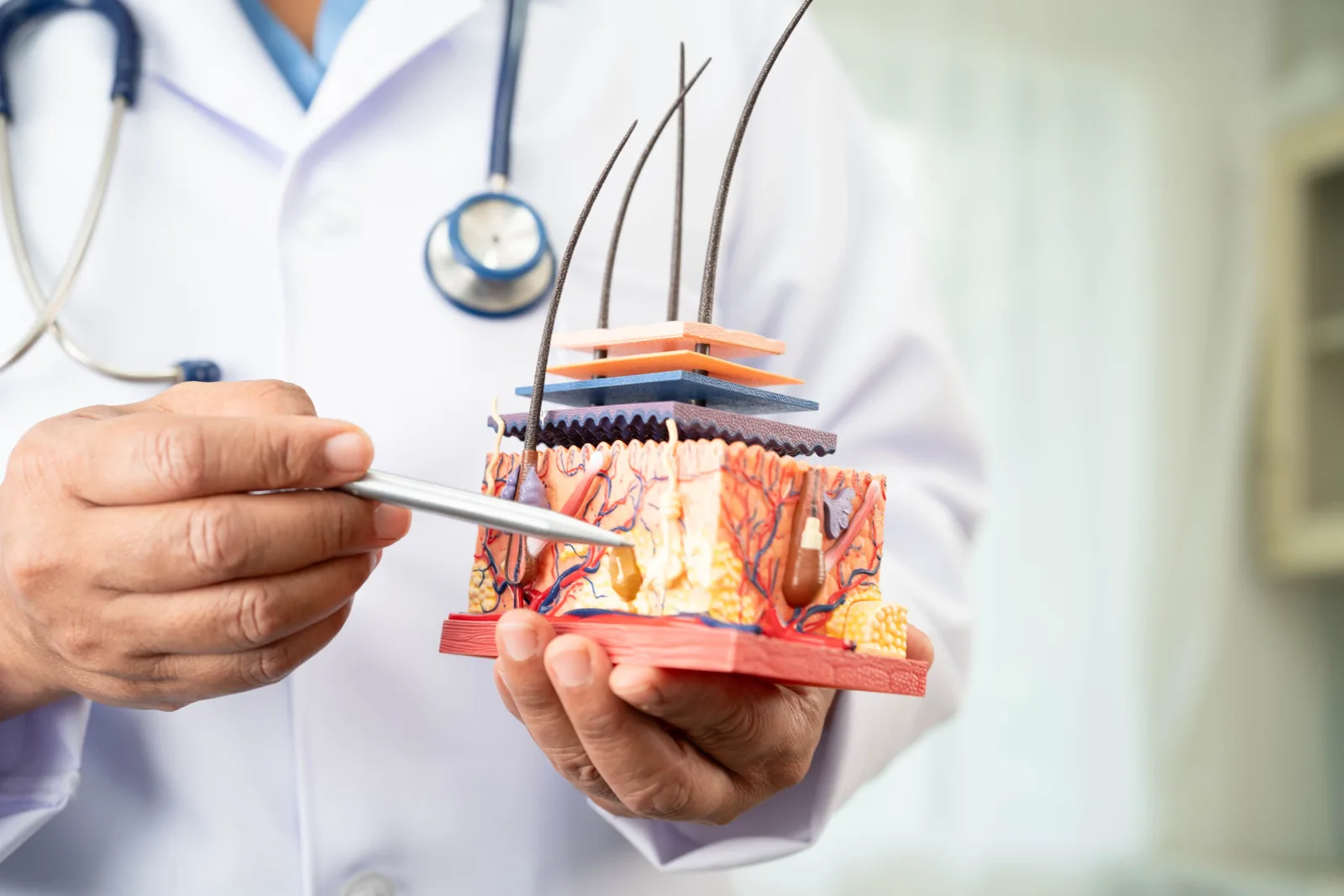
In summary, the angle and direction of hair follicles are essential components of a successful hair transplant, particularly at Adem Demiral Hair Clinic in Atasehir, Istanbul. By understanding and applying these principles, patients can achieve a natural and aesthetically pleasing result. The clinic's commitment to utilizing advanced techniques and personalized care ensures that each patient receives a tailored experience that meets their unique needs.
For more information about our procedures, visit our services page or contact us through our contact page. We are dedicated to helping you achieve your hair restoration goals with the highest level of expertise and care.
The angle at which hair follicles are implanted affects how natural the hair appears; incorrect angles can lead to an artificial look.
Hair follicles must be implanted in the direction of natural hair growth to achieve a realistic appearance.
Techniques like Diamond FUE, DHI Pro, and Sapphire FUE are used to ensure precise placement of hair follicles.
Yes, the unshaven transplant technique allows for hair restoration without shaving the donor area.
PRP therapy involves using the patient's own blood to promote healing and enhance hair growth post-transplant.
Adem Demiral Hair Clinic is situated in Atasehir, Istanbul, providing specialized hair transplant services.
This article is published by Adem Demiral Hair Clinic for general information. It is not a diagnosis, a treatment plan, or a personal graft estimate. Suitability requires an in-person assessment in Atasehir.
How does the hair transplant process in Turkey work? Discover a detailed guide about hair transplant in Istanbul, recovery, clinic selection, and the premium patient experience.
Learn More
How does the recovery process after a hair transplant progress? Discover the first wash, shock loss, hair growth timeline, and the 12-month transformation in detail.
Learn More
Discover the differences between DHI and Sapphire FUE hair transplantation. A detailed comparison in terms of density, natural appearance, recovery process, and unshaven hair transplantation.
Learn More
Hair loss can become both a physical and psychological concern for many people. Today, hair transplantation stands out as one of the most effective solutions for addressing this issue.
Learn More
Hair loss can become both a physical and psychological challenge for many people. Today, hair transplantation stands out as one of the most effective solutions to this problem.
Learn MoreFill out the form for hair analysis, appointments, and consultation requests, or contact us directly.