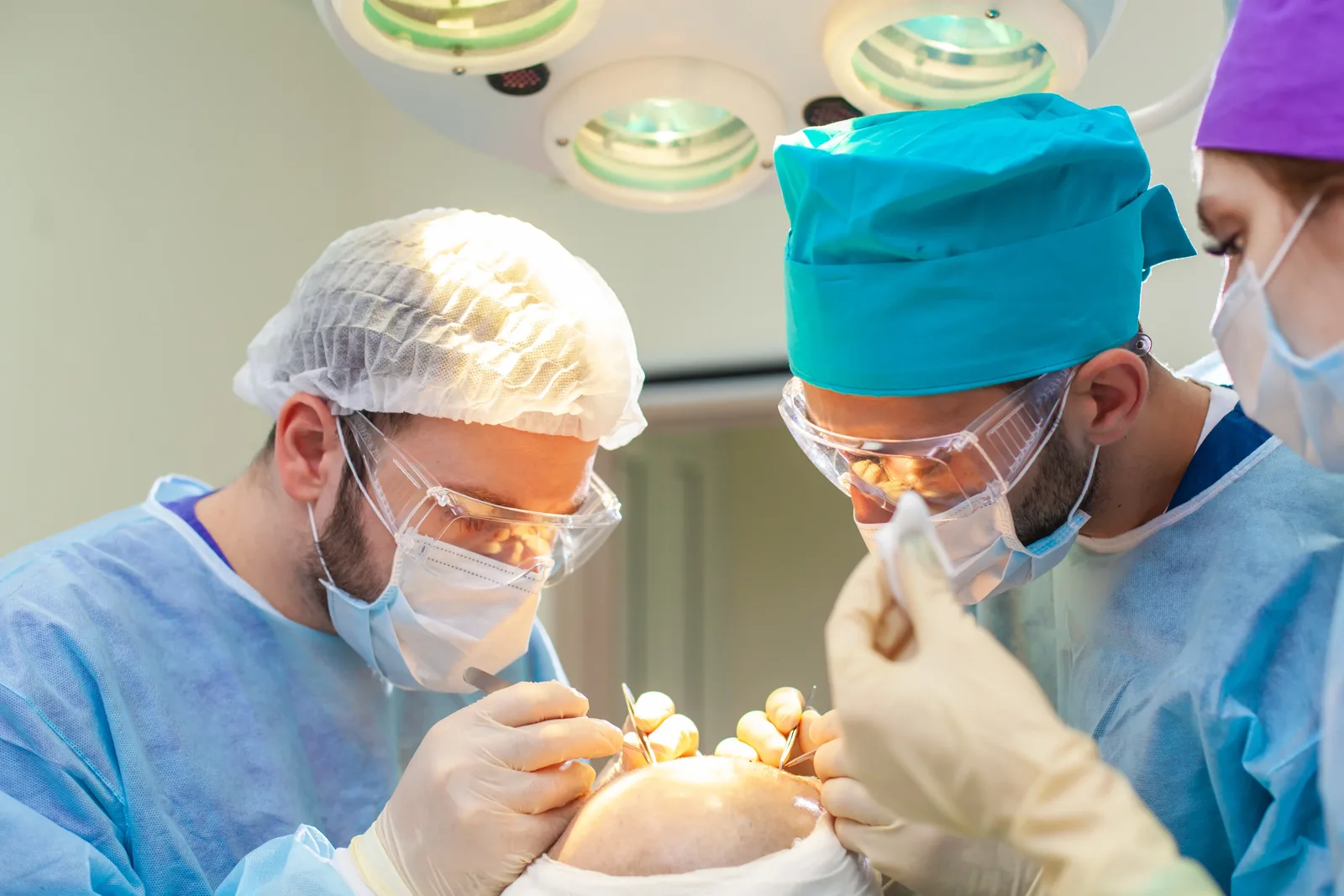
How does the hair transplant process in Turkey work? Discover a detailed guide about hair transplant in Istanbul, recovery, clinic selection, and the premium patient experience.
Learn More
Androgenetic alopecia is a hereditary condition characterized by hair loss in both men and women. This condition, often referred to as male or female pattern baldness, is a significant concern for many individuals seeking aesthetic solutions. Adem Demiral, a hair transplant specialist based in Atasehir, Istanbul, has dedicated his career to addressing such concerns through various advanced hair restoration techniques.
Androgenetic alopecia (AGA) is a progressive hair loss condition influenced by genetic and hormonal factors. It typically manifests as thinning hair and bald spots, primarily affecting the scalp. In men, it often begins with a receding hairline and thinning at the crown, while women may experience overall thinning without a distinct pattern. This condition can begin as early as the teenage years or early adulthood, making it a critical issue for many individuals concerned about their appearance.
The pathophysiology of androgenetic alopecia involves a complex interplay of genetic predisposition and hormonal changes. The condition is often linked to a family history of hair loss, suggesting a hereditary component. Genetic markers have been identified that increase the likelihood of developing AGA, indicating that individuals with a family history of baldness may be at a higher risk. Furthermore, the hormonal aspect is primarily driven by androgens, particularly dihydrotestosterone (DHT), which is a potent derivative of testosterone.
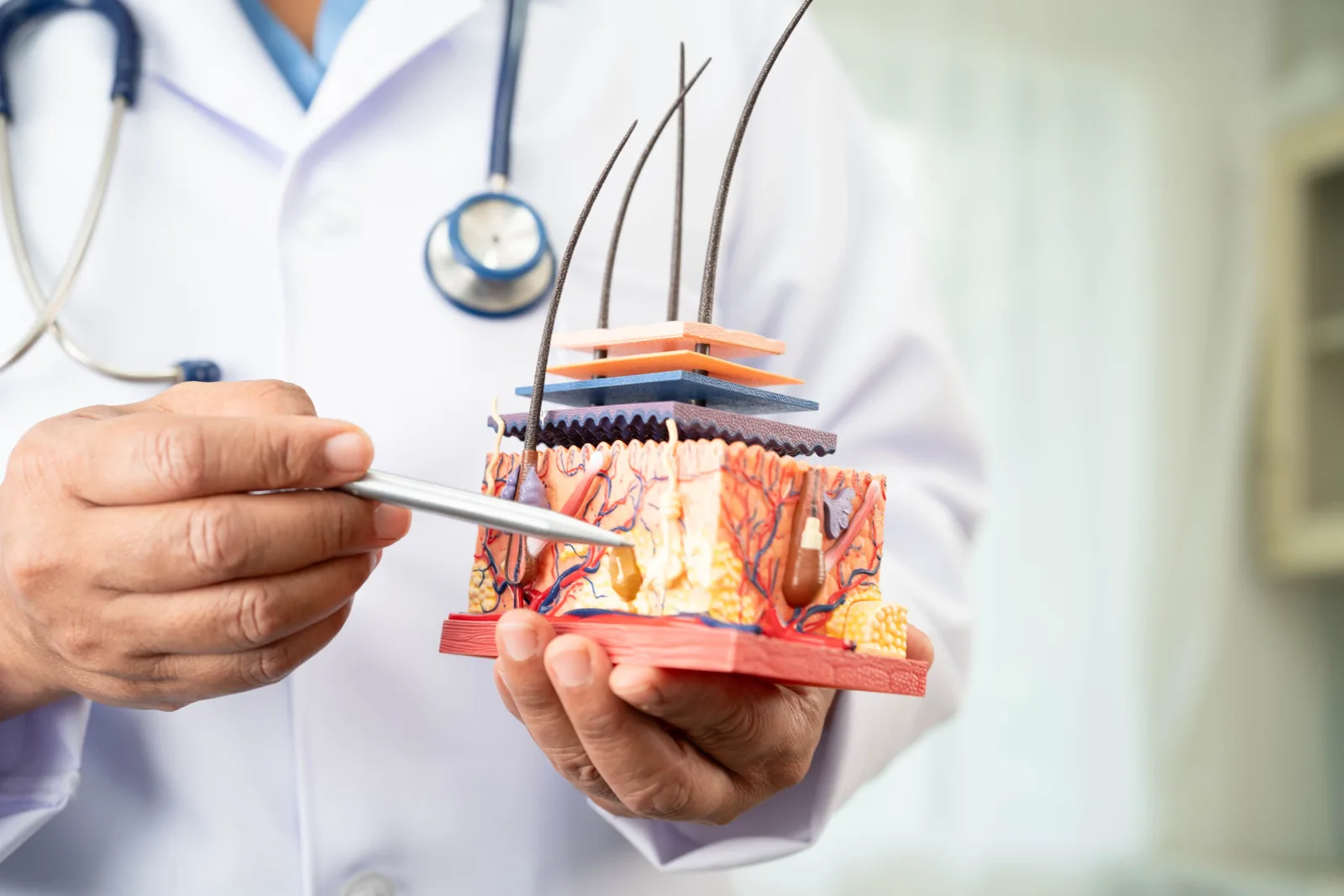
As hair follicles become sensitive to DHT, they undergo miniaturization, leading to the production of thinner and shorter hair strands. Over time, this process results in a decrease in hair density and an increase in bald areas. The emotional and psychological impact of this condition can be profound, leading many individuals to seek treatment options to restore their confidence and self-esteem.
The primary cause of androgenetic alopecia is genetic predisposition combined with hormonal changes, particularly the effects of dihydrotestosterone (DHT). DHT is a derivative of testosterone that can shrink hair follicles, leading to shorter hair growth cycles and eventually hair loss. Other contributing factors may include age, stress, and certain medical conditions. The genetic component of AGA is believed to be polygenic, meaning multiple genes contribute to the likelihood of developing the condition.
Hormonal changes play a significant role in the progression of AGA, particularly during puberty, pregnancy, and menopause. For instance, fluctuations in hormone levels can exacerbate hair loss in women, particularly during menopause when estrogen levels decline. Additionally, certain medical conditions such as polycystic ovary syndrome (PCOS) can also lead to increased androgen levels, further contributing to hair loss in women.
Environmental factors, such as exposure to pollutants and toxins, may also influence the onset and progression of androgenetic alopecia. Stress is another significant factor that can exacerbate hair loss, as it can disrupt the normal hair growth cycle. Understanding these multifactorial causes is essential for developing effective treatment strategies tailored to individual patients.

The progression of androgenetic alopecia varies among individuals, but it generally follows a predictable pattern. The Norwood-Hamilton scale is commonly used to classify the stages of male pattern baldness, while the Ludwig scale serves a similar purpose for women. Understanding these stages can help patients recognize the onset of hair loss and seek appropriate treatment. Early intervention is crucial, as it can significantly impact the effectiveness of treatment options.
In men, the Norwood-Hamilton scale outlines seven distinct stages of hair loss, starting from minimal hair loss to extensive baldness. As men progress through these stages, the likelihood of successful treatment decreases, making early diagnosis and intervention critical. The pattern of hair loss is typically characterized by a receding hairline and thinning at the crown, which can lead to significant psychological distress for many individuals.
For women, the Ludwig scale categorizes hair loss into three stages, focusing primarily on the thinning of hair rather than a receding hairline. Women often experience a widening of the part and overall thinning across the scalp. This pattern can be less noticeable initially, leading to delayed recognition of the condition. The psychological impact of hair loss in women can be particularly severe, as societal standards often place a high value on a full head of hair. Understanding these stages is essential for both patients and healthcare providers in managing expectations and treatment outcomes.
Diagnosing androgenetic alopecia typically involves a thorough examination of the scalp and hair loss pattern. A hair transplant specialist, such as Adem Demiral in Atasehir, Istanbul, may also perform a scalp biopsy or blood tests to rule out other causes of hair loss. Early diagnosis is crucial for effective intervention, as it allows for timely treatment that can slow the progression of hair loss.
The diagnostic process often begins with a detailed medical history and discussion of family history regarding hair loss. The specialist will evaluate the pattern of hair loss, which can provide significant insights into whether it is indeed androgenetic alopecia or another form of hair loss, such as telogen effluvium or alopecia areata. A careful examination of the scalp can reveal miniaturized hair follicles, which are indicative of AGA.
In some cases, a scalp biopsy may be necessary to confirm the diagnosis. This involves taking a small sample of the scalp skin to examine the hair follicles under a microscope. Blood tests may also be conducted to check for hormonal imbalances or underlying medical conditions that could contribute to hair loss. This comprehensive approach ensures that patients receive an accurate diagnosis and appropriate treatment plan tailored to their specific needs.
While there is no cure for androgenetic alopecia, various treatment options can help manage the condition and promote hair regrowth. Some common treatments include:
Each treatment option has its advantages and limitations, and the choice of treatment should be based on individual goals, the extent of hair loss, and the patient's overall health. A consultation with a qualified hair restoration specialist is essential to determine the most suitable approach for each patient.
At Adem Demiral Hair Clinic in Atasehir, Istanbul, patients benefit from over 25 years of experience in health and aesthetics. The clinic offers a range of advanced hair restoration techniques tailored to individual needs. The focus is on providing a calm and professional environment where patients can explore their options for managing androgenetic alopecia. The clinic's commitment to patient education ensures that individuals are well-informed about their condition and treatment choices.
Dr. Adem Demiral and his team utilize state-of-the-art technology and techniques to achieve optimal results for their patients. The clinic prides itself on its personalized approach, working closely with each patient to develop a treatment plan that aligns with their expectations and lifestyle. This patient-centered philosophy fosters a supportive atmosphere, allowing individuals to feel comfortable and confident in their treatment journey.
Furthermore, the clinic emphasizes ongoing research and development in hair restoration methods, ensuring that patients have access to the latest advancements in the field. This commitment to excellence and innovation positions Adem Demiral Hair Clinic as a leader in hair restoration in Istanbul and beyond.
Androgenetic alopecia is a common condition that affects many individuals, leading to significant emotional distress. Understanding its causes and progression is essential for effective management. If you are experiencing hair loss, consider consulting with a hair transplant specialist like Adem Demiral in Atasehir, Istanbul, to explore your treatment options. Early intervention can make a substantial difference in the effectiveness of treatment, helping individuals regain their confidence and improve their quality of life.
Androgenetic alopecia is a hereditary form of hair loss that affects both men and women, characterized by thinning hair and bald spots.
The progression of androgenetic alopecia follows a predictable pattern, with stages classified for both men and women. Understanding these stages can aid in early diagnosis and treatment.
The primary causes are genetic predisposition and hormonal changes, particularly the effects of dihydrotestosterone (DHT), which can lead to miniaturization of hair follicles.
Treatment options include medications such as finasteride and minoxidil, hair transplant surgery, PRP therapy, and stem-cell supported care.
Diagnosis typically involves a scalp examination by a specialist, along with potential scalp biopsies or blood tests to rule out other causes of hair loss.
Adem Demiral Hair Clinic offers over 25 years of experience in hair restoration, providing advanced techniques in a professional environment focused on patient satisfaction and education.
This article is published by Adem Demiral Hair Clinic for general information. It is not a diagnosis, a treatment plan, or a personal graft estimate. Suitability requires an in-person assessment in Atasehir.
How does the hair transplant process in Turkey work? Discover a detailed guide about hair transplant in Istanbul, recovery, clinic selection, and the premium patient experience.
Learn More
How does the recovery process after a hair transplant progress? Discover the first wash, shock loss, hair growth timeline, and the 12-month transformation in detail.
Learn More
Discover the differences between DHI and Sapphire FUE hair transplantation. A detailed comparison in terms of density, natural appearance, recovery process, and unshaven hair transplantation.
Learn More
Hair loss can become both a physical and psychological concern for many people. Today, hair transplantation stands out as one of the most effective solutions for addressing this issue.
Learn More
Hair loss can become both a physical and psychological challenge for many people. Today, hair transplantation stands out as one of the most effective solutions to this problem.
Learn MoreFill out the form for hair analysis, appointments, and consultation requests, or contact us directly.