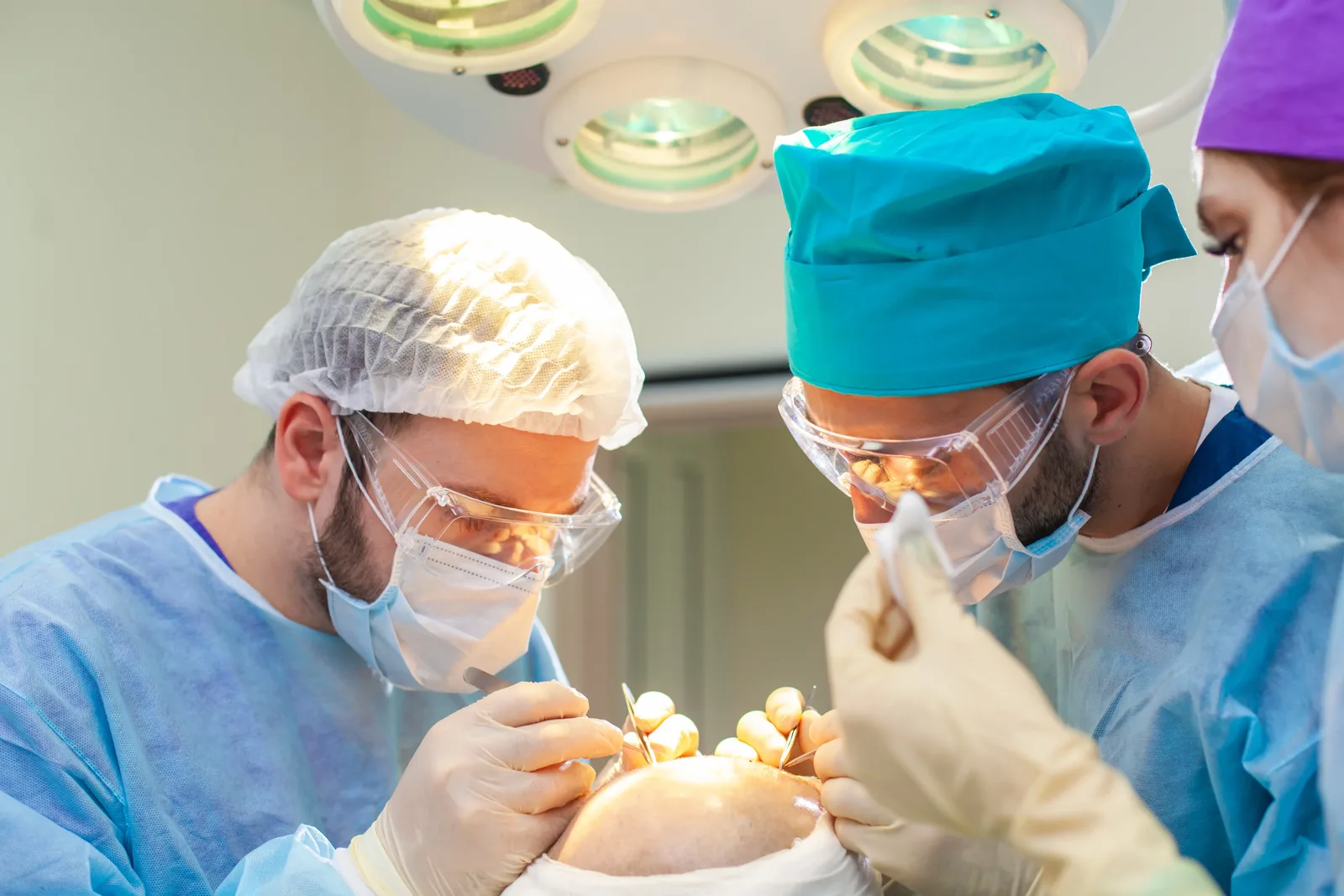
How does the hair transplant process in Turkey work? Discover a detailed guide about hair transplant in Istanbul, recovery, clinic selection, and the premium patient experience.
Learn More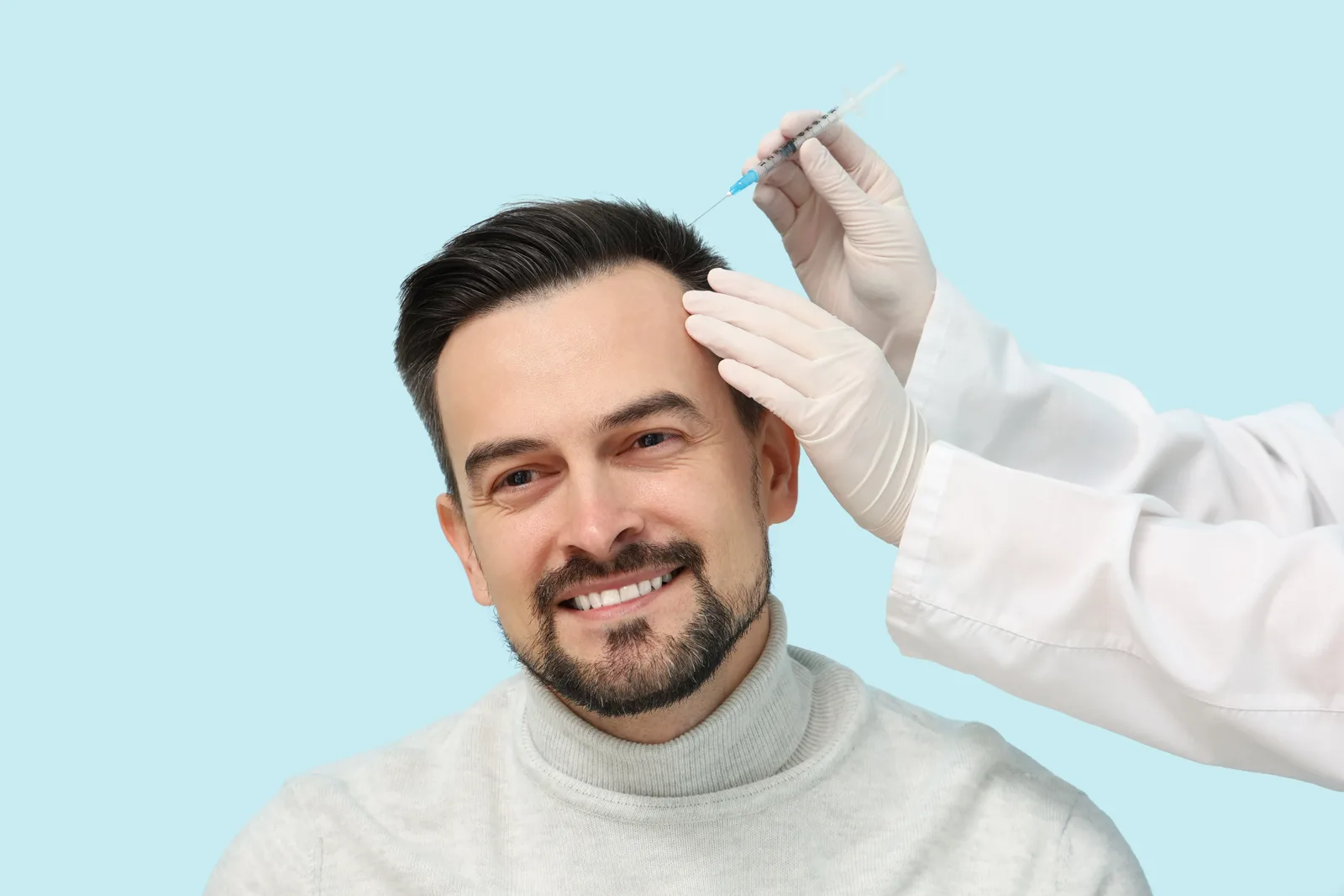
Alopecia areata and androgenetic hair loss are two distinct forms of hair loss that require different approaches to treatment. Adem Demiral, a hair transplant specialist located in Atasehir, Istanbul, emphasizes the importance of understanding these differences to provide effective care.
Alopecia areata is an autoimmune condition characterized by sudden hair loss in patches. This condition can affect individuals of any age and is often unpredictable, with hair regrowth possible in some cases. The exact cause of alopecia areata remains unclear, but it is believed to involve genetic and environmental factors. Research suggests that a combination of genetic predisposition and external triggers, such as stress or viral infections, may initiate the autoimmune response that leads to hair loss.
The condition can manifest in various forms, including alopecia totalis, which results in complete scalp hair loss, and alopecia universalis, which leads to total body hair loss. Understanding the specific type of alopecia areata is crucial for determining the most effective treatment strategy. Patients may experience not only physical changes but also emotional distress due to the visible nature of the condition, highlighting the need for comprehensive care that addresses both the medical and psychological aspects of hair loss.
Diagnosis of alopecia areata typically involves a physical examination of the scalp and hair loss patterns, along with a review of the patient's medical history. In some cases, a dermatologist may perform a scalp biopsy to confirm the diagnosis and rule out other forms of hair loss. This thorough approach ensures that patients receive appropriate and timely management of their condition, which can significantly impact their quality of life.
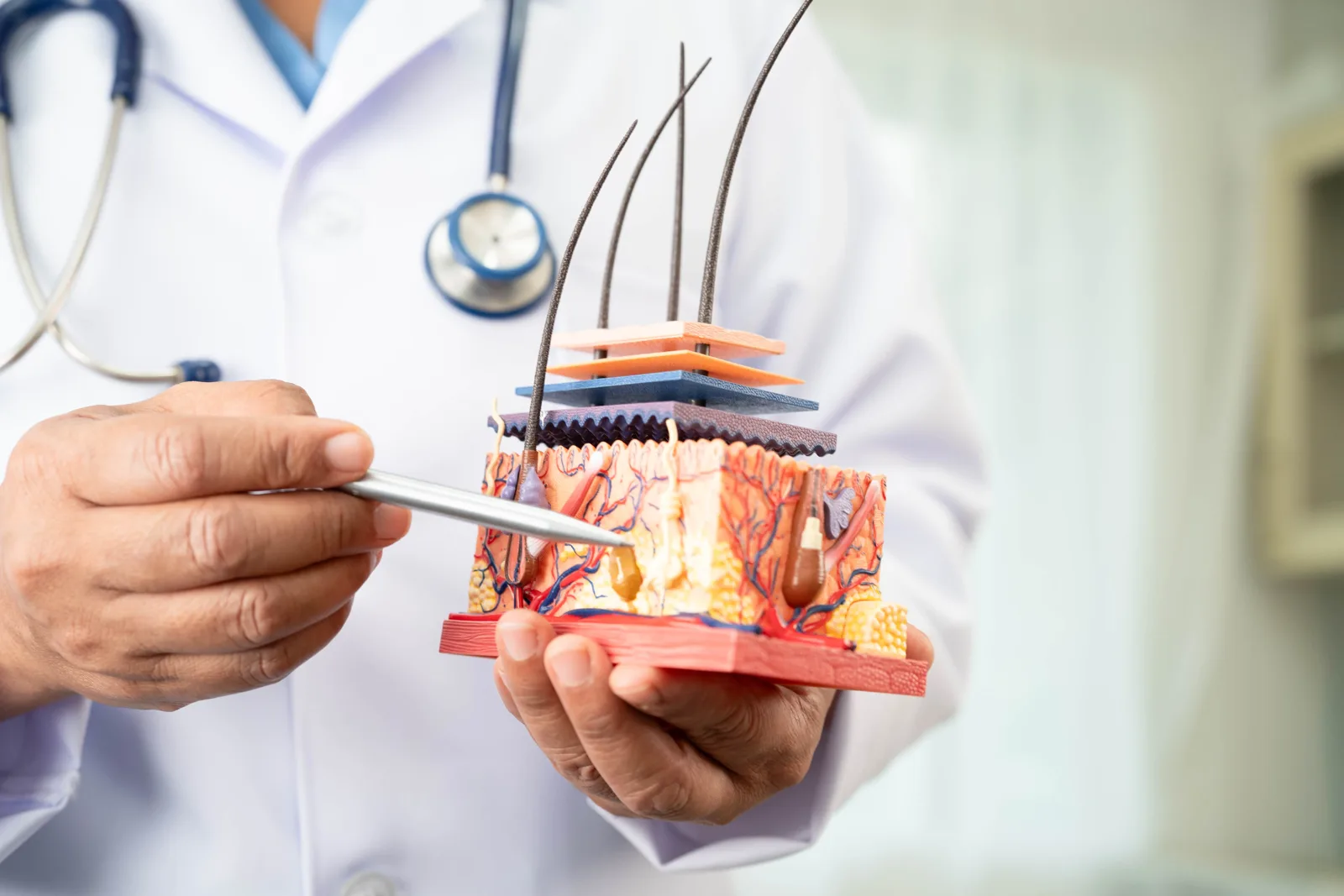
Androgenetic hair loss, commonly known as male or female pattern baldness, is a hereditary condition that affects both men and women. This type of hair loss is gradual and typically follows a specific pattern, often starting at the temples or crown of the head. Unlike alopecia areata, androgenetic hair loss is primarily influenced by hormonal changes and genetics. The condition is associated with the action of dihydrotestosterone (DHT), a derivative of testosterone, which can shrink hair follicles over time, leading to thinner and shorter hair strands.
In men, androgenetic hair loss usually presents as a receding hairline and thinning at the crown, while women may experience diffuse thinning across the scalp, particularly at the part line. The psychological impact of androgenetic hair loss can be profound, with many individuals experiencing decreased self-esteem and social anxiety. It is essential for those affected to understand that this condition is a common and natural part of aging, and that effective treatment options are available.
Diagnosis of androgenetic hair loss is often straightforward, based on family history, hair loss patterns, and clinical examination. In some cases, trichoscopy—a non-invasive technique that uses a dermatoscope—may be employed to assess hair and scalp health more closely. This diagnostic tool can help differentiate androgenetic hair loss from other types of hair loss, ensuring that patients receive the most appropriate treatment.

Understanding these key differences is essential for both patients and healthcare providers. For instance, the unpredictable nature of alopecia areata means that treatment plans may need to be adjusted frequently based on the patient's response and the progression of the condition. In contrast, androgenetic hair loss typically requires a long-term management strategy that may include ongoing use of medications or surgical options.
Moreover, the emotional and psychological impacts of these conditions can vary significantly. While both types of hair loss can lead to distress, the sudden onset of alopecia areata may provoke a more immediate emotional reaction, whereas androgenetic hair loss is often perceived as a gradual process that individuals may come to accept over time. This understanding is crucial for healthcare providers to offer the necessary support and resources to their patients.
For those affected by alopecia areata, treatment options may include corticosteroids, topical immunotherapy, and other medications aimed at suppressing the immune response. Corticosteroids can be administered through injections directly into the affected areas, or as topical ointments applied to the scalp. These treatments help to reduce inflammation and promote hair regrowth in many patients.
Topical immunotherapy is another effective treatment option, involving the application of chemicals such as diphencyprone (DPCP) to the scalp to provoke an allergic reaction that may stimulate hair regrowth. This method has shown promise, particularly in cases of extensive hair loss. Additionally, other treatments such as minoxidil may be used to enhance hair regrowth, although their effectiveness can vary among individuals.
At Adem Demiral Hair Clinic in Atasehir, Istanbul, we provide comprehensive evaluations to determine the most suitable treatment plan for each individual. Our approach is tailored to the patient's specific needs, taking into account the severity of the condition, the patient's age, and their personal preferences. We believe in a holistic approach to treatment, which may also include counseling and support to help patients cope with the emotional aspects of hair loss.
Androgenetic hair loss may be managed through various methods, including medications like minoxidil and finasteride, as well as hair transplant procedures such as Diamond FUE and Sapphire FUE. Minoxidil is a topical solution that promotes hair growth and is available over the counter, while finasteride is an oral medication that reduces DHT levels, thereby slowing hair loss. These treatments are often most effective when started early in the hair loss process.
Hair transplant procedures, particularly the advanced techniques of Diamond FUE and Sapphire FUE, have gained popularity for their minimally invasive nature and natural-looking results. These methods involve harvesting hair follicles from donor areas, typically the back of the scalp, and transplanting them into thinning or balding areas. The choice between these techniques often depends on the patient's specific condition, hair type, and desired outcomes.
At Adem Demiral Hair Clinic, we emphasize the importance of a personalized approach to treatment for androgenetic hair loss. Our specialists conduct thorough assessments to determine the most effective combination of medical and surgical options for each patient. We also provide ongoing support and follow-up care to ensure optimal results and patient satisfaction.
Accurate diagnosis by a qualified specialist is crucial for effective treatment. Misdiagnosing alopecia areata as androgenetic hair loss, or vice versa, can lead to inappropriate treatment and unsatisfactory results. At Adem Demiral Hair Clinic, we prioritize thorough evaluations to ensure that each patient receives the most effective care tailored to their specific condition. This includes detailed assessments of hair loss patterns, scalp health, and family history.
In addition to physical examinations, we may utilize advanced diagnostic tools such as trichoscopy to gain a clearer understanding of the underlying causes of hair loss. This non-invasive technique allows us to visualize the hair follicles and scalp in detail, helping to differentiate between various types of hair loss. By ensuring an accurate diagnosis, we can develop targeted treatment plans that address the root cause of hair loss, rather than merely treating the symptoms.
Furthermore, accurate diagnosis is essential for managing patient expectations. Understanding the nature of their condition can empower patients to make informed decisions about their treatment options and to set realistic goals for hair restoration. Our team is dedicated to providing education and support throughout the treatment process, ensuring that patients feel confident and informed every step of the way.
In conclusion, while both alopecia areata and androgenetic hair loss result in hair loss, they are fundamentally different conditions that require distinct treatment approaches. Understanding these differences is vital for effective management and recovery. If you are experiencing hair loss, it is important to consult with a hair transplant specialist like Adem Demiral in Atasehir, Istanbul, to receive a proper diagnosis and treatment plan. Our clinic is committed to providing personalized care that addresses the unique needs of each patient, helping them regain their confidence and achieve their desired results.
Alopecia areata is primarily an autoimmune condition where the immune system mistakenly attacks hair follicles, leading to hair loss. While the exact cause remains unknown, genetic and environmental factors are believed to play a role.
While androgenetic hair loss cannot be completely reversed, treatments such as medications and hair transplants can help restore hair density. Early intervention is key to achieving the best possible outcomes.
Alopecia areata can be temporary, with many individuals experiencing regrowth, but it can also recur over time. The course of the condition varies widely among individuals.
Consulting a hair transplant specialist can help differentiate between alopecia areata and androgenetic loss based on hair loss patterns, family history, and other factors. A thorough evaluation is essential for accurate diagnosis.
Treatments for alopecia areata may include corticosteroids, topical immunotherapy, and other medications aimed at managing the autoimmune response. The choice of treatment depends on the severity and extent of hair loss.
For more information on hair loss treatments, you can visit the Adem Demiral Hair Clinic website or contact us for a consultation. Our team is here to provide guidance and support throughout your hair restoration journey.
This article is published by Adem Demiral Hair Clinic for general information. It is not a diagnosis, a treatment plan, or a personal graft estimate. Suitability requires an in-person assessment in Atasehir.
How does the hair transplant process in Turkey work? Discover a detailed guide about hair transplant in Istanbul, recovery, clinic selection, and the premium patient experience.
Learn More
How does the recovery process after a hair transplant progress? Discover the first wash, shock loss, hair growth timeline, and the 12-month transformation in detail.
Learn More
Discover the differences between DHI and Sapphire FUE hair transplantation. A detailed comparison in terms of density, natural appearance, recovery process, and unshaven hair transplantation.
Learn More
Hair loss can become both a physical and psychological concern for many people. Today, hair transplantation stands out as one of the most effective solutions for addressing this issue.
Learn More
Hair loss can become both a physical and psychological challenge for many people. Today, hair transplantation stands out as one of the most effective solutions to this problem.
Learn MoreFill out the form for hair analysis, appointments, and consultation requests, or contact us directly.