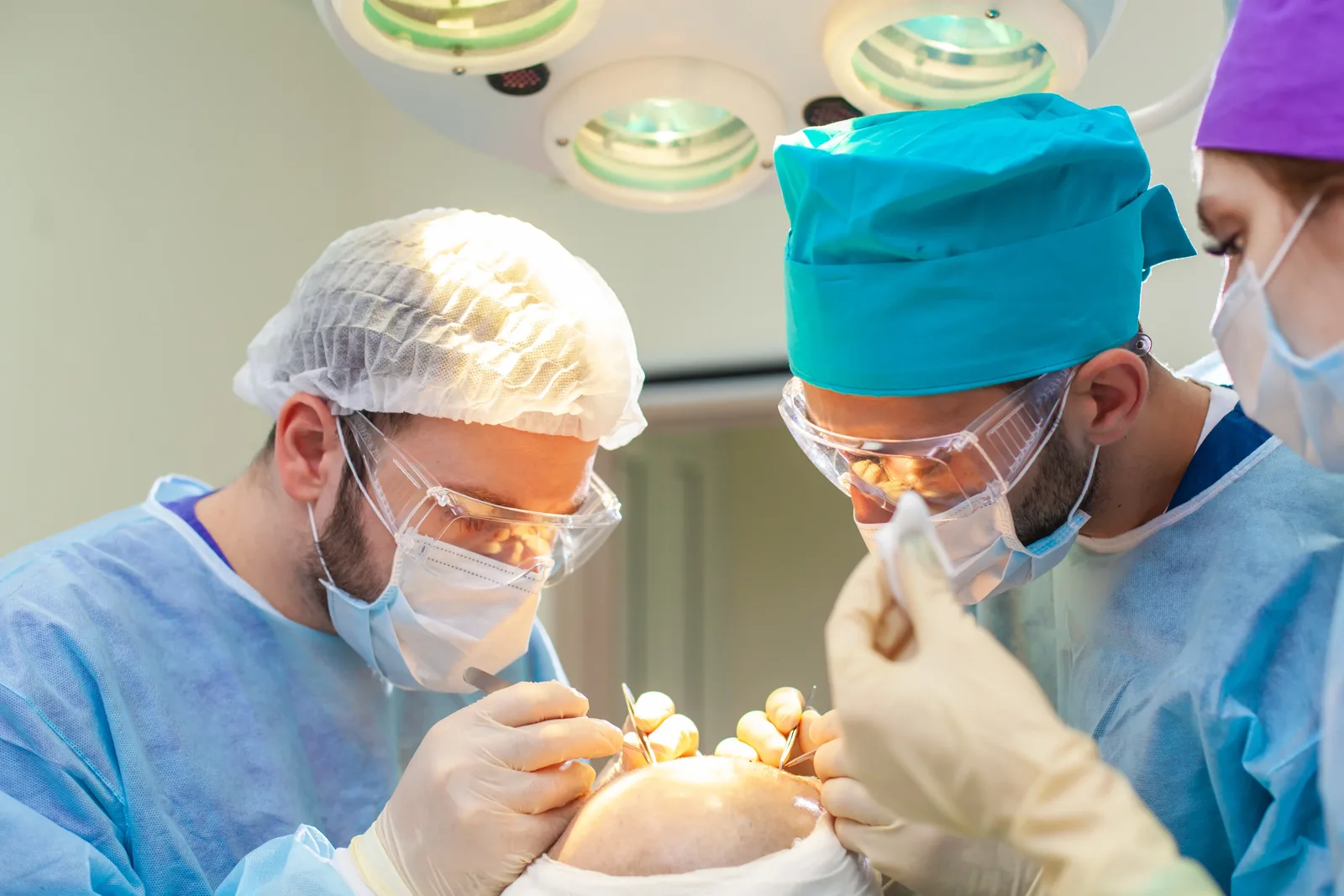
How does the hair transplant process in Turkey work? Discover a detailed guide about hair transplant in Istanbul, recovery, clinic selection, and the premium patient experience.
Learn More
Alcohol consumption can significantly impact the outcomes of hair transplant procedures. Adem Demiral, a hair transplant specialist located in Atasehir, Istanbul, emphasizes the importance of understanding these effects to ensure optimal recovery and results.
Hair transplant is a surgical procedure that involves moving hair follicles from a donor site to a balding or thinning area of the scalp. At Adem Demiral Hair Clinic, various techniques such as Diamond FUE, DHI Pro, and Sapphire FUE are utilized to achieve natural-looking results. Each method has its own benefits, but the success of the procedure can be influenced by several factors, including patient preparation and aftercare.
The choice of technique often depends on the individual patient's needs, the extent of hair loss, and the desired results. For instance, the Diamond FUE method is known for its precision and minimal scarring, while DHI Pro allows for more control over the angle and depth of hair implantation. Sapphire FUE, on the other hand, utilizes a sapphire blade for incisions, which can lead to faster healing times and reduced trauma to the scalp. Regardless of the technique employed, the importance of patient preparation cannot be overstated.
Before undergoing a hair transplant, patients are encouraged to engage in thorough consultations with their surgeon. This includes discussing medical history, current medications, and lifestyle choices, such as alcohol consumption. Such discussions help in tailoring the procedure to the patient's specific needs and ensuring the best possible outcome.
Alcohol is a substance that can affect various bodily functions. Moderate consumption may not pose significant risks for most individuals; however, excessive intake can lead to complications, especially in the context of surgical procedures. Understanding how alcohol interacts with the body is essential for anyone considering a hair transplant.
Alcohol is metabolized primarily in the liver, where it can interfere with the body’s ability to process nutrients and heal tissues. This metabolic process can lead to various health issues, including liver disease, cardiovascular problems, and weakened immune function. For individuals considering a hair transplant, these factors become even more critical, as the body’s ability to recover from surgery is paramount to achieving successful results.
Moreover, alcohol can also affect mental health and decision-making abilities. Patients may find themselves less motivated to adhere to post-operative care instructions if they consume alcohol, which can further jeopardize their recovery. Therefore, understanding the broader implications of alcohol consumption is vital for anyone preparing for a surgical procedure.

Prior to undergoing a hair transplant, it is advisable to limit or avoid alcohol consumption. Here are some reasons why:
Due to these factors, patients are often advised to refrain from alcohol for at least 48 hours before their scheduled hair transplant procedure. This precaution helps ensure that the blood clotting mechanisms are functioning optimally, reducing the risk of excessive bleeding during surgery. Additionally, maintaining proper hydration levels is crucial for skin elasticity and overall recovery, making it essential to avoid substances that can lead to dehydration.
Furthermore, alcohol's impact on the immune system can have lasting effects. A compromised immune response can lead to complications such as infections, which can significantly affect the success of the hair transplant. Therefore, it is crucial for patients to take this advice seriously and prepare their bodies adequately for the procedure.
Post-procedure care is crucial for optimal results. After a hair transplant, alcohol consumption can pose several risks, including:
It is generally recommended to avoid alcohol for at least two weeks after the procedure to ensure a smoother recovery and better results. During this critical healing period, the scalp is particularly vulnerable, and any additional strain from alcohol consumption can hinder the body’s ability to heal effectively. Increased swelling can lead to discomfort and may even affect the positioning of the newly transplanted hair follicles.
Moreover, the risk of infection is a significant concern during the recovery phase. Alcohol can impair the body’s immune response, making it harder for the body to fight off potential infections. This is especially important to consider, as infections can lead to complications that may necessitate further medical intervention or even jeopardize the success of the hair transplant.
In addition to avoiding alcohol, there are several other best practices to follow after a hair transplant:
By adhering to these guidelines, patients can enhance their recovery and improve the overall success of their hair transplant. Following post-operative instructions is crucial, as these guidelines are designed to facilitate healing and minimize complications. For instance, avoiding strenuous activities can prevent unnecessary strain on the scalp, allowing the newly implanted hair follicles to settle properly.
Staying hydrated is equally important, as it helps maintain optimal blood circulation and skin health. Proper hydration supports the body's natural healing processes and can reduce the risk of complications. Additionally, patients should be mindful of sun exposure, as UV rays can irritate the scalp and impede healing. Wearing a hat or using sunblock as advised by the surgeon can protect the scalp during this vulnerable period.
Furthermore, taking prescribed medications as directed is vital for managing pain and preventing infection. Patients should not hesitate to reach out to their healthcare provider if they experience any unusual symptoms or discomfort during their recovery. Open communication with the medical team can ensure that any issues are addressed promptly, contributing to a smoother recovery process.
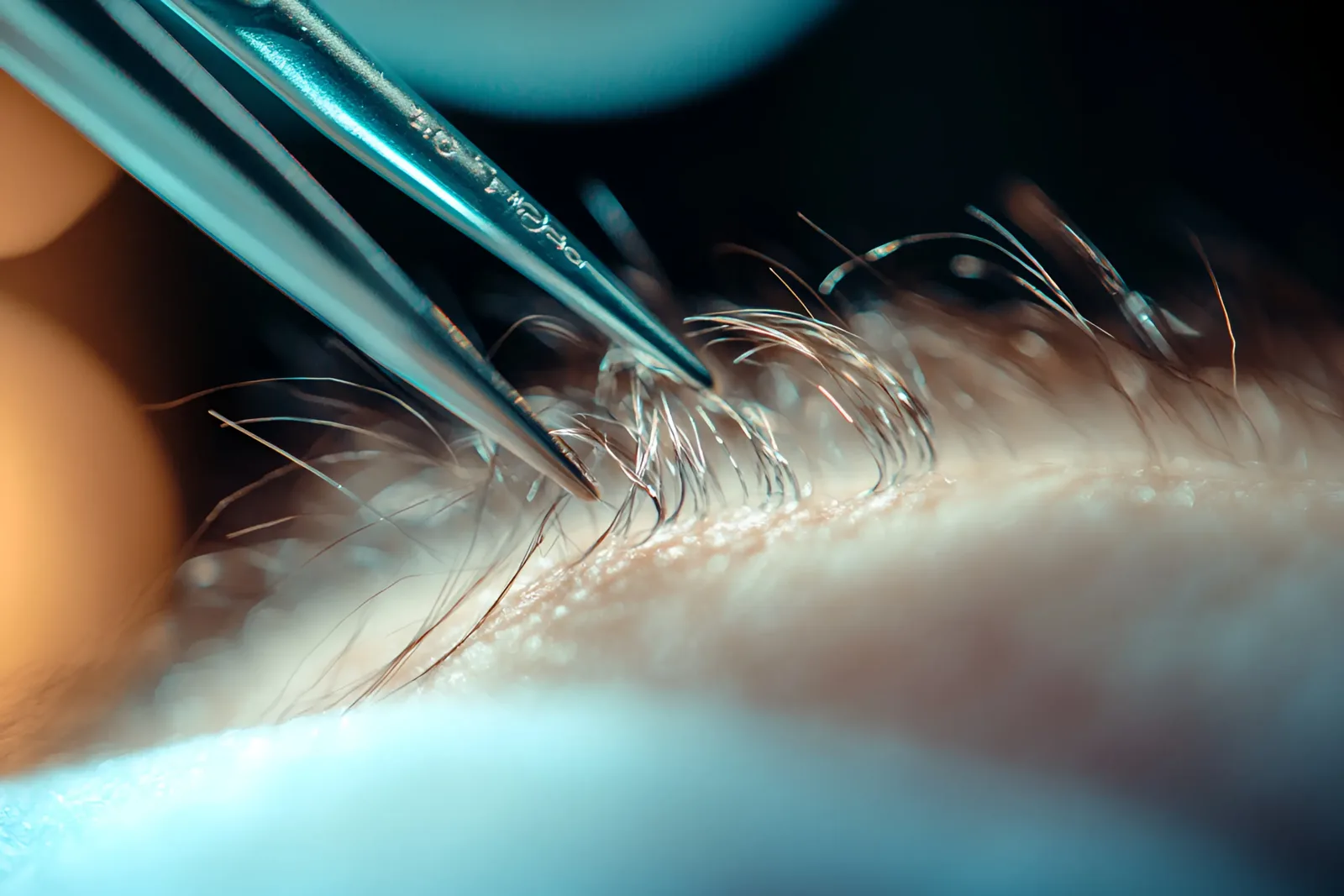
Understanding the implications of alcohol consumption before and after a hair transplant is crucial for achieving the desired results. At Adem Demiral Hair Clinic, we encourage patients to discuss their lifestyle habits during the pre-evaluation process. This allows us to provide personalized advice tailored to each individual's needs.
During the consultation, patients can expect a comprehensive evaluation of their hair loss condition, medical history, and lifestyle factors, including alcohol consumption. This information enables the medical team to devise a customized treatment plan that addresses the patient's specific needs and concerns. Additionally, discussing alcohol consumption openly can help patients understand the potential risks and make informed decisions regarding their health and recovery.
Furthermore, the clinic emphasizes the importance of education in the hair transplant journey. Patients are encouraged to ask questions and seek clarification on any aspect of the procedure, including the role of alcohol in recovery. By fostering an open dialogue, the clinic aims to empower patients with the knowledge they need to achieve optimal results.
In conclusion, alcohol can have detrimental effects on both the hair transplant procedure and the recovery process. Patients at Adem Demiral Hair Clinic in Atasehir, Istanbul, should be mindful of their alcohol consumption before and after their procedure to ensure optimal results. For more information about our services, please visit our services page or contact us directly through our contact page.
It is advisable to avoid alcohol for at least 48 hours before your hair transplant procedure. This allows your body to be in the best possible condition for surgery.
It is recommended to avoid alcohol for at least two weeks after the procedure to promote healing and reduce the risk of complications.
Drinking alcohol can lead to increased bleeding, dehydration, and impaired healing during the procedure, all of which can negatively impact the outcome of the transplant.
Alcohol can increase swelling, delay healing, and raise the risk of infection post-procedure, making it crucial to avoid it during recovery.
If you consumed alcohol before your procedure, inform your surgeon during your pre-evaluation appointment for tailored advice and possible adjustments to your care plan.
Yes, staying hydrated with water and consuming healthy, nutrient-rich foods can support your recovery process. Herbal teas and non-alcoholic beverages can also be good alternatives.
This article is published by Adem Demiral Hair Clinic for general information. It is not a diagnosis, a treatment plan, or a personal graft estimate. Suitability requires an in-person assessment in Atasehir.
How does the hair transplant process in Turkey work? Discover a detailed guide about hair transplant in Istanbul, recovery, clinic selection, and the premium patient experience.
Learn More
How does the recovery process after a hair transplant progress? Discover the first wash, shock loss, hair growth timeline, and the 12-month transformation in detail.
Learn More
Discover the differences between DHI and Sapphire FUE hair transplantation. A detailed comparison in terms of density, natural appearance, recovery process, and unshaven hair transplantation.
Learn More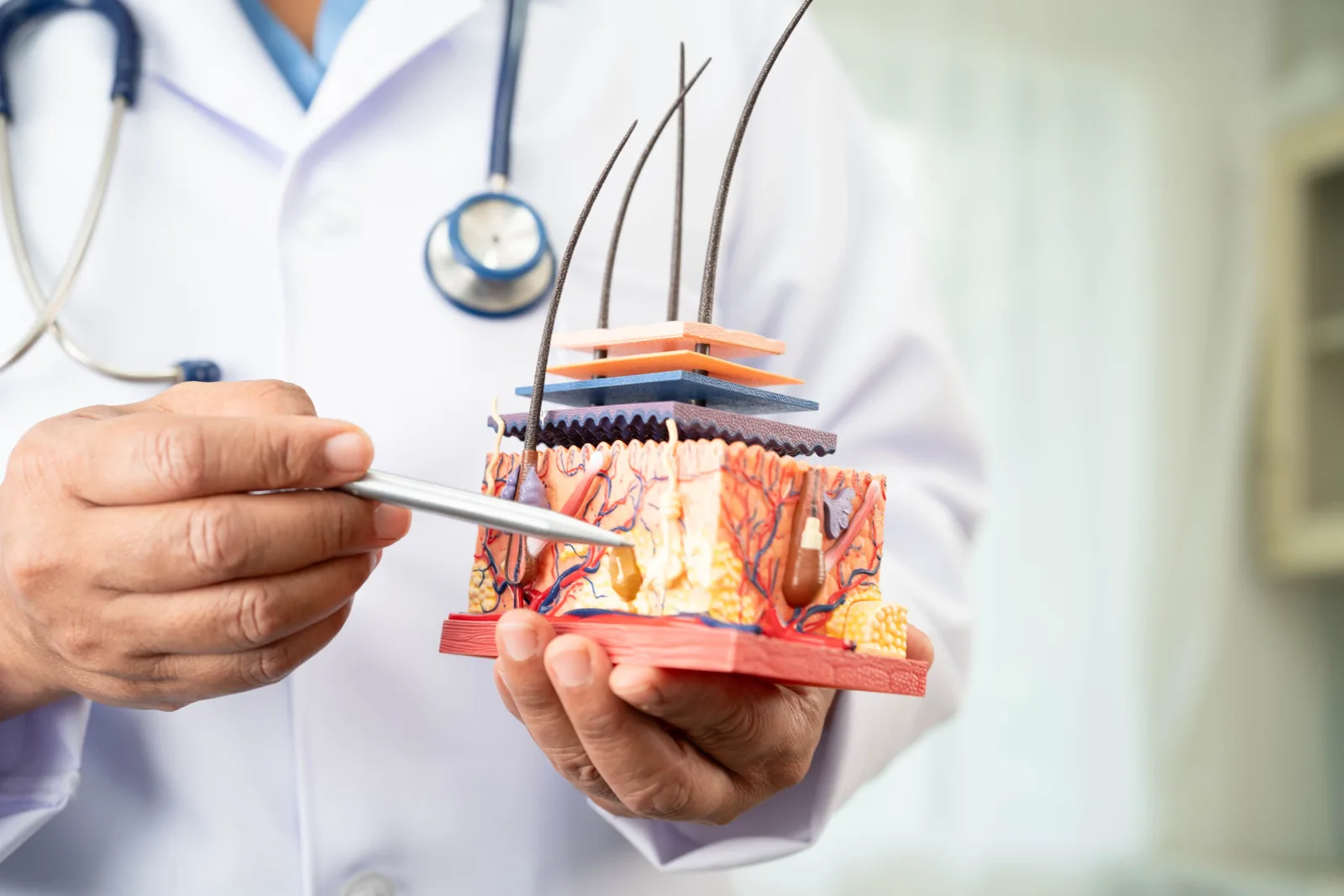
Hair loss can become both a physical and psychological concern for many people. Today, hair transplantation stands out as one of the most effective solutions for addressing this issue.
Learn More
Hair loss can become both a physical and psychological challenge for many people. Today, hair transplantation stands out as one of the most effective solutions to this problem.
Learn MoreFill out the form for hair analysis, appointments, and consultation requests, or contact us directly.