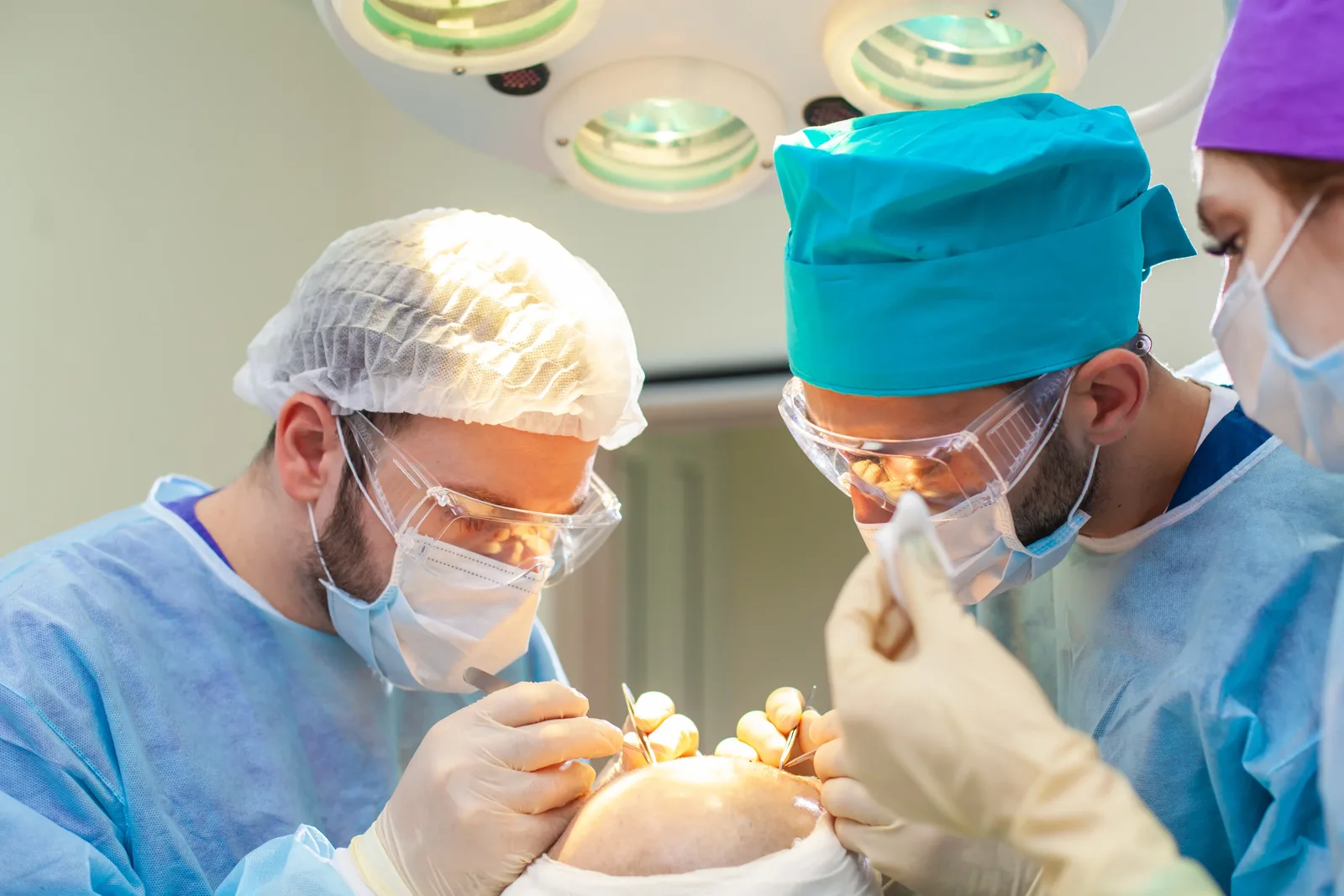
How does the hair transplant process in Turkey work? Discover a detailed guide about hair transplant in Istanbul, recovery, clinic selection, and the premium patient experience.
Learn More
AI hair analysis is an innovative approach to understanding hair health and diagnosing potential issues. At Adem Demiral's clinic in Atasehir, Istanbul, this technology is utilized to enhance the hair restoration process, providing insights that can assist in making informed decisions about hair transplant procedures.
AI hair analysis involves using artificial intelligence algorithms to evaluate hair and scalp conditions. This technology can analyze various factors such as hair density, follicle health, and scalp conditions, offering a comprehensive view of an individual's hair status. The process typically begins with a high-resolution imaging system that captures detailed images of the hair and scalp. These images are then processed through advanced algorithms that can detect subtle variations in hair characteristics that might not be visible to the naked eye.
One of the significant advantages of AI hair analysis is its ability to process vast amounts of data quickly. Traditional methods of hair assessment often rely on subjective evaluations by specialists, which can introduce variability in results. In contrast, AI provides a standardized approach, ensuring that assessments are consistent and reproducible. This technological advancement not only enhances the accuracy of diagnoses but also contributes to the development of more effective treatment plans tailored to individual needs.
Furthermore, AI hair analysis can be integrated with other diagnostic tools, such as trichoscopy, to provide a more comprehensive understanding of hair and scalp health. By combining multiple data sources, specialists can gain insights into the underlying causes of hair loss and devise targeted intervention strategies. Overall, AI hair analysis represents a significant leap forward in the field of trichology, offering patients and practitioners a powerful tool for managing hair health.
AI hair analysis can provide several insights that are beneficial for both patients and specialists. Here are some of the key capabilities:
Moreover, the ability of AI to continuously learn from new data means that its recommendations can evolve over time, adapting to the latest research and clinical findings. This dynamic aspect of AI technology ensures that patients receive the most current and effective treatment options available, enhancing the overall quality of care.
While AI hair analysis offers numerous advantages, it is essential to recognize its limitations. Here are some aspects that AI cannot adequately address:
Recognizing these limitations is essential for both patients and practitioners. While AI can significantly enhance the diagnostic process, it should be viewed as a complementary tool rather than a standalone solution. The integration of AI insights with the clinical judgment of experienced professionals ensures a more comprehensive approach to hair restoration.
At Adem Demiral's clinic, AI hair analysis is integrated with the expertise of a hair transplant specialist. This combination allows for a more holistic approach to hair restoration, where AI provides data-driven insights that are complemented by professional judgment and experience. By leveraging AI technology, specialists can enhance their diagnostic capabilities, leading to more accurate assessments and treatment plans.
The collaboration between AI and human expertise also fosters a more personalized patient experience. After the AI analysis, Adem Demiral and his team can discuss the findings with patients, explaining the implications of the data in a way that is easy to understand. This dialogue not only helps patients feel more informed but also allows them to participate actively in their treatment decisions.
Moreover, the integration of AI with human expertise can lead to improved patient outcomes. With the ability to monitor progress and adjust treatment plans based on real-time data, specialists can respond quickly to changes in a patient’s condition. This proactive approach ensures that patients receive the most effective care possible, tailored to their unique needs and circumstances.
AI hair analysis is a valuable tool in the realm of hair restoration, offering insights that can guide treatment decisions. However, it is crucial to understand its limitations and the importance of consulting with a qualified hair transplant specialist in Atasehir, Istanbul, like Adem Demiral, to achieve the best outcomes. The combination of advanced technology and human expertise creates a powerful synergy that enhances the overall quality of care, leading to more successful hair restoration results.
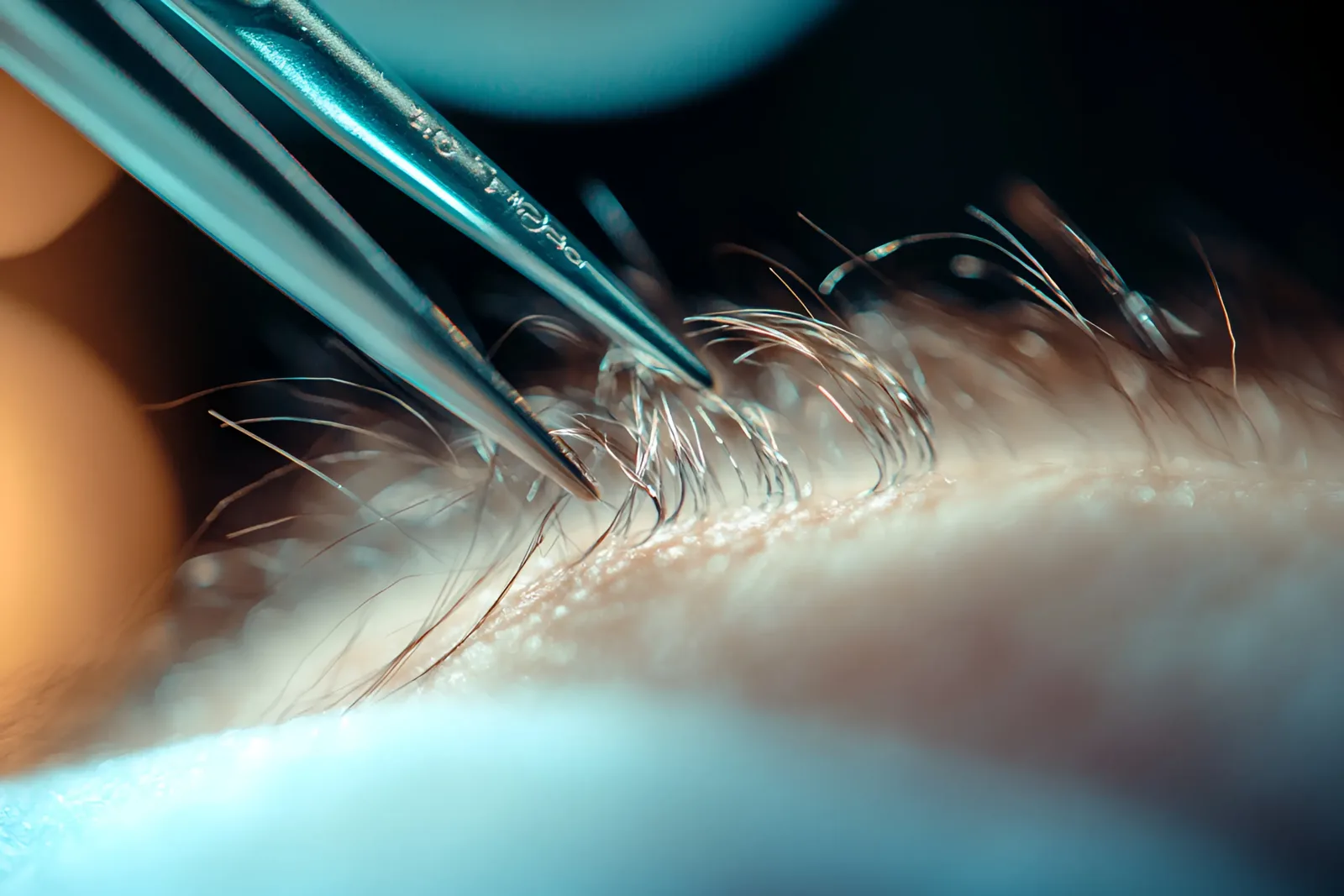
The primary benefit of AI hair analysis is its ability to provide accurate assessments of hair density and follicle health, aiding in treatment planning. This precision allows for more targeted and effective interventions, ultimately improving patient satisfaction and outcomes.
No, AI hair analysis cannot replace a doctor's evaluation. It should be used as a complementary tool alongside professional assessments. The expertise of a qualified specialist is essential for interpreting AI findings and making informed treatment decisions.
AI analyzes individual hair and scalp conditions to suggest tailored treatment options, enhancing the effectiveness of hair restoration strategies. By considering unique factors such as hair type, density, and scalp health, AI can recommend interventions that are more likely to succeed for each patient.
Limitations include the inability to assess emotional factors, the need for comprehensive medical evaluations, and potential data quality issues. Understanding these limitations is crucial for setting realistic expectations regarding the outcomes of AI hair analysis.
While AI hair analysis can benefit many, it is essential to consult with a specialist to determine if it is appropriate based on individual conditions. Factors such as the underlying cause of hair loss and overall health should be considered before proceeding with AI analysis.
For more information on hair restoration options, you can visit the services page of Adem Demiral's clinic. There, you will find detailed descriptions of various treatments and technologies available to address hair loss and promote hair health.
This article is published by Adem Demiral Hair Clinic for general information. It is not a diagnosis, a treatment plan, or a personal graft estimate. Suitability requires an in-person assessment in Atasehir.
How does the hair transplant process in Turkey work? Discover a detailed guide about hair transplant in Istanbul, recovery, clinic selection, and the premium patient experience.
Learn More
How does the recovery process after a hair transplant progress? Discover the first wash, shock loss, hair growth timeline, and the 12-month transformation in detail.
Learn More
Discover the differences between DHI and Sapphire FUE hair transplantation. A detailed comparison in terms of density, natural appearance, recovery process, and unshaven hair transplantation.
Learn More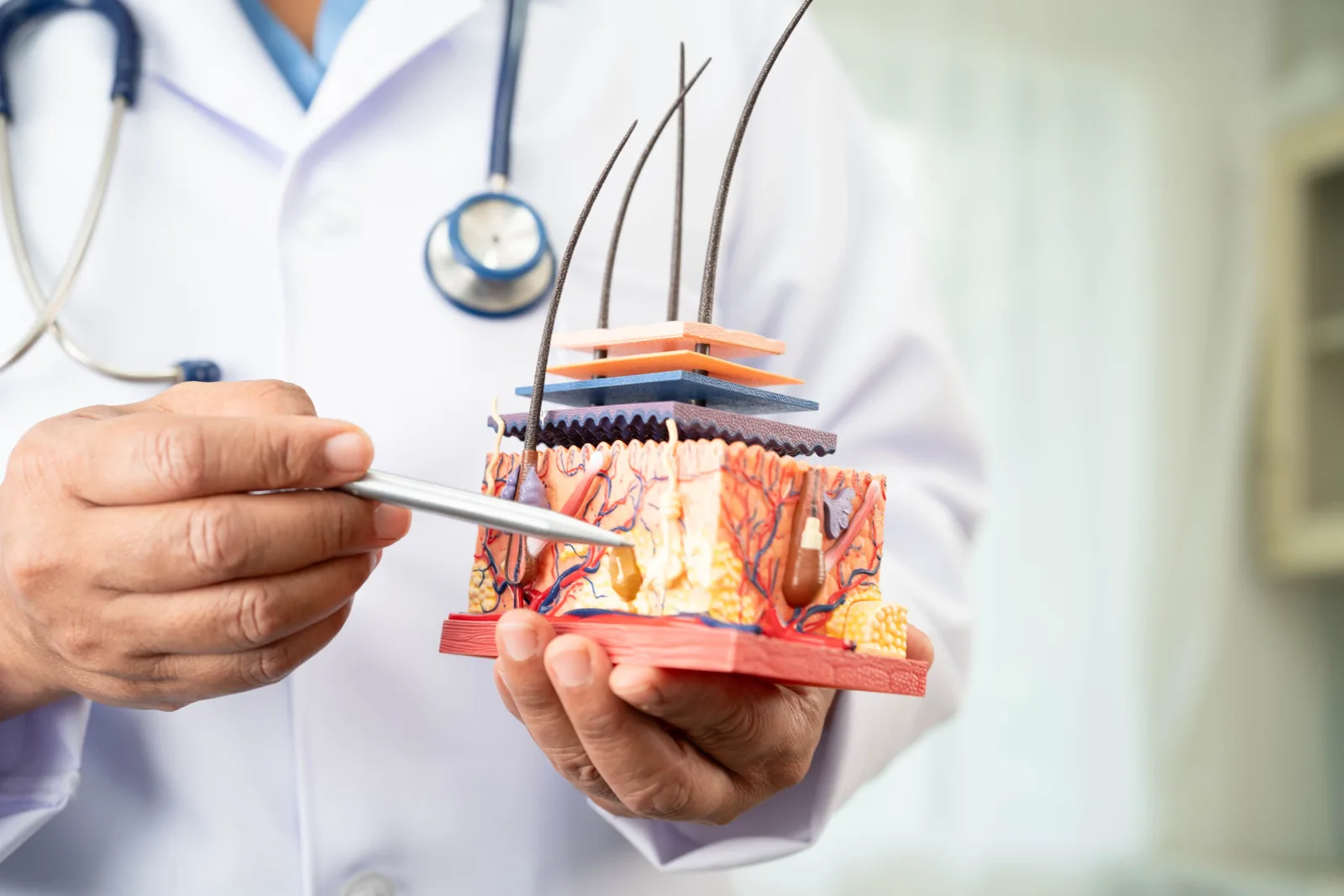
Hair loss can become both a physical and psychological concern for many people. Today, hair transplantation stands out as one of the most effective solutions for addressing this issue.
Learn More
Hair loss can become both a physical and psychological challenge for many people. Today, hair transplantation stands out as one of the most effective solutions to this problem.
Learn MoreFill out the form for hair analysis, appointments, and consultation requests, or contact us directly.